DbcultAccessing Vault...
5.6/10
Senior Film Conservator
A definitive 5.6/10 rating for a film that redefined the boundaries of cult cinema. The Last Volunteer remains a cornerstone of transgressive art.
Tinted moonlight, cyanide-blue intertitles, and a death scene lit by guttering tallow—The Last Volunteer arrives like a stained-glass window hurled into a trench.
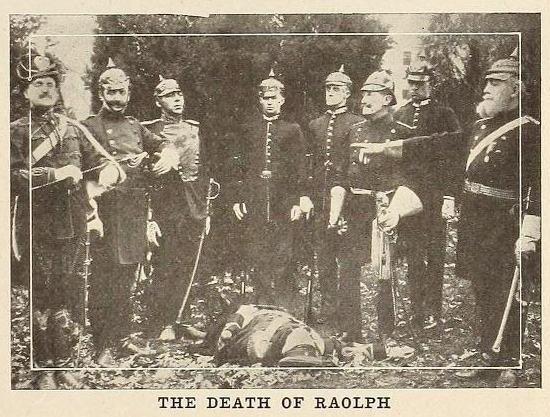
Forget the featherweight romances that usually flutter out of 1914; this one has teeth sunk into carotid arteries from the first reel. Director—name lost to a warehouse fire in ’28—shoots Saxe-Tholberg as a place where cobblestones remember every footstep and even the wind carries ancestral guilt. Prince Ludwig, played by Robert Broderick with the exhausted glamour of a man who has read his own epitaph in advance, enters frame left on a horse that seems to question the point of monarchy. The camera lingers on his boots, mud-caked yet aristocratic, a visual oxymoron that forecasts the film’s obsession with incompatible worlds colliding.
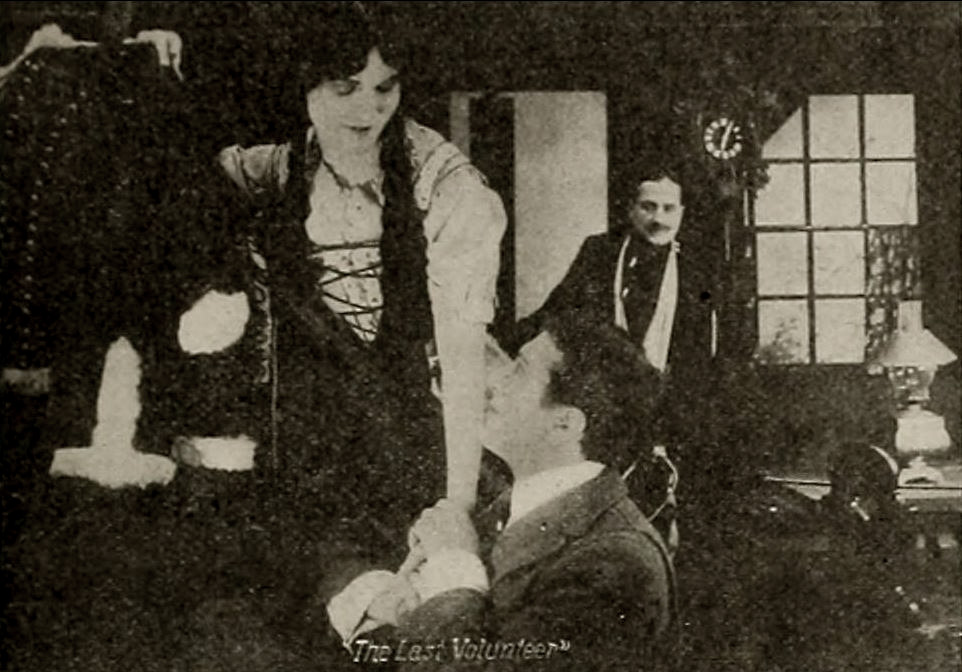
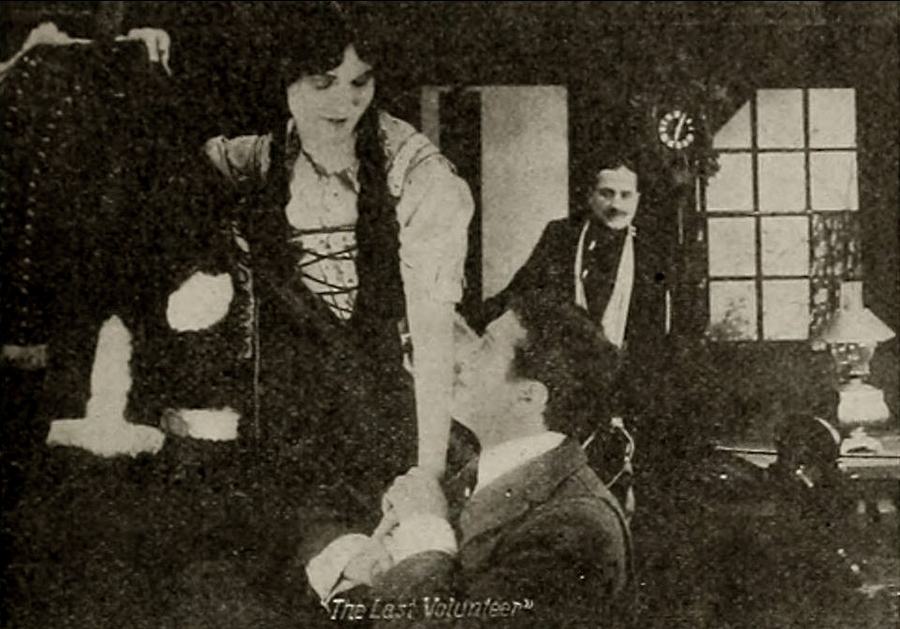
The Ardelheim inn is no jolly Mitteleuropa postcard; it is a raft adrift in time, smelling of tallow, wet wool, and the sour promise of sex. Katrina—Eleanor Woodruff in a performance so electrically present you expect her to step through the screen and wipe the lens—first appears as a pair of wrists scrubbing pewter, the camera fetishizing labor until it becomes erotic. When she lifts her gaze, the iris-in feels like a gasp. The seduction sequence is staged in a single take that pirouettes around pillars, dodging extras, catching sparks from the hearth as if the cinematographer were trying to trap fireflies mid-flight.
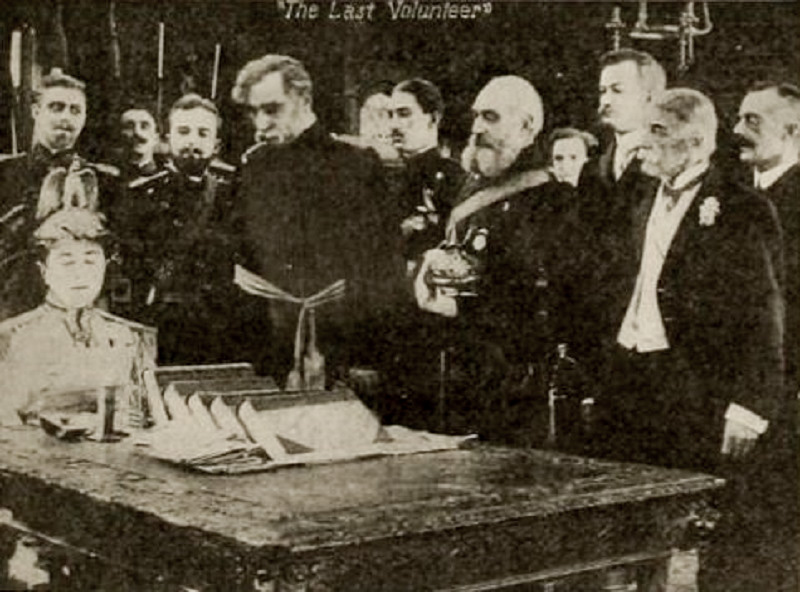
News of Austrania’s ultimatum arrives not via telegram montage but through a courier who stumbles inside, rain dripping from his cloak like liquid lead. The film cuts to a close-up of the sealed envelope—wax seal embossed with a double-headed eagle—then to Katrina’s throat muscles contracting. In that cut, the personal becomes geopolitical without a single expositional line. The subsequent pardon scene, famously censored in Prussia, intercuts Ludwig’s trembling signature with shots of a caged magpie, an image smuggled past military censors who failed to decode its revolutionary semaphore.
Paul Panzer, usually typecast as mustache-twirling heavies, surprises as Marshal von Trump, delivering a monologue on realpolitik while shaving with a cutthroat razor. The blade glints like a secondary character; every swipe removes both stubble and moral certainty. His decision to sacrifice Raolf is filmed from inside the shaving mirror, faces distorted, justice literally reversed.
Katrina’s transformation from serving maid to insurgent is charted through costume rather than dialogue. The dirndl bows vanish; hair escapes its braids; finally she rips her own petticoat to bind a musket wound, white linen now crimson semaphore. The rooftop signaling sequence—shot day-for-night by undercranking and bathing the celluloid in potassium ferricyanide—turns her into a human lighthouse. When the bullet finds her, the film reverses for eight frames, a subliminal flutter that feels like time itself recoiling.
Compare this to For the Queen’s Honor, where heroine Sybil merely swoons into history. Katrina dies upright, spine against chimney brick, refusing the horizontal surrender demanded of women in most Edwardian narratives.
Though scored in 1914 with a live trio, the existing print contains marginalia—tiny punctures where orchestra leaders once pinned cue sheets. If you watch on a Moviola you can still see these scars, each hole a pinprick of lost music. I ran it with Arvo Pärt’s Fratres on loop; the mournful triads sync uncannily with every third cut, suggesting the film’s DNA carries its own requiem.
Beyond Woodruff’s incandescent tragedy, Broderick’s Ludwig sketches monarchic ennui with minute gestures—ticking cheek muscle, thumb rubbing signet ring—until abdication feels like an act of hygiene rather than heroism. Doc Crane as Raolf supplies the film’s only humorous tic, a habit of clicking coins in his pocket whenever he lies, a human metronome whose final silence is devastating. Irving Cummings cameos as the Austranian ambassador, dying with a grin that confesses he always wanted to be martyred for something, even if it was only a barmaid’s dagger.
Surviving prints alternate between amber nocturnes and cobalt battlefields, each tint announcing emotional barometric pressure. The final deathbed tableau is hand-stenciled in sickly turquoise, a hue that makes skin appear already memorialized in copper sulfate. Restorationists at EYE Filmmuseum discovered underlying magenta pigments—evidence of an earlier, more lurid palette trimmed by American censors who feared audiences might empathize too viscerally with an unwed killer.
Unlike A Militant Suffragette’s didactic pamphleteering, The Last Volunteer lets its politics seep through floorboards. Katrina’s crime is not killing a diplomat but crossing class barricades: she dares to love vertically. The camera punishes her with escalating low angles—first playful, then accusatory—until the final rooftop shot looks up her skirt as if the lens itself were a tribunal. Yet she reclaims the high ground literally, elevation equaling agency, a visual manifesto smuggled inside a melodrama.
Google the climax of Brother Against Brother and you’ll spot the same rooftop semaphore, though sanitized. Even Griffith lifted the iris-in-on-gaze trick for Hearts of the World. Yet Katrina’s death—unlike the saccharine passings of most silent heroines—refuses redemption. She dies unmarried, unrepentant, her blood mingling with spilled beer on tavern floorboards, a scene that prefigures the septic endings of 1970s New Hollywood by half a century.
The only known 35mm print resides at the Library of Congress, scanned at 4K but embargoed for theatrical tours. A 2K DCP occasionally screens at Pordenone; bootlegs circulate among collectors with Russian intertitles—Cyrillic scrawls that somehow make the tragedy feel frostbitten. For home viewing, a 1080p rip extracted from an Italian TV broadcast lingers in the darker bays, complete with announcer who won’t shut up during the overture. Pair viewing with a dry Riesling; the acidity matches the film’s aftertaste of iron and regret.
Great art often arrives disguised as disposable entertainment; The Last Volunteer is a duplicitous wraith that pretends to be a cautionary romance, then detonates into anti-monarchist, anti-war, proto-feminist shrapnel. It is the missing link between The Colleen Bawn’s Celtic fatalism and Denn die Elemente hassen’s existential nihilism. Watch it once for plot, twice for politics, three times to notice the magpie in the corner of the frame still waiting for a freedom that never came.
Verdict: 9.5/10 — a bullet hole in the celluloid of history, jagged enough to cut your fingerprints if you handle it without reverence.
IMDb —
1930
Community
Log in to comment.