DbcultAccessing Vault...
6.1/10
Senior Film Conservator
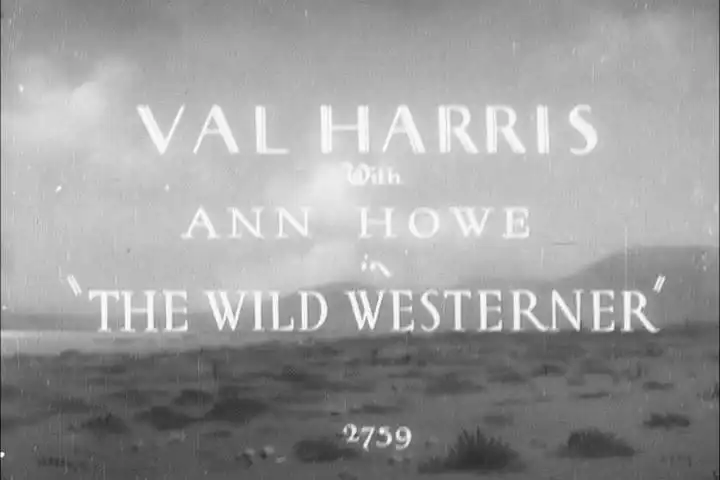
A definitive 6.1/10 rating for a film that redefined the boundaries of cult cinema. The Wild Westerner remains a cornerstone of transgressive art.
Okay, let's get this out of the way up front: The Wild Westerner isn't for everyone today. If you're looking for slick, modern action or complex character studies, you're gonna be bored. Seriously, just skip it. But! If you have a soft spot for really old westerns, the kind where the dust is a character all its own and the motivations are pretty black and white, then pull up a chair. You might find something here, especially if you're into seeing how these genre foundations were laid. Film historians and those curious about early cinema quirks will probably get the most out of it. 🤠
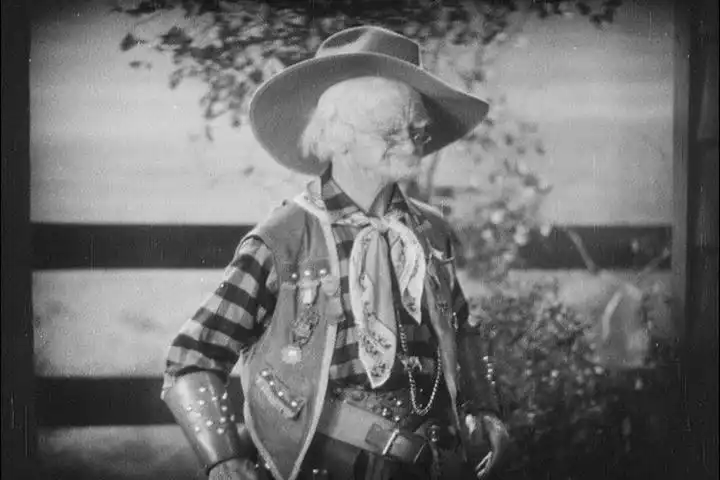
Val Harris, our hero, rides into town with that classic squint. You know the one. He's got that quiet intensity, like he's seen too many sunsets and not enough good deeds. His horse looks tired, which, honestly, adds a touch of realism to the whole thing. It’s not a fancy horse; it’s a working horse, and you can practically feel its weariness.
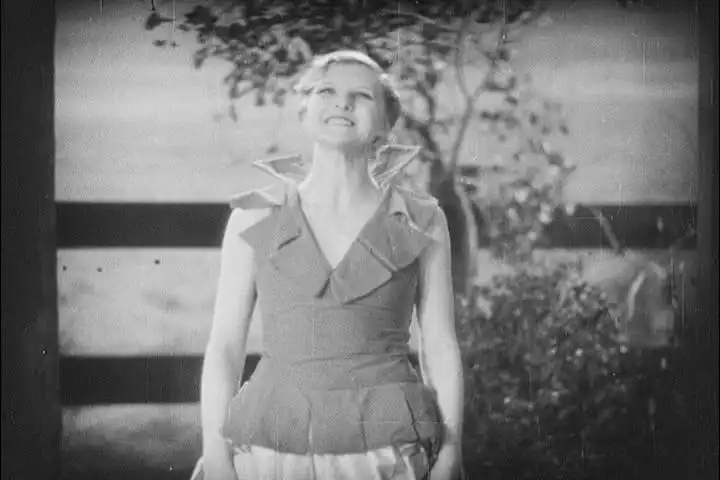
Ann Howe's character, she's something else. She pops up in this otherwise drab saloon, wearing a dress that feels a little too nice, a little too clean for the surroundings. It's a subtle touch, but it makes her stand out, hinting at a past or perhaps a stubborn refusal to be broken by the frontier. She has this way of looking at Val, like she knows more than she lets on, but also like she's sizing him up. 🧐
The pacing, oh boy, the pacing. There are moments that just… hang there. A shot of a tumbleweed rolling by, then another. A close-up on Val's face as he just *thinks* for what feels like an eternity. It's not bad, not exactly, but it asks for a different kind of patience. A lot of modern films would cut this stuff right out, but here, it's part of the vibe. It lets the silence speak, I guess.
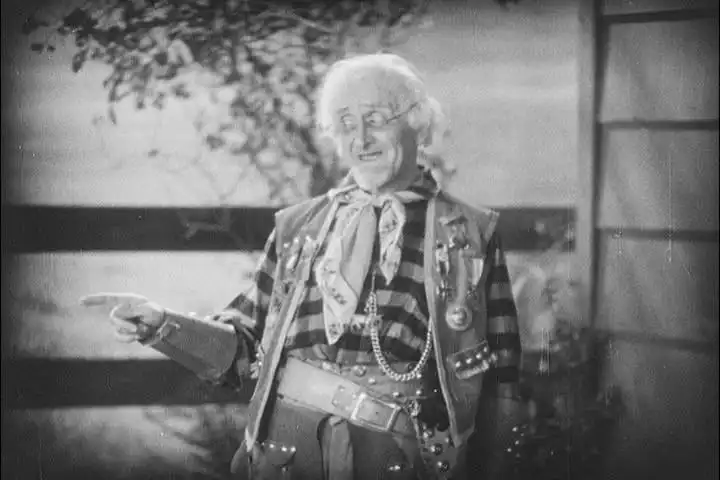
One scene, early on, Val is just walking through the dusty street. And he keeps adjusting his hat. Over and over. Is it nerves? Is it the sun? Or maybe it's just Val Harris being Val Harris, you know? It’s not a major plot point, but it's these little, almost accidental, details that stick with you. Like someone just forgot to yell 'cut' on a tiny bit of business.
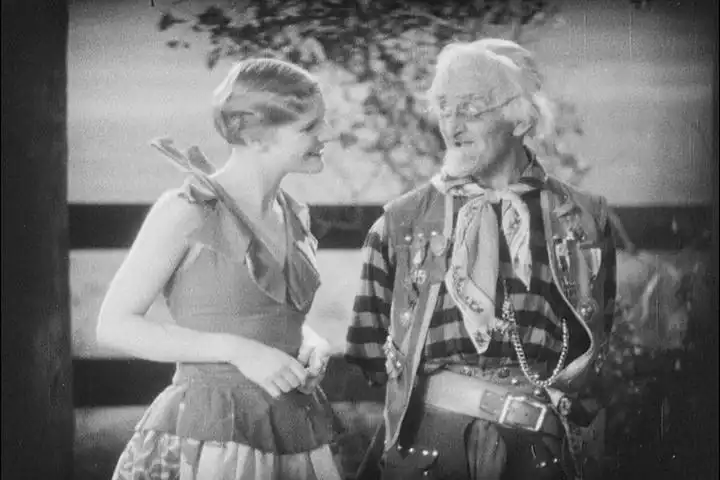
The big showdown scene, when it finally arrives, it's… *functional*. No fancy choreography, no dramatic slow-motion dives. Just two people drawing and firing. It feels less like a spectacle and more like a grim necessity. The sound effects are pretty basic, too, which actually makes it feel a little more brutal, less theatrical. It’s a bit clunky, yes, but it has this raw, unpolished energy.
I found myself watching the background extras more than once. There's this one guy, in the saloon scene, who just stares directly at the camera for a solid five seconds. He doesn't break eye contact. It's a tiny, weird thing, but it cracked me up. He clearly didn't get the memo about not looking at the lens. 😂
And the villain – a standard mustache-twirling type. He doesn't have much depth, but he doesn't need it. He's there to be bad, and he's *really* good at being bad. His dialogue is all bluster and threats, which is exactly what you'd expect. There's a moment where he sneers, and his upper lip almost disappears. It's a small physical tic, but it made him feel a little more… humanly unpleasant.
The movie gets noticeably better once you stop expecting it to be something it's not. Once you settle into its rhythm, you start to appreciate the simplicity. It's a snapshot, really. A look back at how stories were told before all the bells and whistles.
I guess what I'm saying is, if you're into the *feel* of old cinema, the way light hits a dusty set, or the straightforward earnestness of early acting, give it a shot. Otherwise, there are plenty of other westerns out there that are probably more your speed. But don't knock it till you've seen Val Harris adjust his hat a dozen times. It's an experience.
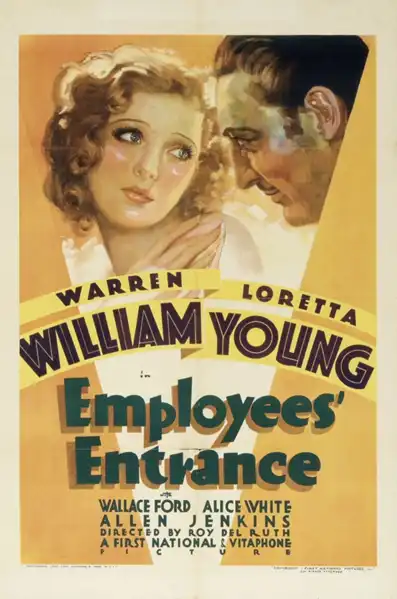
IMDb 7.2
1933
Community
Log in to comment.