DbcultAccessing Vault...
2/10
Senior Film Conservator
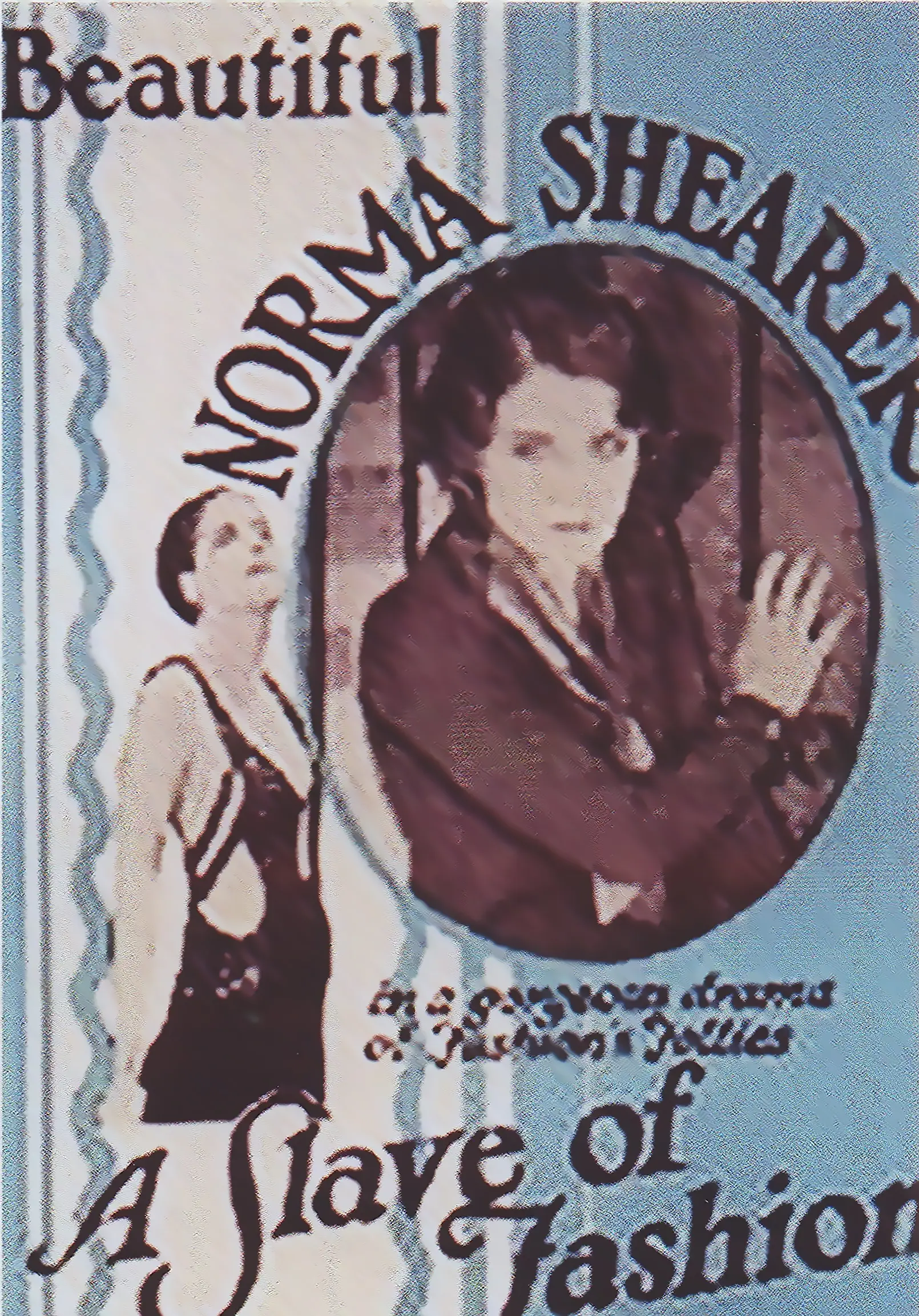
A definitive 2/10 rating for a film that redefined the boundaries of cult cinema. A Slave of Fashion remains a cornerstone of transgressive art.
The silent era was never merely about the absence of sound; it was about the overwhelming presence of the visual, a time when a single fold of silk or the arch of a brow carried the weight of a thousand monologues. A Slave of Fashion (1925) stands as a shimmering testament to this aesthetic obsession. It is a film that captures the zeitgeist of the Roaring Twenties—a period defined by a desperate, almost manic, pursuit of beauty and status. At its heart is Norma Shearer, an actress who would soon become the 'Queen of MGM,' but here, she is something more raw: a conduit for the collective American yearning to escape the mundane.
The narrative engine of A Slave of Fashion is fueled by a moral ambiguity that feels surprisingly modern. Katherine Emerson’s decision to usurp a dead woman’s life following a train wreck isn’t presented as a villainous act, but as a survivalist’s grab for the aesthetic sublime. In many ways, this film mirrors the thematic preoccupations seen in The Branded Woman, where social standing and the perception of purity dictate a woman's destiny. However, Katherine is less concerned with moral purity than she is with the texture of her surroundings. She is a woman who would rather be a magnificent fraud than a genuine nobody.
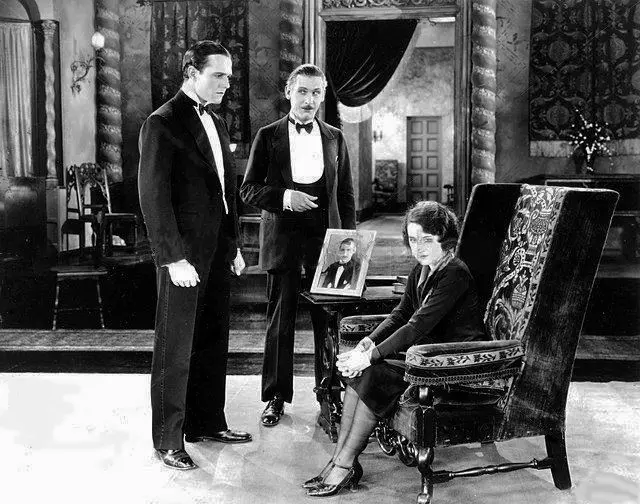
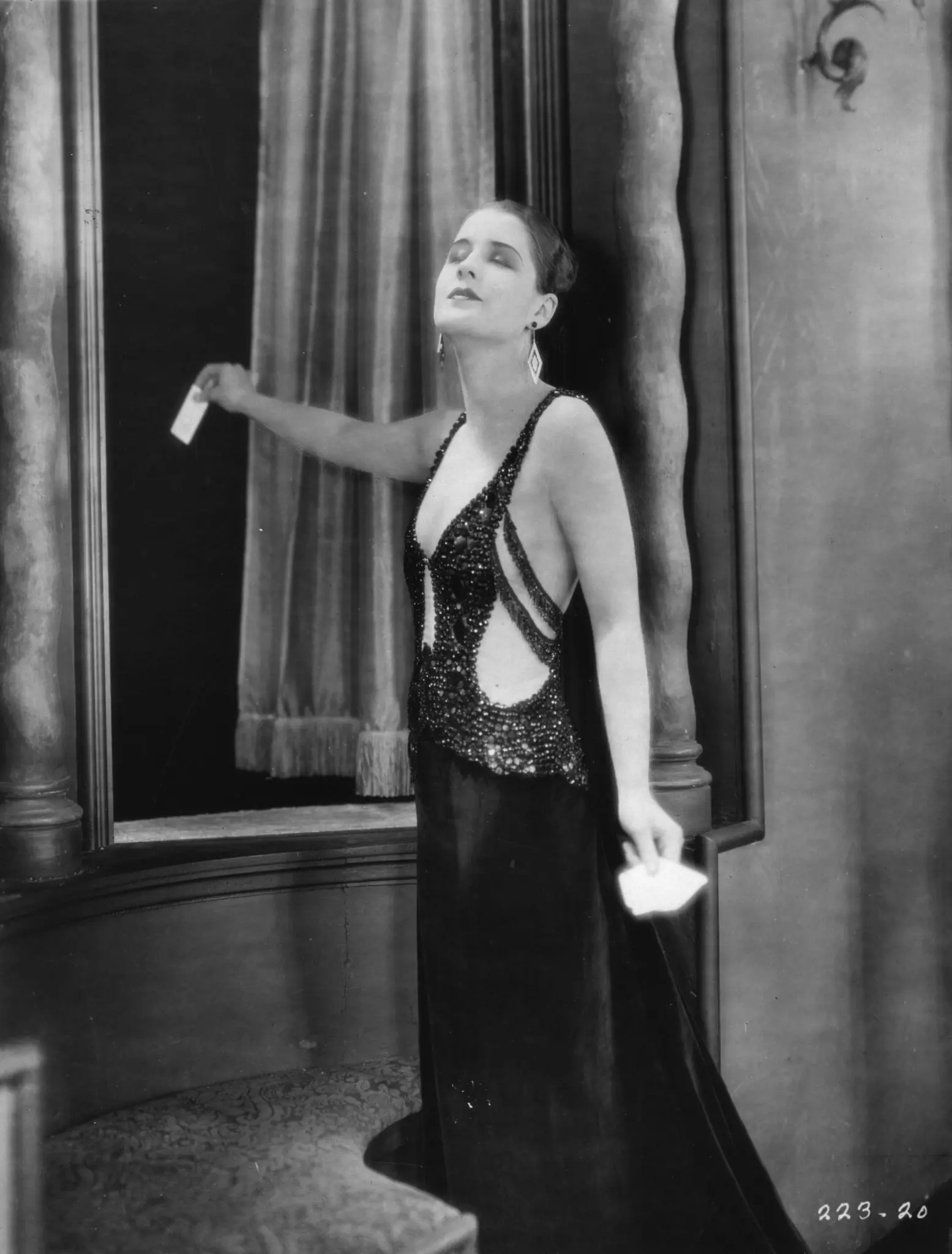
When she enters the Wentworth apartment, the film shifts from a survival drama into a high-stakes comedy of manners. The production design here is exquisite, a masterclass in silent film set decoration that emphasizes the contrast between Katherine’s Iowan roots and the art deco sophistication of New York. The apartment is not just a setting; it is a character—a silent accomplice in her grand deception. It represents the 'good things in life' that Katherine has hungered for, a physical manifestation of the American Dream that is often explored in films like Broadway Gold.
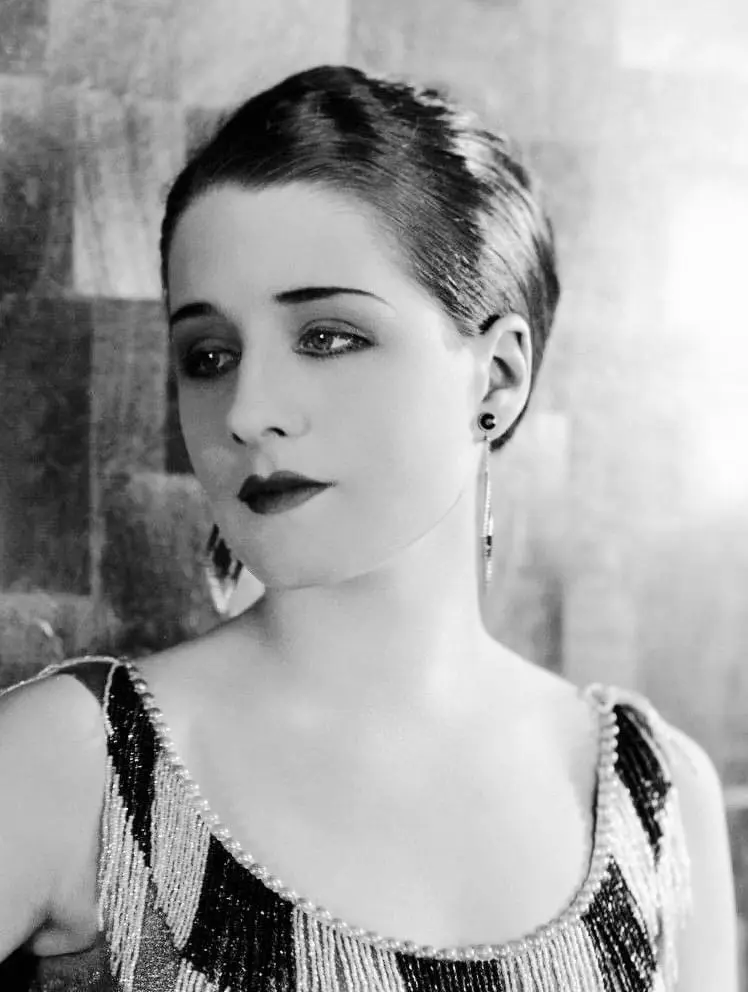
Norma Shearer’s performance is a revelation of nuance. In an era where pantomime often veered into the grotesque, Shearer maintains a luminous restraint. Her Katherine is a woman constantly calculating, her eyes betraying the terror of discovery even as her posture exudes the confidence of the elite. It is fascinating to watch her navigate the arrival of her family. The tension is palpable, reminding one of the domestic claustrophobia found in Married in Name Only. She isn't just lying to her parents; she is performing a version of herself that she desperately wants to believe is real.
The chemistry between Shearer and Lew Cody, who plays the rightful owner Nicholas Wentworth, provides the film's most electric moments. Cody plays Wentworth with a feline grace, a man who is clearly more intrigued by Katherine’s audacity than he is offended by her intrusion. His decision to play along, to make her 'miserable' by forcing her to maintain the charade, is a classic trope of the era, yet it is executed with a sophisticated wit that keeps it from feeling dated. Their dynamic is a precursor to the screwball comedies of the 1930s, a battle of the sexes where the ultimate prize is mutual respect disguised as romantic conquest.
The screenplay, penned by the formidable trio of Bess Meredyth, Jane Murfin, and Samuel Shipman, is remarkably tight. Meredyth and Murfin were pioneers in an industry that was still defining its own vernacular, and their influence is evident in the film’s sharp social commentary. They don’t shy away from the transactional nature of marriage or the hollow core of the fashion industry. The title itself, A Slave of Fashion, is a double-edged sword. Is Katherine a slave to the clothes, or is she using the clothes to enslave the world around her? This interrogation of female agency is a common thread in Meredyth’s work, often echoing the darker psychological undertones of The Isle of the Dead in its exploration of isolation and assumed roles.
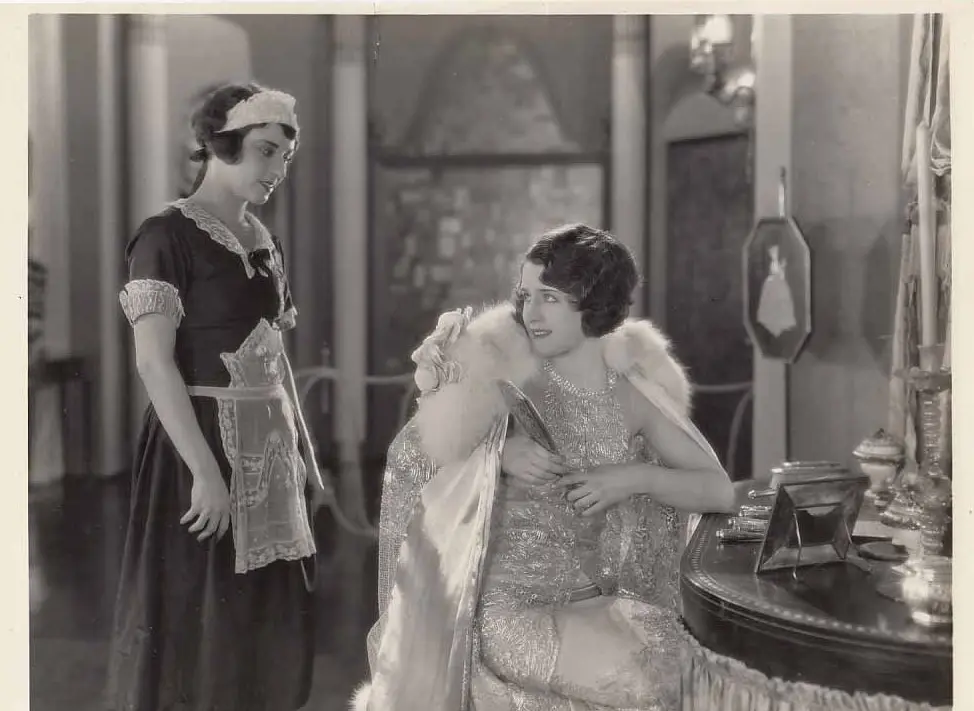
The supporting cast adds layers of texture to the narrative. Joan Crawford, in one of her earliest roles, offers a glimpse of the magnetism that would soon make her a legend. Even in a minor capacity, her presence is felt, contributing to the film’s atmosphere of burgeoning stardom and youthful ambition. The inclusion of veterans like Mary Carr and James Corrigan as the Emerson parents provides the necessary groundedness, their traditionalist anxieties serving as a foil to the glitzy artifice of the city. Their presence creates a sense of impending doom, much like the looming threats in Trapped by the London Sharks, though here the 'sharks' are social expectations rather than literal criminals.
Technically, the film is a triumph of the mid-20s studio system. The cinematography captures the shimmering surfaces of the era—the pearls, the polished wood, the champagne bubbles—with a clarity that feels almost tactile. There is a specific shot of Katherine draped in a fur-trimmed coat, looking out over the Manhattan skyline, that encapsulates the entire theme of the movie: the loneliness of the summit. It’s a visual echo of the longing found in The Shuttle, where the physical journey across borders is secondary to the internal journey toward self-actualization.
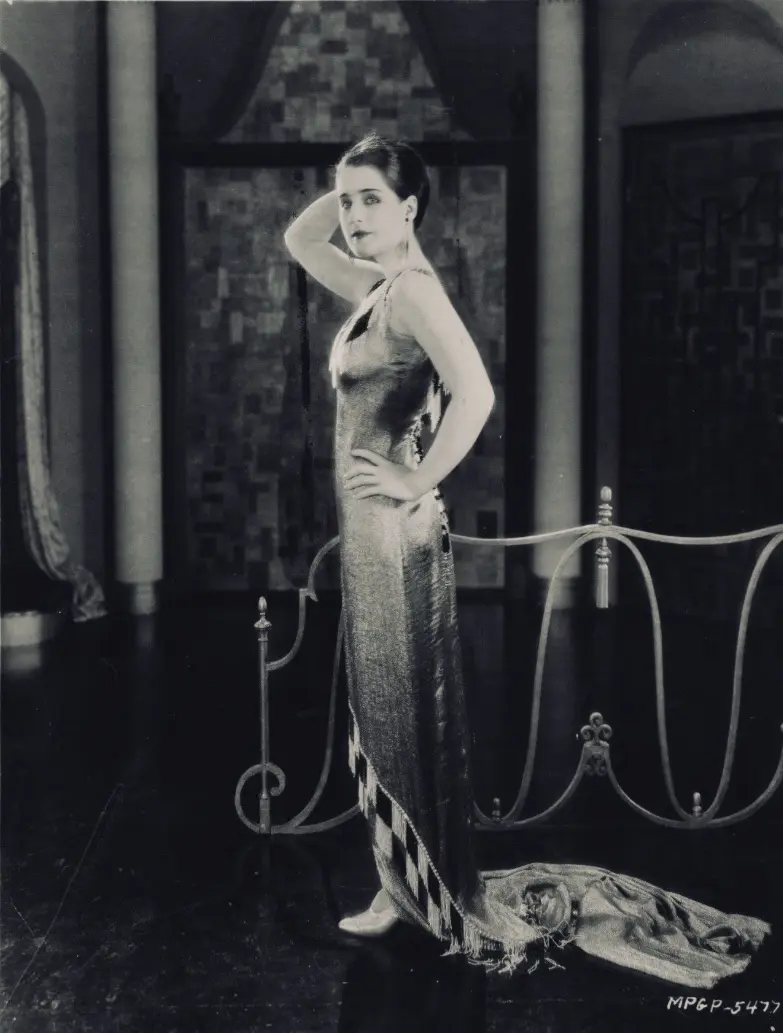
The pacing is brisk, avoiding the turgid melodrama that often plagued lesser silent films like A False Alarm. Instead, director Hobart Henley keeps the focus on the psychological interplay between the characters. He understands that the real action isn't in the train wreck—which is handled with surprising grit—but in the quiet moments of Katherine deciding which mask to wear for dinner. This focus on the domestic sphere as a theater of war is something we see later in Green Eyes, though A Slave of Fashion maintains a lighter, more satirical tone.
What makes A Slave of Fashion endure is its refusal to condemn its protagonist. In many films of this period, a woman who lied and stole her way into high society would be met with a tragic end, a cinematic slap on the wrist for her transgressions. Here, the resolution is one of integration. Nicholas Wentworth doesn't punish Katherine; he recognizes her as a peer. They are both 'slaves' to the same social structures, both performers in a world that demands a high level of artifice. This conclusion is far more satisfying and complex than the moralistic endings of films like Syndig Kærlighed.
The film also serves as a fascinating historical document. It captures a moment in time when the old world of the Emerson family was being irrevocably swallowed by the new world of the city. It’s a transition reflected in the very medium of film itself, as it moved from the simple stories of The Runt or Seven Bald Pates toward the sophisticated, urban narratives that would define the next two decades. Even the absurdist elements of the plot, which might seem far-fetched today, are grounded in a very real 1920s belief in the possibility of self-reinvention. In a world that felt like it had just been reborn after the Great War, why couldn't an Iowa girl become a Manhattan princess through sheer force of will and a stolen invitation?
In the broader context of silent cinema, A Slave of Fashion is often overshadowed by the grand epics like Christopher Columbus or the slapstick chaos of Loose Lions. Yet, its contribution to the 'woman’s film' genre is immeasurable. it provides a blueprint for the sophisticated heroine—the woman who uses her intellect and her aesthetic sense to navigate a world designed to keep her in her place. It is a film that celebrates the transformative power of style, while acknowledging the heavy price of the masks we wear.
Ultimately, A Slave of Fashion is a masterwork of tone and texture. It invites us to revel in the beauty of the deception while never losing sight of the human heart beating beneath the couture. It’s a reminder that fashion is never just about clothes; it’s about the stories we tell ourselves to survive the silence of our own lives. Whether you are a devotee of silent film or a student of social history, this film offers a rich, multi-layered experience that remains as vibrant and relevant today as it was in 1925. It doesn't need the slapstick of Sadhu Aur Shaitan or the pastoral simplicity of In a Naturalist's Garden; it finds its own unique garden in the concrete and silk of New York City, and it invites us all to step inside, provided we’re wearing the right shoes.
A Slave of Fashion is a glittering, cynical, and ultimately romantic exploration of the American identity at a crossroads. Norma Shearer delivers a performance of incredible depth, proving that even in silence, her voice was one of the most powerful in Hollywood. A must-watch for anyone who believes that style is the ultimate form of substance.
IMDb —
1917
Community
Log in to comment.