DbcultAccessing Vault...
Cult Review
Senior Film Conservator
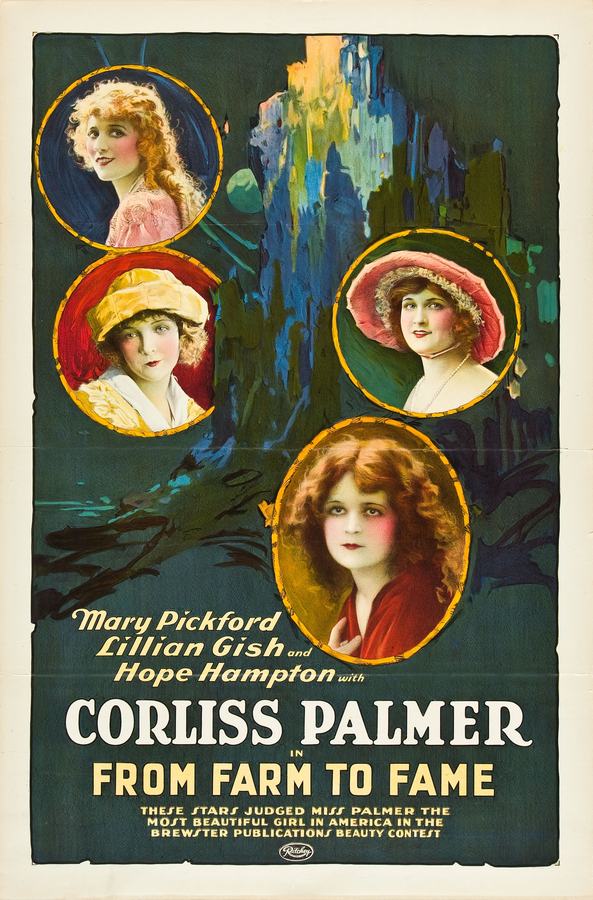
The cinematic landscape of the 1920s was a transformative period, marked by the rise of comedic films that would leave an indelible mark on the industry. From Farm to Fame, a two-reel comedy released in 1920, is a quintessential example of this genre, featuring Corliss Palmer, the First Prize Winner of the 1920 Fame and Fortune Contest, alongside a plethora of talented women, including Allene Ray, Hope Hampton, and Lillian Gish. As the film navigates the lives of these aspiring stars, it raises intriguing questions about the nature of fame, the role of women in entertainment, and the societal pressures that shape their journeys.
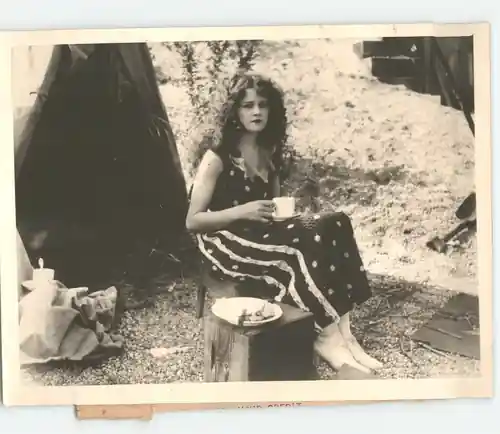
One of the most striking aspects of From Farm to Fame is its unique blend of comedy and social commentary. The film's lighthearted tone, infused with a dark orange hue of satire, cleverly critiques the societal norms of the time, while also celebrating the talents of its female cast. This delicate balance is a testament to the film's writers, who have woven together a narrative that is both entertaining and thought-provoking. In comparison to other films of the era, such as Father and Son and Jiggs and the Social Lion, From Farm to Fame stands out for its innovative approach to storytelling and its unwavering commitment to showcasing the talents of its female leads.
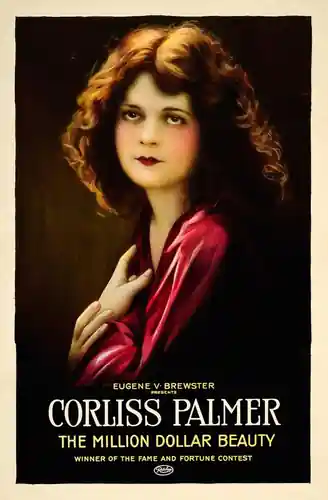
The film's cast, comprising over 1000 women, is a veritable who's who of early 20th-century entertainment. Corliss Palmer, the winner of the 1920 Fame and Fortune Contest, shines brightly alongside her co-stars, including Allene Ray, who would go on to become a prominent figure in the film industry. The presence of Hope Hampton and Lillian Gish, both renowned actresses of the time, adds a touch of yellow gold to the film's already impressive roster. As the story unfolds, the audience is treated to a fascinating glimpse into the lives of these women, each with their own unique struggles and triumphs. In this regard, From Farm to Fame can be seen as a precursor to films like The Porters and Rip Roaring Rivals, which also explored the complexities of female relationships and the challenges faced by women in the entertainment industry.
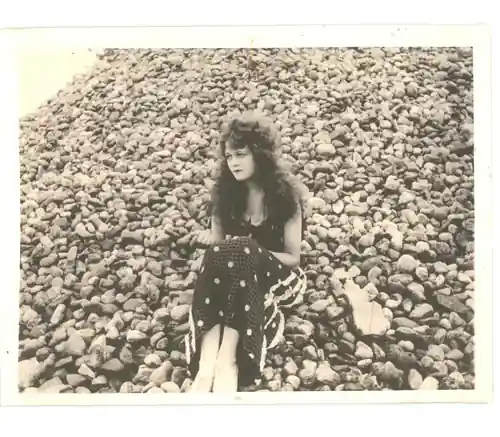
The historical context in which From Farm to Fame was released is also noteworthy. The 1920s were a time of great social change, with the rise of feminism and the increasing participation of women in the workforce. The film's portrayal of strong, independent women, each with their own distinct personalities and aspirations, reflects this shift in societal attitudes. In contrast to films like Manden med Staalnerverne and Kärlek och björnjakt, which often relegated women to secondary roles, From Farm to Fame places its female cast front and center, celebrating their talents and agency. This sea blue thread of feminist ideology runs throughout the film, adding a layer of depth and complexity to its narrative.
In terms of its technical merits, From Farm to Fame is a film that has stood the test of time. The cinematography, although rudimentary by modern standards, captures the essence of the era, with its grainy texture and muted color palette. The editing, too, is noteworthy, with a frenetic pace that adds to the film's comedic energy. When compared to other films of the era, such as The Masked Heart and The Haunted Castle, From Farm to Fame demonstrates a remarkable level of technical proficiency, considering the limited resources available at the time.
As the film draws to a close, the audience is left to ponder the lasting impact of From Farm to Fame on the cinematic landscape. While it may not be as well-known as some of its contemporaries, such as The World Aflame or The End of the Road, this two-reel comedy has left an indelible mark on the industry. Its influence can be seen in films like The Beautiful Gambler and A Wild Girl of the Sierras, which also explored the complexities of female relationships and the challenges faced by women in the entertainment industry. As a testament to the power of comedy to transcend time and circumstance, From Farm to Fame remains a vital and engaging film, one that continues to delight audiences with its unique blend of humor and social commentary.
In conclusion, From Farm to Fame is a film that defies easy categorization. It is a comedy, a drama, and a social commentary, all rolled into one. With its talented cast, innovative storytelling, and technical proficiency, it is a must-see for anyone interested in the history of cinema. As we reflect on the film's legacy, it is clear that From Farm to Fame has left a lasting impact on the industry, paving the way for future generations of female filmmakers and comedians. As such, it remains an essential part of our cinematic heritage, a reminder of the power of comedy to inspire, to educate, and to entertain.
IMDb 4.3
1917
Community
Log in to comment.