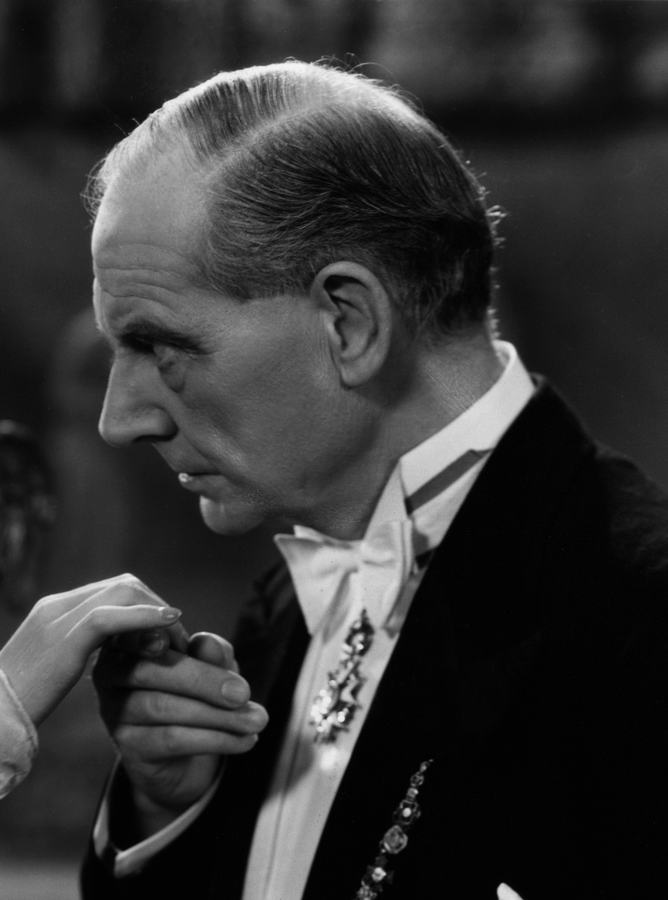
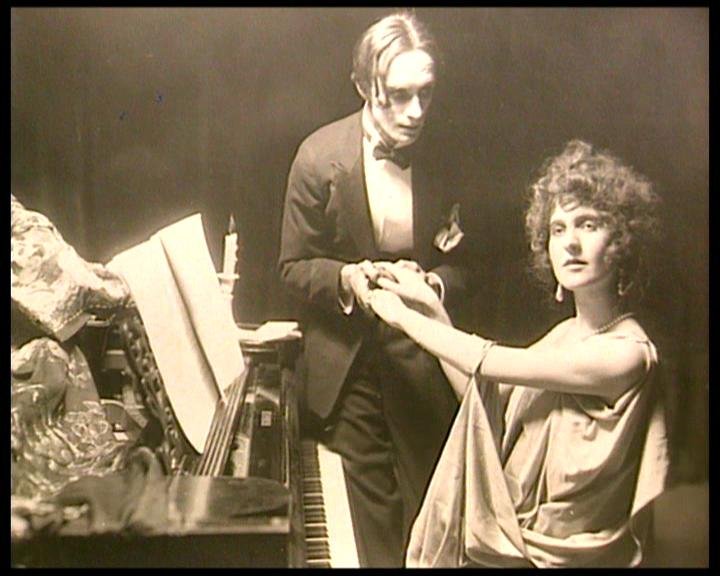
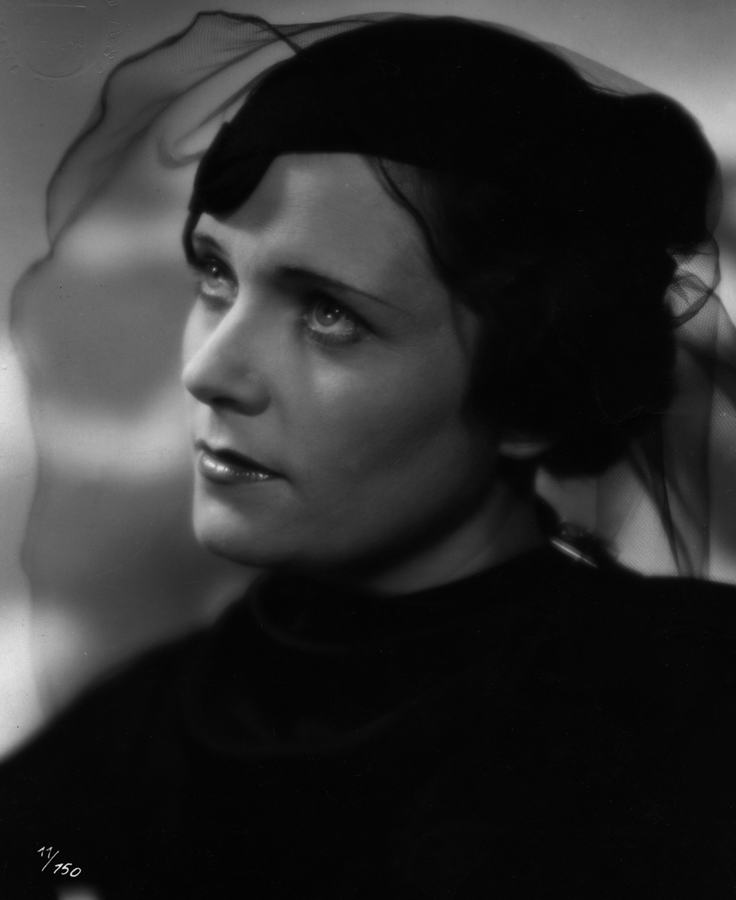
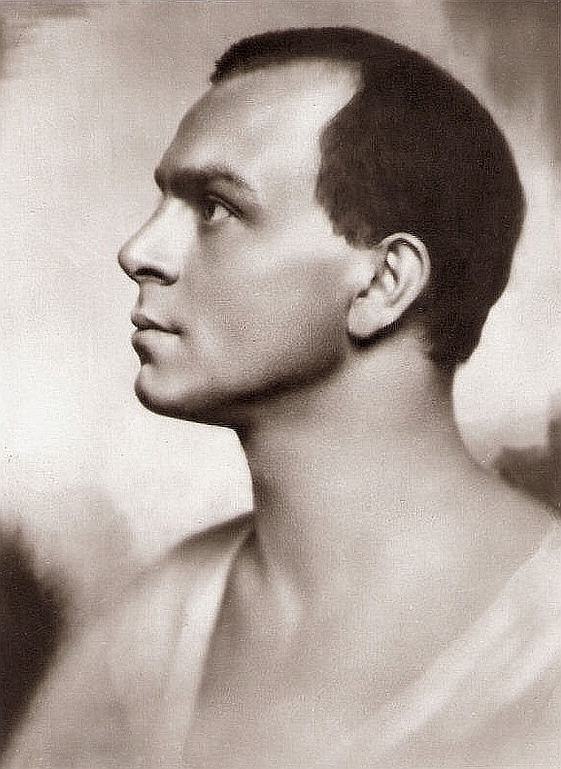
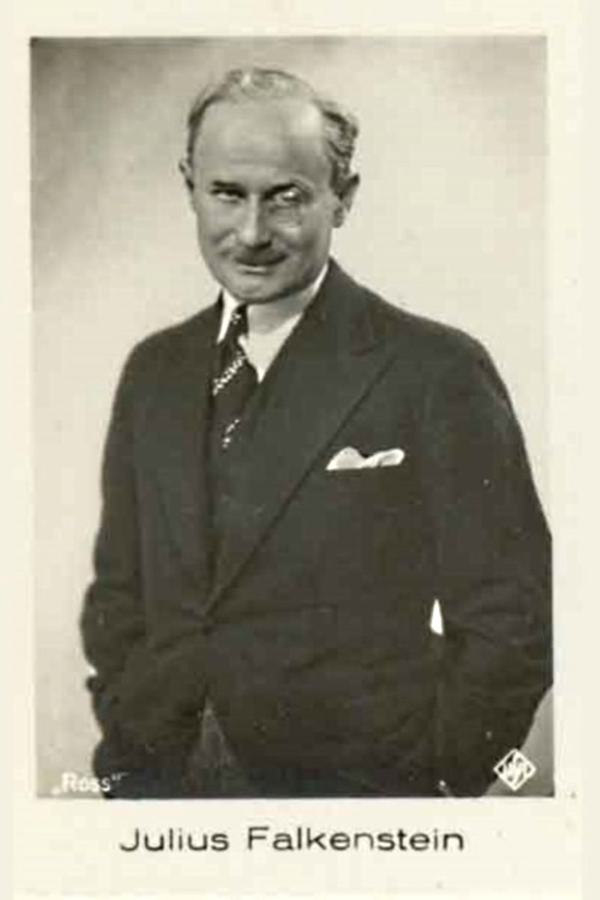
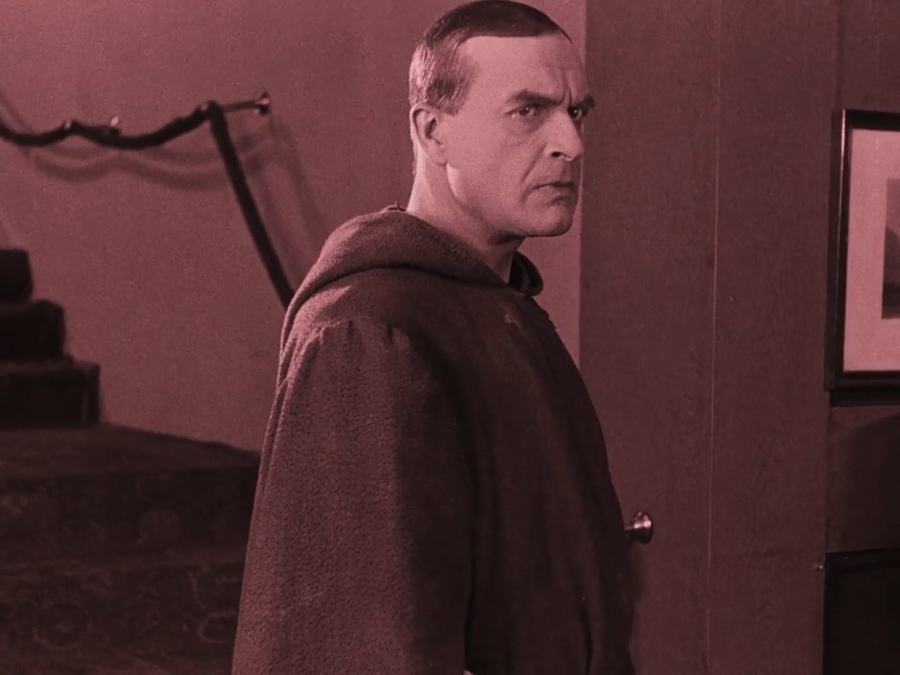
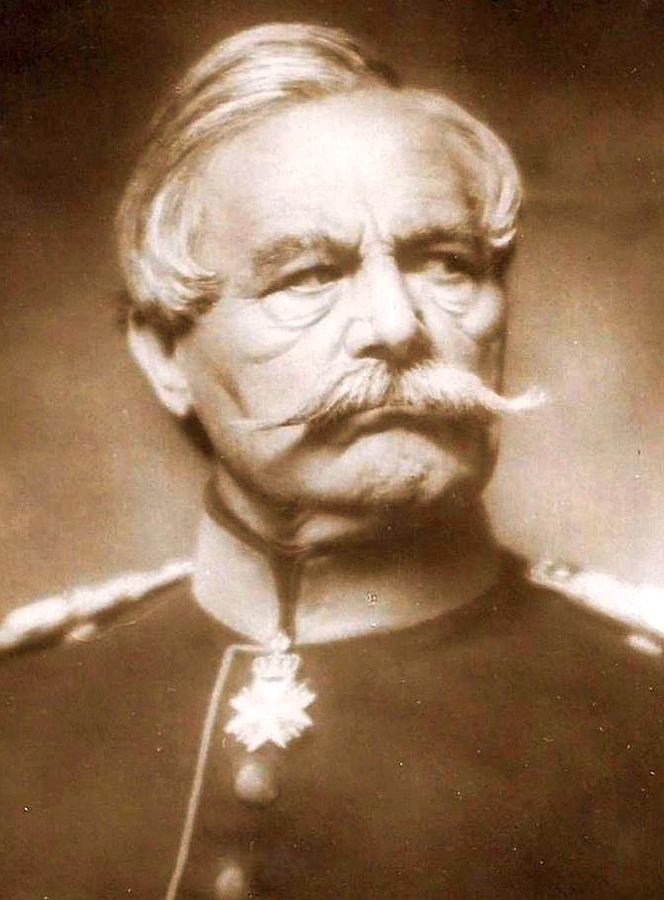
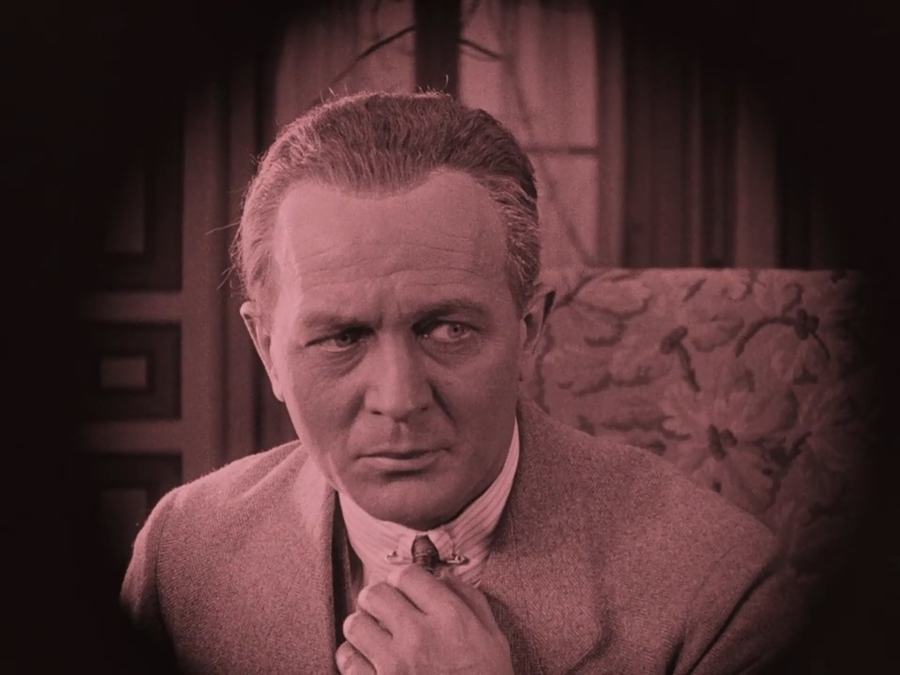
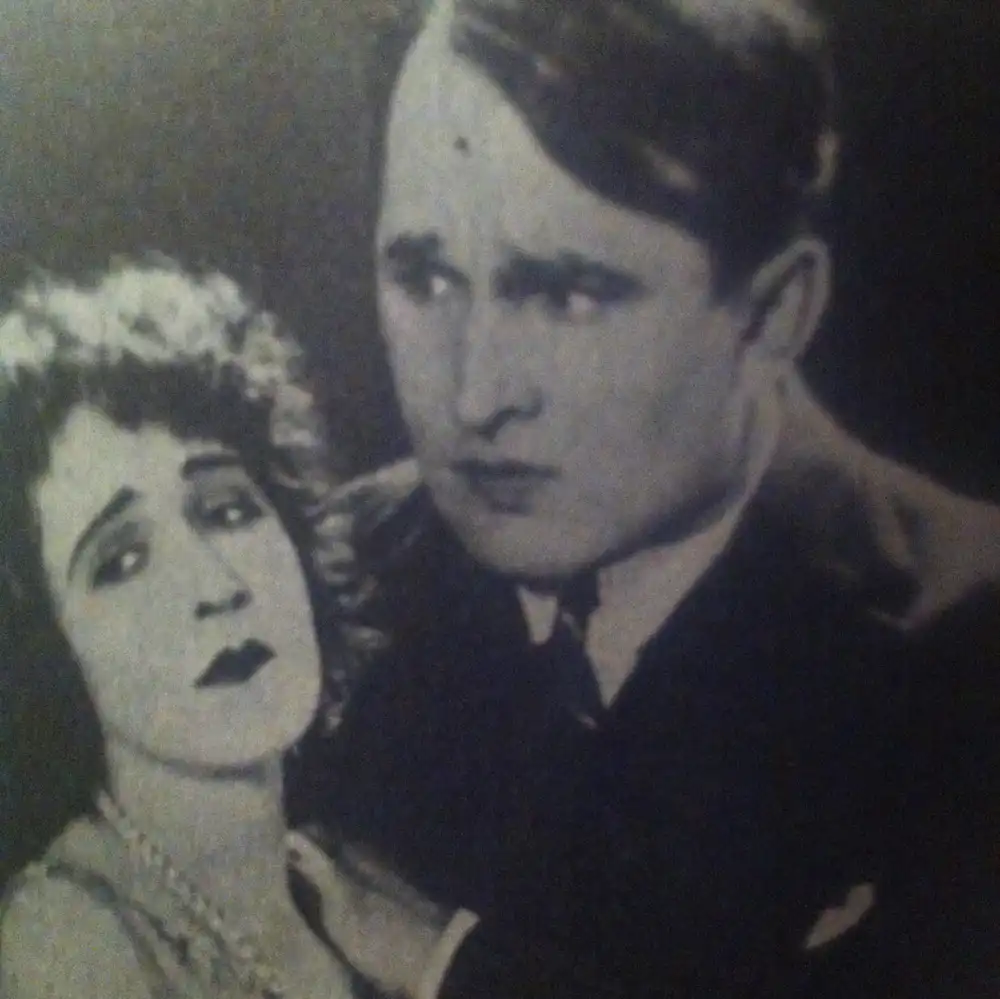
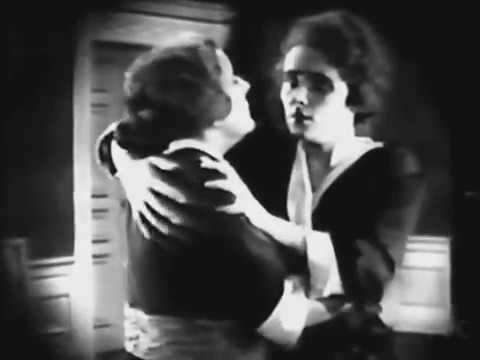
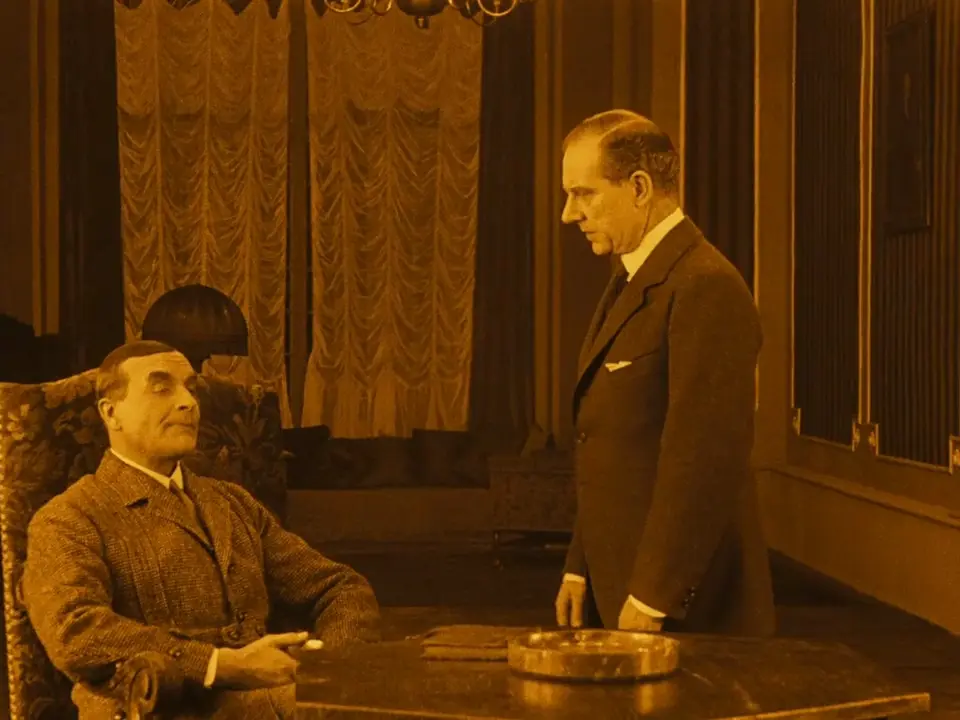
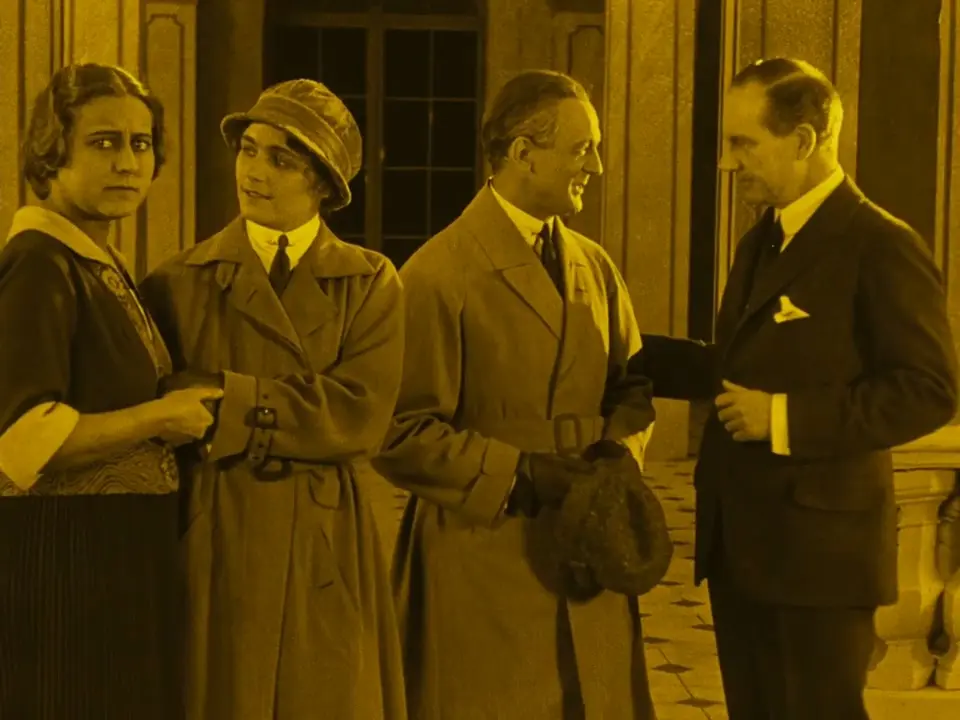
In the castle Vogeloed, a few aristocrats are awaiting baroness Safferstätt. But first Count Oetsch invites himself.
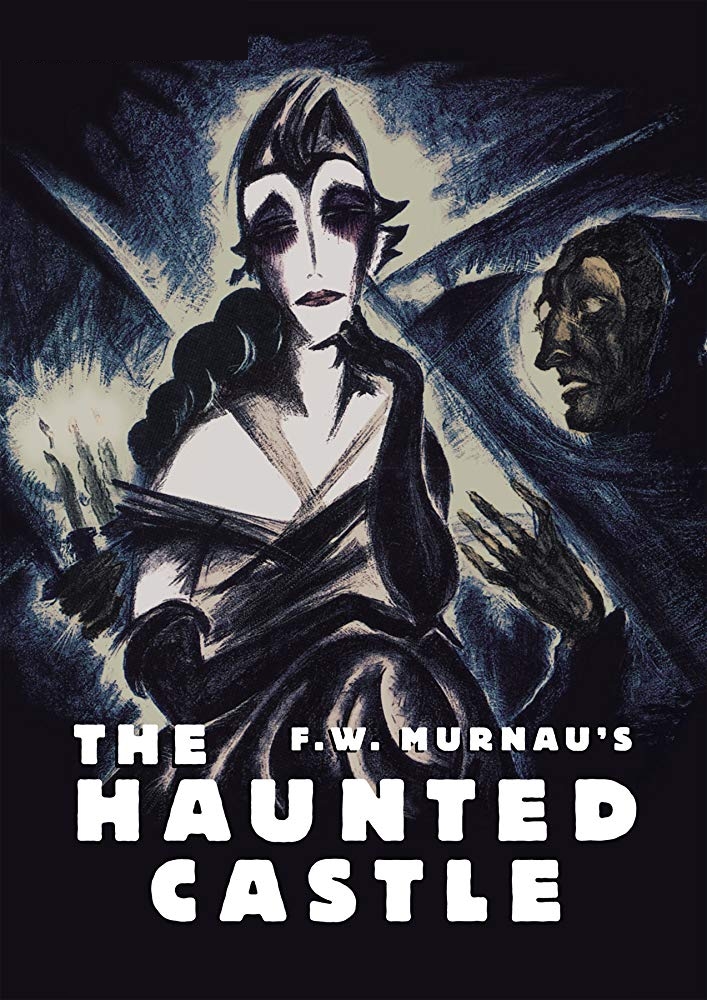
Somewhere between the first flicker of candlelight on wet stone and the moment a gloved hand locks a nursery door, The Haunted Castle stops being a quaint Weimar curio and becomes an uninvited guest inside your skull. F.W. Murnau shot this 1921 chamber piece months before Nosferatu sucked the world’s blood supply, y...
Comparing the cinematic DNA and archive impact of two defining moments in cult history.
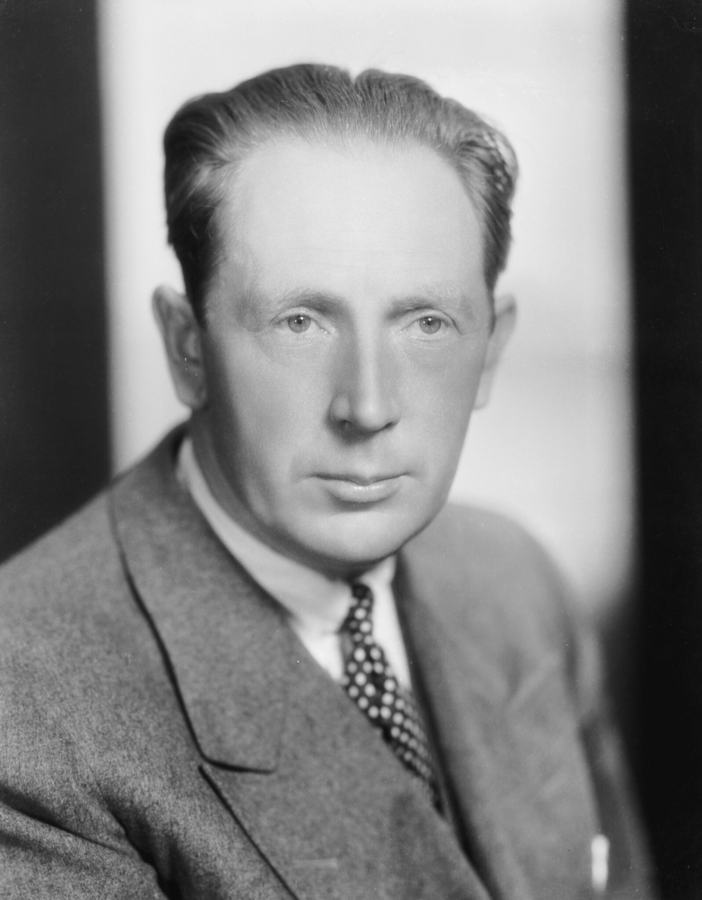
F.W. Murnau
F.W. Murnau
Community
Log in to comment.
" Somewhere between the first flicker of candlelight on wet stone and the moment a gloved hand locks a nursery door, The Haunted Castle stops being a quaint Weimar curio and becomes an uninvited guest inside your skull. F.W. Murnau shot this 1921 chamber piece months before Nosferatu sucked the world’s blood supply, yet its DNA already throbs with the director’s later obsessions: intrusive architecture, carnivorous shadows, and the queasy suspicion that every aristocrat is either a corpse-in-wa..."
Georg Zawatzky
Rudolf Stratz, Carl Mayer
Germany
Drama, Crime, Mystery
still_frame
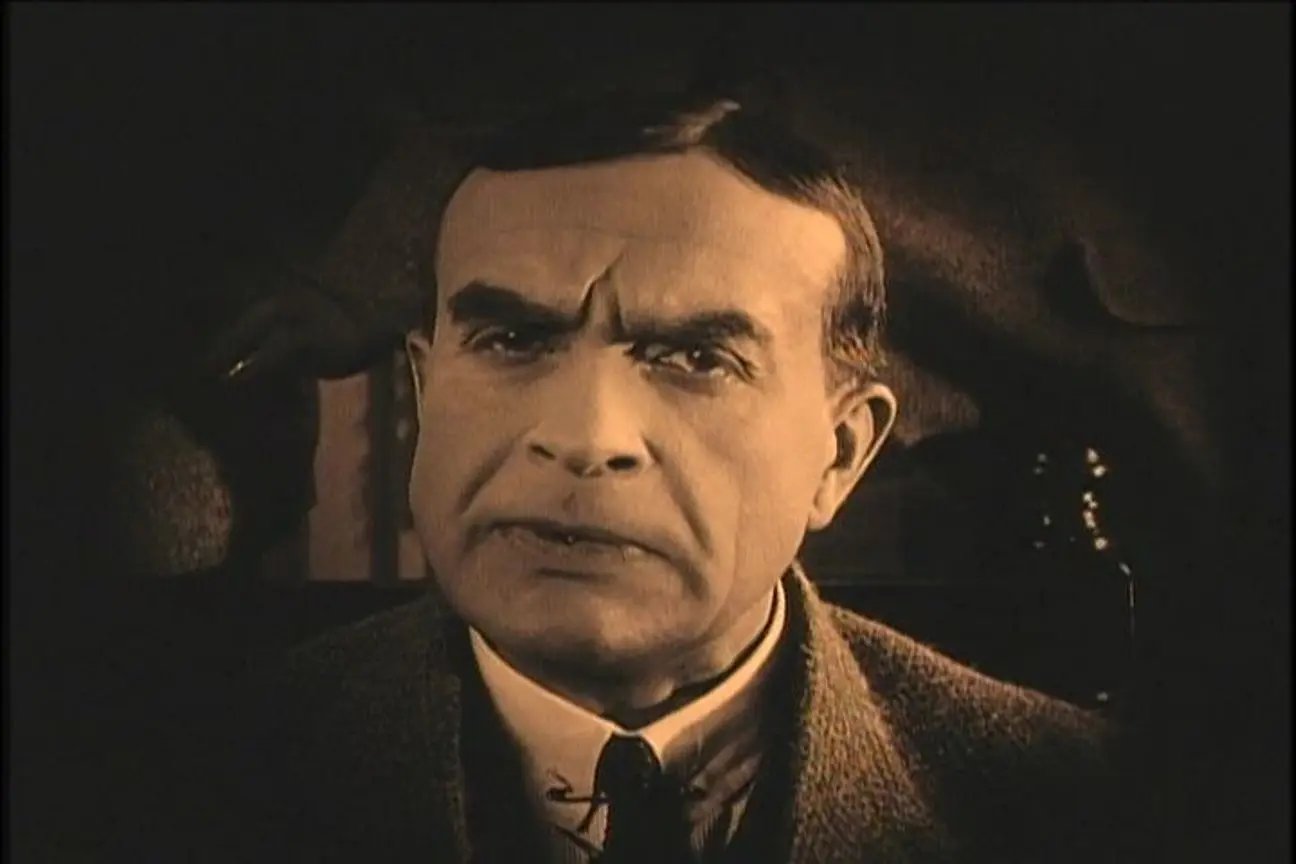
still_frame
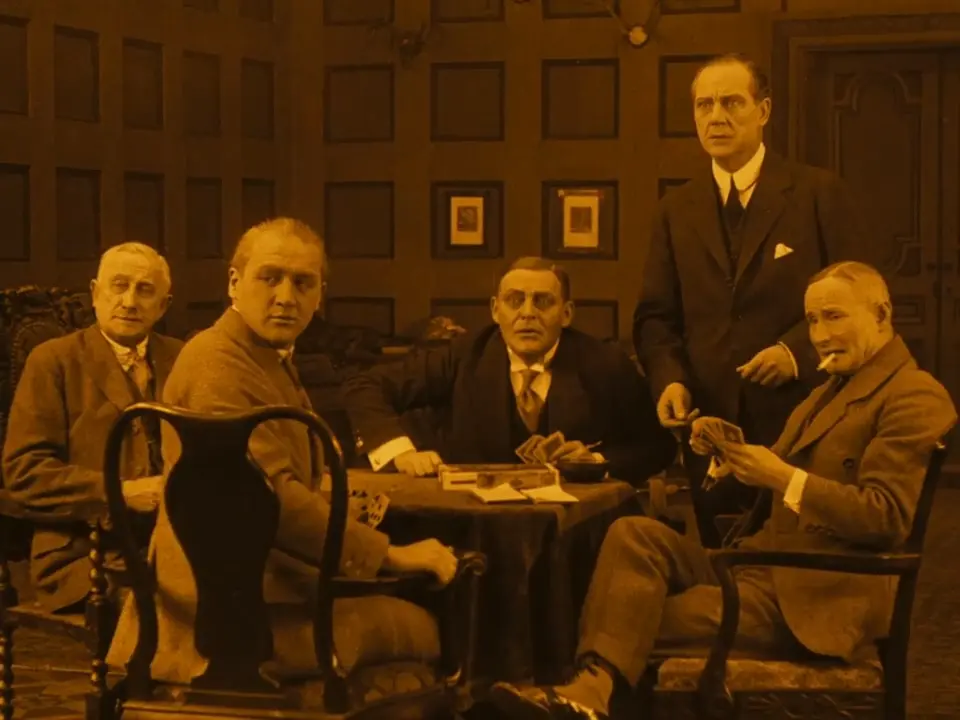
still_frame
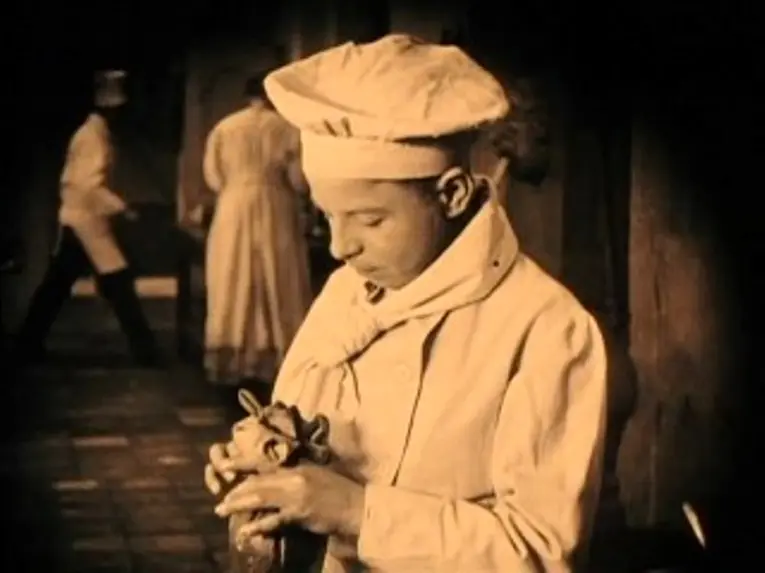
still_frame
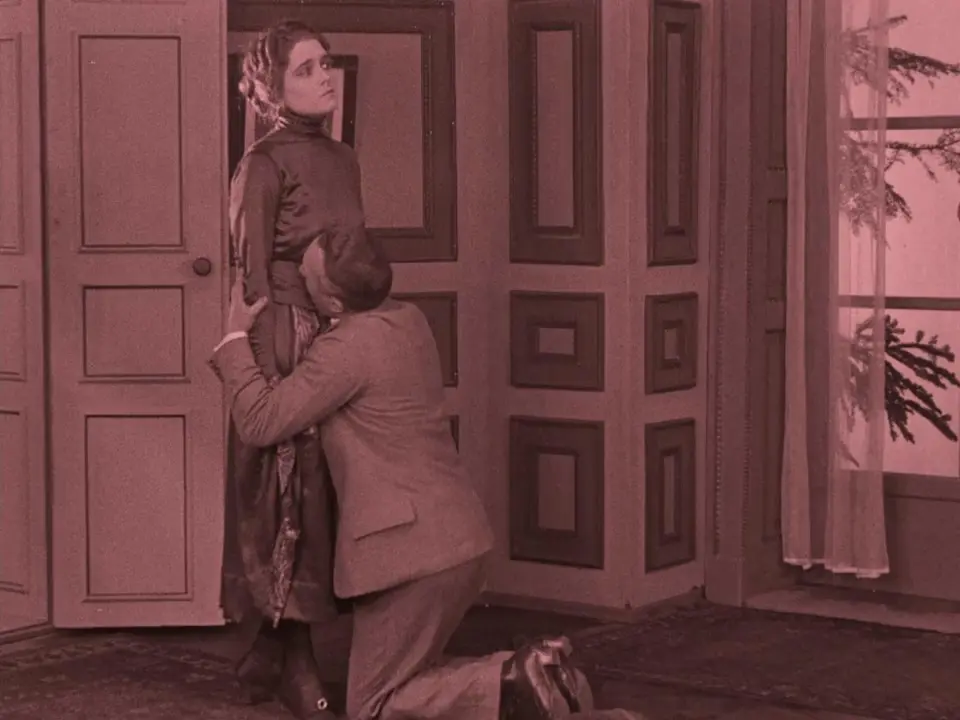
still_frame
still_frame
still_frame
still_frame
Deep dive into the cult classic
Discover similar cinematic experiences
A Directorial Spotlight on F.W. Murnau