DbcultAccessing Vault...
Cult Review
Senior Film Conservator
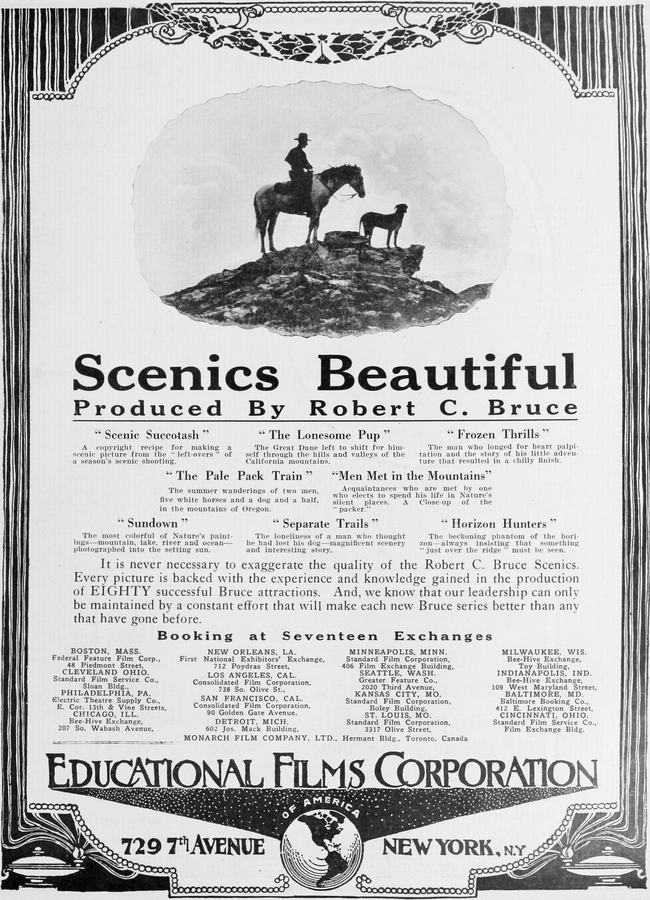
Stepping into the world of Frozen Thrills is akin to embarking on a silent pilgrimage to one of nature's most formidable cathedrals. This isn't just a film; it's a meticulously assembled visual ode to the colossal, often intimidating, beauty of Mount Rainier and its surrounding wilderness in Washington State. Robert C. Bruce, serving as both its singular visionary and its primary explorer, eschews conventional narrative structures, opting instead for an immersive, almost tactile experience of the alpine environment. The film doesn't tell a story in the traditional sense; rather, it allows the landscape to narrate its own epic saga through a series of breathtaking, unadorned tableaux. Each frame feels deliberately composed, not merely captured, transforming what could have been a simple travelogue into a profound meditation on scale, resilience, and the relentless march of geological time.
Bruce's role in Frozen Thrills is multifaceted, a testament to the pioneering spirit of early documentary filmmaking. As writer and the central, albeit often unseen, figure of the 'cast,' he is less a narrator and more a conduit, guiding the viewer's eye through a landscape that dwarfs human presence. His authorship is evident in the film's deliberate pacing, its patient observation of natural phenomena, and its unwavering focus on the sheer, unadulterated grandeur of the Pacific Northwest's crown jewel. It speaks volumes about an artist's profound connection to his subject matter when the lines between filmmaker and participant blur so seamlessly. Bruce doesn't just present Mount Rainier; he seems to commune with it, drawing out its inherent drama and quiet majesty with a naturalist's precision and a poet's soul. The film, therefore, becomes a direct extension of his singular vision, a personal testament to the power of wilderness.
This highly personal approach is what elevates Frozen Thrills beyond a mere geographical survey. It's a curated journey, filtered through an individual's deep appreciation for the natural world. Bruce's choices in framing, perspective, and the duration of each shot reveal an understanding of how to evoke emotion and wonder without relying on dialogue or dramatic contrivance. One can almost feel the crisp, thin air, hear the subtle crunch of snow underfoot, and sense the vast, echoing silence that permeates these high-altitude realms. The film is a masterclass in visual storytelling where the story is the landscape itself, rendered with an almost spiritual reverence. It invites introspection, urging viewers to consider their own place within such immense, ancient natural systems, a feat few purely narrative films can achieve with such minimalist grace.
The cinematography of Frozen Thrills is its most potent tool, a testament to the enduring power of the moving image to capture and convey the sublime. Bruce meticulously frames the colossal edifice of Mount Rainier, showcasing its glaciers, its ancient forests, and its rugged, unforgiving terrain with a painterly eye. We are treated to sweeping panoramic vistas that emphasize the sheer scale of the peak, contrasting sharply with close-ups of delicate alpine wildflowers or the intricate patterns of ice crystals. The play of light across these surfaces, from the stark glare of midday sun on snowfields to the softer hues of dawn and dusk, is captured with an artistry that underscores the dynamic, ever-changing nature of the environment. The film becomes a kind of cinematic cartography, mapping not just the physical contours of the land but also its atmospheric shifts and its hidden, subtle beauties.
There's an undeniable pioneering spirit embedded in these visuals. Imagine the logistical challenges of capturing such footage in that era, navigating treacherous terrain with cumbersome equipment. This adds another layer of appreciation for Bruce's dedication and skill. The clarity and composition of these shots are remarkable, transporting the viewer directly into the heart of the wilderness. One can almost feel the biting wind, the invigorating chill, and the sheer exhilaration of standing in the presence of such raw, untamed power. The absence of a conventional soundtrack, typical for films of its possible vintage, paradoxically amplifies the sensory experience, forcing the viewer to imagine the sounds of the wind, the trickling meltwater, and the profound silence of the high altitudes, thereby engaging the imagination on a deeper level.
In an era saturated with hyper-edited, sound-rich experiences, Frozen Thrills offers a refreshing counterpoint through its reliance on visual poetry and the implied grandeur of silence. The film's pacing allows for extended contemplation of each scene, fostering a meditative connection with the landscape. This deliberate slowness is not a flaw but a strength, demanding patience from the viewer, which is richly rewarded with a deeper appreciation for the nuanced details of the wilderness. The glaciers, often depicted as static behemoths, are shown to be dynamic entities, slowly carving out valleys, their surfaces shifting and glistening under the relentless sun. The film captures the essence of geological processes unfolding over timescales that dwarf human existence, instilling a sense of humility and awe.
The profound impact of Frozen Thrills lies in its ability to evoke the ineffable. It speaks to the ancient, primal part of us that recognizes the power and beauty of untouched nature. The film's focus on Mount Rainier is not merely geographic; it's an exploration of the very concept of wilderness – its untameable spirit, its cyclical rhythms of life and death, and its capacity to inspire both fear and reverence. Bruce’s lens acts as a portal, inviting us to witness a world largely unchanged by human intervention, a stark reminder of what once was and what, with concerted effort, might still be preserved. It's a visual sermon on the sanctity of the natural world, delivered with quiet conviction and breathtaking imagery.
What distinguishes Frozen Thrills from a straightforward documentary is its underlying philosophical current. It prompts questions about humanity’s relationship with the natural world, the allure of the wild, and the ephemeral nature of our own existence against the backdrop of geological eternity. The vastness of the landscapes presented often places the viewer in a position of humble observer, diminishing the human ego and amplifying the majesty of the Earth. It's an experience that resonates deeply, suggesting that true 'thrills' are not always found in manufactured drama but in the profound, unadulterated spectacle of nature itself. The film is a powerful argument for preservation, not through overt advocacy, but through the sheer, undeniable beauty it so eloquently displays.
The enduring relevance of Frozen Thrills in today's context, where climate change and environmental degradation are pressing concerns, cannot be overstated. It serves as a historical document, a visual time capsule of Mount Rainier's wilderness, allowing us to reflect on changes that have occurred since its creation. More importantly, it acts as a timeless reminder of the inherent value of such natural treasures, urging a renewed sense of stewardship. The film's power lies in its ability to transcend its original purpose as a mere travelogue, evolving into a poignant testament to the fragility and resilience of our planet's most spectacular ecosystems. It's a call to conscious appreciation, a visual sermon delivered with quiet, unyielding power.
Robert C. Bruce’s singular achievement with Frozen Thrills is its capacity to forge an intimate connection between the viewer and the formidable landscape of Mount Rainier. The film is a masterclass in visual storytelling, where the grandeur of nature is allowed to speak for itself, unencumbered by excessive narration or dramatic human intervention. It offers a rare opportunity to witness a pristine environment through the eyes of someone deeply captivated by its essence, someone willing to brave the elements to bring its splendor to a wider audience. The deliberate pacing, the exquisite framing, and the sheer audacity of its ambition make it a standout piece in the canon of nature documentaries, particularly for its era.
This film is more than a historical curiosity; it is a vibrant, living document that continues to resonate with contemporary audiences. Its aesthetic choices, particularly the emphasis on long takes and wide shots, create a sense of immersion that is often lost in modern, fast-paced filmmaking. By allowing the viewer to linger on a vista, to absorb the intricate details of a glacial crevasse or a snow-laden forest, Bruce cultivates a profound sense of presence. The experience is almost meditative, prompting a deep, internal reflection on the sheer power and tranquility of the natural world. It's a film that doesn't just show you a place; it invites you to feel it, to experience its elemental force.
The legacy of Frozen Thrills lies in its unyielding dedication to its subject. It stands as a powerful reminder of the artistic potential within seemingly simple forms like the travelogue. It proves that with a keen eye, a patient hand, and a profound respect for nature, a filmmaker can craft an experience that is both educational and deeply moving. It is a work that champions the untamed, the wild, and the magnificent, leaving an indelible impression on the viewer's consciousness. The film doesn't merely document; it celebrates, it inspires, and it implores us to cherish the dwindling pockets of true wilderness that remain on our planet. It’s a timeless piece, as enduring and majestic as the mountain it so lovingly portrays.
In its essence, Frozen Thrills is an invitation to embark on an internal expedition, guided by the visual poetry of Robert C. Bruce. It’s a film that resonates long after the final frame, its images of towering peaks and glistening glaciers etched into the mind's eye. It speaks to a universal human yearning for connection with the wild, for moments of quiet contemplation amidst the grandeur of the natural world. This isn't just a glimpse of Mount Rainier; it's a deep dive into its soul, a cinematic journey that educates, inspires, and profoundly moves. Its understated power and visual eloquence make it a truly remarkable and enduring piece of cinematic art, a vital testament to the raw, untamed splendor that still exists, waiting to be appreciated.
IMDb 7
1927
Community
Log in to comment.