DbcultAccessing Vault...
4.4/10
Senior Film Conservator
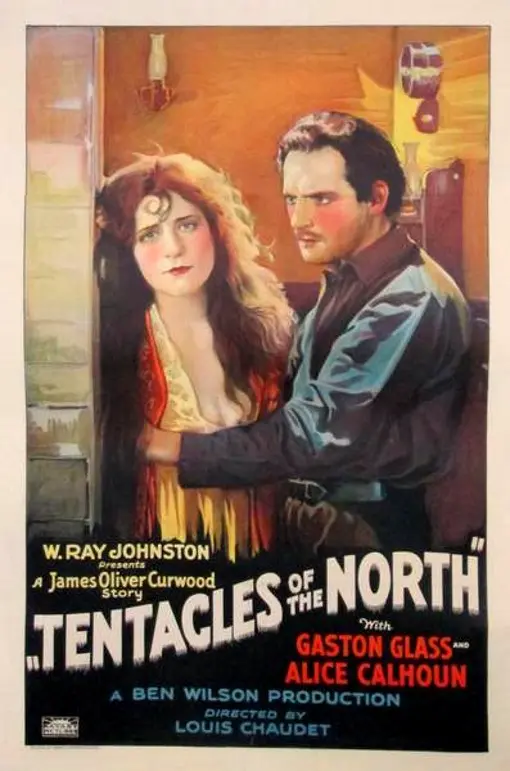
A definitive 4.4/10 rating for a film that redefined the boundaries of cult cinema. Tentacles of the North remains a cornerstone of transgressive art.
Short answer: Yes, but its strengths lie in its historical context and the struggle for survival, not as a modern blockbuster. This film is for those who appreciate early silent cinema and stories set in extreme environments. It is not for fans of modern, high-budget thrillers.
This film works because: It captures the raw and unyielding nature of the Arctic, a setting that both terrifies and enthralls. The acting, though hampered by the era of silent films, is earnest and committed, especially from Alice Calhoun and Al Ferguson. The cinematography, while basic, manages to evoke the stark beauty and danger of the Arctic ice.
This film fails because: The pacing is uneven, with too much exposition interspersed with moments of tension. The dialogue, when spoken, is often stilted and difficult to understand. The plot, while engaging, is predictable and relies heavily on the setting rather than complex character development.
You should watch it if: You have an interest in early silent films, the history of the Arctic, or survival stories. This film is a relic of a bygone era but still offers a glimpse into the human spirit’s resilience and adaptability.
Is this film worth watching today? Tentacles of the North is a fascinating piece of early silent cinema, but it’s not a must-see for everyone. Its value lies in its historical significance and the evocative portrayal of survival in the Arctic. It’s a film that demands a certain mindset to fully appreciate, but for fans of the era and the genre, it’s a worthwhile experience.
The film’s setting is perhaps its strongest aspect. The Arctic ice serves as both the antagonist and the backdrop, a vast, unforgiving landscape that threatens the characters at every turn. The cinematography captures the stark, white expanse, the jagged icebergs, and the endless twilight, all of which contribute to the film’s atmosphere. One memorable scene involves a ship stuck in the ice, its crew struggling to survive as the ice slowly encroaches, symbolizing both the dangers and the beauty of the Arctic.
The acting in Tentacles of the North is notable for its earnestness, even if it’s constrained by the limitations of silent film. Alice Calhoun and Al Ferguson deliver committed performances, their characters’ survival instincts driving the narrative. Calhoun, in particular, captures the determination and fear of a woman who must rely on her wits to stay alive. Her interactions with Ferguson, who plays a fellow survivor, are tense and filled with moments of both camaraderie and conflict, as they navigate their shared predicament.
The dialogue, when spoken, is often difficult to understand due to the era’s conventions. While the plot is generally engaging, the frequent pauses and the need for subtitles can make the film somewhat challenging to follow. The pacing is also a mixed bag, with moments of tension interrupted by lengthy scenes of exposition. This can make the film feel disjointed at times, but it also allows for a deeper exploration of the characters’ situations.
Director Joseph W. Girard’s approach to the film is largely traditional for the era, but his use of lighting and composition manages to create a sense of tension and isolation. The use of close-ups during intense moments, such as when characters are fighting for survival, adds a layer of emotion to the performances. However, the film could have benefited from a more dynamic and varied approach to pacing, which would have made the narrative more engaging.
Compared to other films of the era, such as Frank Gardiner, the King of the Road or Somewhere in Somewhere, Tentacles of the North stands out for its focus on survival in extreme conditions. It shares a similar sense of isolation and the human struggle to overcome adversity, but its setting is more extreme and its narrative more straightforward. It’s a film that tells its story through action and raw emotion rather than complex character arcs or intricate plot twists.
It works. But it’s flawed. Tentacles of the North is a film that, while not a modern masterpiece, offers a fascinating glimpse into the early days of silent cinema and the stories that were told during that era. It’s a film that demands a certain mindset and a willingness to appreciate its historical context, but for those who do, it’s a worthwhile experience. Whether you’re a fan of early silent films or simply interested in survival stories, this film has much to offer.

IMDb 6
1935
Community
Log in to comment.