DbcultAccessing Vault...
Cult Review
Senior Film Conservator
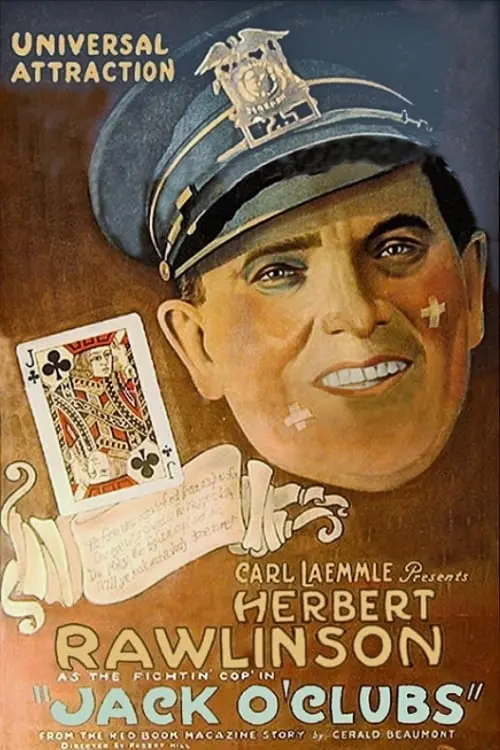
Jack O'Clubs is a gripping narrative that captures the essence of a cop's struggle for redemption and justice. Joseph W. Girard brings to life the character of Jack Foley, a policeman patrolling the city's most treacherous neighborhoods. His world is turned upside down when he inadvertently causes an injury to Tillie Miller, a woman he deeply loves. This moment of perceived failure shatters his confidence and sense of purpose.
However, Jack's journey of self-discovery and resilience is far from over. He embarks on a path of self-forgiveness and determination, driven by the desire to clear his name and protect the people he serves. The pivotal moment comes when Jack discovers that Tillie's injury was actually inflicted by the notorious gangster Spike Kennedy.
Armed with this revelation, Jack confronts Spike, leading to a tense and climactic fight that not only resolves the immediate conflict but also symbolizes the broader struggle for justice and integrity in a corrupt world. The film delves into themes of redemption, the complexities of love, and the unwavering commitment to uphold one's moral code, even in the face of overwhelming adversity.
Herbert Rawlinson brings a menacing and calculated edge to Spike Kennedy, a character that stands as a stark contrast to Jack's initial vulnerability. The chemistry between the lead actors is palpable, contributing to the film's intensity. Eddie Gribbon and Noel Stewart also deliver compelling performances, adding depth and nuance to their supporting roles.
The film's narrative structure is meticulously crafted, seamlessly blending elements of melodrama, action, and social commentary. It effectively captures the gritty realities of urban policing, while also exploring the personal toll it takes on individuals. The setting of the city's worst beat is vividly portrayed, with a sense of authenticity that immerses the audience in the environment.
The cinematography by Gerald Beaumont and Raymond L. Schrock is noteworthy, with a keen eye for detail. The use of shadow and light effectively conveys the tension and drama. The production design, which is Incredibly detailed, adds another layer of realism to the film. The period setting is meticulously recreated, from the attire of the characters to the architectural details of the cityscape.
Jack O'Clubs stands out not just for its compelling storyline and strong performances, but also for its ability to provoke thought. It raises questions about the nature of justice, the impact of personal mistakes, and the quest for redemption. The film's exploration of these themes is both poignant and thought-provoking. It invites viewers to reflect on their own moral compass and the challenges they might face in upholding it.
From a technical standpoint, the film is a masterpiece. The sound design, composed by Rex Taylor, is masterful, with a mix of orchestral music and ambient sounds that enhance the emotional impact of key scenes. The editing by Herbert Rawlinson is deft, ensuring a smooth flow of events without sacrificing the intensity of the narrative. The film's pacing is well-balanced, allowing for both moments of calm reflection and moments of high tension.
In comparison to other films of its era, such as Crime and Punishment and Not Guilty, Jack O'Clubs offers a more nuanced exploration of its protagonist's journey. While these films also delve into themes of justice and redemption, they often focus more on the psychological aspects of their main characters. Jack O'Clubs excels in balancing these elements with a compelling action narrative, making it a standout in its genre.
The film's impact extends beyond its immediate narrative. It serves as a poignant reminder of the challenges faced by law enforcement in the early 20th century, and the personal sacrifices they made in the pursuit of justice. It also provides a window into the social and cultural landscape of the time, offering insights into the evolving nature of law and order.
In conclusion, Jack O'Clubs is a remarkable film that deftly combines elements of action, drama, and social commentary. It is a testament to the enduring power of storytelling and the universal themes it explores. Whether you are a fan of classic cinema, a student of history, or simply someone who enjoys a well-crafted narrative, Jack O'Clubs is a film that will leave a lasting impression. It is a must-watch for anyone interested in the rich tapestry of early 20th-century cinema.

IMDb 5
1935
Community
Log in to comment.