DbcultAccessing Vault...
6.2/10
Senior Film Conservator
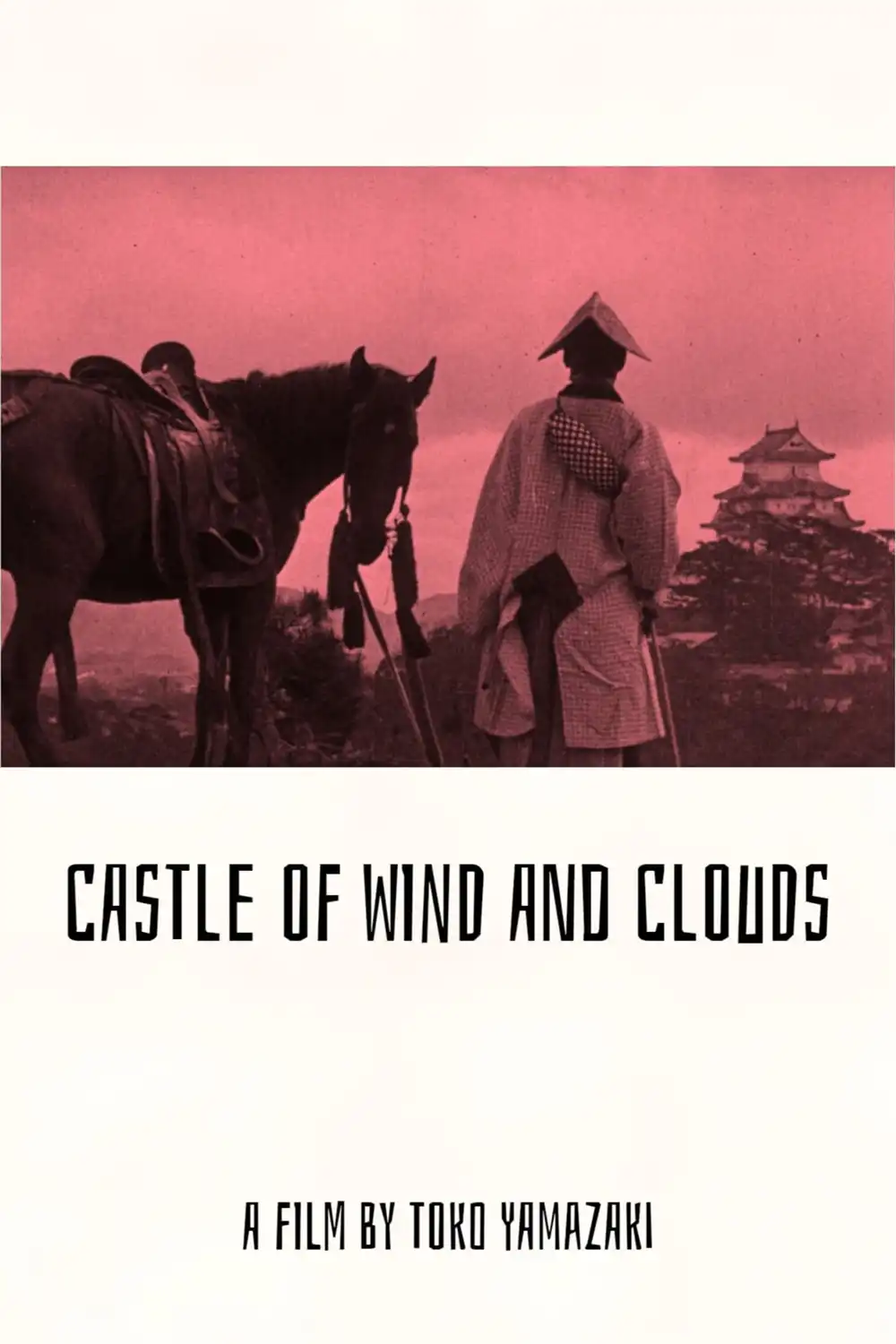
A definitive 6.2/10 rating for a film that redefined the boundaries of cult cinema. Fûun jôshi remains a cornerstone of transgressive art.
If you are the kind of person who likes old movies that look like they were recovered from the bottom of a well, you’ll probably find Fûun jôshi pretty interesting. 🎞️
It is worth watching if you want to see what a massive star looks like before he was even fully formed. But if you hate silent films where the plot is mostly told through angry staring, you’re going to have a bad time.
The print I saw was rough. Like, really rough.
There are parts where the screen gets so grainy it looks like a swarm of bees is attacking the actors. It adds a weird vibe to the whole thing that probably wasn't there in 1928.
Kazuo Hasegawa is the main reason anyone still talks about this one. He has this way of moving his eyes that feels like he’s trying to burn a hole through the camera lens.
He’s playing a samurai, obviously. He looks way too pretty to be getting into sword fights, but he makes it work.
The story is supposed to be about some kind of political mess in a castle town. Honestly, I lost track of who was betraying who about twenty minutes in.
There is a lot of walking into rooms and bowing. Then someone says something very serious on a title card, and everyone bows again.
It’s not as fast-paced as something like The Paleface, which at least has some slapstick to keep you awake. This is much more about the atmosphere and the drama of it all.
I noticed this one guy in the background of a market scene who just looks totally confused. He’s just standing there while the main characters have this big emotional moment and he looks like he's looking for his lost cat.
Small things like that are what I love about these old silent flicks. You see the real world peeking through the edges of the movie set.
The sword fighting is… okay. It has that jerky, sped-up look that makes it feel like a dance rather than a fight.
One guy gets hit and he falls over like he’s made of cardboard. It’s actually kind of charming in a way.
I kept thinking about The Passion of a Woman Teacher while watching this, mostly because the acting styles are so different. That one feels so much more grounded, whereas everyone here is doing The Most with their faces.
There’s a scene near the end where someone is running through a forest. The lighting is actually really beautiful for a movie this old.
The shadows of the trees look like long fingers reaching out. It’s one of the few moments where the movie stops being a stage play and feels like actual cinema.
I did find myself checking my phone a couple of times during the middle. The pacing just drags when they get into the heavy dialogue scenes which, ironically, we can't even hear.
It’s not like Almost a Lady where you can kind of guess the jokes. Here, you really have to pay attention to the title cards or you’ll be totally lost.
Yoshie Nakagawa is in this too, and she’s great at looking worried. She spends about 70% of her screen time looking like she just remembered she left the stove on.
The costumes are incredible though. You can almost feel the weight of the silk through the screen.
The way they used white makeup back then is so intense. In some shots, the actors' faces look like glowing ghosts floating in the dark.
It’s definitely not a masterpiece. It feels a bit like a rehearsal for better movies that came later.
But there is something about the way it’s put together that feels urgent. Like they were figuring out how to tell a story while the camera was already rolling.
I wouldn't recommend it for a movie night with friends unless your friends are film nerds who like talking about frame rates. 🤓
If you’re alone on a Tuesday and want to feel like you’ve traveled back in time, give it a go. Just don't expect to understand every single plot twist because I certainly didn't.
It's a weird, dusty little relic. Sometimes that is enough.
IMDb 5.3
1936
Community
Log in to comment.