DbcultAccessing Vault...
7.4/10
Senior Film Conservator
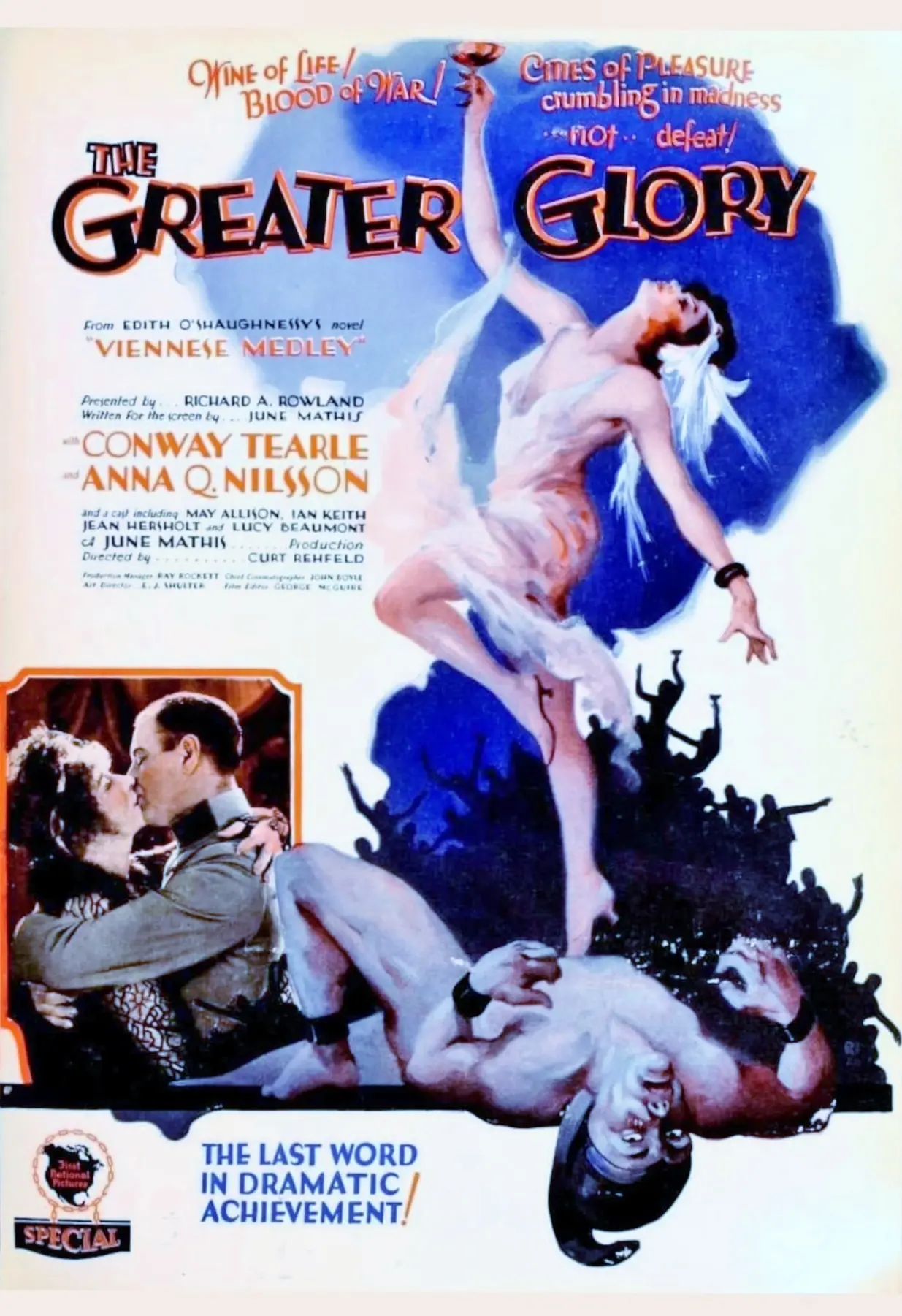
A definitive 7.4/10 rating for a film that redefined the boundaries of cult cinema. The Greater Glory remains a cornerstone of transgressive art.
Is The Greater Glory a silent film that still carries weight for a modern audience? Short answer: Yes, but only if you have the stomach for a relentless, grim exploration of economic ruin and the death of the middle class. This is not the escapist fluff often associated with the mid-1920s; it is a harrowing look at what happens when a society’s foundation is yanked out from under its feet.
This film is for the historian of cinema who values atmosphere over traditional pacing and for those who appreciate the 'New Objectivity' style of European-influenced American filmmaking. It is emphatically NOT for those looking for a lighthearted evening or the polished, upbeat narrative structures of the late silent era found in films like The Perfect Flapper.
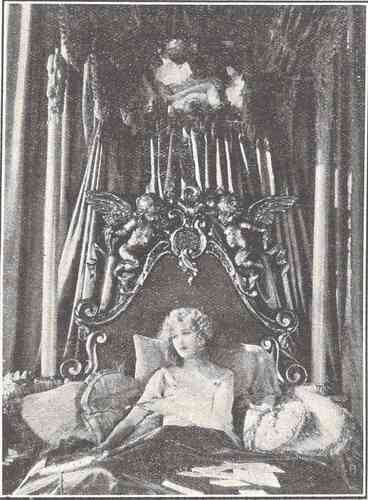
Before diving into the technical nuances, let’s establish the core identity of this work. It is a film of extremes—extreme poverty, extreme sacrifice, and extreme cynicism toward the 'New Rich'.
The Greater Glory is a film obsessed with the concept of the 'Great Reversal'. In the opening act, Vienna is presented as a city of waltzes and gilded ceilings. By the midpoint, those same ceilings are peeling, and the occupants are selling their heirlooms to the very butchers who used to deliver their meat. This isn't just a plot point; it’s the film's heartbeat. The visual language used to depict this transition is nothing short of revolutionary for 1926.
Consider the scene where an aristocratic family attempts to host a dinner party with nothing but a few scraps of turnip. The camera lingers on the fine china and the silver, highlighting the absurdity of maintaining decorum in the face of biological necessity. It is a moment of quiet horror. The contrast is sharp. The butcher, now a millionaire, is shown in high-contrast lighting, his girth and greed filling the frame in a way that feels almost predatory. It’s a gut-punch. A dusty, flickering gut-punch.
The direction by the uncredited (though heavily influenced by the script of June Mathis) hand manages to make the city of Vienna a character in itself. There is a palpable sense of claustrophobia. The streets, once wide and inviting, become narrow alleys of desperation. This stylistic shift mirrors the psychological state of the characters. As their world shrinks, so does the frame. This is sophisticated filmmaking that predates the more famous 'city symphonies' of the late 20s.
Lucy Beaumont provides the emotional anchor of the film. Her portrayal of maternal sacrifice is, by modern standards, a bit broad, but within the context of 1920s expressionism, it is profoundly effective. She embodies the 'Old World'—fragile, dignified, and ultimately doomed. Her performance stands in stark contrast to the more modern, cynical energy of Anna Q. Nilsson, who brings a much-needed edge to the proceedings. Nilsson’s character understands the new world better than Beaumont’s, and their interactions provide the film’s most interesting friction.
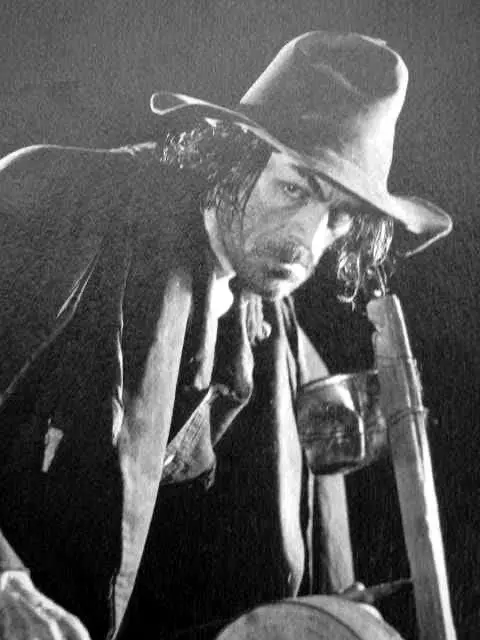
Then, there is the curiosity of Boris Karloff. Long before he became the face of Universal Horror, Karloff was a working character actor. Here, his presence is magnetic but understated. He doesn't need bolts in his neck to command attention; his physicality and the way he occupies space suggest a man who has seen the worst of humanity and come out the other side. Watching him here, one can see the seeds of the pathos he would later bring to his more famous monsters.
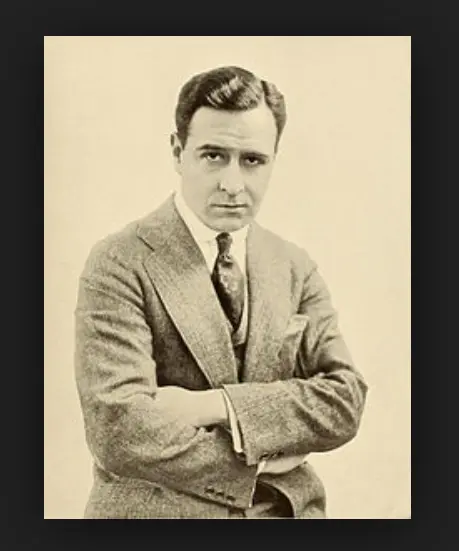
The ensemble cast is massive, which is both a strength and a weakness. On one hand, it creates a sense of a living, breathing city. On the other, it occasionally muddles the narrative. Characters like those played by Ian Keith or Jean Hersholt are well-sketched but sometimes feel like they are competing for oxygen in a story that is already gasping for air. However, the sheer scale of the production is impressive, reminiscent of the ambition seen in Lady Hamilton.
The pacing of The Greater Glory is deliberate. It does not rush. For some, this will be a barrier. The film takes its time establishing the opulence of the pre-war era so that the subsequent fall feels earned. The transition isn't a jump cut; it’s a slow, agonizing slide. This is where the film shows its maturity. It understands that tragedy is more effective when you have something to lose.
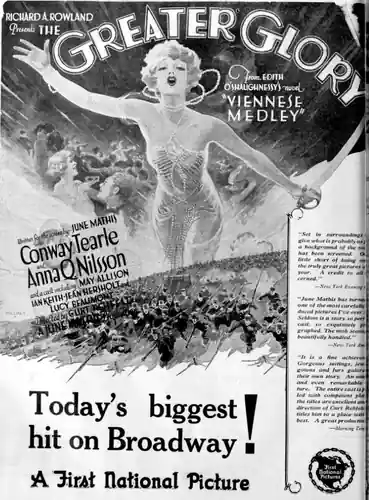
The cinematography utilizes a lot of naturalistic lighting in the 'poverty' sequences, which was a departure from the highly stylized, artificial lighting common in Hollywood at the time. There is a grit to the film that feels more like the German UFA style than a standard American production. This was likely the influence of June Mathis, who had a keen eye for international trends and a desire to elevate the American film beyond mere entertainment.
One specific moment stands out: a wide shot of a bread line. The way the shadows of the people stretch across the cobblestones makes them look like ghosts. It’s a haunting image that stays with you long after the credits roll. It is far more effective than any of the more overtly sentimental scenes involving the 'mother-love' theme. The film is at its best when it lets the visuals tell the story of systemic failure.
Does The Greater Glory hold up as a piece of entertainment? It depends on your definition of the word. If you find entertainment in the rigorous examination of the human condition under duress, then yes. It is a fascinating document of a specific time and place. It captures the 'Great War' hangover better than many of its contemporaries.
However, if you are looking for the technical perfection of the late silent era—the fluid camera movements of 1927 or 1928—you might find this a bit clunky. It sits in that transitional period where the grammar of film was still being written. But it’s flawed. And in its flaws, it finds a strange kind of honesty. It doesn't try to sugarcoat the reality of the characters' lives, even if it does occasionally retreat into melodrama to find a resolution.
Pros:
- Stunning, atmospheric cinematography that captures the decay of Vienna.
- A rare, non-horror look at a young Boris Karloff.
- A brave, unflinching script by June Mathis that tackles difficult economic themes.
- Excellent use of contrast between the 'old' and 'new' money.
Cons:
- The runtime can feel bloated in the second act.
- Some of the supporting characters are under-developed despite the long runtime.
- The ending feels a bit too 'tidy' given the preceding grimness.
The Greater Glory is a difficult, demanding, and ultimately rewarding piece of silent cinema. It lacks the polish of a film like The Moonstone, but it makes up for it with sheer thematic ambition. It is a film about the death of a world, and it treats that subject with the gravity it deserves. While the sentimental elements may grate on modern nerves, the core of the film—the brutal reality of economic collapse—is as relevant today as it was in 1926. It is a somber reminder that the 'Greater Glory' of a nation can vanish in an instant, leaving only the scavengers and the survivors behind. It is a vital, if uncomfortable, watch.
IMDb —
1918
Community
Log in to comment.