DbcultAccessing Vault...
Cult Review
Senior Film Conservator
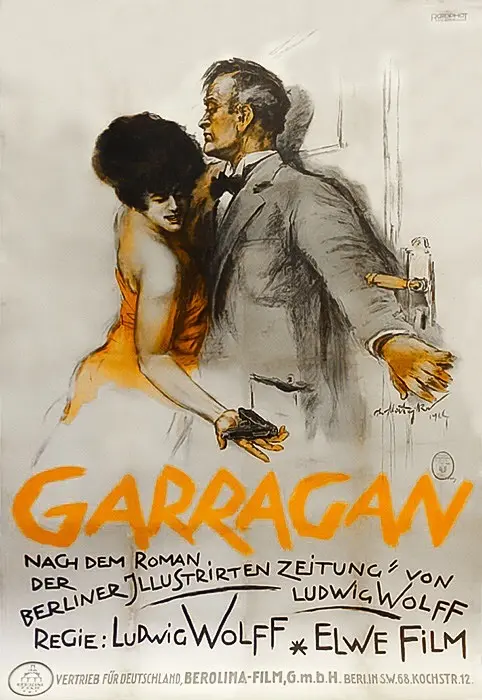
In the sprawling canvas of the German Empire, where power and politics weave through the fabric of society, Garragan emerges as a profound exploration of human existence under the shadow of authority. The film, directed with a delicate touch that balances historical accuracy with artistic vision, immerses viewers in a world teeming with intrigue, betrayal, and the relentless pursuit of power.
Set in a period defined by the transition from monarchy to republic, Garragan focuses on the lives of the nobility, military, and common citizens, each grappling with their own aspirations and moral dilemmas. The narrative is a rich tapestry of interconnected stories, all converging at a pivotal moment in history. The film’s setting is meticulously recreated, from the opulent palaces to the bustling streets, enhancing the sense of immersion and authenticity.
At the heart of Garragan is a stellar ensemble cast, with Edward Burns delivering a nuanced performance as the protagonist, a soldier torn between his personal convictions and the demands of his station. Julanne Johnston and Eduard Rothauser provide vital support, their characters embodying the complexity of loyalty and duty. The supporting cast, including Carmel Myers, Karl Platen, and Max Maximilian, further deepen the narrative with their intricate portrayals of various factions within the empire.
The screenplay, penned by Ludwig Wolff, is a masterclass in storytelling. It weaves together multiple subplots with precision and care, ensuring that the audience remains engaged throughout. The dialogue is sharp and evocative, capturing the essence of the era with its unique blend of formality and subtlety. The film’s pacing is deliberate, allowing for a deep exploration of each character’s journey and the broader societal implications of their actions.
Technically, Garragan is a remarkable achievement. The cinematography, under the guidance of an unnamed but skilled cinematographer, captures the grandeur and detail of the period. The use of lighting and framing enhances the emotional resonance of each scene, making it a visual feast. The score, composed in the period style, adds a layer of emotional depth and historical context, immersing the audience even further into the narrative.
Thematically, Garragan explores the profound impact of political and social changes on individuals. The film delves into the personal sacrifices made in the name of duty, the struggle for personal freedom within a rigid societal structure, and the ethical dilemmas faced by those in positions of power. The narrative is a poignant reminder of the human cost of political upheaval and the lasting impact of historical events on individuals and society.
While Garragan stands out as a unique piece of early 20th century cinema, it also draws comparisons with other works of the era. Films such as Squire Phin and The Little Intruder offer similar explorations of the complexities of human relationships within structured systems. In these works, one can find echoes of the moral and ethical questions posed by Garragan. However, Garragan’s blend of historical accuracy with artistic vision makes it a standout, offering a fresh perspective on a well-worn subject.
In conclusion, Garragan is a film that transcends its historical context, offering a timeless exploration of the human condition. It is a must-watch for anyone interested in early 20th century cinema, historical drama, or the intricate web of power, duty, and personal freedom. The film’s rich narrative, exceptional performances, and technical mastery make it a significant contribution to the art of cinema.
IMDb —
1919
Community
Log in to comment.