DbcultAccessing Vault...
6.6/10
Senior Film Conservator
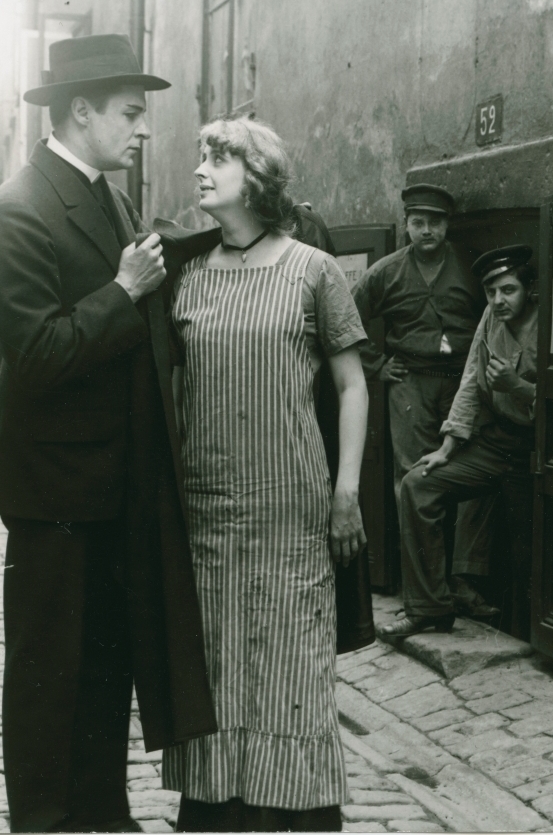
A definitive 6.6/10 rating for a film that redefined the boundaries of cult cinema. Gatans barn remains a cornerstone of transgressive art.
Stockholm, 1925: a city still exhaling the smoke of war, still fingering the bruises of hunger, and still naive enough to believe that art can be financed on coffee beans and kronor. Into this half-light strides Gatans barn (Children of the Street), a film that Nordic historians keep misplacing like a slipped stitch in the region’s cinematic tapestry. Few outside Scandinavian archives have seen its amber-tinted reels, yet once witnessed it burns behind the corneas like a sulphur match.
Director-screenwriting siblings Johanne Skram Knudsen and Poul Knudsen adapt Hjalmar Söderberg’s notorious novella with a ferocity that feels almost documentary. Instead of moralizing they anatomize: every frame peels back dermal layers of class, gender, and rot. The result is a silent-era grenade whose shrapnel still whistles through contemporary debates on marital consent.
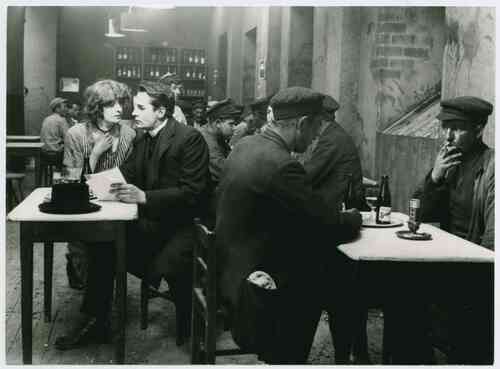
Sven Bergvall’s Karl Sterner is introduced through a tilt-down shot of gloved fingers sliding brass pins across a nautical chart. The gesture is clinical, erotic, and predatory all at once—cartography as foreplay. We understand instantly: this man believes every space, including a spouse, can be triangulated and subdued. Enter Jenny, played with feral grace by Jenny Tschernichin-Larsson (in her only surviving screen role). She first appears reflected in a shop-window crammed with marzipan pigs and crystal decanters; the double exposure makes her seem both commodity and consumer, a visual prophecy of the power struggle to come.
The courtship montage—ice-skating on a half-frozen canal, a stolen copy of Strindberg passed hand-to-hand beneath theatre seats—exudes the fragile euphoria of Wildflower yet bristles with the proto-feminist electricity that Lime Kiln Club Field Day would later channel across the Atlantic. Jenny’s laughter, caught in a series of lingering close-ups, is never softened for male comfort; it ricochets, challenges, demands acoustic space even in a medium that refuses synchronized sound.
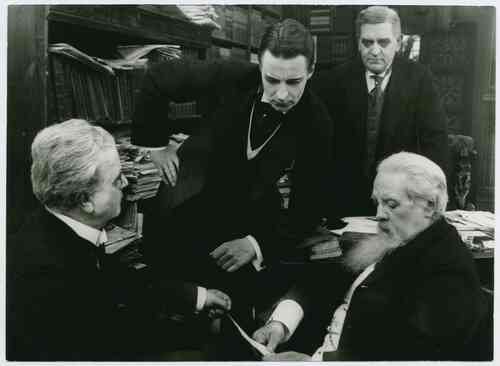
Post-nuptials, the Knudsen duo swap exterior city bustle for suffocating interiors. Curtains billow like lung tissue; wallpaper repeats its floral pattern until it resembles shackles. Karl’s refusal to let Jenny continue her seamstress income becomes economic incarceration. A chilling intertitle reads: “A wife’s purse is her husband’s padlock.” Such radical bluntness predates the Hays Code’s sanitizing broom by seven years and feels closer to the raw marital autopsy of Sins of the Parents.
Cinematographer Gunnar Tolnæs—also playing Karl’s boozy naval cousin—employs chiaroscuro borrowed from Danish Dødsklippen thrillers yet tilts his camera ever so slightly, as if the world itself were sliding off its ethical axis. In one bravura sequence, Jenny rocks her fevered infant while Karl’s shadow, cast by a paraffin lamp, swells across two walls until it appears to swallow the crib. Horror without a single special effect.
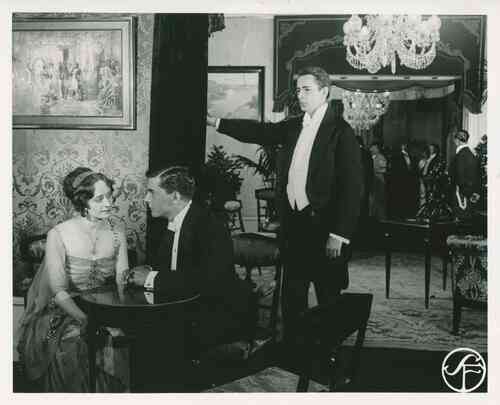
What cements Gatans barn in feminist canon is its smuggled subjectivity. Though shot by men, the film repeatedly privileges Jenny’s optical desire. We see Karl’s naked torso through the cracked bedroom door, the lens lingering on clavicles and the delta of sternal hair with the same carnal curiosity mainstream cinema usually reserves for décolletage. Meanwhile Jenny’s own body remains partially opaque—half-draped in chemise, often turned from camera—an inversion of the era’s scopophilic norm. One could argue that this anticipates the ethical gaze experiments of A Good Little Devil, though that comparison risks flattery by association.
Contemporary exhibitors were supplied with a cue sheet featuring Grieg and Alfvén, yet archivists recently discovered that Stockholm’s Röda Kvarn cinema hired a trio of leftist folk singers to perform live laments between reels. Their contraband lyrics—“A silk noose is still a noose, my lads”—transformed polite middle-class ticket-holders into unwitting co-conspirators. Thus Gatans barn achieved the Brechtian alienation Hollywood wouldn’t theorize until the 1940s.
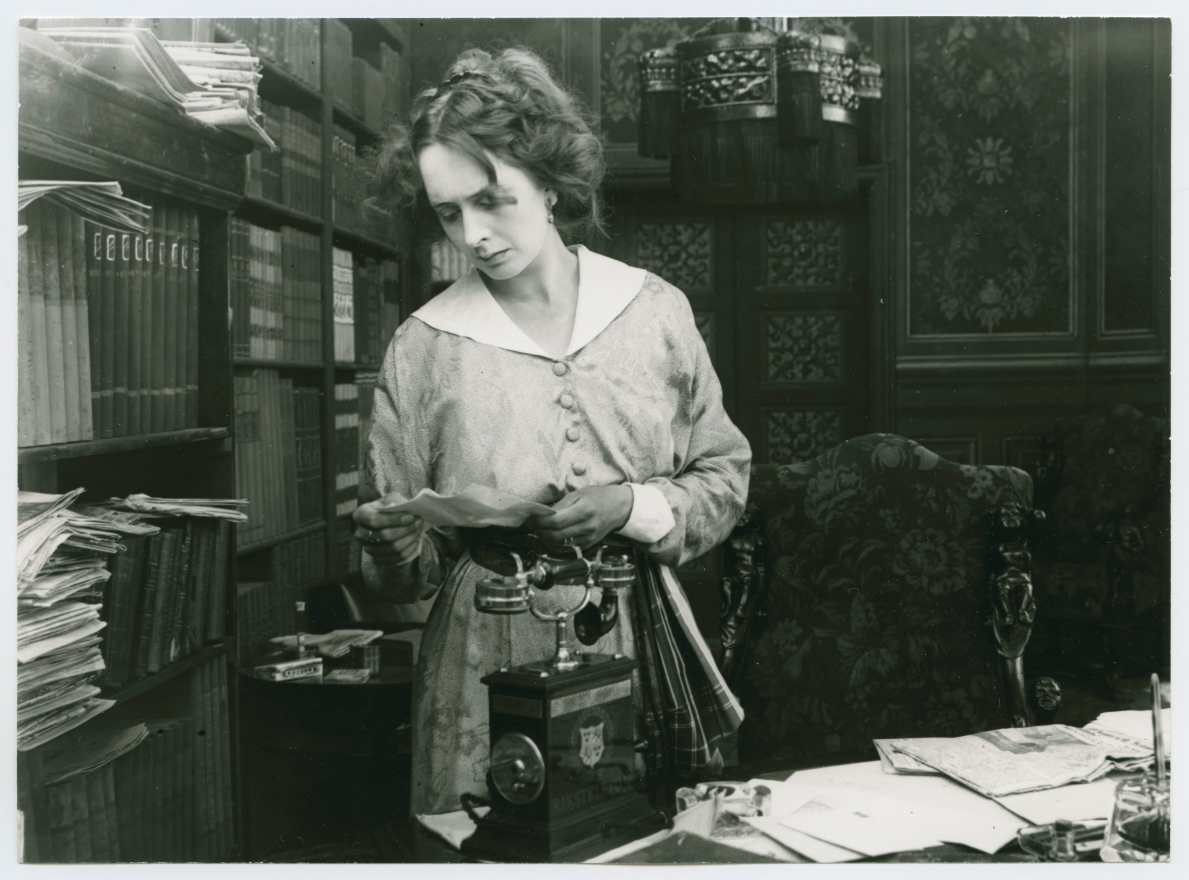
Bergvall’s descent from smugness to impotent fury is charted through micro-gestures: the way he slicks back hair with increasing violence until strands rip, the modulation of his pipe-smoke exhalations—thin contrails of contentment swelling into volcanic billows. Opposite him, Tschernichin-Larsson operates at frequencies both feline and feral. Watch her pupils in the breakfast scene where Karl forbids her to attend suffragette meetings; the iris contraction feels surgical, as though she’s slicing his sentence into syllables she can spit back. Lili Beck, as Jenny’s consumptive confidante, supplies tragicomic oxygen, her deathbed monologue delivered via intertitle that dissolves into superimposed snowflakes—a technique indebted to The Steel King’s Last Wish yet executed with more frigid poetry.
Unlike the open-range escapism of Peril of the Plains, Gatans barn traps its protagonists inside cobblestone arteries. The city is neither picturesque nor penal; it is a breathing ledger of debts. Dockworkers queue for day labor behind the couple’s townhouse, their silhouettes rhyming with Karl’s top-hat silhouette, hinting that patriarchal authority is merely another wage system. Jenny’s eventual escape does not lead to pastoral idyll but to a fog-shrouded industrial harbor—freedom framed as yet another labor terminal.
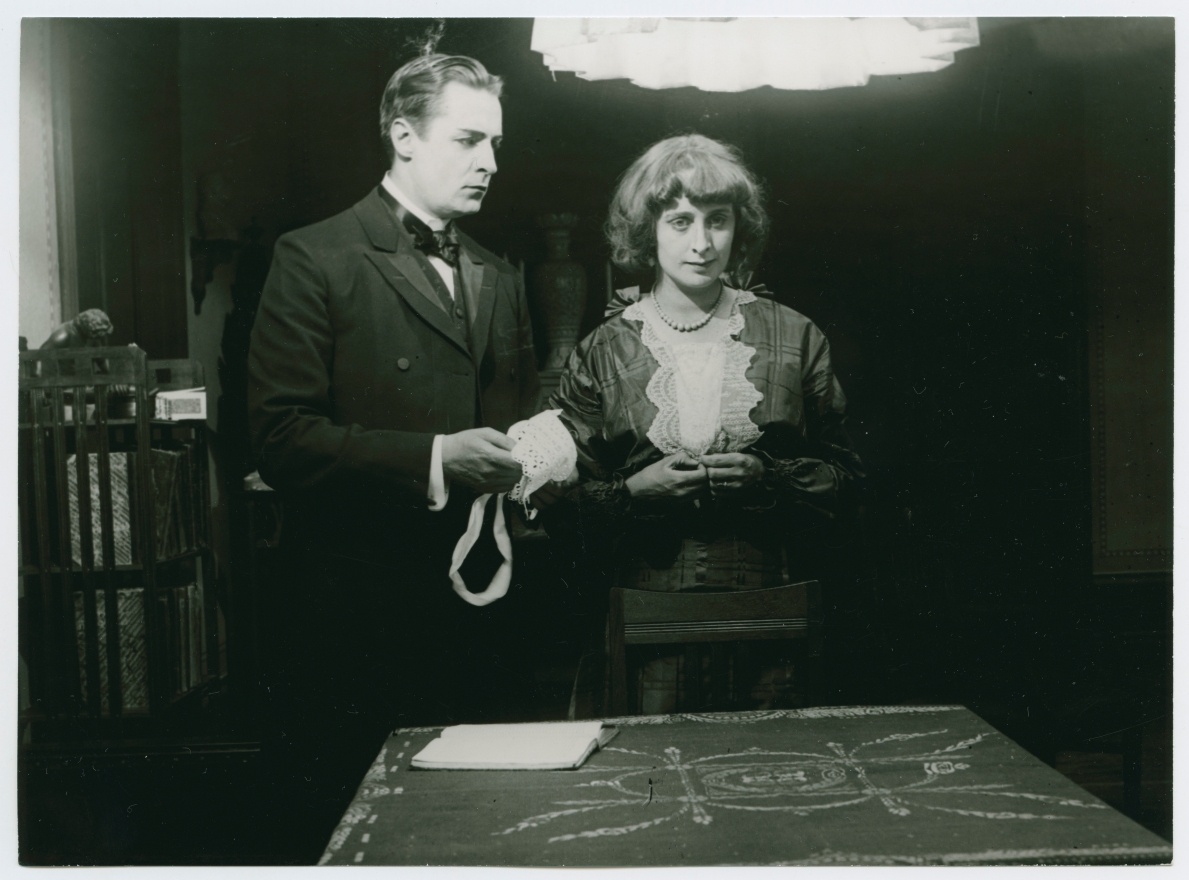
Scholars tracing lineage from Dreyer to Bergman now slot Gatans barn as missing link. The marital crucible presages Scenes from a Marriage by half a century; the ethical scrutiny of male weakness echoes forward through Winter Light. Most pertinently, Johanne Skram Knudsen’s co-writing credit—rare for a woman in 1925—served as template for Mai Zetterling’s later provocations. When you watch De levende ladder next, notice how frequently it cribs the claustrophobic two-shot compositions pioneered here.
Only one 35 mm nitrate print survives, housed at the Swedish Film Institute, Stockholm. A 4K photochemical restoration completed in 2022 scanned the original camera negative, supplemented by a Belgian distribution reel discovered in an abandoned Carmelite monastery. The tinting—amber interiors, cyan exteriors—has been replicated via Desmet method. Though not yet on streaming, archival Blu-ray is slated for 2025 courtesy of Regionstry with booklet essays by Dr. Astrid Lagerlöf. If you attend Bologna’s Il Cinema Ritrovato, lobby for a screening; the current curators insist on prioritizing crowd-pleasers like Detective Brown, but cinephile pressure works.
To call Gatans barn a time capsule is to insult its volatility. It is, rather, a slow-burn fuse attached to the patriarchal powder keg. Ninety-nine years after its premiere, its questions refuse antiquation: Who owns the narrative of marriage? Who maps whom? And what cartography of empathy can redraw a world where love does not equal license? Until you can stream it, hunt the archival screening; arrive early, sit close, let the guttering piano score tattoo your ribcage. When Jenny’s ship disappears into Baltic fog, you will feel the screen go colder—an ache sharp enough to make you check your own palms for rope burns. That sting is the film’s parting gift: proof that some silences still detonate.
IMDb 6.9
1932
Community
Log in to comment.