DbcultAccessing Vault...
6.2/10
Senior Film Conservator
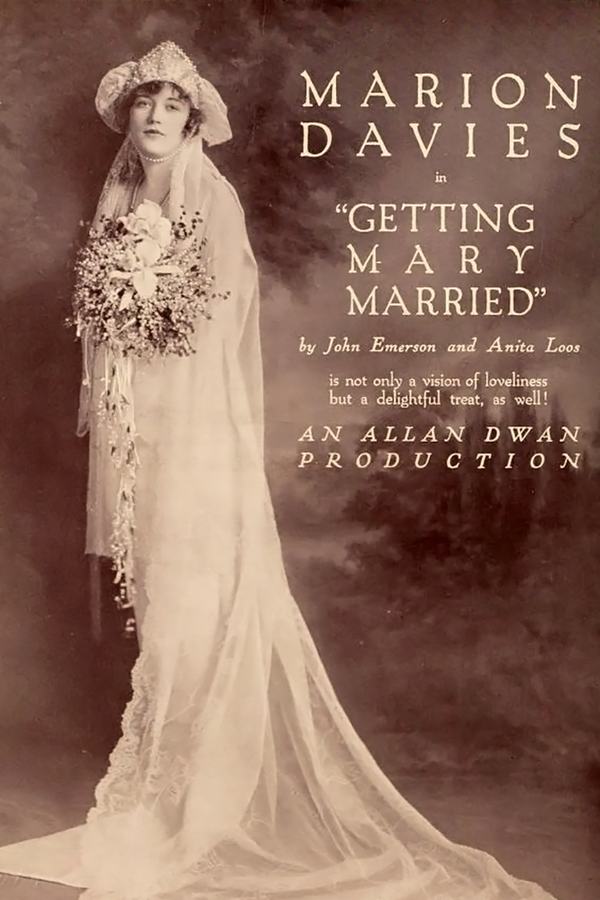
A definitive 6.2/10 rating for a film that redefined the boundaries of cult cinema. Getting Mary Married remains a cornerstone of transgressive art.
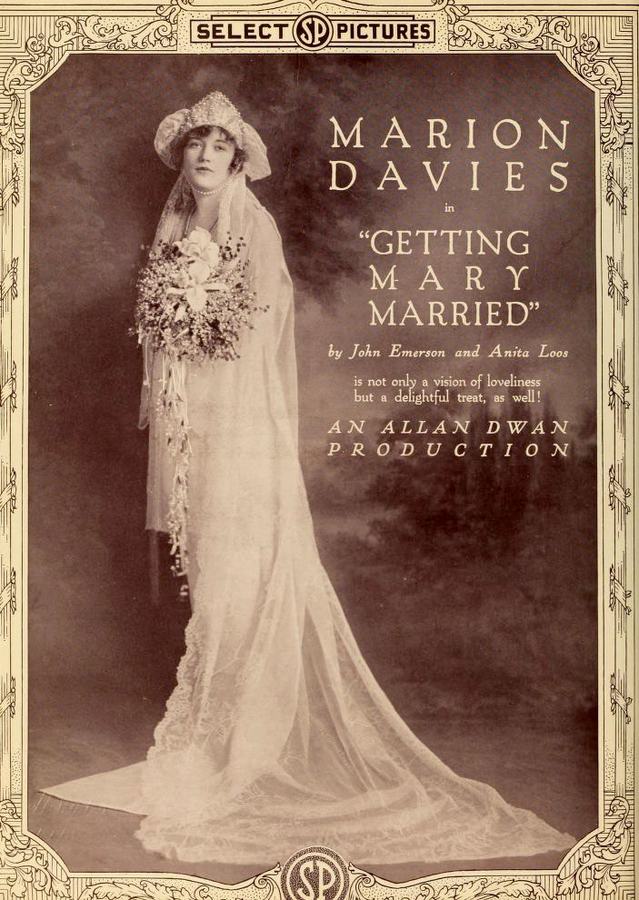
Ah, the silent era. A time when cinematic storytelling relied on visual poetry, exaggerated gestures, and the sheer charisma of its stars. And among those luminaries, Getting Mary Married stands as a delightful, if often overlooked, testament to the comedic prowess and magnetic screen presence of Marion Davies. Released in 1919, this film, penned by the legendary duo John Emerson and Anita Loos, offers a charmingly convoluted premise: a young woman, Mary, must forsake the bonds of matrimony to secure a hefty inheritance. It's a timeless comedic setup, pitting love against lucre, and in the hands of this talented cast and crew, it blossoms into a truly engaging experience.
The core narrative of Getting Mary Married is a delicious confection of romantic comedy tropes, elevated by a distinctly early 20th-century sensibility. Mary, played with effervescent charm by Marion Davies, finds herself in an enviable yet exasperating predicament. A substantial fortune awaits her, but only if she maintains her single status. This isn't merely a quaint plot device; it speaks volumes about the societal anxieties and expectations surrounding women, marriage, and financial independence during that period. While other films of the era might tackle more overtly dramatic themes, such as the social injustices depicted in The Marked Woman or the profound spiritual journeys found in The Life of Our Saviour; or, The Passion Play, Getting Mary Married opts for a lighter, more intimate exploration of personal choice versus external pressure.
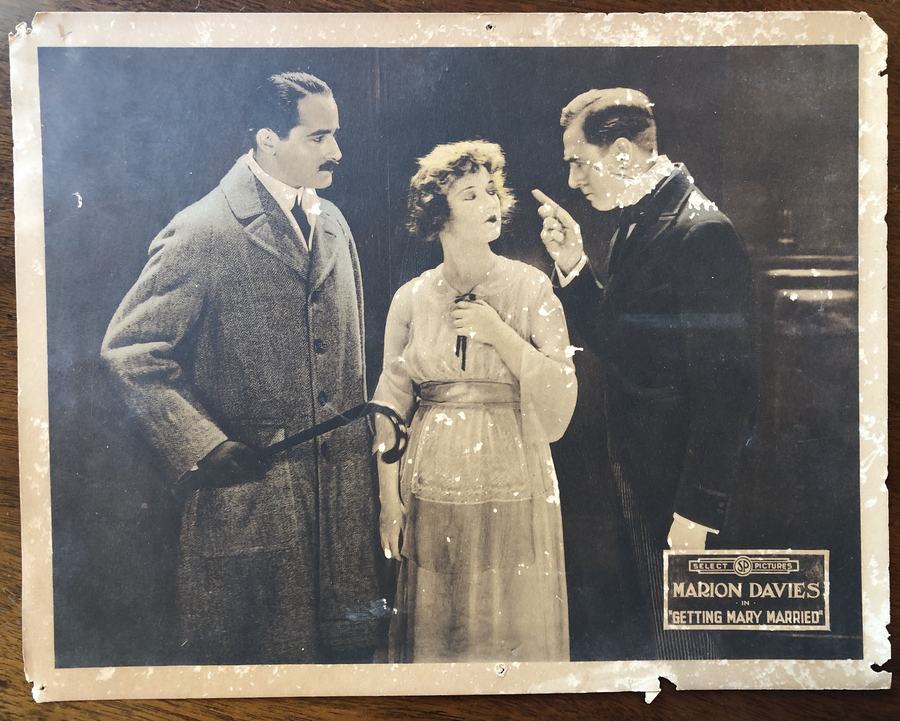
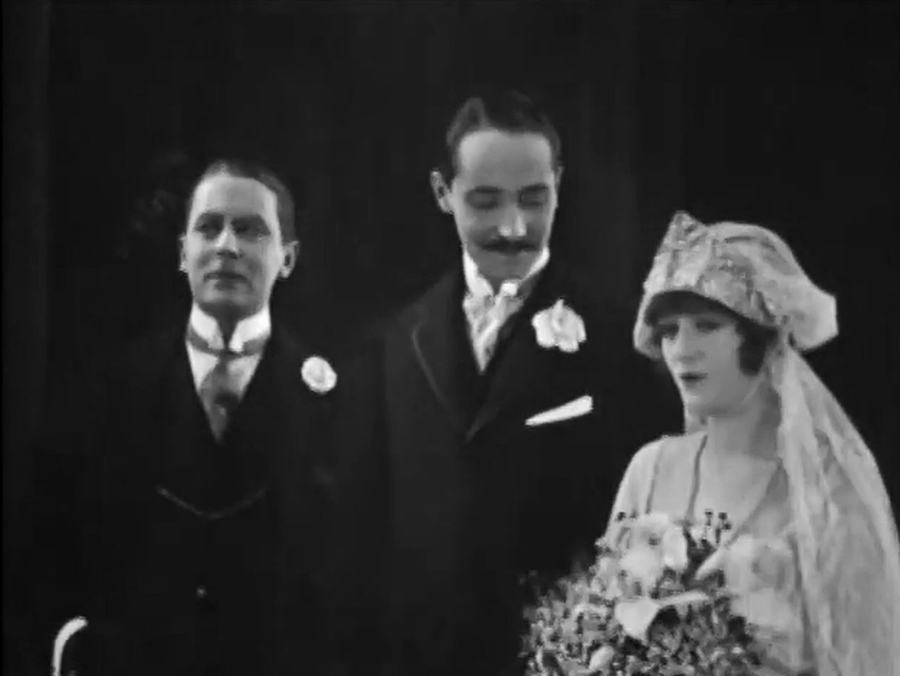
The arrival of a handsome stranger, portrayed by the dashing Matt Moore, naturally throws a wrench into Mary's carefully constructed plan of perpetual spinsterhood. His presence is not just a romantic interest; he embodies the irresistible temptation that challenges her resolve and the very foundation of her inheritance. The film masterfully builds this tension, not through grand dramatic confrontations, but through subtle glances, playful banter (conveyed via intertitles, of course), and the palpable chemistry between Davies and Moore. It's a testament to the directorial hand of John Emerson that this seemingly simple premise avoids becoming monotonous. Instead, each interaction, each near-miss, each moment of internal conflict for Mary, feels genuinely engaging. The narrative unfolds with a delightful inevitability, where the audience is left to wonder not if Mary will fall in love, but how she will reconcile her heart's desires with her financial obligations.
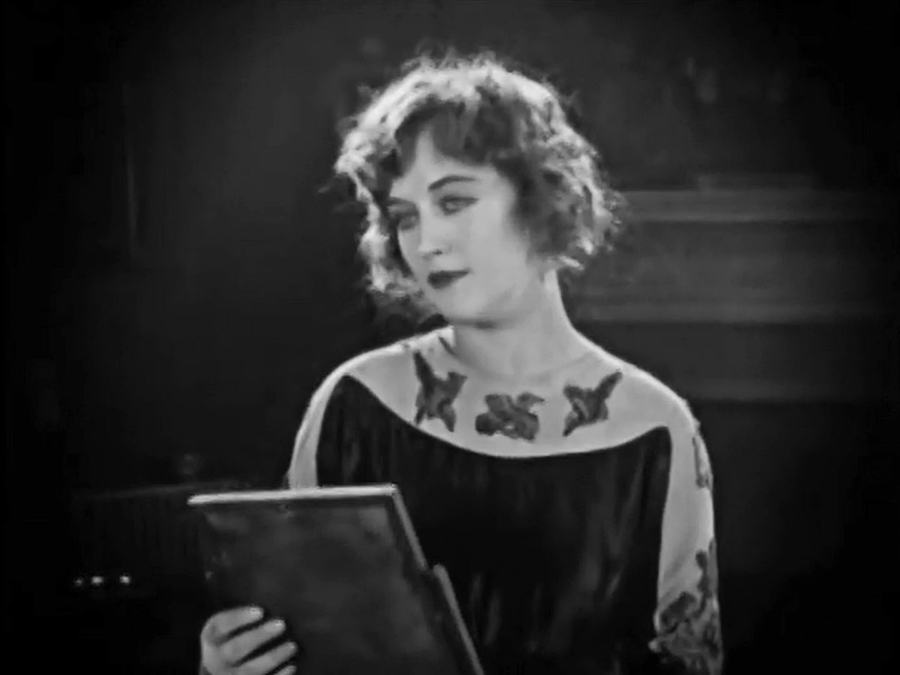
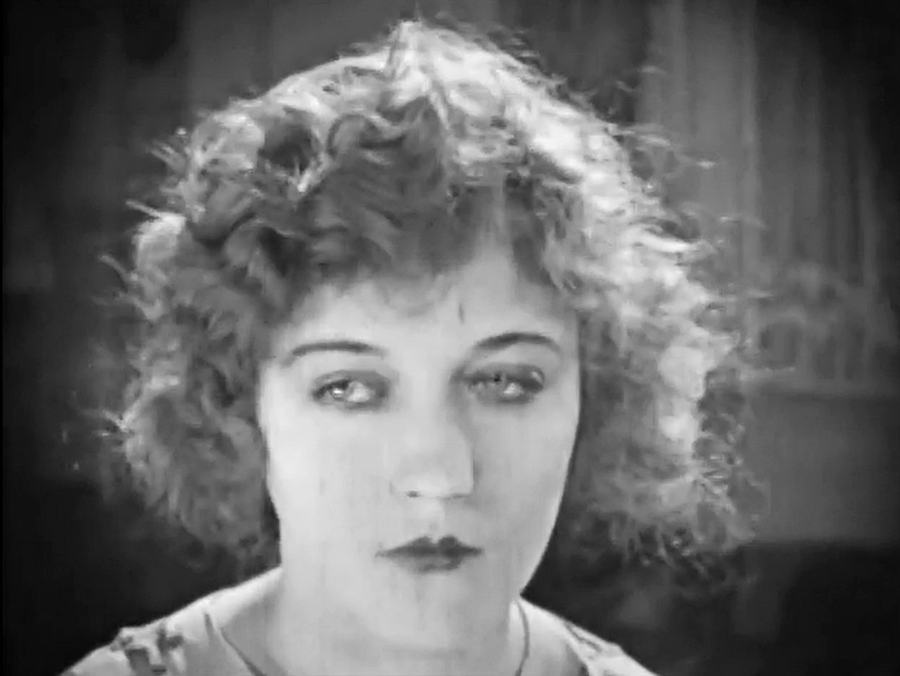
Marion Davies, as Mary, is nothing short of luminous. Her performance is a masterclass in silent film acting, imbued with a vivacity and naturalness that transcends the era's often theatrical conventions. Davies possessed an innate comedic timing, a mischievous sparkle in her eyes, and an expressive range that allowed her to convey Mary's inner turmoil with remarkable clarity. She navigates the emotional tightrope of her character — torn between the allure of romance and the security of wealth — with a grace that makes her instantly relatable and endearing. This isn't a one-note portrayal; Davies brings depth to Mary, showcasing her resilience, her wit, and her vulnerability. Her ability to convey complex emotions without uttering a single word is a testament to her star power, a quality that set her apart from many of her contemporaries. One can easily see why she was such a beloved figure, commanding the screen with an effortless charm that would make even the most stoic viewer crack a smile.
Matt Moore, as the charming suitor, provides the perfect foil to Davies’s Mary. His suave demeanor and genuine warmth make him an entirely believable object of affection, ensuring that Mary's dilemma feels truly weighty. Their on-screen chemistry is undeniable, a crucial element for any romantic comedy, silent or otherwise. The supporting cast, including Constance Beaumar, Norman Kerry, Helen Lindroth, Frederick Burton, Amelia Summerville, and Elmer Grandin, each contribute to the film’s rich tapestry, creating a believable world around Mary’s central conflict. Helen Lindroth, in particular, often brings a sense of grounded realism or comedic exasperation that serves to highlight Mary's more whimsical predicament. While not as heavily dramatic as the ensemble in a film like Whom the Gods Destroy, the cast of Getting Mary Married works cohesively to support the central romantic entanglement, ensuring that every character, no matter how minor, feels integral to the unfolding comedy.
The brilliance of Getting Mary Married owes a significant debt to its writers, John Emerson and Anita Loos. This formidable duo was renowned for their sharp wit, sophisticated comedic sensibilities, and an uncanny ability to craft engaging narratives. Loos, in particular, was a pioneering figure in Hollywood, celebrated for her incisive observations of human nature and her knack for writing strong, intelligent female characters. Their screenplay for this film is a testament to their collaborative genius. The plot, while seemingly simple, is meticulously structured, with each comedic beat and romantic development building organically towards the climax. The intertitles, often a crucial element in silent films, are particularly well-crafted here, delivering exposition and comedic punchlines with equal finesse. They don't just tell the story; they enhance it, providing a narrative voice that is both charming and intelligent.
Emerson and Loos understood the rhythm of silent comedy, knowing precisely when to allow visual gags to speak for themselves and when to interject with a pithy caption. Their writing transcends the limitations of the medium, creating characters who feel fully formed and situations that, despite their farcical nature, resonate with genuine human emotion. This is a far cry from the more earnest or overtly propagandistic narratives sometimes seen in cinema of the period, such as Her Life for Liberty or A Militant Suffragette. Instead, Emerson and Loos focused on the universal appeal of romance and the inherent humor in human foibles. Their influence on comedic storytelling is profound, and Getting Mary Married serves as an excellent example of their distinctive touch, demonstrating how intelligent writing can elevate even the most straightforward of premises into something truly memorable.
John Emerson's direction of Getting Mary Married is characterized by its clarity and efficiency. He allows the performances to shine, knowing when to hold a close-up on Davies's expressive face and when to pull back to capture the broader comedic context of a scene. The pacing is brisk, maintaining a lively energy that keeps the audience invested in Mary's predicament. Emerson demonstrates a keen understanding of cinematic rhythm, ensuring that the film never drags, even during moments of quieter introspection. The visual composition is thoughtful, with careful attention paid to set design and costuming, which, while not as opulent as some of the grander productions of the era, effectively conveys the social milieu of the characters. Each frame feels purposeful, guiding the viewer through the narrative with an assured hand. The film's aesthetic, while simple by modern standards, is charmingly effective, utilizing light and shadow to enhance the mood and underscore emotional beats. This is a film that understands the power of visual suggestion, relying on subtle cues and well-staged interactions to tell its story.
Compared to the intricate and often dramatic visual narratives found in films like The Impostor or the exotic allure of The Curse of Iku, Emerson’s approach in Getting Mary Married is more understated, focusing on character-driven comedy rather than grand spectacle. Yet, this restraint is precisely what makes the film so effective. It allows the audience to connect directly with Mary's personal journey, to empathize with her dilemma, and to revel in the humor of her situation. The use of intertitles is seamlessly integrated, never feeling intrusive, but rather serving as an extension of the visual narrative. Emerson's direction is a masterclass in making the complex look easy, a hallmark of truly skilled filmmaking. He creates a world that is both believable and wonderfully whimsical, a perfect backdrop for Davies's radiant performance.
Beyond its surface-level comedic charm, Getting Mary Married touches upon themes that remain remarkably pertinent even today. The central conflict between love and financial security is a dilemma that resonates across generations. For Mary, the inheritance represents not just wealth, but a form of independence, a pathway to self-sufficiency that was particularly significant for women in the early 20th century. To forfeit that for love, while romantic, carries a palpable risk. This film, in its lighthearted way, subtly explores the evolving role of women in society, their aspirations beyond the domestic sphere, and the complex interplay between personal desire and economic realities. It presents a protagonist who, despite her predicament, is resourceful and determined, a far cry from the more passive female characters sometimes found in contemporary narratives.
The film also playfully critiques the arbitrary nature of inheritance laws and the sometimes absurd conditions placed upon beneficiaries. It asks us to consider the true value of wealth versus happiness, a question that continues to occupy philosophers and romantics alike. While not as overtly political as Livets Stormagter or as morally didactic as The Dollar Mark, Getting Mary Married still manages to embed a subtle social commentary within its comedic framework. It’s a delightful reminder that even in the pursuit of laughter, cinema can offer profound insights into the human condition. The perennial struggle to balance one's heart with one's head, to choose between a comfortable life and a passionate one, is a narrative thread that binds this silent gem to the contemporary romantic comedies we still cherish today. The film’s enduring charm lies in its ability to tap into these universal experiences, making a century-old story feel fresh and relevant.
In conclusion, Getting Mary Married is a film that deserves a wider audience. It is a testament to the enduring power of silent cinema, showcasing how a compelling story, charismatic performances, and intelligent writing can transcend the limitations of spoken dialogue. Marion Davies is at her radiant best, delivering a performance that is both hilarious and genuinely touching. The collaborative genius of Emerson and Loos shines through in every frame, crafting a narrative that is witty, engaging, and remarkably sophisticated for its time. While it might lack the epic scope of a historical drama like The Seats of the Mighty or the intense character study of Fedora, its charm lies in its focused, delightful exploration of a very human dilemma. For those new to silent films, it serves as an accessible and thoroughly enjoyable entry point, demonstrating the genre's capacity for lighthearted entertainment. For seasoned enthusiasts, it’s a wonderful reminder of the artistry and talent that defined early Hollywood. It's a film that leaves you with a smile, a warm feeling, and a renewed appreciation for the timeless art of cinematic storytelling, proving that sometimes, the greatest treasures are found in the most unexpected places. Its charm is infectious, its humor gentle yet effective, and its lead performance, an absolute joy to behold. Go on, get acquainted with Mary and her delightful predicament; you won't regret it.
IMDb —
1934
Community
Log in to comment.