Summary
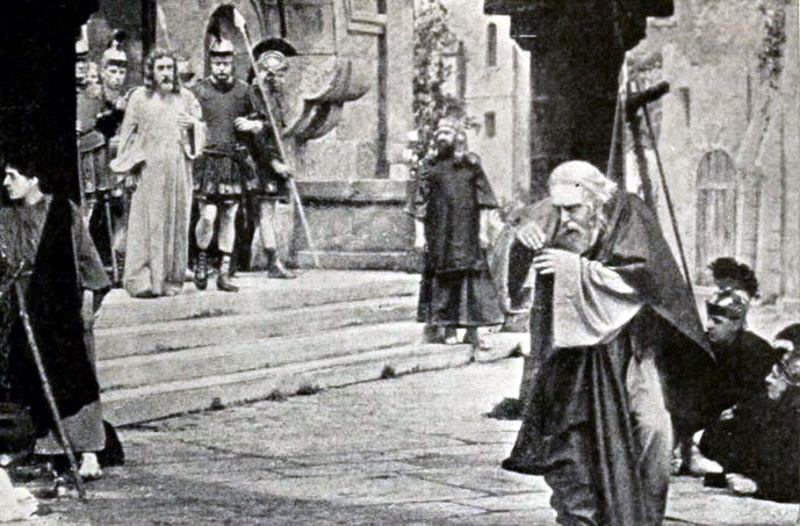
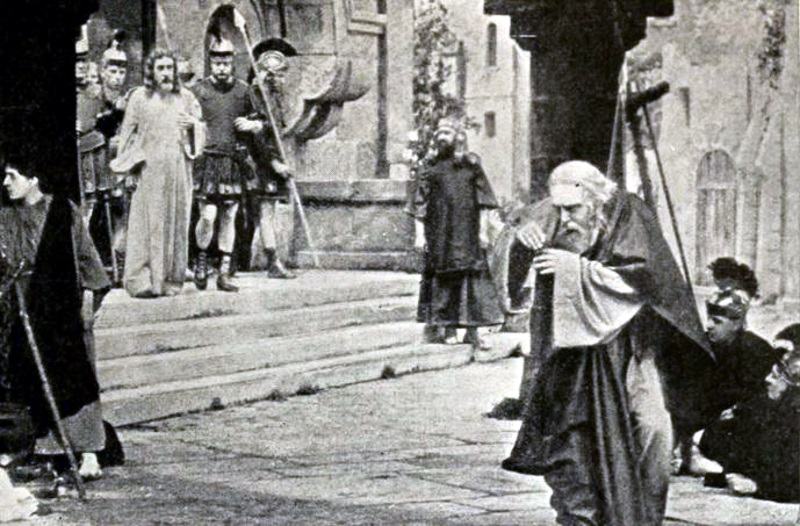
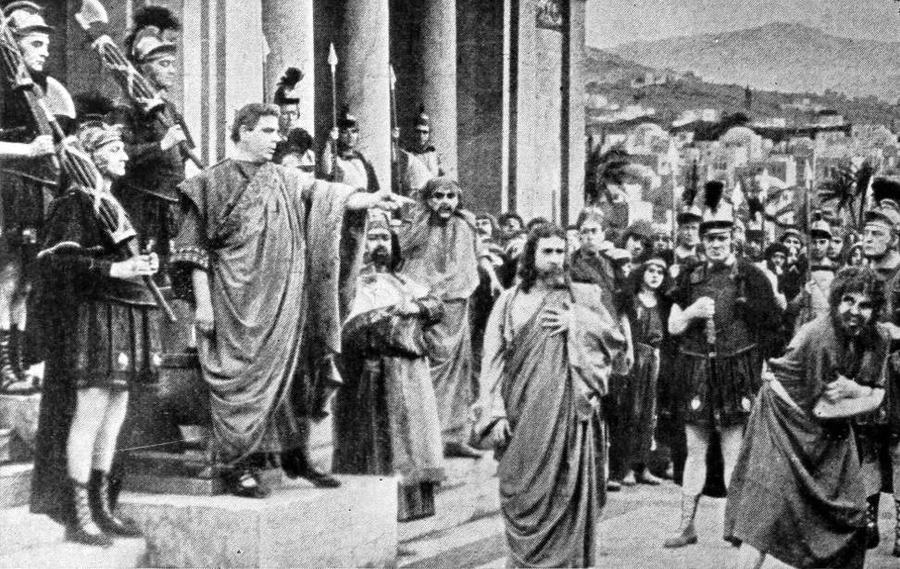
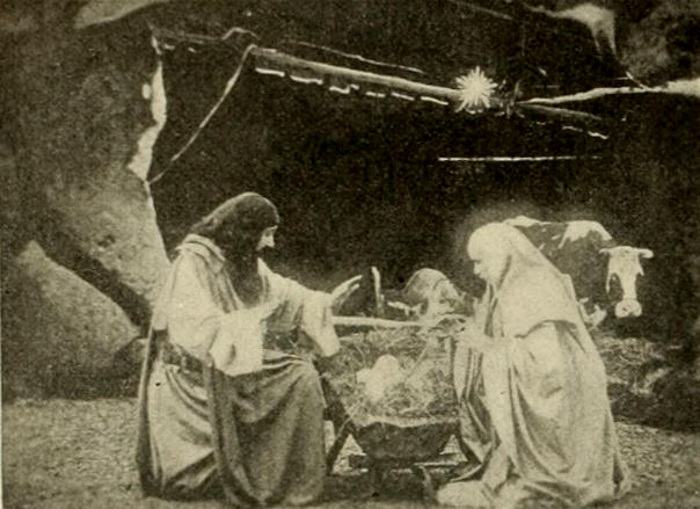
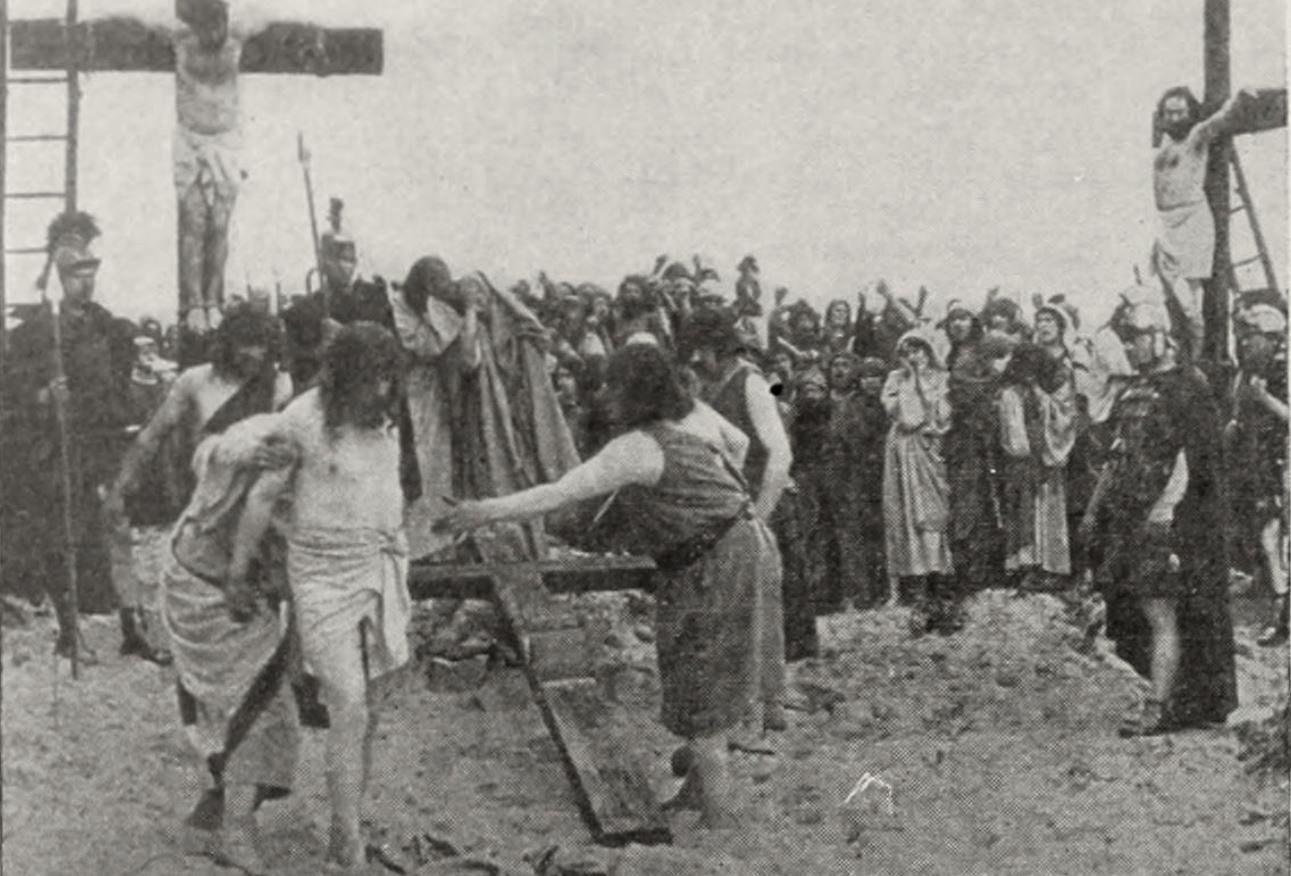
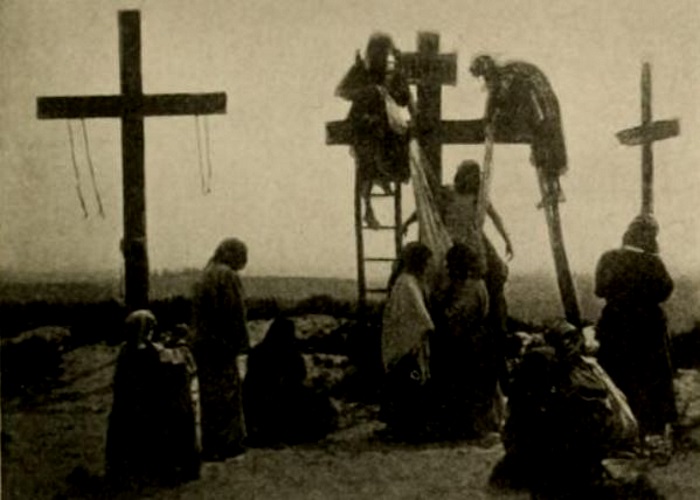
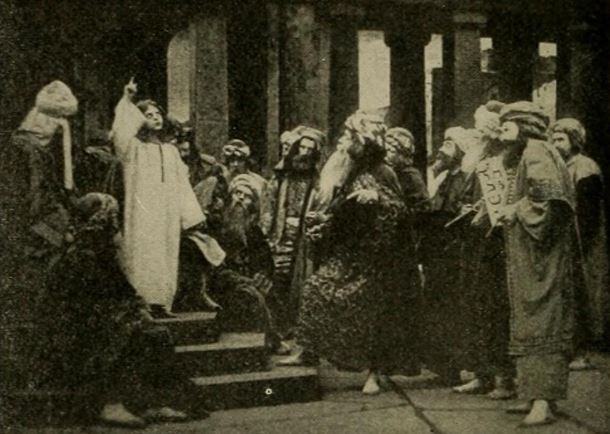
Framed within a single, tremulous dawn-to-dusk cycle, The Life of Our Saviour; or, The Passion Play condenses the final hours of a Galilean carpenter into a hieratic fever dream. Jacquinet’s Jesus glides through Jerusalem’s honeyed dust like a sleep-walker who already knows the shape of every cobble that will bruise him; Gina Moreau’s Virgin is a pale tremor of porcelain resolve, her eyes two votive candles guttering but unextinguished. Around them, Jacques Normand’s Pilate scrapes his verdict on air itself, a bureaucrat of entropy, while Gabriel Moreau’s Peter dissolves in self-reproach, each denial a shard of ice driven through the fisherman’s calloused palm. Shot on location in the ochre quarries of southern France, the film layers stencil-tinted crimson over bruised indigo so that blood and twilight become interchangeable currencies. Tableaux vivants dissolve into cinema’s first stuttering zooms: the Last Supper staged like a Caravaggio suddenly tilted into motion, the agony in Gethsemane rendered through super-imposed moon-drunk clouds that crawl across the lens like guilt made meteorological. Intertitles, scorched directly onto the emulsion, flake off the screen like Mosaic tablets chipped by time. When the cross is raised, the camera spirals upward in a 360-degree pan—an astonishment in 1903—so that sky and jeering mob fuse into a single, vertiginous vortex. Silence, not orchestral bombast, shoulders the Crucifixion: only the creak of rope against wood, a sound mixed so close it seems to splinter your own clavicle. Yet resurrection arrives not as triumphant burst but as a slow, almost embarrassed luminosity: Jacquinet steps from the tomb wrapped in a strip of nitrate that catches the sunrise and burns white, leaving us to wonder whether cinema itself has become the winding-sheet, the shroud, the second body.
Review Excerpt
"
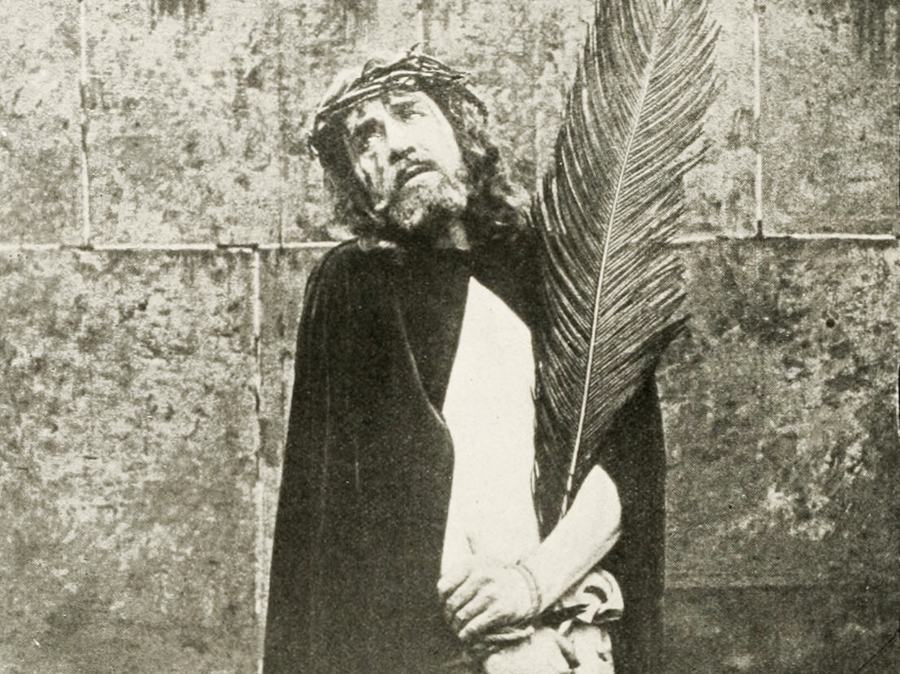
A sun-creased strip of 35 mm nitrate, smelling faintly of myrrh and vinegar, lands on the rewind bench. One frame sticks: Jean Jacquinet’s face, luminously gaunt, framed by a crown of hand-pencilled thorns. The perforations look like stigmata. Already you sense this is not pious kitsch but an artefact that intends to wound the viewer as much as the viewed.
Visual Theology Carved in Ochre
Forget the pastel flannel-board Jesus of Sunday school; cinematographer Gabriel Briand drowns his protagon..."