DbcultAccessing Vault...
Cult Review
Senior Film Conservator
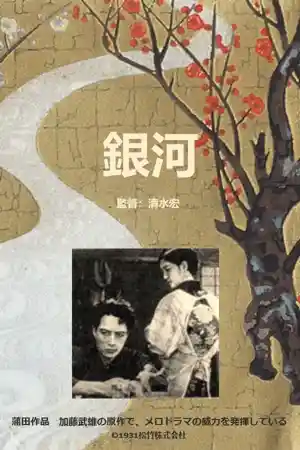
If you have some free time tonight and want to dive into a dusty corner of 1930s Japanese cinema, Ginga is absolutely worth a look.
People who love heavy, unapologetic silent melodramas with wild plot twists will eat this up.
But if you get annoyed by slow pacing or characters making frustrating choices, you will probably hate it.
The story is pretty wild, honestly. Michiko gets raped, gets pregnant, and has to marry her dad’s incredibly boring business partner to hide the shame.
Just when you think things can't get any more complicated, the rapist shows up again. Only now, he is a fiery labor union leader fighting against her new husband.
It is the kind of massive coincidence that makes you chuckle a bit. If you think this sounds like too much drama, it makes the plot of Wedlock look like a calm walk in the park.
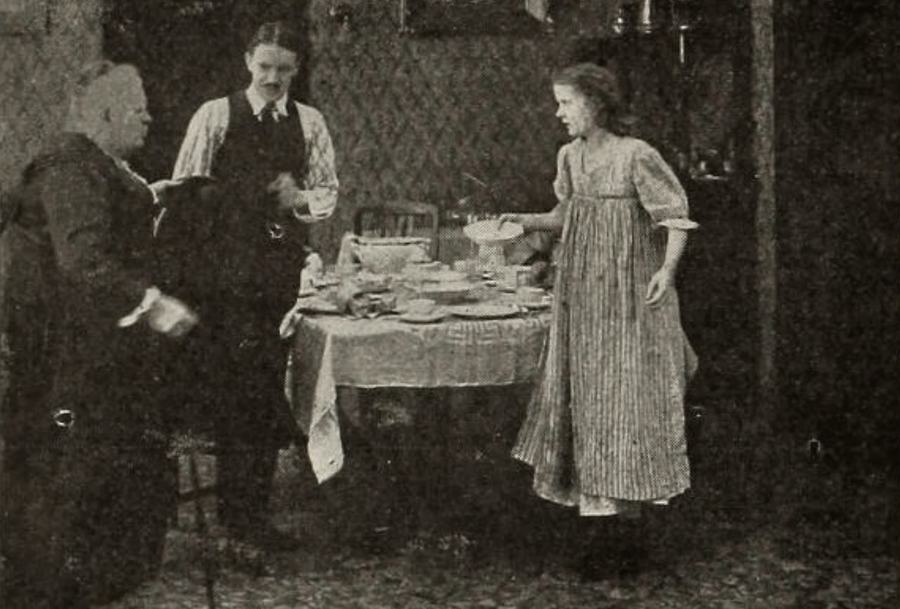
What struck me first was how *uncomfortable* the living room scenes feel. The husband, played by Tatsuo Saitō, just sits there looking like he would rather be literally anywhere else in Japan.
His mustache is so perfectly trimmed it almost looks fake. I kept staring at it instead of reading the dialogue cards.
There is this one shot where Michiko is looking out a window and the shadows on her face are just perfect. It is not overly fancy, but it really shows how trapped she feels in this giant, quiet house.
Let's talk about Mitsuko Yoshikawa for a second. She has this way of looking completely defeated without moving a single muscle in her face.
It is a really quiet performance in a movie that otherwise feels very loud and dramatic. It made me wish the film focused more on her instead of the political union stuff later on.
The film doesn't try to make her husband a monster, which is an interesting choice. He is just... incredibly dull.
He reads his newspaper and drinks his tea while his world is silently falling apart. Honestly, I kind of felt bad for him, even if he is a total snooze.
Then we get the union leader. He has this intense, sweaty energy that completely hijacks every scene he is in.
When he and the husband finally share a room, the tension is so thick you could cut it with a butter knife. The movie does this weird thing where the camera just lingers on a teapot between them for three seconds too long.
I don't know why the teapot got so much screen time. Maybe the director really liked the pattern on it.
"A quiet house can hold the loudest secrets, especially when the tea is cold."
I also noticed how the soundtrack changes everything. The copy I watched had this incredibly buzzy organ track that made my dog leave the room.
Sometimes the music would swell during a completely normal scene, like someone just walking across a hallway. It adds this hilarious layer of accidental doom to the most mundane things.
It is definitely a product of its time. Some of the acting is very theatrical, with lots of hand-wringing and dramatic gasps.
If you have seen older silent stuff like Erdgift, you know exactly what kind of vibe to expect here. It is all about big gestures and eyes wide with terror.
But *Ginga* has this gritty undercurrent that kept me watching. It does not try to wrap everything up in a neat little bow.
The ending leaves a bit of a weird taste in your mouth, but in a good way. It feels real, even if the setup was totally ridiculous.
If you can find a copy with decent subtitles, give it a shot. Just do not expect a happy, feel-good Sunday afternoon watch. ☕
IMDb —
1916
Community
Log in to comment.