DbcultAccessing Vault...
5.8/10
Senior Film Conservator
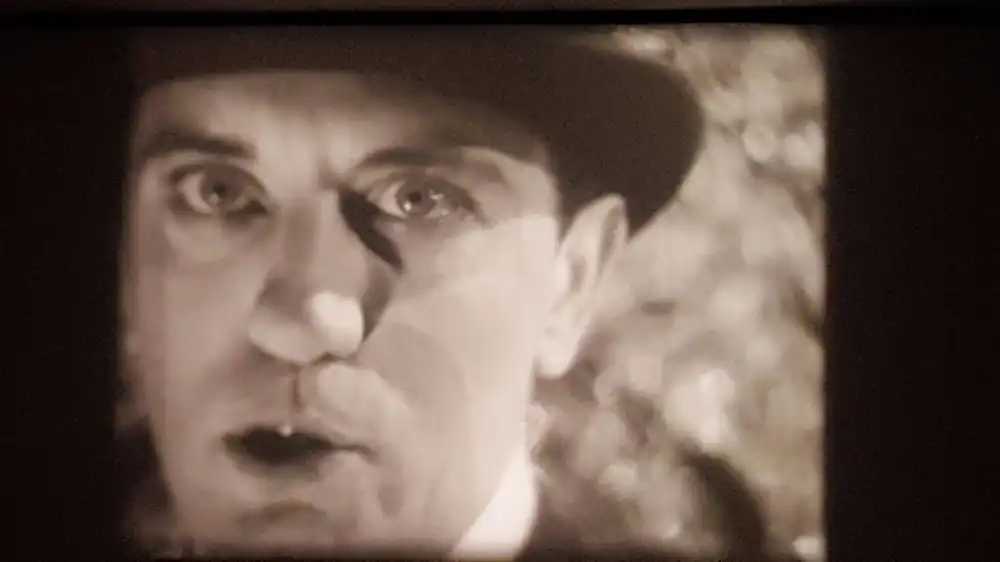
A definitive 5.8/10 rating for a film that redefined the boundaries of cult cinema. Glorious Vamps remains a cornerstone of transgressive art.
Okay, so Glorious Vamps. Is it worth tracking down today? For certain folks, absolutely. If you're into the wild, visually driven stuff from the pre-code era, or just curious about how films played with ideas back then, you'll probably get a kick out of its sheer audacity. But if you’re hoping for a tight story or anything resembling modern pacing, you’ll likely find yourself hitting stop pretty fast. 😬
The whole setup is pretty neat, honestly. We start with an actor, Bobby Watson, on stage, and his brain just takes off. Instead of focusing on his lines, he's mentally hopping through history, landing on all these famous "femme fatales."
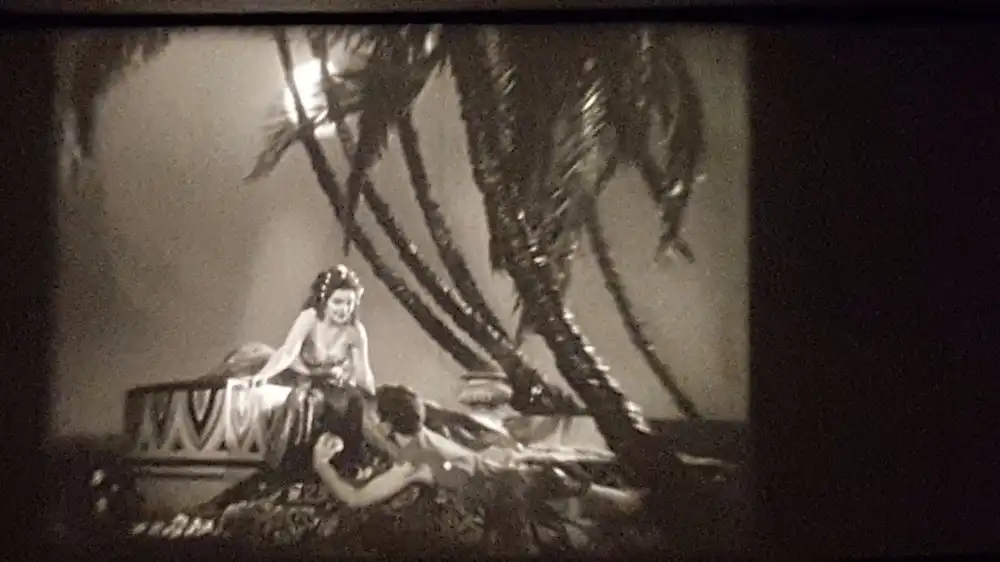
It’s all an excuse, really, to show off some incredible, often very daring, pre-code costumes. Nita Martan and Joyzelle Joyner, as these historical women, really make the most of it. There's a Cleopatra bit that feels straight out of a dream sequence, all floaty and a little too much.
The way the film just jumps from one historical figure to another, almost without warning, feels less like a narrative and more like a collection of vivid daydreams. You can almost feel the director, Sidney Lazarus, just throwing ideas at the screen.
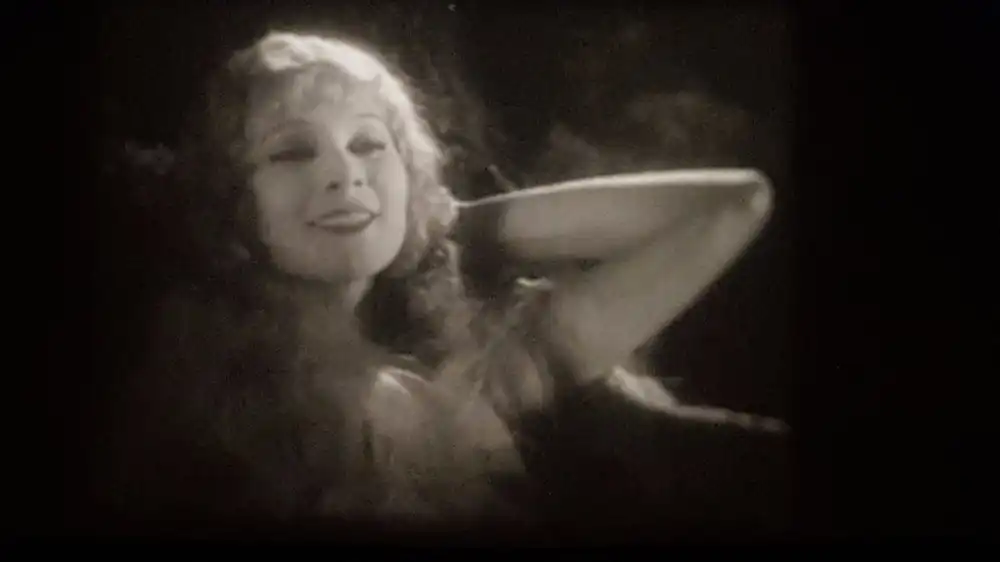
Some of these historical vignettes are so brief, you barely register who they’re supposed to be before we’re on to the next. It’s like a rapid-fire flipbook of historical gossip, but only the juicy bits.
One moment, I swear, Nita Martan’s character is barely contained by her dress, and then the scene just cuts. Like, poof. It was a blink-and-you-miss-it kind of thing, but it definitely leaves an impression. ✨
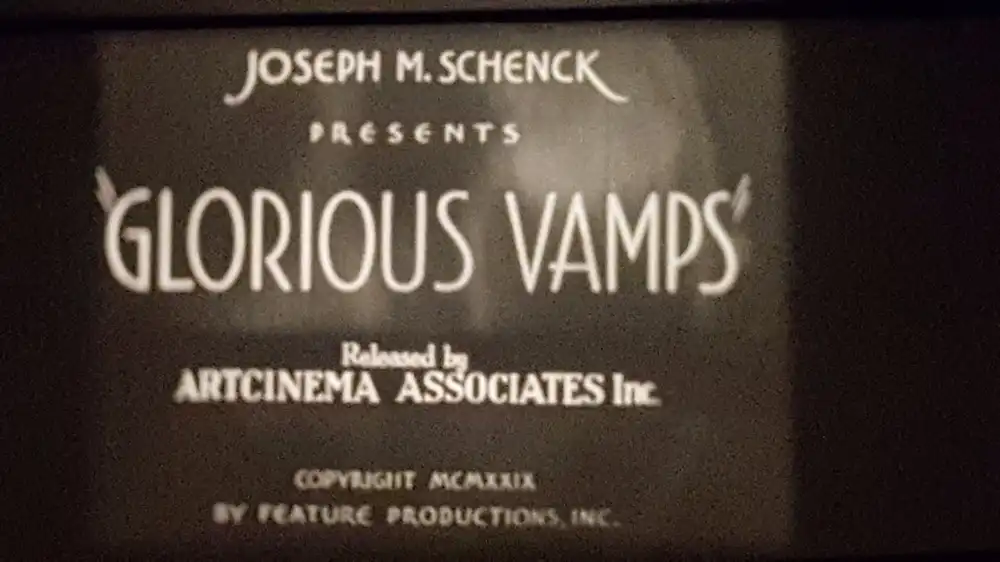
The stage setting that frames all this mental wandering feels a bit flimsy, almost an afterthought. It’s just there to give us a starting point before the actor’s mind *really* takes flight.
Honestly, the boldness of the costumes alone is enough to make you pause. They pushed boundaries, you know? It’s not just about historical accuracy; it’s about making a visual statement that screams "pre-code."
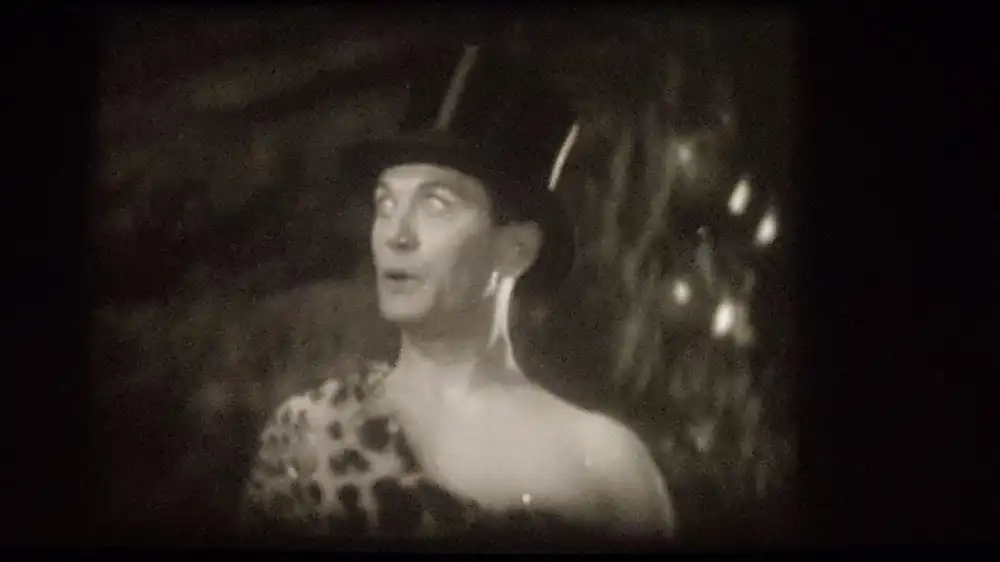
The transitions, especially when the film shifts from the stage back to the actor’s thoughts, can be a little clunky. Sometimes it just *stops* rather than flowing.
You get this real sense that they were experimenting with what cinema could do visually. The story is a thread, but the visuals, the costumes, they’re the main event. It’s like a fashion show through history, but with a psychological twist.
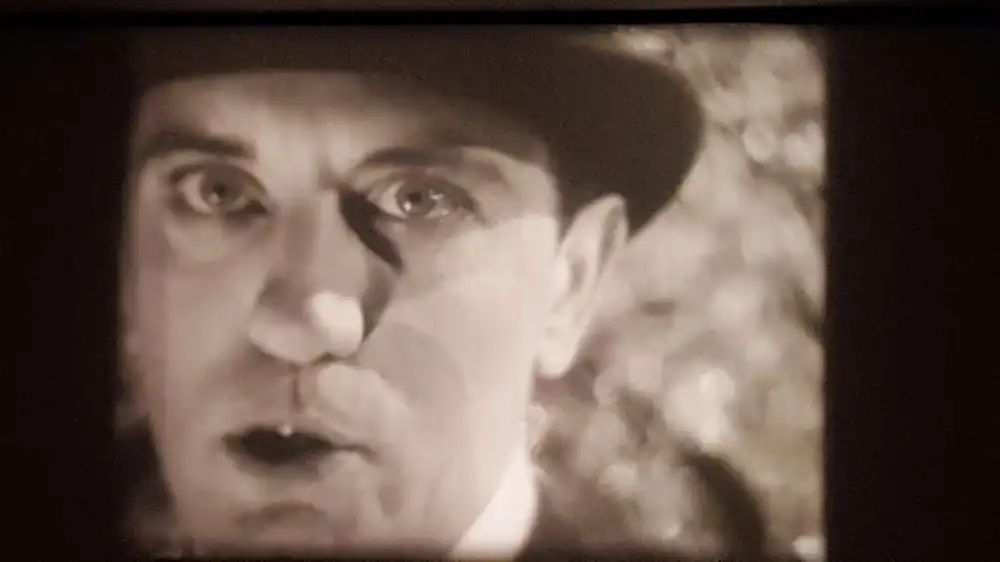
Joyzelle Joyner, in particular, has this really intense gaze. It makes you wonder what her character is thinking, even when the scene is just a quick tableau.
The film gets noticeably better when it just leans into the wild, imaginative leaps. When it tries to ground itself back on the stage, it loses a little of that quirky magic.
It's a really short film, which probably helps. It doesn’t overstay its welcome, which is good, because a thin plot like this could get tiring if stretched out.
It’s less about character arcs and more about atmospheres. Each historical snapshot creates its own little world for a minute or two.
I found myself wondering if the actor was just *really* bored on stage, or if this was his usual mental landscape during a performance. Makes you think, right? 🤔
This isn't a film you "watch" in the traditional sense. It's more like you *experience* it, or rather, you experience the actor's bizarre, costume-filled daydream. It’s a curio, a little piece of film history that reminds you how playful and boundary-pushing early cinema could be.
It’s an interesting peek into a mind that's clearly somewhere else. And for that, it's worth a look.
IMDb —
1920
Community
Log in to comment.