DbcultAccessing Vault...
Cult Review
Senior Film Conservator
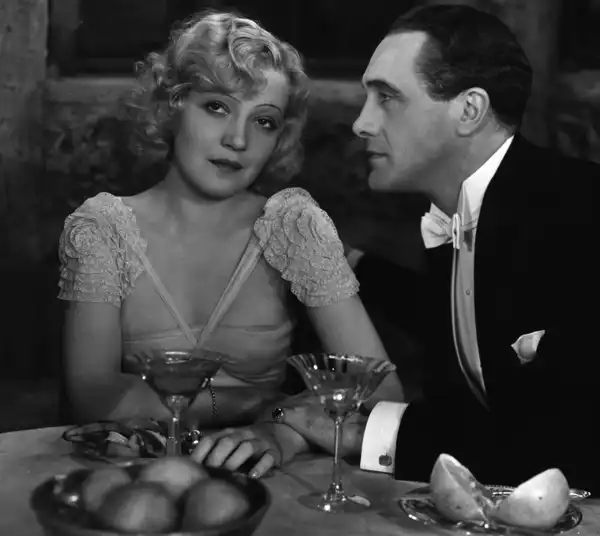
The first time I saw Not Guilty I walked in late, squinting through cigarette haze at a 16mm club print that rattled like bones in a cup. What unfolded felt less like narrative and more like a fever etching itself onto celluloid: faces bleached ivory by arc-lights, title cards terse as telegrams from the front. Julius Steger and Edgar James have birthed a parable in which happiness is a brittle crust over an abyss, and every kindness carries the aftertaste of catastrophe.
Ed Andrews’s tragedy is not that he errs, but that he doesn’t. He stays loyal to friend, fiancée, unborn child, and still the gears of fate grind him to meal. The film’s structuring genius lies in concatenation: each apparent boon—raise, marriage, birth—accelerates the next calamity. The raise buys the ring; the ring invites the celebration; the celebration seeds the barroom fracas; the fracas germinates the wrongful conviction. Fate here is no pagan whim but a Taylorist assembly line, oiled by municipal graft and public hysteria.
Steger’s direction favors diagonal compositions: cell bars slice across the frame like guillotine blades; alleyway walls converge in forced perspective, shrinking the protagonist to a vanishing comma. When Ed first enters the penitentiary, the camera tilts slightly downward, transforming the yard into a geometric vortex. Even daylight looks imprisoned, filtered through high, slit windows that spit rectangles of pallor onto damp stone. The palette—silver nitrate gleam against charcoal shadows—anticipates the chiaroscuro of later noir, yet lacks even the consolatory gloss of glamour. Misery here is drab, administrative, endless.
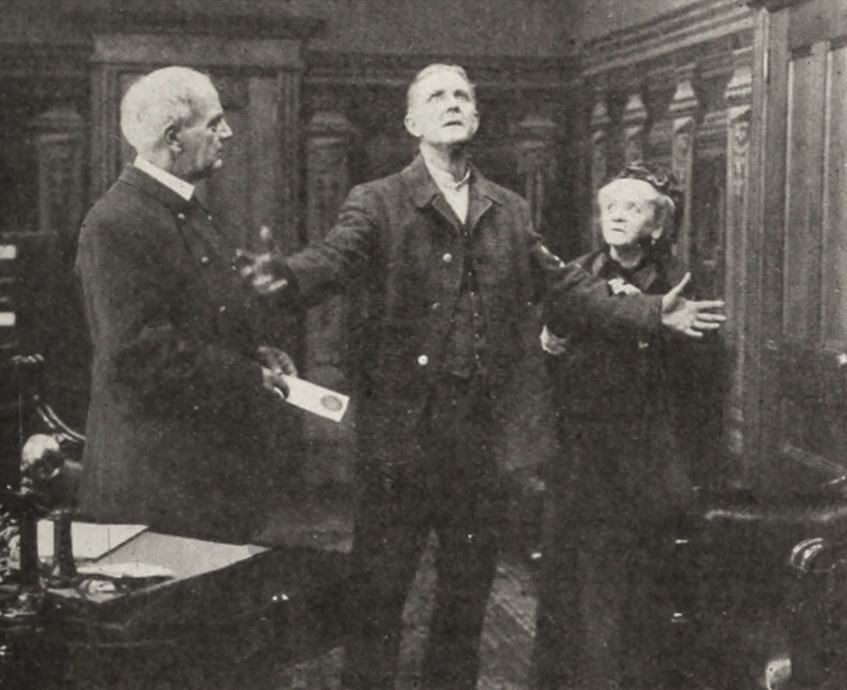
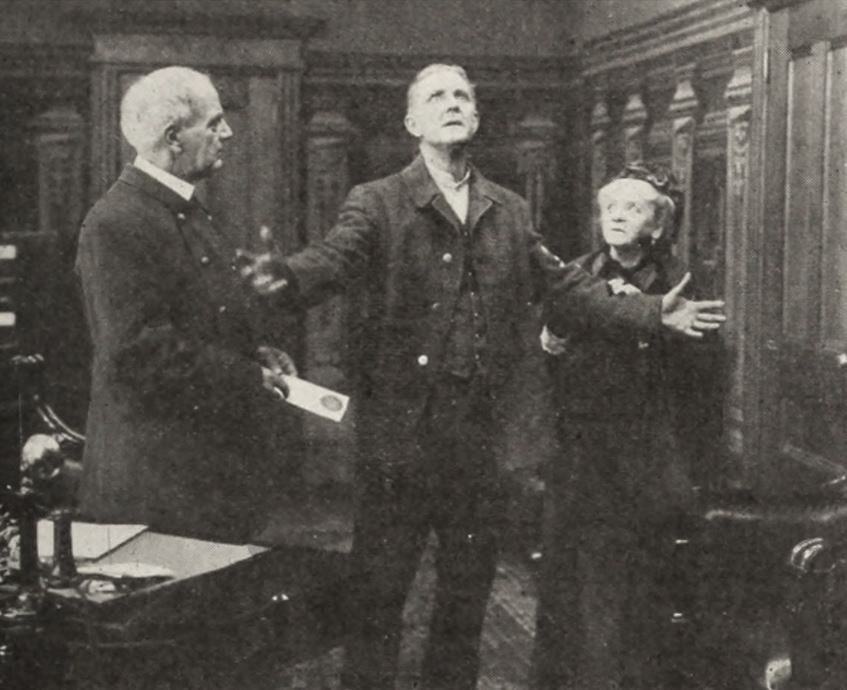
Catherine Proctor plays Ed with a gait that gradually collapses inward: early scenes show shoulders squared toward bourgeois respectability; by year twenty the same shoulders curve like a parenthesis around a vacuum. The transformation is so incremental you only notice when a flashback insert juxtaposes the two bodies. Ada Boshell’s Dora has less screen time but etches herself on the film’s memory through absence—every subsequent domestic tableau feels haunted by her curtailed future. Charles Hutchison’s Tom Matthews exudes the smug cruelty of unexamined power: watch how he adjusts his collar after perjuring testimony, a tiny sartorial smirk that says world maintained.
Silent cinema often collapses years into minutes via cutaway calendars; Not Guilty weaponizes ellipsis. The intertitle “Nineteen Years Later” lands with the thud of a headstone. We are denied the gradual erosion of appeals, the drip of hope into despair; instead, time is amputated. That brutality parallels Ed’s own experience—he exits one temporal corridor only to find decades amputated from his life. The shock kills Dora off-screen, her death reported in a letter delivered by a warden whose face we never see again. The film understands that narrative itself can be carceral: it withholds, isolates, condemns.
Grandmaternal devotion becomes the moral spine. While governors dither and priests mutter platitudes, Ed’s mother (un-named in surviving prints) stalks corridors of power with the tenacity of Antigone. Her costuming subtly shifts: black veil at the trial, gray shawl at the commutation, white bonnet at the pardon—visual stanzas in a poem of relentless advocacy. She is the film’s answer to the bureaucratic shrug, proof that memory can be insurgency.
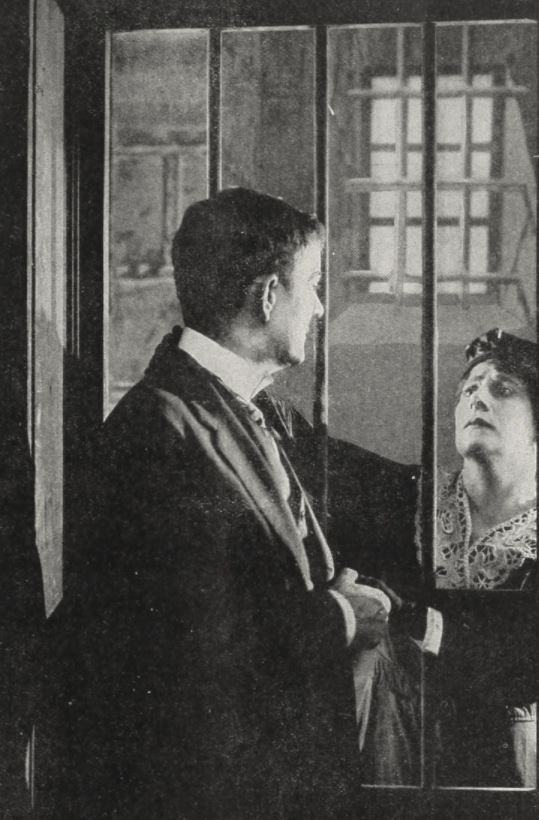
When adult Ruth (also played by Proctor via double exposure) falls for Paul Matthews, the plot risks Victorian contrivance. Yet the film stages their flirtation against the penitiary visiting room’s grated glass, so every caress is mediated by carceral geometry. Their union literalizes the way injustice ricochets across generations. The screenplay refuses to sanctify Ruth; she is drawn to Paul partly because his surname promises social mobility, a cruel irony that implicates her in the very machinery that devoured her parents. Their eventual rupture—Paul cannot stomach the paternal exoneration—feels earned, not schematic.
Gardner’s deathbed confession arrives via epistolary insert: ink smudged by tremor, breath fogging the lens. The scene could have played as deus ex machina; instead it underscores the arbitrariness of salvation. Justice delayed is not merely denied—it is reduced to paperwork shuffled post-mortem. The Governor’s pardon, stamped and sealed, resembles a passport issued after the ship has sunk.
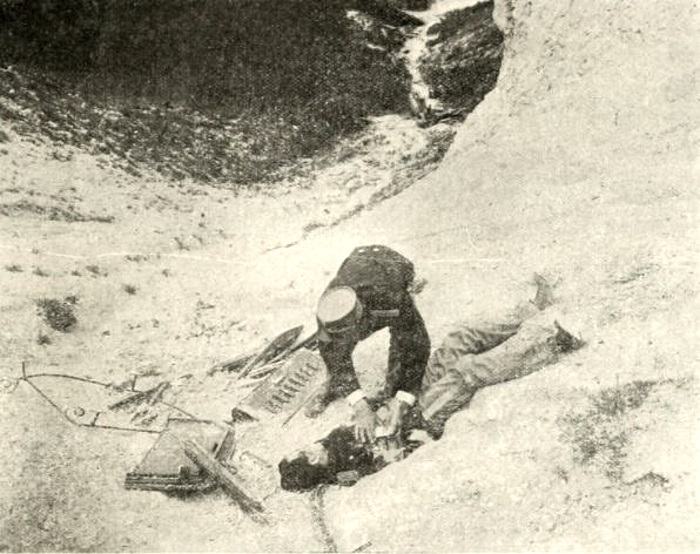
The coda on the beach stages catharsis as farce. Ed, newly freed, body still vibrating to rhythms of confinement, dashes into surf to rescue a stranger. The drowned man proves to be Tom Matthews, now bloated by brine, badge gone, authority erased. Ed’s instinctive heroism collides with karmic bookkeeping: he saves the life of the man who ruined his, only to find that life already vacated. Recognition dawns without dialogue—Proctor’s face cycles through pity, triumph, exhaustion in a ten-second close-up that rivals any intertitle for eloquence. The ocean, indifferent, drags the corpse back toward its maw, suggesting history’s habit of swallowing evidence.
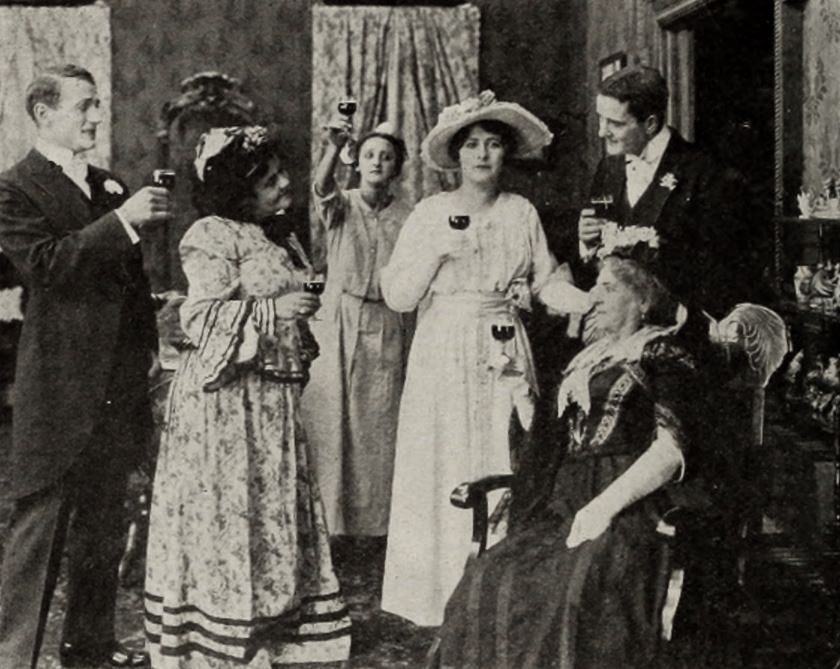
Viewers versed in silent-era fatalism will detect reverberations of The Student of Prague—doubles, cursed bargains, the self as nemesis. Yet Not Guilty lacks the Germanic supernatural; its horror is institutional. Where The Cheat channels racialized paranoia and Rule G indicts corporate rapacity, this film trains its lens on the banality of civic malpractice. It plays like a missing link between Dickensian sentiment and noir nihilism.
Surviving prints derive from a 35mm negative rediscovered in a deconsecrated church in Rochester; mildew had eaten the emulsion like spiritual doubt. Digital 4K scanning restored tonal gradation, yet scratches remain, flickering like neurasthenia. The original tinting—amber for interiors, cerulean for exteriors, cobalt for prison—has been recreated via photochemical dye, lending each locale emotional chroma. The Mont Alto Motion Picture Orchestra’s new score eschews melodramatic thumps, opting instead for a motif of rising dissonance that resolves, unresolved, on a major-minor seventh chord.
In an era when algorithmic risk scores guide bail decisions and carceral populations balloon, Not Guilty feels less antique than prophetic. The film grasps that the state’s gravest violence is not the moment of conviction but the temporal looting—years, relationships, metabolisms devoured. It warns that testimony, like celluloid, can warp in the projector’s heat. Most shatteringly, it insists that exoneration is not resurrection: Ed exits prison gray, arthritic, alien to his own child, speaking in the slow cadences of a man who has learned language inside a cage. The beach reunion offers no transcendent montage, only the awkward logistics of strangers sharing DNA.
For cinephiles who revere the ethical chiaroscuro of Sin or the matriarchal ferocity of Your Girl and Mine, Not Guilty is essential—an unvarnished indictment of jurisprudential hubris wrapped in a bruised love letter to filial endurance. It will not comfort, but it will complicate your nostalgia for silent cinema as mere slapstick and fainting heroines. Watch it, then donate to your local innocence project; art and action, like guilt and its denial, are links in an unbreakable chain.
(Available for streaming on archival platforms supporting tinting metadata; Blu-ray from Kino Lorber coming Fall 2025 with essay by yours truly.)
IMDb —
1913
Community
Log in to comment.