DbcultAccessing Vault...
6.1/10
Senior Film Conservator
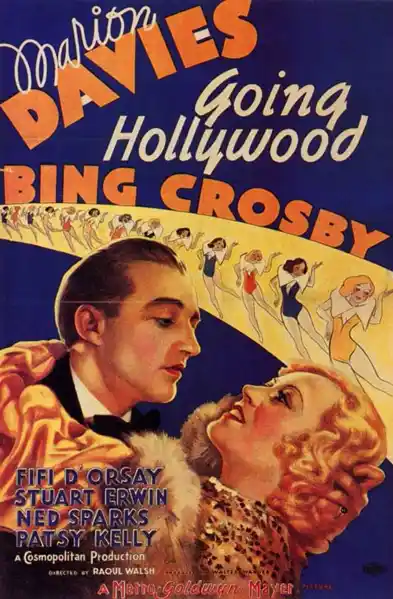
A definitive 6.1/10 rating for a film that redefined the boundaries of cult cinema. Going Hollywood remains a cornerstone of transgressive art.
If you have any patience for 1930s musical comedy, you might actually get a kick out of Going Hollywood. It’s light, it’s fluffy, and it’s basically just an excuse to let Bing Crosby do his thing while Marion Davies runs around looking slightly overwhelmed by the whole industry. If you hate old studio musicals or think Bing’s voice is too smooth to be real, stay far away.
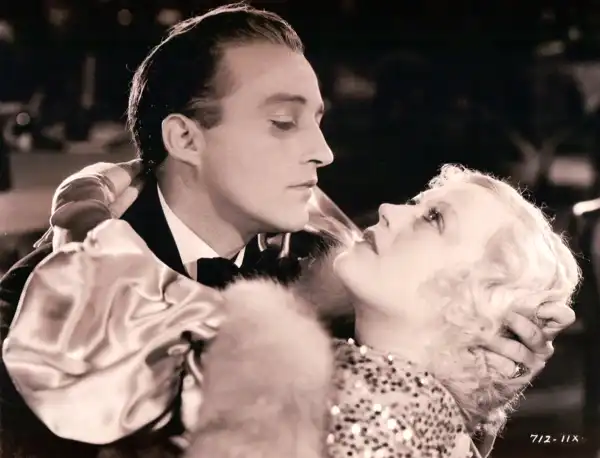
The plot is exactly as thin as you’d expect. A teacher ditches her job to stalk a radio star? Sure, why not. It doesn’t need to be logical because the movie spends half its time just waiting for the next musical number to start.
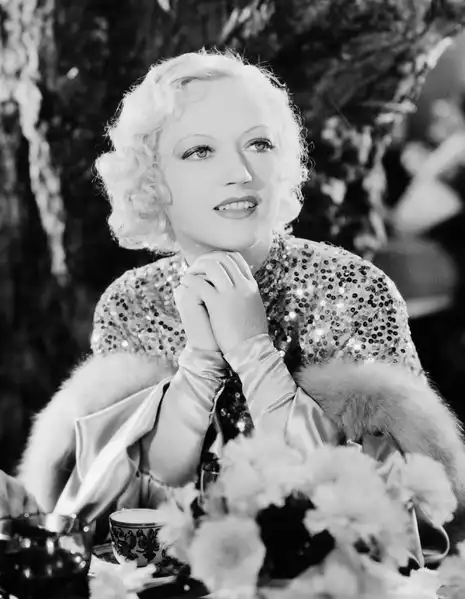
Speaking of those numbers, there is one sequence involving a giant staircase that goes on for a lifetime. I’m pretty sure I could have made a sandwich and come back, and they would still be dancing.
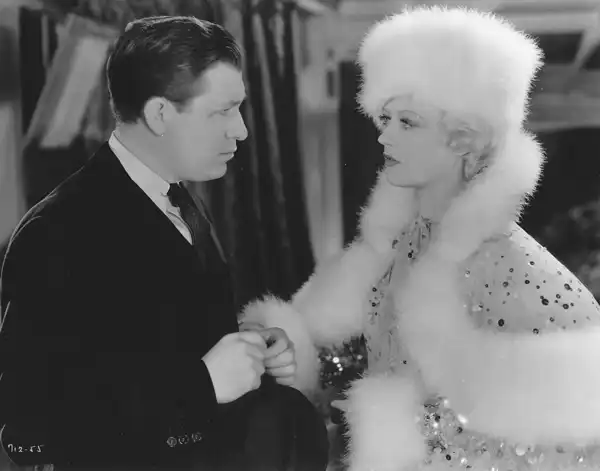
It’s funny how these movies treat fame like it’s a physical object you can just stumble over. Everyone is constantly bumping into everyone else on the backlot. There’s no privacy, no walls, just sets.
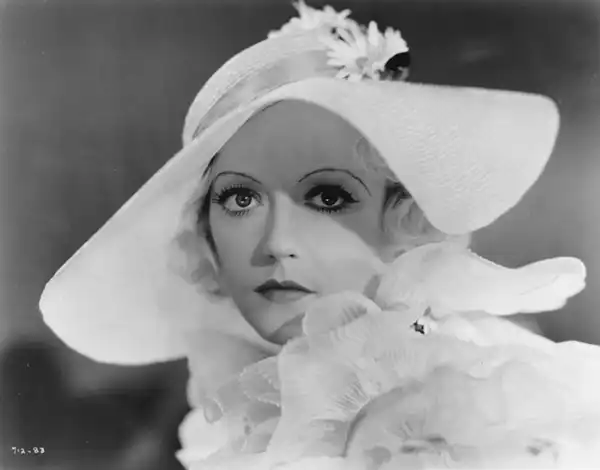
I couldn't help but think about how much different the tone is compared to something like Why Be Good? which has that snappy, pre-code edge. Here, everything is polished until it shines like a mirror. Sometimes I missed the grit, but honestly, there's a comfort in the artifice.
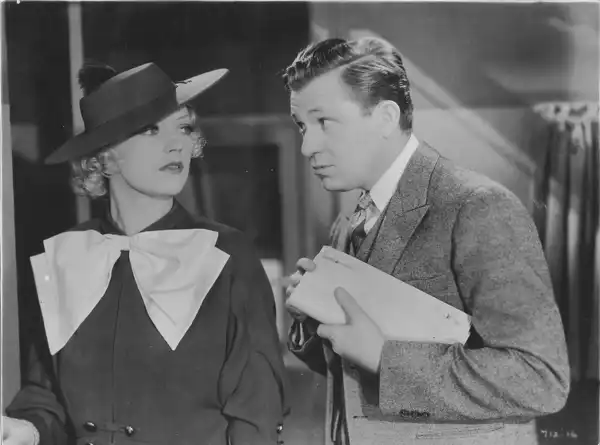
Wallace Beery shows up and pretty much steals every frame he’s in. He’s the only one who looks like he actually ate breakfast that morning. Everyone else is just floating on a cloud of high-key lighting.
It doesn't have the soul-searching depth of Golden Dreams, but it isn't trying to. It’s a movie that knows it’s a movie. It’s like a piece of candy you eat too fast. You get the sugar hit, you smile, and then it’s over. No point in overthinking it.
Also, notice how often the background extras are just standing there, waiting for the cue to look busy. It’s kind of hypnotic once you start watching them instead of the main characters. They’re really committed to the art of pretending to have a conversation while nobody actually speaks.
Is it a masterpiece? Absolutely not. But if you want to see what Hollywood thought it looked like in 1933, you could do a lot worse than this.
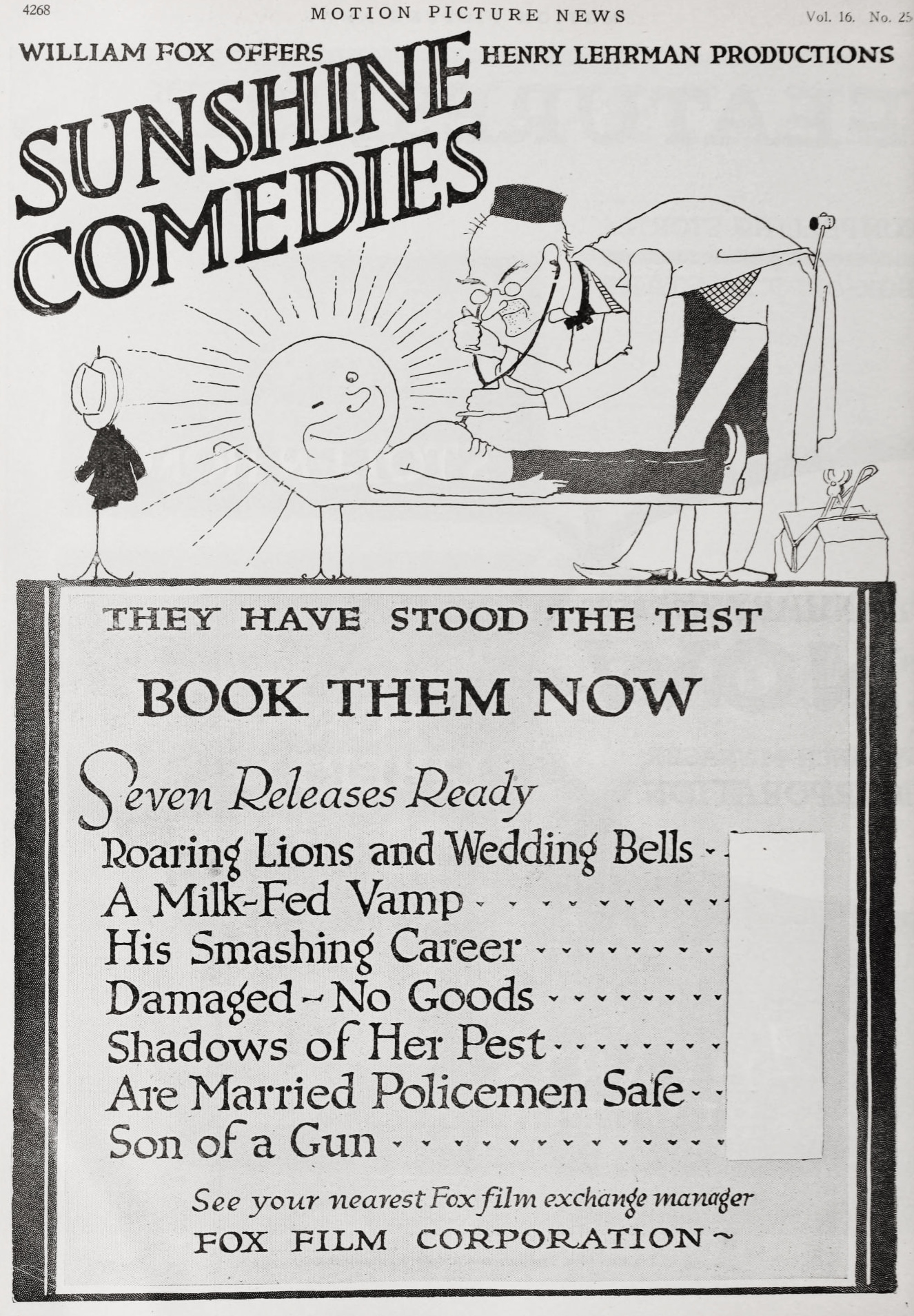
IMDb —
1918
Community
Log in to comment.