DbcultAccessing Vault...
6/10
Senior Film Conservator
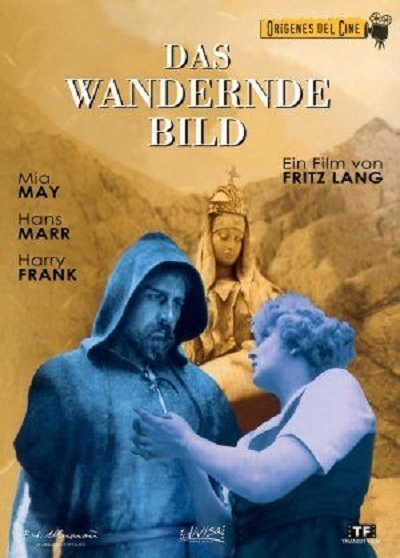
A definitive 6/10 rating for a film that redefined the boundaries of cult cinema. The Wandering Image remains a cornerstone of transgressive art.
To witness Das wandernde Bild (The Wandering Image) is to observe the architectural blueprint of Fritz Lang’s obsession with predestination and the inescapable gravity of human error. Before the mechanical precision of Metropolis or the forensic chill of M, Lang was experimenting with the raw materials of folk-legend and high melodrama. This 1920 collaboration with Thea von Harbou functions as a pivotal bridge between the 19th-century theatrical tradition and the emerging visual language of German Expressionism. Unlike the lighthearted deceptions found in A Wife by Proxy, Lang’s exploration of identity is fraught with a heavy, almost suffocating sense of spiritual debt. The film operates on a plane where the landscape is not merely a backdrop but an active participant in the moral evolution of its protagonists.
The narrative’s reliance on the doppelgänger motif—a staple of Germanic lore—allows Lang to dissect the duality of the masculine psyche. Rudolf Klein-Rogge, a recurring figure in Lang's filmography, provides a foundational intensity that would later define his more iconic roles. Here, the tension is not merely between two brothers, but between two opposing worldviews: the libertine hedonism of 'free love' and the structured, perhaps repressive, sanctuary of traditional commitment. This struggle is framed against the daunting majesty of the Alps, which Lang captures with a proto-documentary zeal, utilizing natural light and shadow to heighten the internal turmoil of Irmgard.
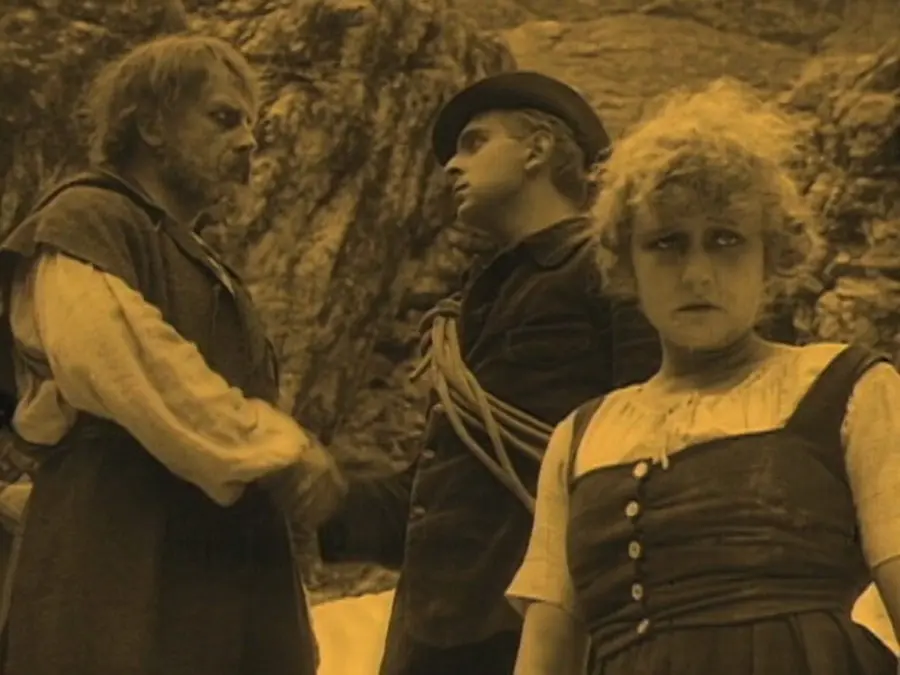
Mia May delivers a performance that transcends the standard histrionics of the silent era. Her portrayal of Irmgard is a masterclass in controlled pathos. She navigates the transition from a woman scorned to a figure of hagiographic significance with a grace that anchors the film’s more outlandish plot contrivances. While Dolly Does Her Bit might treat feminine agency with a playful lightness, The Wandering Image demands a visceral endurance from its lead. Irmgard is a vessel for the anxieties of a post-war Germany, a nation grappling with the collapse of old moral certainties and the frightening ambiguity of the new.
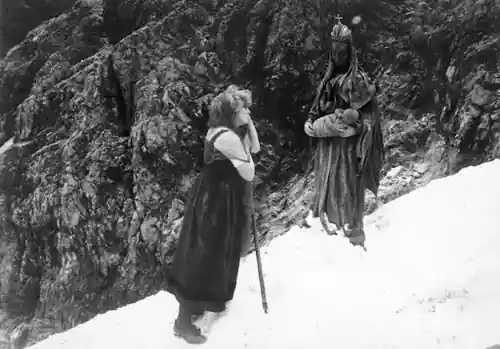
The visual composition often places May in positions that mimic religious iconography. When she is mistaken for the statue of the Madonna, the film enters a realm of mystical realism. This isn't the whimsical fantasy of The Patchwork Girl of Oz; rather, it is a somber reflection on the human need for symbols of purity in a world defiled by duplicity. The 'wandering' aspect of the image refers not just to her physical movement through the mountains, but to the displacement of her soul as she attempts to reconcile her motherhood with her social standing.
The use of twins—John and Wil Brand—serves as a sophisticated device to explore the fragmentation of character. While contemporary films like The False Friend utilized similar tropes for suspense, Lang and von Harbou use it to interrogate the nature of love itself. Is Irmgard’s eventual union with John a form of healing, or is it a haunting repetition? The film leaves this question simmering beneath its surface. The physical resemblance between the two men creates a cinematic vertigo, forcing the audience to share in Irmgard’s disorientation.
Hans Marr’s dual performance is subtle yet effective, demarcating the brothers through posture and gaze rather than overt theatricality. This subtlety is a precursor to the psychological depth Lang would later afford his villains. The shadow cast by the 'evil' brother looms over the 'good' brother’s attempts at redemption, suggesting that our past actions are never truly discarded but are merely worn by different versions of ourselves. This theme of the inescapable double is far more potent here than in the more straightforward redemption arcs of The Return of Draw Egan.
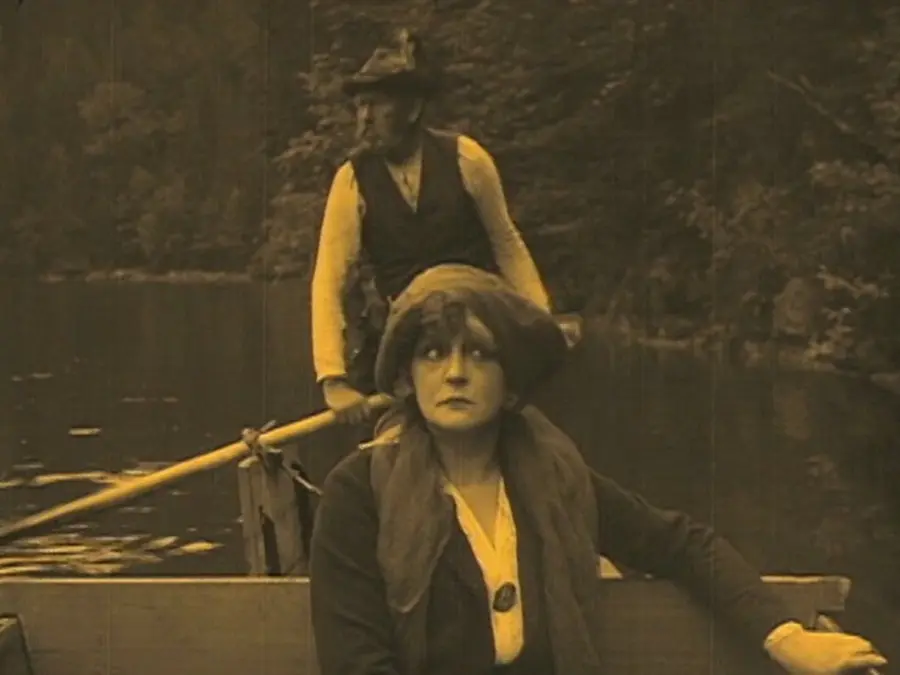
Technically, The Wandering Image is a revelation of early location shooting. Lang’s refusal to remain within the confines of a studio—a preference he would later invert for his more stylized urban epics—results in a film that feels remarkably modern in its scale. The cinematography captures the jagged textures of the rock and the ethereal quality of the mountain mist with a clarity that rivals the work of his Scandinavian contemporaries, such as those behind Sønnen. There is a palpable sense of danger in the mountain sequences, a verisimilitude that elevates the melodrama into a survivalist epic.
The editing, though constrained by the technology of 1920, shows glimpses of the rhythmic montage that would become Lang’s signature. The cross-cutting between the storm-lashed peaks and the internal emotional states of the characters creates a symphonic resonance. Unlike the static framing often found in Whispering Smith, Lang’s camera is inquisitive, constantly seeking the angle that best expresses the crushing weight of the environment on the human spirit.
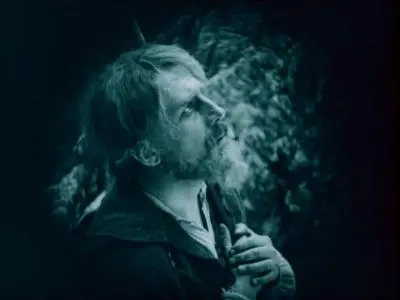
One cannot discuss this film without acknowledging the significant impact of Thea von Harbou. Her screenplay infuses the story with a heavy philosophical burden, transforming what could have been a simple tale of betrayal into a treatise on the virtues of sacrifice. While some critics argue that her influence steered Lang toward an excess of sentimentality, in The Wandering Image, this sentimentality is tempered by Lang’s cold, analytical eye. The result is a unique alchemy—a film that is both deeply felt and intellectually rigorous.
The dialogue intertitles are florid, yet they possess a poetic density that reflects the height of Weimar literary culture. Compared to the more utilitarian prose of His Buddy or the populist appeal of Rich Man, Poor Man, Harbou’s writing demands a more contemplative engagement. She is interested in the intersections of myth and modernity, a theme that would reach its zenith in the couple’s later masterwork, Die Nibelungen.
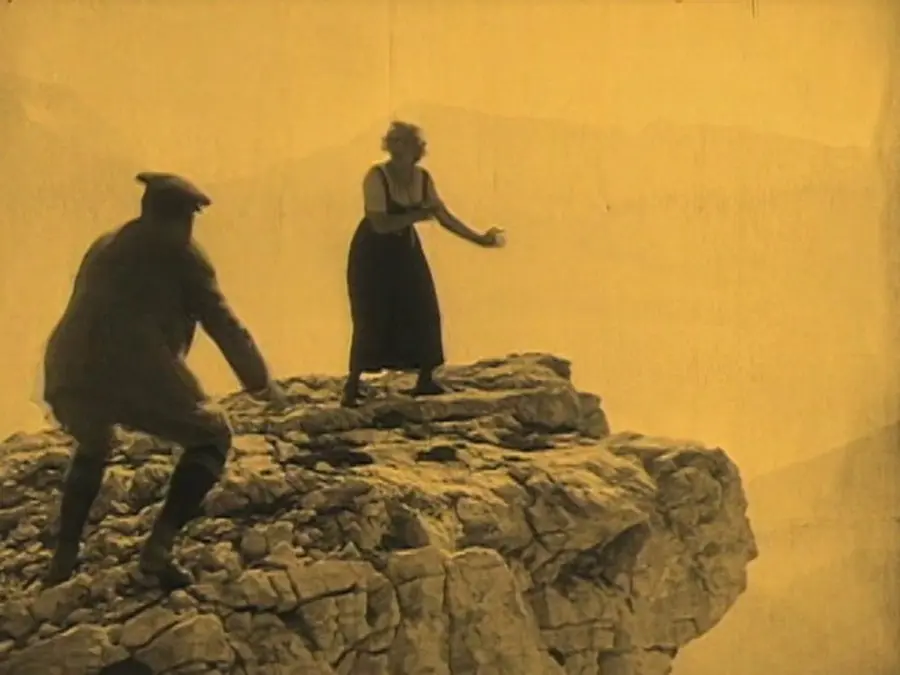
For decades, The Wandering Image existed only in a severely truncated form, its full impact obscured by the ravages of time. The recent restorations have allowed us to appreciate the film’s complex tonal shifts and its sophisticated use of tinting. It stands as a testament to the fact that Lang was a visionary from the very start of his career, already grappling with the themes of identity, surveillance, and the cruelty of fate. While it may lack the polished perfection of his later Hollywood noir period, it possesses a raw, unbridled energy that is utterly captivating.
In the broader context of silent cinema, it occupies a space similar to Satanasso in its willingness to confront the darker, more irrational aspects of the human condition. It is a film of shadows and light, of mountaintops and abysses. For the modern viewer, it offers a window into the soul of an artist who was beginning to understand that the camera could do more than just record reality—it could create a new, phantasmagorical world where the wandering image of the truth might finally be captured. Whether compared to the romantic escapism of The Romance of Tarzan or the gritty realism of other contemporary dramas, Lang's work remains singular, a monolith of early cinematic ambition that continues to cast a long, intriguing shadow over the history of the medium.
IMDb —
1918
Community
Log in to comment.