DbcultAccessing Vault...
5.9/10
Senior Film Conservator
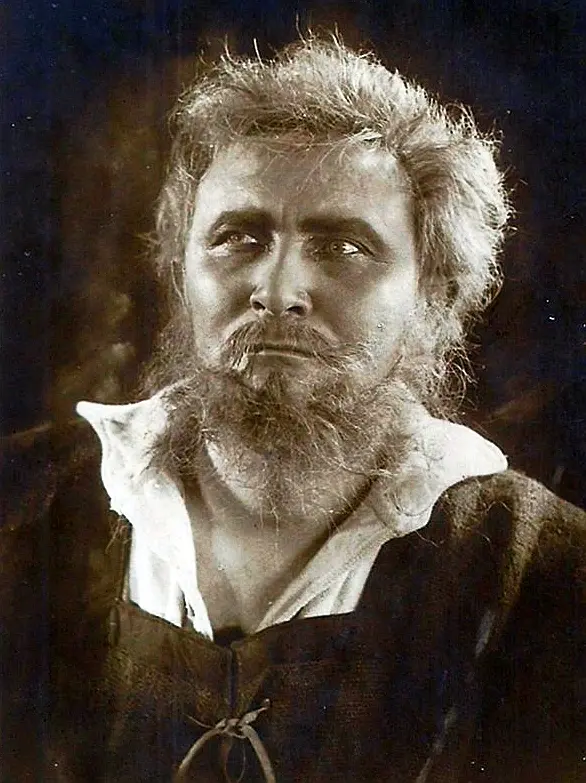
A definitive 5.9/10 rating for a film that redefined the boundaries of cult cinema. Götz von Berlichingen zubenannt mit der eisernen Hand remains a cornerstone of transgressive art.
Does this 1925 adaptation of Goethe’s historical drama still command the screen a century later? Short answer: Yes, but only if you have the patience for the deliberate, heavy-handed theatricality of the Weimar era’s historical epics. It is a film that demands your attention not through fast-paced action, but through the sheer weight of its ideological conflicts and its stark, expressive imagery.
This film is for the dedicated cinephile who treats the silent era as a primary source of cultural evolution and for those who find the intersection of literature and early cinema fascinating. It is absolutely NOT for anyone looking for a swashbuckling adventure in the vein of Douglas Fairbanks or modern medieval blockbusters. This is a dense, often clunky, but undeniably powerful meditation on the death of chivalry.
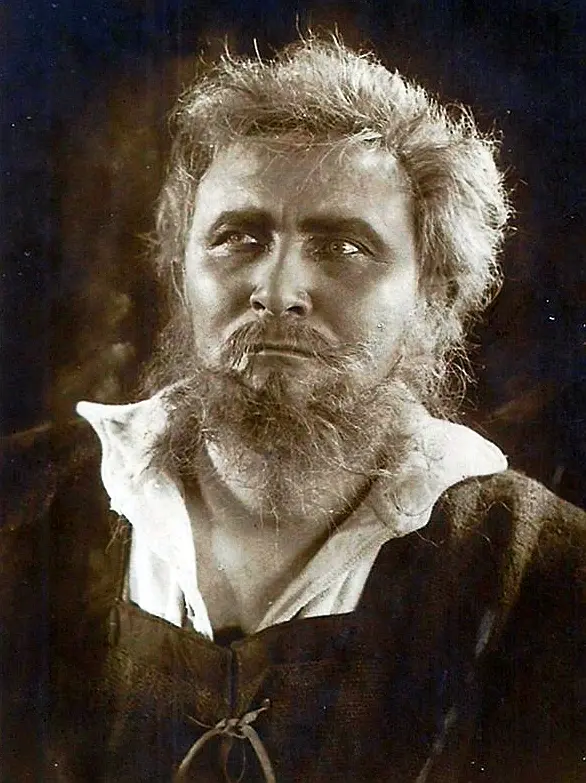
1) This film works because it captures the visceral, physical reality of Götz’s isolation through Fritz Kampers’ rugged, unpolished performance.
2) This film fails because it remains too tethered to its theatrical origins, often sacrificing cinematic flow for the sake of preserving Goethe’s dense dialogue through extensive intertitles.
3) You should watch it if you want to see how early German cinema grappled with national identity and the transition from feudalism to the modern state.
To answer the question of whether Götz von Berlichingen zubenannt mit der eisernen Hand is worth your time, one must look past the grainy texture of the surviving prints. If you are looking for a film that explores the soul of a man who feels the world slipping away from him, the answer is a resounding yes. It’s a film that feels remarkably contemporary in its cynicism toward political institutions. However, if you struggle with the slow-burn pacing of 1920s German cinema, you might find yourself checking the clock more often than the screen.
The central motif of the iron hand is handled with a surprising lack of sentimentality. In many silent films of the era, such a prosthetic would be treated as a gimmick or a source of horror, much like the distorted figures in Dämon und Mensch. Here, however, Hubert Moest uses it as a symbol of Götz’s rigidity. The hand is cold, unyielding, and powerful—much like the knight’s own moral code. When Kampers grips a goblet or a sword with that mechanical fist, you feel the burden of his history.
Consider the scene where Götz is first betrayed by Weislingen. The camera lingers on the contrast between the soft, silk-clad hands of the court and the harsh, metallic clank of Götz’s prosthetic. It is a visual shorthand for the entire conflict of the film: the clash between the visceral reality of the battlefield and the polished deception of the court. This isn't just a period piece; it's a study in textures. The sets are heavy with stone and wood, creating a sense of claustrophobia that mirrors the shrinking world of the free knights.
Fritz Kampers is the anchor of the film. Unlike the more polished performances seen in American imports like Manhattan from the previous year, Kampers brings a certain earthiness to the role. He looks like a man who has spent his life in armor. His movements are heavy, his expressions grounded in a weary kind of nobility. He doesn't play Götz as a hero, but as a survivor who is slowly realizing that his survival no longer matters.
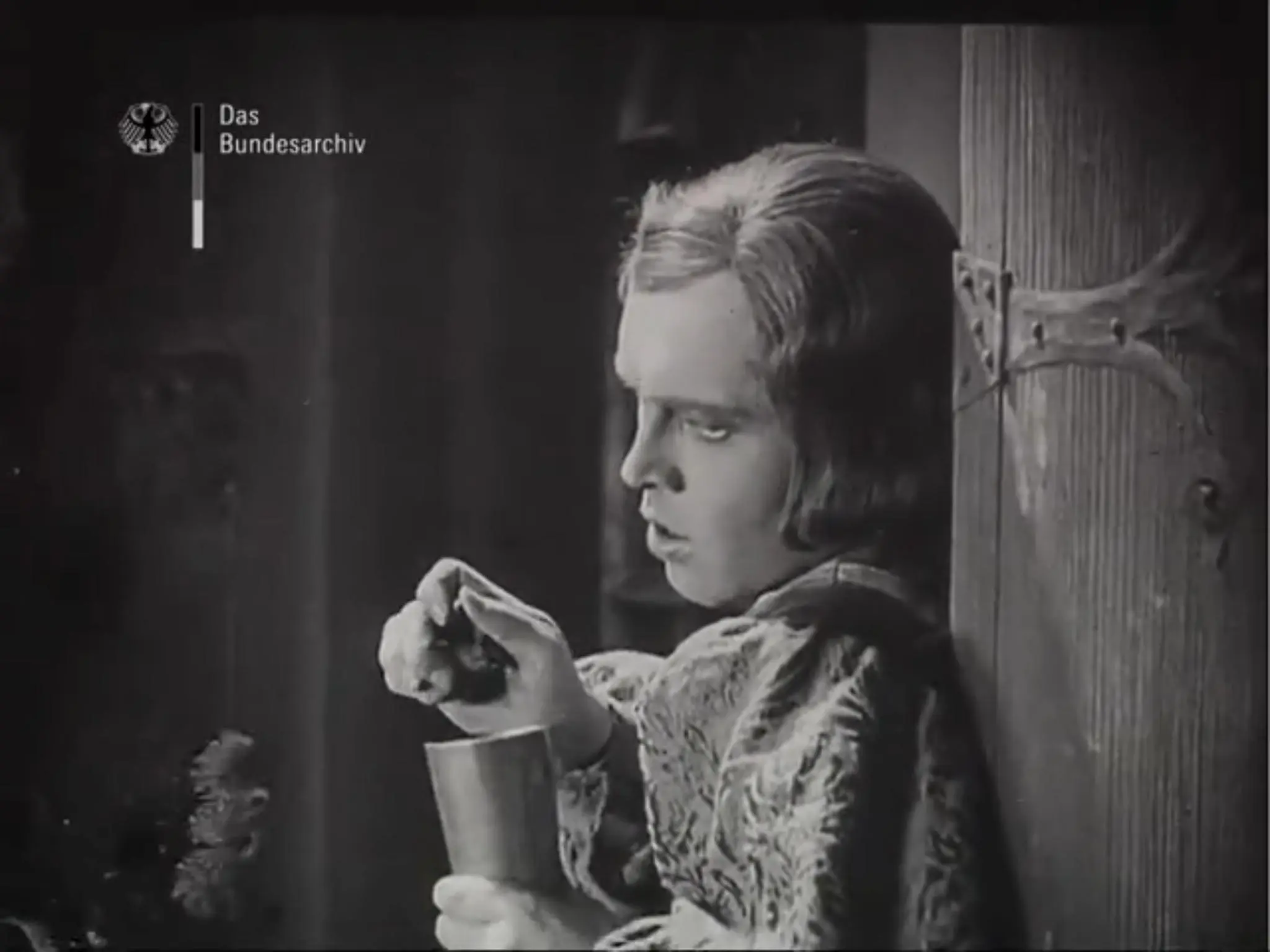
On the other side of the spectrum, we have Fritz Rasp. Rasp is, as always, a master of the unsettling. His presence as Adelbert von Weislingen provides the necessary friction. While Kampers is all grit and iron, Rasp is all shadow and shifting eyes. The chemistry between them—a mixture of old affection and new-found resentment—drives the film’s middle act. It is far more compelling than the broader battle scenes, which occasionally feel disorganized and poorly paced compared to the intimate betrayals in the castle chambers.
Hubert Moest faced a monumental task in adapting Goethe. The play is famously sprawling and episodic, a hallmark of the "Sturm und Drang" movement. In many ways, the film suffers from this loyalty. There are moments where the narrative momentum grinds to a halt to accommodate a secondary plot or a philosophical debate. Unlike the focused melodrama of Still Waters, this film tries to encompass an entire era, and it occasionally collapses under its own ambition.
However, Moest’s use of space is impressive. He utilizes the verticality of the castle sets to create a sense of hierarchy. The Bishop of Bamberg is often shot from lower angles, making him appear as an immovable monolith of the church, while the peasants are often filmed in wide, chaotic shots that emphasize their lack of cohesion. It’s a sophisticated visual language that compensates for the sometimes-stilted acting of the supporting cast. The lighting, while not as extreme as the expressionism found in Caligari, uses deep blacks and sharp highlights to suggest a world where the light of the old ways is being extinguished.
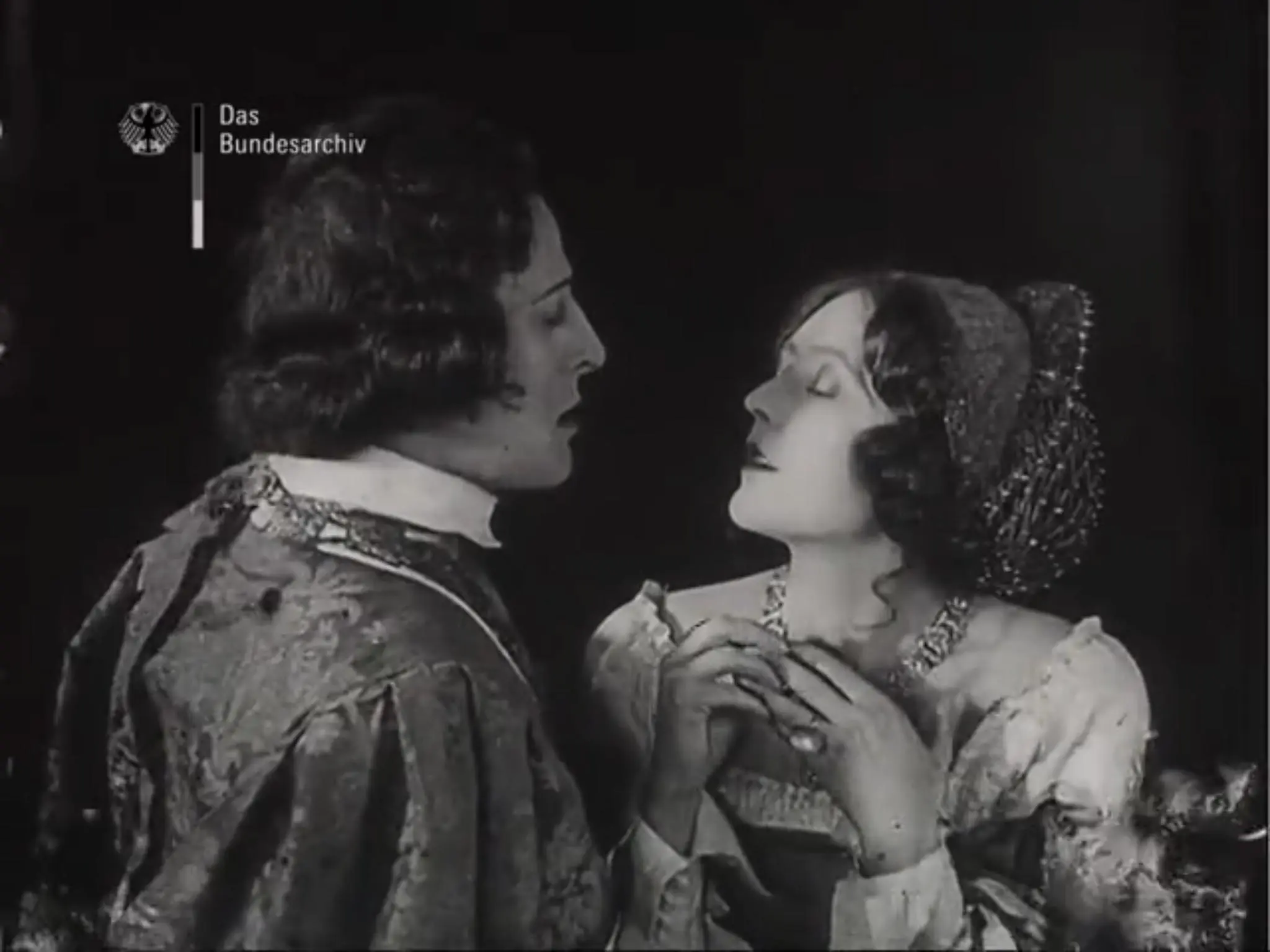
One cannot discuss this film without mentioning the cinematography. While it lacks the fluid camera movements of later silent masterpieces, there is a static grandeur to the frames. The scene of the secret court—the Vehmgericht—is particularly striking. The hooded figures, the flickering torches, and the absolute silence (even in a silent film, the visual silence is palpable) create an atmosphere of dread that rivals any modern thriller. It feels ancient. It feels dangerous.
This is where the film succeeds most: in its ability to transport the viewer to a specific, uncomfortable moment in history. It doesn't romanticize the 16th century. It presents it as a time of filth, blood, and difficult choices. Compare this to the more stylized romance of A Circus Romance, and you see the breadth of what silent cinema was attempting during this period. Moest isn't interested in escapism; he's interested in the friction of history.
Pros:
The film features exceptional set design that feels lived-in and authentic. Fritz Rasp delivers a nuanced performance that elevates the villainy beyond a caricature. The thematic depth regarding the loss of individual autonomy in the face of state power remains incredibly relevant.

Cons:
The editing is often jarring, particularly during the transition between the intimate castle scenes and the larger peasant uprisings. Some of the supporting performances are overly theatrical, even by silent film standards, leading to moments that feel more like a filmed stage play than a motion picture.
Götz von Berlichingen zubenannt mit der eisernen Hand is a difficult, stubborn, and ultimately rewarding piece of cinema. It is not a masterpiece of fluid storytelling, but it is a masterclass in atmosphere and thematic consistency. It works. But it’s flawed. The film sits as a bridge between the theatrical past and the cinematic future, much like its protagonist sits between two eras of history. It is a fossil that still has a heartbeat.
While it may not have the universal appeal of The Masquerader, it offers a much deeper, more cynical look at the human condition. If you can handle the weight of the iron hand, you will find a film that stays with you long after the final intertitle fades. It is a brutal, honest look at the end of an era, and for that alone, it deserves to be remembered.
Community
Log in to comment.