DbcultAccessing Vault...
6/10
Senior Film Conservator
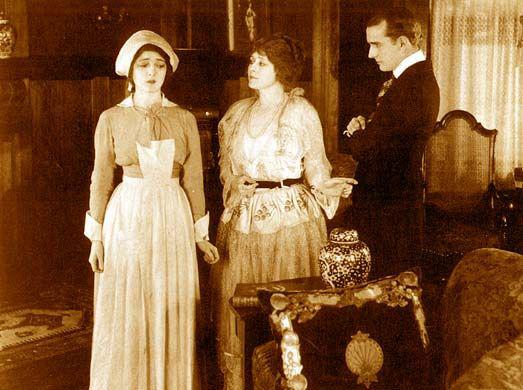
A definitive 6/10 rating for a film that redefined the boundaries of cult cinema. The Heart of Nora Flynn remains a cornerstone of transgressive art.
Stepping back into the annals of early cinema, one often encounters narratives that, despite their age and the technical limitations of their era, resonate with a timeless power. Such is the case with The Heart of Nora Flynn (slug: the-heart-of-nora-flynn), a silent film released in 1916 that, even through the grainy lens of history, offers a poignant exploration of loyalty, class divides, and the often-unseen sacrifices made by those occupying society's lower rungs. Directed with a keen eye for human drama, this picture, penned by the astute minds of Jeanie Macpherson and Hector Turnbull, crafts a world where the quiet dignity of a servant can overshadow the moral failings of her employers.
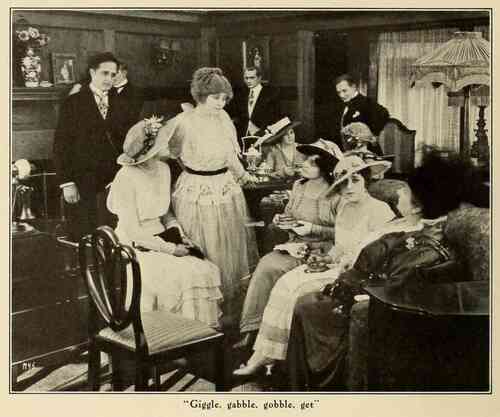
At its core, The Heart of Nora Flynn is a melodrama, yes, but one imbued with a surprising depth of character, primarily through the performance of Marie Doro as the titular Nora. Doro, a prominent stage actress who transitioned to film, brings a luminous intensity to Nora, a nursemaid whose life is a delicate balance of service and unspoken desires. She is not merely a background figure in the grand house of Mrs. Lewis McCord; she is an emotional anchor, a silent observer whose own heart beats with a yearning for the family's chauffeur, Nolan. This forbidden romance, simmered beneath the surface, provides a stark contrast to the overt, scandalous affair of her mistress. The film cleverly uses these parallel narratives to highlight the hypocrisy and double standards prevalent in the social strata of the time.
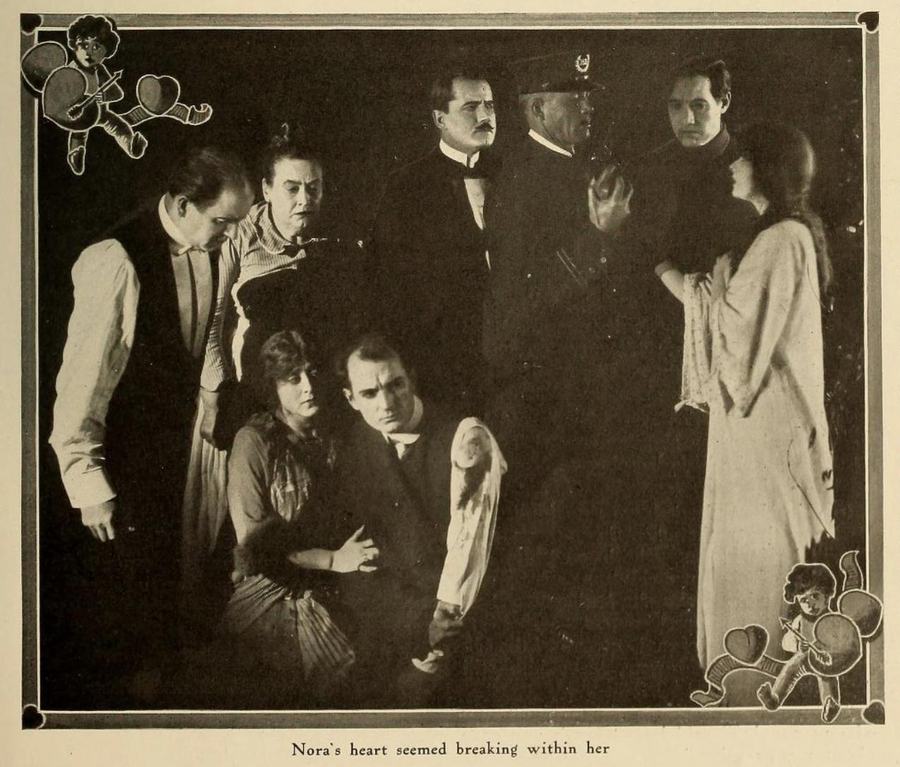
The narrative truly ignites when Nora finds herself thrust into a moral quandary. Her mistress, Mrs. Lewis McCord, played by an actress whose portrayal conveys a certain brittle elegance, embarks on an extramarital dalliance. When the lover needs a hiding place, it is Nora's room, a sanctuary of her modest existence, that becomes the unexpected refuge. This act of concealment, born perhaps from a complex mix of duty, empathy, and a quiet protectiveness, sets in motion a chain of events with tragic repercussions. It's a moment that could easily be played for cheap thrills, but Doro's nuanced performance elevates it, suggesting a deeper understanding of human frailty rather than mere complicity.
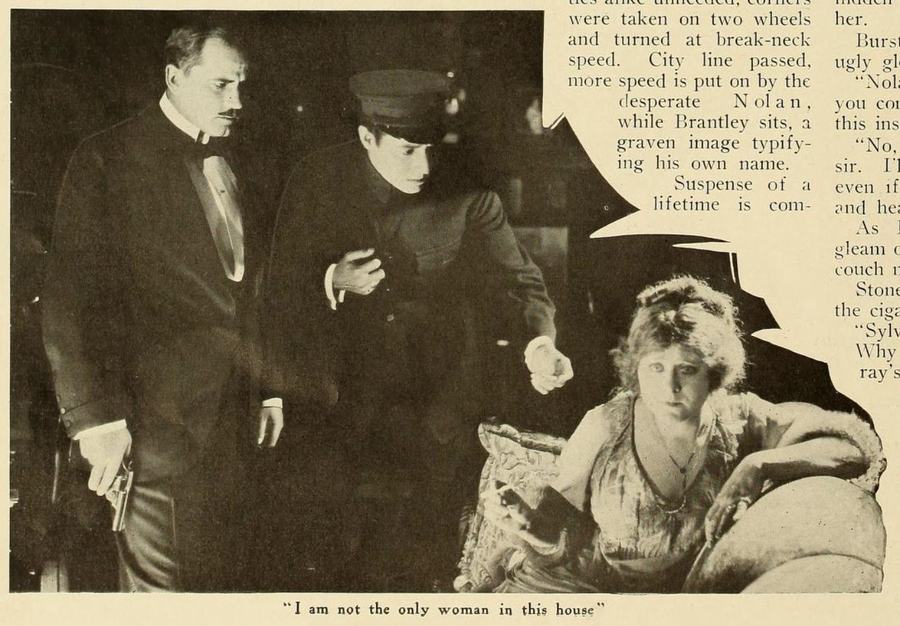
The catalyst for the film's dramatic climax is Nolan, the chauffeur, played by Elliott Dexter. His jealousy, a simmering ember throughout the early parts of the film, erupts into a violent conflagration upon discovering the hidden lover in Nora's room. The ensuing confrontation, culminating in a gunshot, is a pivotal moment, not just for the plot, but for the thematic exploration of the film. Nolan's actions, while destructive, are rooted in a misguided passion, a stark reminder of how easily love can curdle into possessiveness and violence. The bullet, intended for the lover, strikes both men, and tragically, Nora herself. This act of violence is not just physical; it shatters the fragile peace of the household and exposes the raw nerves of its inhabitants.
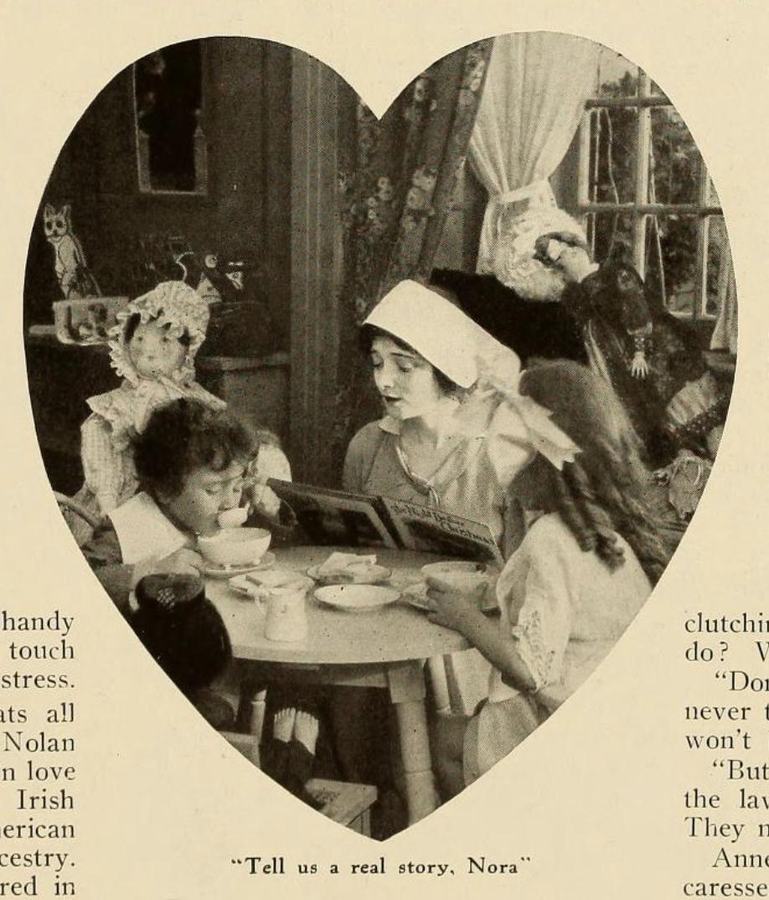
What follows is a testament to Nora's unwavering character. Dismissed from her position, her reputation sullied, she steadfastly refuses to betray her mistress's secret. This refusal is not born of a lack of self-preservation, but rather a profound sense of loyalty and an almost stoic acceptance of her fate. It’s a powerful statement on the moral fortitude that can exist in the most unexpected places. In an era where a woman's reputation was paramount, Nora's silence, even in the face of such personal cost, speaks volumes about her inner strength and moral compass. This aspect of her character echoes the quiet resilience seen in other films of the period where women, particularly those of lower social standing, often bore the brunt of societal judgment, much like characters in The Vow, where personal sacrifice for a greater good forms the narrative backbone.
The directorial choices throughout The Heart of Nora Flynn, while adhering to the conventions of silent cinema, effectively build tension and convey emotion. Close-ups on Doro's expressive face allow the audience to delve into Nora's internal struggles, her heartbreak, and her resolve without the need for spoken dialogue. The pacing, though perhaps slower by modern standards, allows for a deliberate unfolding of the drama, giving weight to each moral dilemma and emotional beat. The use of intertitles is judicious, providing necessary exposition without overwhelming the visual storytelling. This film, like many of its contemporaries, relied heavily on the actors' ability to convey complex emotions through gesture and facial expression, a skill Marie Doro possessed in abundance.
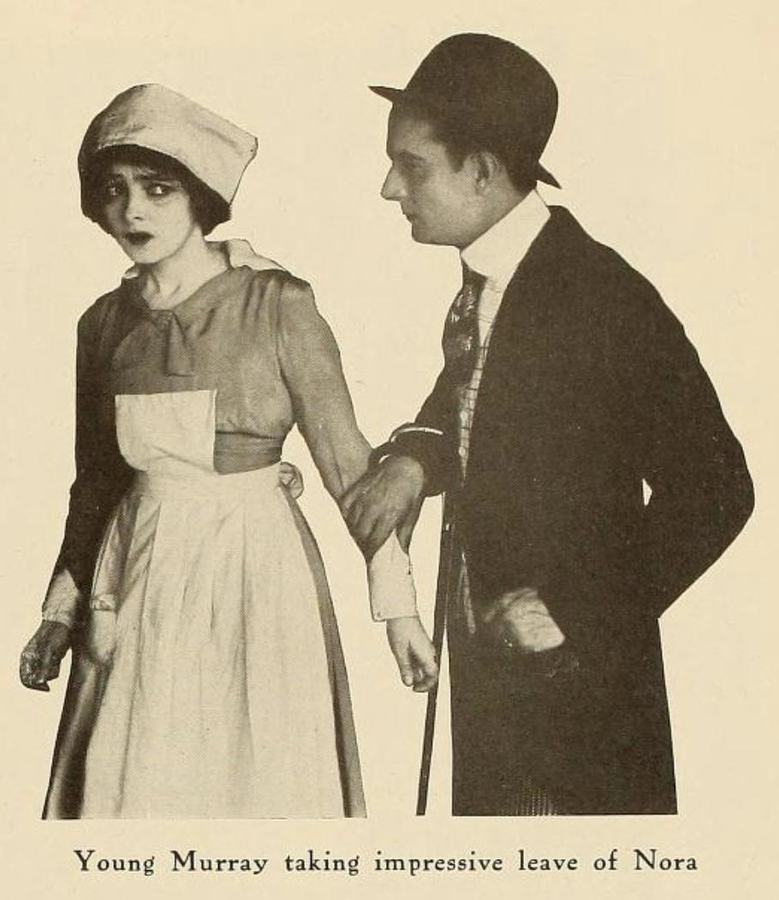
Examining The Heart of Nora Flynn today offers more than just a historical curiosity; it provides valuable insight into the narrative techniques and thematic concerns that captivated audiences over a century ago. The film's exploration of class distinction is particularly potent. Nora, the unassuming nursemaid, possesses a moral integrity that stands in stark contrast to the moral laxity of her aristocratic employers. This inversion of expectations—where virtue resides not in wealth or status but in character—is a recurring theme in many silent dramas, challenging the prevailing social hierarchies of the time. The film subtly critiques the superficiality of the upper class, whose scandalous affairs are ultimately shielded by the sacrifice of those beneath them.
The cast, though largely overshadowed by Doro's central performance, contributes to the film's overall effectiveness. Lola May, Ernest Joy, Charles West, Lucien Littlefield, Peggy George, and Billy Jacobs, each in their respective roles, help to flesh out the world of the McCord household, creating a believable ensemble of characters caught in the web of deceit and passion. Their performances, while perhaps broader than what we might expect today, were perfectly calibrated for the silent screen, conveying emotion with clarity and impact. The seamless integration of these supporting players ensures that Nora's story feels grounded within a larger, bustling domestic sphere.
One cannot discuss early silent films without acknowledging the craft of the writers. Jeanie Macpherson and Hector Turnbull, in shaping this narrative, demonstrated an acute understanding of dramatic structure and character development. They crafted a story that, despite its melodramatic flourishes, explores universal themes of love, betrayal, and sacrifice with a surprising degree of psychological realism for its time. Their ability to build tension and create compelling moral dilemmas without the aid of spoken dialogue is a testament to their skill. The screenplay provides a robust framework upon which the actors, particularly Doro, could build their memorable performances. This foundational strength in writing is often what separates truly enduring silent films from mere historical footnotes, much like the intricate plotting often admired in dramas such as Under Cover, which relies on a well-crafted narrative to sustain its intrigue.
The film's exploration of female agency, or the lack thereof, is another compelling aspect. Nora's power lies not in overt action, but in her steadfast refusal to compromise her integrity. Her silence, rather than signifying weakness, becomes her ultimate strength, a defiant act of self-possession in a world that seeks to define and diminish her. This makes her a proto-feminist figure in a subtle way, a woman who, despite her societal constraints, holds firm to her moral convictions. This theme of quiet strength and resilience can be found in other compelling narratives of the era, such as A Daughter of the Gods, where the protagonist often navigates a patriarchal world with an inner fortitude that transcends physical power.
While The Heart of Nora Flynn may not possess the grand scale of an epic like Spartacus or the transformative horror of The Wolf Man, its significance lies in its intimate portrayal of human drama. It is a film that speaks to the universal experience of unrequited love, the pain of betrayal, and the quiet heroism found in everyday acts of sacrifice. It reminds us that even in the absence of spoken dialogue, cinema possessed a profound capacity to convey complex emotional landscapes and explore weighty societal issues. The visual language of the silent film, with its reliance on expressive acting and evocative cinematography, often achieved a poetic quality that is uniquely powerful.
The lasting impact of films like The Heart of Nora Flynn lies in their ability to transcend their historical context and continue to provoke thought and emotion. They serve as crucial documents of cinematic evolution, showcasing the foundational elements of storytelling that continue to influence filmmaking today. For enthusiasts of early cinema, or anyone interested in the development of dramatic narrative on screen, this film offers a valuable and engaging viewing experience. It is a testament to the enduring power of a compelling story, well-told, regardless of the technological advancements that have occurred since its creation.
In conclusion, The Heart of Nora Flynn is more than just a relic from the silent era; it is a vibrant piece of cinematic history that still beats with a powerful emotional rhythm. Marie Doro's performance as Nora is a masterclass in silent acting, embodying a character whose quiet strength and unwavering loyalty leave an indelible mark. The film's exploration of class, sacrifice, and the complexities of human relationships remains as relevant today as it was over a century ago. It’s a film that deserves to be rediscovered, not just for its historical significance, but for its timeless portrayal of the human heart in all its fragile, resilient glory. Its narrative, while rooted in melodrama, achieves a certain gravitas through its earnest performances and insightful commentary on societal expectations. It stands as a powerful example of how early cinema, through the masterful craft of its writers and actors, could delve into profound human experiences with eloquence and enduring impact. The quiet tragedy and moral triumph of Nora Flynn resonate long after the final frame, making it a noteworthy entry in the pantheon of early American cinema.
IMDb —
1928
Community
Log in to comment.