DbcultAccessing Vault...
Cult Review
Senior Film Conservator
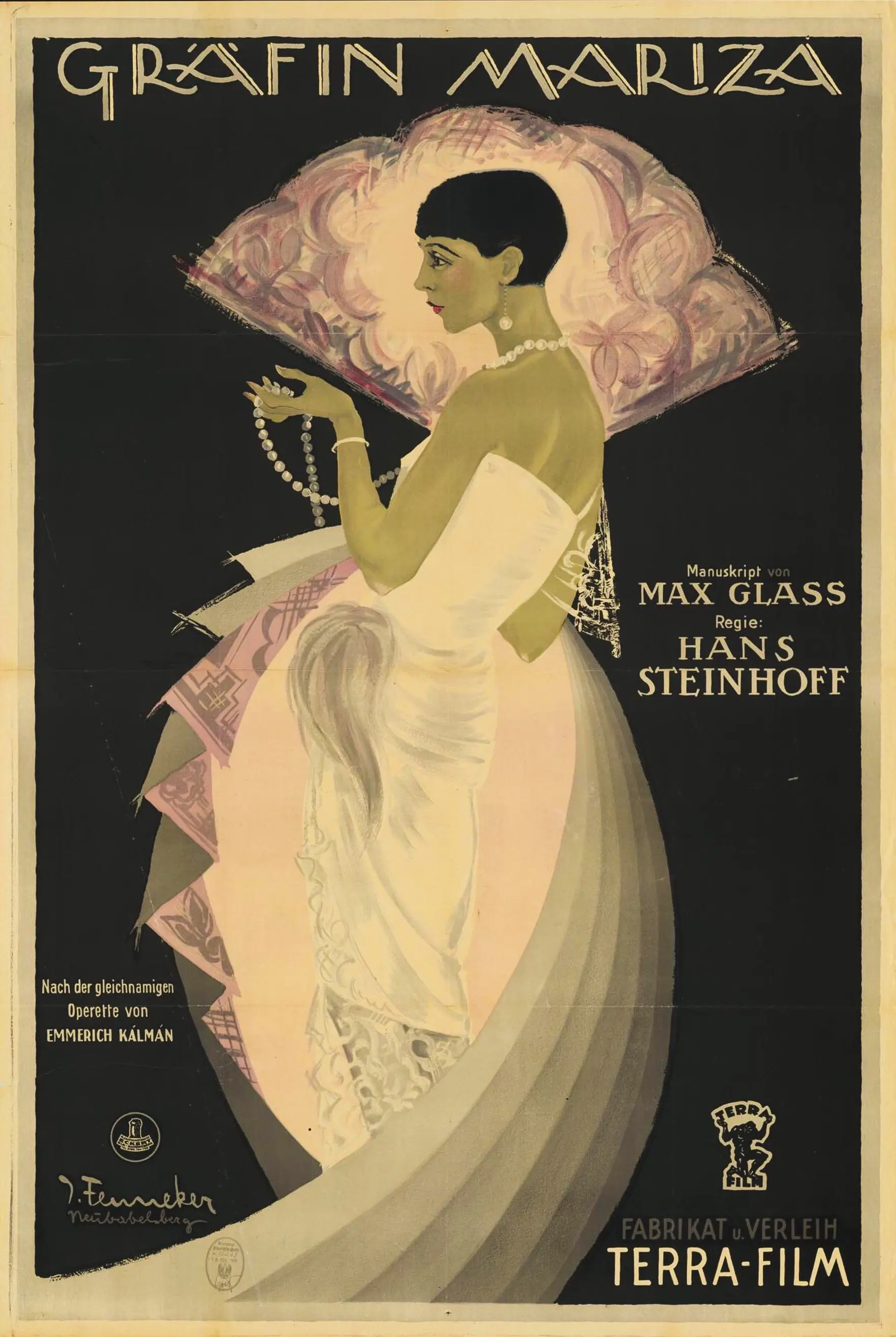
In 'Gräfin Mariza', a subtle and nuanced exploration of power dynamics and personal conflict unfolds on the grand stage of an opera adaptation. The film centers around Countess Mariza, a rare visit to her estate marking a complex intersection of her authority and the manager's autonomy.
The narrative is a carefully choreographed dance between the countess and her estate's manager, Fritz Spira, played with a palpable tension by Wilhelm Diegelmann. Their relationship is a carefully balanced tightrope, where every line and gesture carries weight and meaning. The manager, portrayed by Spira, is a man of considerable experience and influence, his presence a constant reminder of the countess's isolation and the limits of her authority.
Countess Mariza, played by Hedwig Pauly-Winterstein, is a character of regal bearing and unyielding will. Her return to the estate is not merely a visit but a confrontation, a test of her resolve and a reaffirmation of her role. The countess's every move is a calculated dance, a performance of power that is both a private and a public spectacle. Her interactions with the manager are a battle of wits, each exchange a carefully orchestrated performance that leaves no room for misinterpretation.
Julius Brammer and Max Glass's screenplay is a masterclass in dialogue and subtext, where every line is dripping with the unspoken and the unsaid. The tension between the characters is palpable, a simmering cauldron of emotions that threatens to boil over at any moment. The film's pacing is deliberate, allowing for moments of silence and contemplation that add depth to the narrative.
The cinematography by Robert Garrison and Ernö Verebes is a visual feast, using the grandeur of the estate to enhance the film's themes of power and isolation. Each shot is meticulously framed, capturing the splendor of the setting while also highlighting the characters' emotional states. The use of light and shadow creates a sense of drama and tension, making the film a visual experience as rich as its narrative.
The supporting cast, including Vivian Gibson, Carl Geppert, and Siegfried Berisch, add depth and complexity to the story. Each character is a facet of the larger narrative, their interactions with the central characters adding layers to the film's exploration of power dynamics. The film's exploration of these dynamics is both universal and specific, drawing parallels between the personal and the political, the domestic and the grand.
'Gräfin Mariza' is a film that demands attention and engagement. It is not for the casual viewer but for those who appreciate the art of storytelling through a combination of dialogue, performance, and visual elements. The film's themes are timeless, resonating with current discussions about leadership, authority, and the individual's place in the broader social and political landscape.
The film's connection to opera is a rich and rewarding aspect of its storytelling. The use of operatic elements, such as the grandiose set pieces and the emotional intensity of the performances, elevates the narrative to a level of theatricality that is both captivating and immersive. The film's exploration of power through the lens of opera is a unique and compelling approach, making it a standout in its genre.
For those looking to explore films that delve into the nuances of power and personal conflict, 'Gräfin Mariza' is a must-see. It is a film that is as much about the characters as it is about the broader themes it explores. The film's masterful storytelling and performances make it a testament to the art of cinema.
While 'Gräfin Mariza' stands on its own, it is worth noting its place among other films of its era. Comparisons can be drawn with films such as 'Phantom Fortunes' and 'The Man in the Moonlight', both of which explore similar themes of power and personal struggle. However, 'Gräfin Mariza' offers a unique perspective, one that is both nuanced and deeply engaging.
In conclusion, 'Gräfin Mariza' is a film that demands attention and engagement. It is a masterpiece of storytelling that explores the complexities of power and personal conflict through the lens of opera. Its rich characters, masterful performances, and visual beauty make it a standout in its genre. For cinephiles and art enthusiasts alike, 'Gräfin Mariza' is a film that is both a pleasure and a challenge, one that rewards close attention and repeated viewings.
IMDb 5.9
1933
Community
Log in to comment.