DbcultAccessing Vault...
6/10
Senior Film Conservator
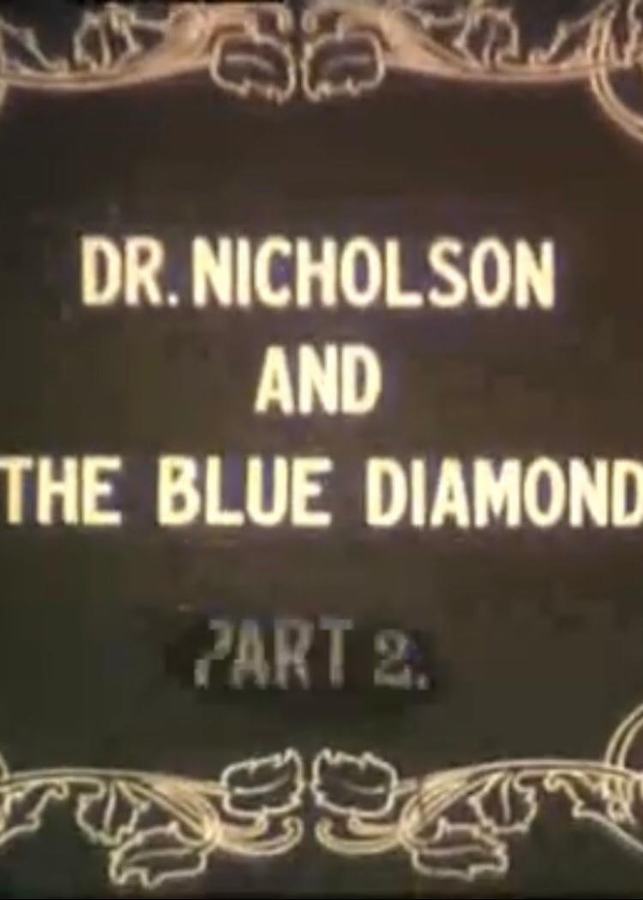
A definitive 6/10 rating for a film that redefined the boundaries of cult cinema. Doctor Nicholson and the Blue Diamond remains a cornerstone of transgressive art.
A cobalt comet skims across the nickelodeon heavens—Doctor Nicholson and the Blue Diamond—its tail blazing with fin-de-siècle desperation and the acrid perfume of tungsten-lit grifters.
Mogens Falck’s 1912 celluloid sonata arrives like a forged passport from a continent that has already pawned its own reflection. The plot, ostensibly a hunt for a gemstone, unspools into a meditation on value itself: how a shard of irradiated carbon can become sovereign, confessor, executioner. Count Jules de Barton—played by Holger Reenberg with the velvet insouciance of a man who has sold his last vineyard to buy a one-way ticket to myth—steps onto the gangplank at Ellis Island and the film’s aperture dilates to swallow entire centuries of aristocratic detritus.
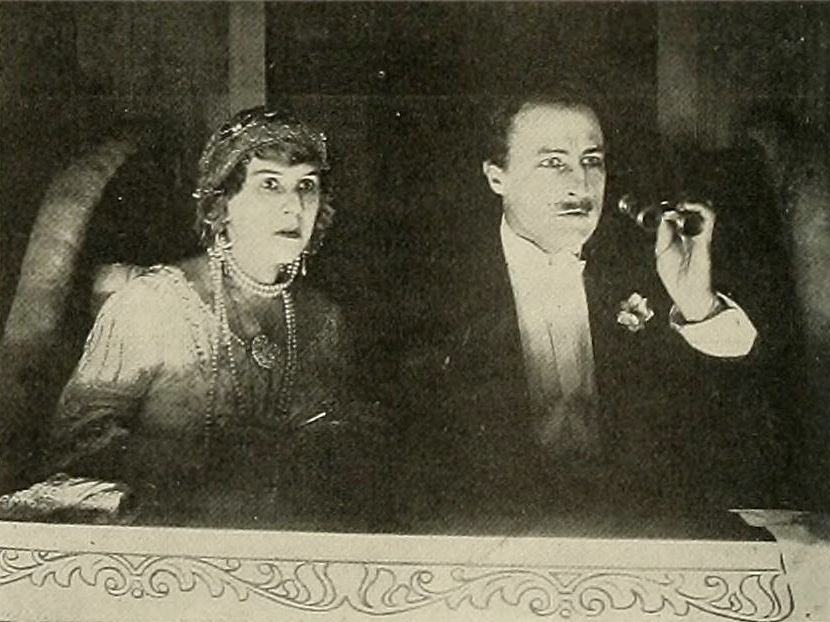
There is no Statue of Liberty in frame; only a customs officer whose moustache drips bureaucratic disdain, and a suffragette pamphlet that will later serve as tinder for an anarchist fuse.
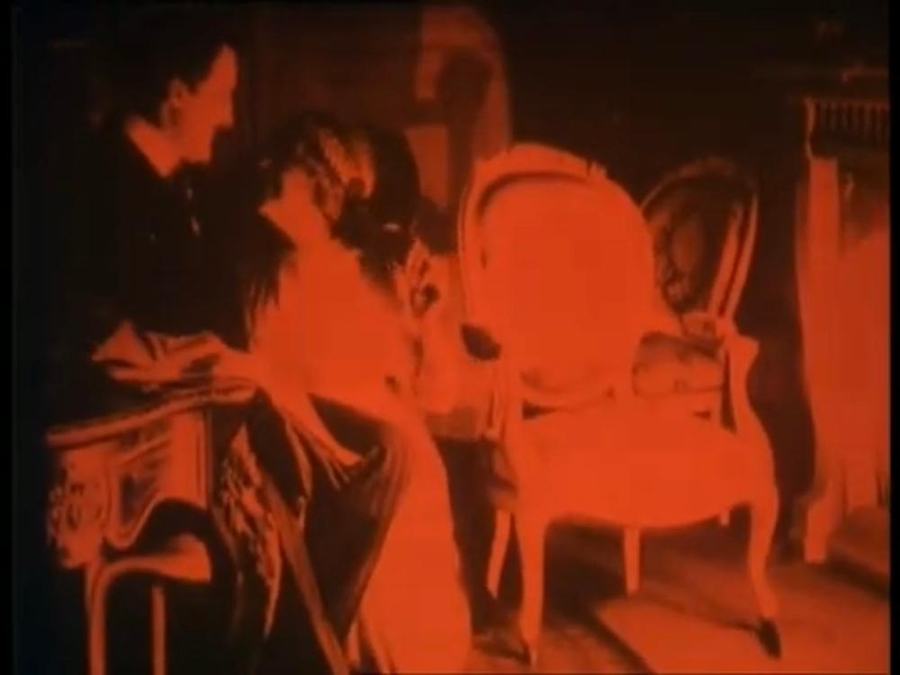
Edith Buemann, equal parts Pavlova and piratical firebrand, pirouettes through riotous union halls. Her eyes—twin sapphires already—carry the diamond’s after-image, as though the stone were merely a metastasized portion of her own iris. When she conceals it inside a hollow button, the close-up is so intimate you can taste the oxidized brass. De Verdier’s detective, lantern-jawed and Biblically certain, trails her with the zeal of a man who believes property crime is original sin made visible.
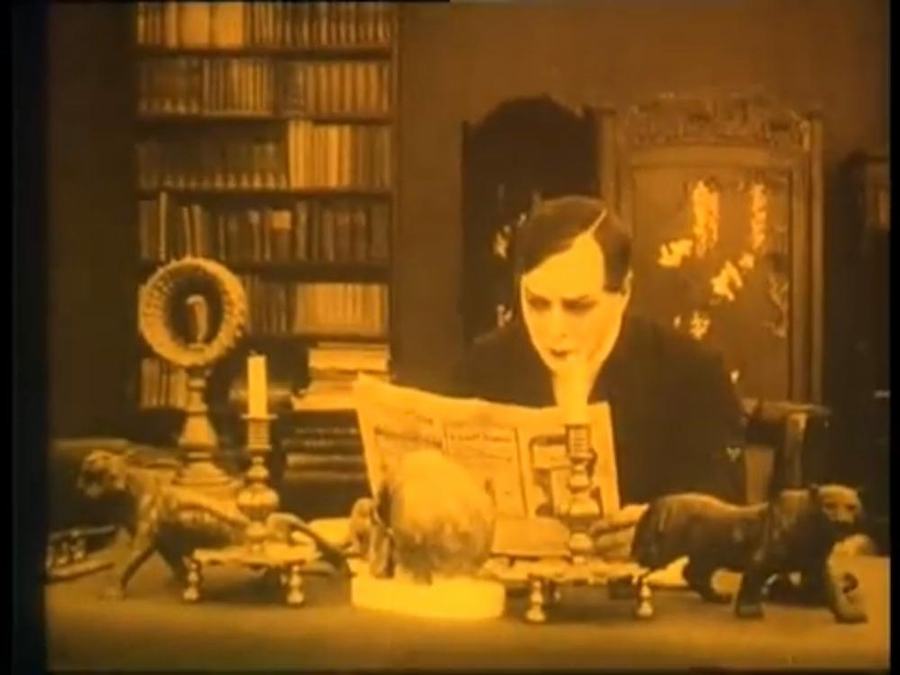
Falck’s direction favors chiaroscuro that would make later German Expressionists blush. Chicago’s stockyard smoke becomes a living scrim, through which elevated trains strobe like verdicts. In a banquet sequence lit entirely by magnesium flares, the count—now masquerading as “Doctor Nicholson, Ethnographic Adviser to the President”—lectures on phrenology while palming silver spoons. The editing cadence accelerates, matching the syncopated heartbeats of pickpockets; then, without warning, intertitles vanish for ninety seconds, forcing the viewer to read lips and shoulder-blades. It is a gambit so modern it feels like a typo in history’s ledger.
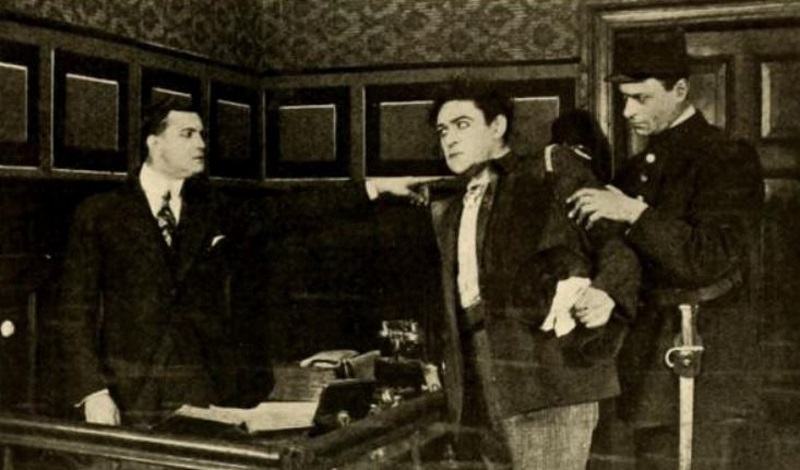
The diamond itself is never granted a glamour shot. We glimpse it only in prismatic shards: refracted through a policeman’s helmet, caught for a frame inside a glass of seltzer, finally hurled from a trestle into a blizzard where it becomes indistinguishable from stellar debris. Thus Falck refuses commoditization of the MacGuffin; the curse is not spectral but economic—every hand that touches the gem contracts fiscal leprosy.
Compare this anti-commodity to the glittering hoard in The Count of Monte Cristo or the religious relics in From the Manger to the Cross; here, transcendence is replaced by liquidity, salvation by solvency.
Reenberg’s count never twirls moustaches—his villainy is too exhausted for histrionics. In a midnight café he teaches a chorus girl to conjugate the subjunctive in French; when she asks why, he replies, “Because poverty is grammatically incorrect.” The line, delivered in intertitle cards whose font mimics bankrupt ledgers, drew reported gasps at Copenhagen’s Panoptikum. Contemporary critics compared the performance to Fantômas, yet Reenberg’s menace is inverse: a predator who suspects he is already carrion.
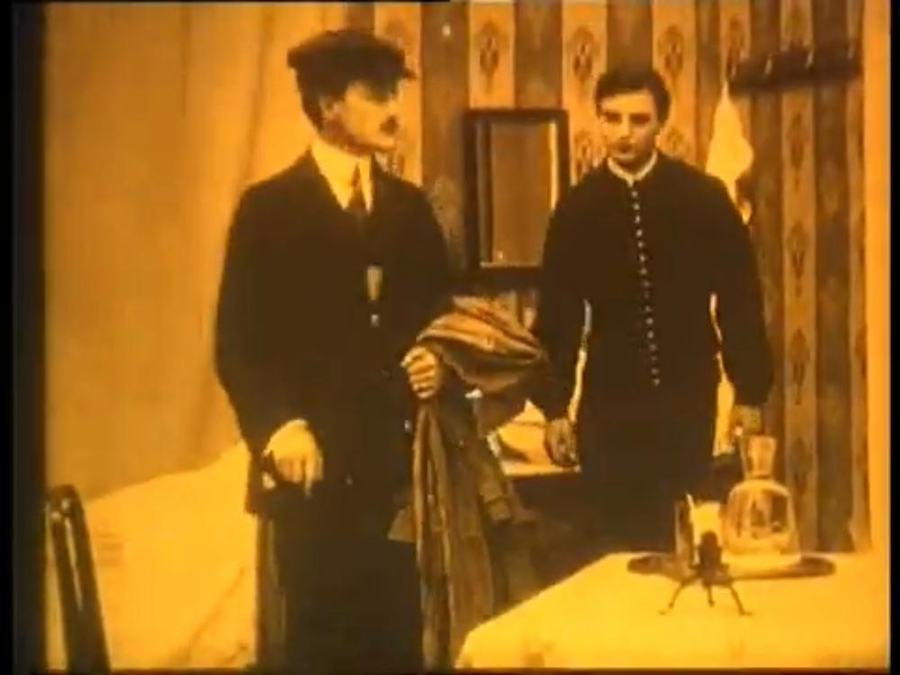
Buemann’s final dance is staged on a foundry floor still warm from casting locomotive parts. As molten steel pours behind her like a liquid sunrise, she executes a fouetté that flings the diamond (now sewn into her heel) into a vat of cooling ore. The gem dissolves with a hiss—an anti-climax so heretical that nickelodeon owners demanded a retake. Falck refused, mailing them a telegram: “ALCHEMY COMPLETE. STONE INTO STEAM INTO WAGE.”
Archival fortunes have been less poetic. Only fragments survive: two reels at the Danish Film Institute, a single decomposed minute at Eye Filmmuseum, and a 9.5 mm orphan reel discovered inside a Queensland piano bench in 1987. The current restoration—4K scans, bilingual tinting reconstructed from 1912 dye receipts—premiered at Il Cinema Ritrovato, where the flicker of nitrate felt like a respiration from the gilded corpse of Europe.
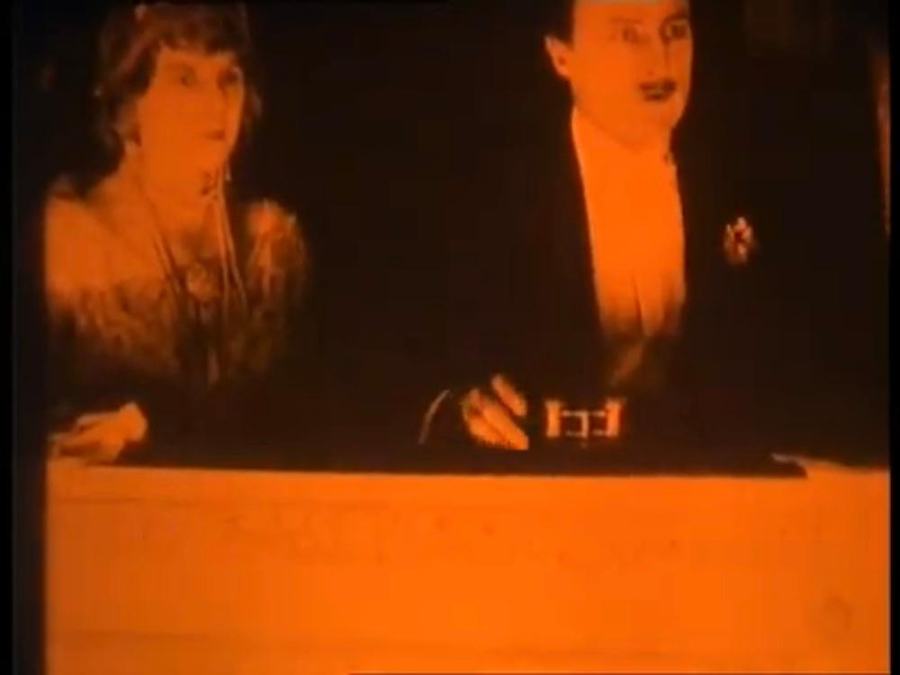
Yet scarcity has amplified resonance. Online cine-clubs trade bootleg rips watermarked like smugglers’ maps; TikTok historians overlay the banquet scene with drill beats, turning Reenberg’s monocle into a viral totem of elite panic. In a streaming economy that peddles comfort, Doctor Nicholson offers the discomfort of a mirror held to a continent that invented both humanitarianism and the guillotine.
Verdict: a masterwork of contraband poetry, as essential to pre-war cinema as Quo Vadis? is to epics, yet criminally absent from Letterboxd’s top 1000. Seek it however you can—preferably at 3 a.m., with bourbon that tastes of ancestral debt, and allow the cobalt afterglow to haunt your ledger of what counts as treasure.
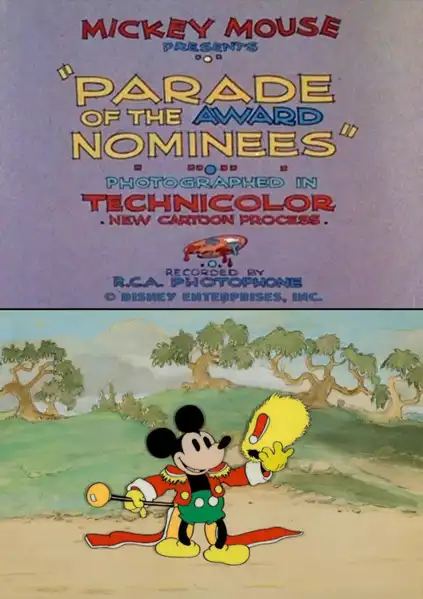
IMDb 5.9
1932
Community
Log in to comment.