DbcultAccessing Vault...
6/10
Senior Film Conservator
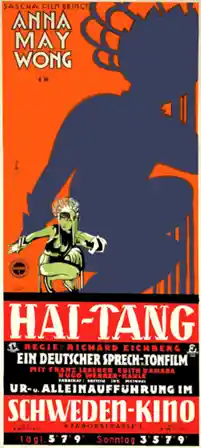
A definitive 6/10 rating for a film that redefined the boundaries of cult cinema. Hai-Tang remains a cornerstone of transgressive art.
Okay, so Hai-Tang. It's a silent film from 1930, which already tells you a lot about whether it’s for you. If you’re into that old-school vibe, especially with a melodrama twist and some truly striking visuals, you might find something here. But if silent movies just aren't your jam, or you need fast pacing and modern dialogue, you’ll probably bounce off this hard. It’s not for everyone, for sure. 🤷♀️
The story itself is classic melodrama. We’re in Berlin, and Anna May Wong plays Hai-Tang, a famous cabaret singer. Her brother, played by Robert Ancelin, is very protective. Enter the Duke, a truly unpleasant character who decides he simply *must* have Hai-Tang. This whole setup feels a bit familiar, you know?
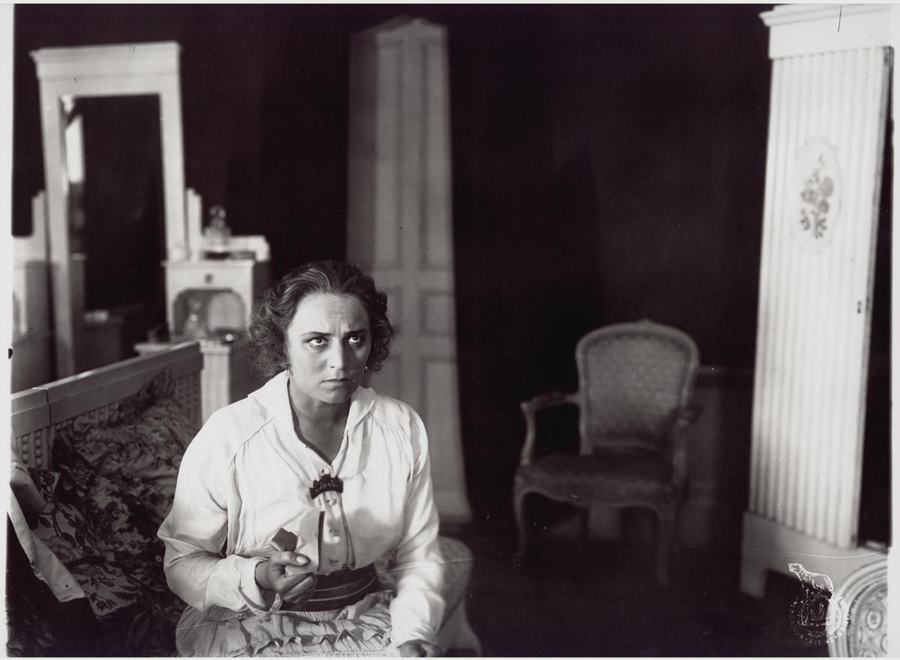
It’s really Anna May Wong who carries this whole thing. Her face, her expressions—they just pull you in. She doesn’t even need words, obviously, but she commands the screen. There’s this scene where she’s just staring into the distance, after her brother is taken, and you just feel her desperation. It's quiet, but it’s loud.
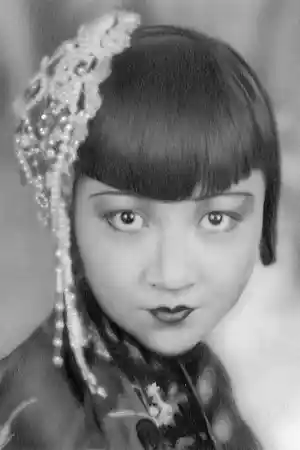
The cabaret scenes, oddly enough, are some of the most vibrant. You get a real sense of the atmosphere, the costumes, the other performers. It's a brief glimpse of joy before everything goes totally downhill for Hai-Tang. It actually makes the later parts feel even heavier.
The Duke is just… a creep. Like, he’s *very* clearly the villain. There's no subtlety there. His lecherous stares are played for maximum effect, often with a close-up on his sneering face. It almost feels a bit cartoonish at times, but it gets the point across. You’re meant to despise him, and you do. 😠
Hai-Tang’s brother, played by Ancelin, tries to protect her. He really does. But the film quickly shows you the power imbalance. It’s a very quick fall for him, from trying to be a hero to being condemned. The injustice of it all is palpable.
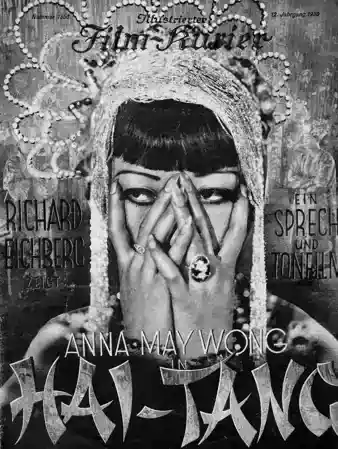
The pacing, for a silent film, is actually pretty good in the beginning. It sets up the world, the characters, and the central conflict without too much fuss. Then, once the brother is arrested, things get really tense. Hai-Tang's choices become truly awful. It’s all about sacrifice.
There's a moment when Hai-Tang is on stage again, but her spirit is clearly broken. The camera lingers on her for a beat too long, almost making you uncomfortable. It’s effective, though. You can see the weight of everything on her shoulders.
Some of the court scenes feel a bit staged, you know, like they’re just waiting for their cue. But then, you get another shot of Wong, and suddenly everything feels real again. She’s just *that* good at selling the emotion.
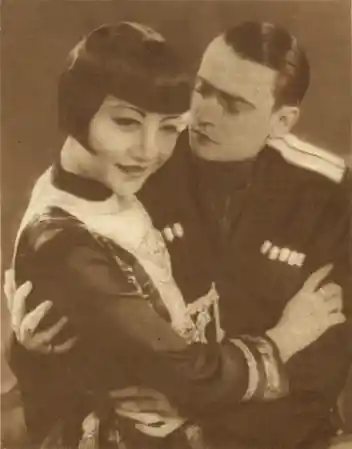
The ending, without giving too much away, is exactly what you’d expect from this kind of story. It's tragic, but also a bit cathartic in its own way. It leaves you with a heavy feeling, for sure.
For fans of Anna May Wong, this is a must-see. She's just incredible. For those curious about early cinema, especially European co-productions with an international star, Hai-Tang offers a solid, if somber, experience. It's a reminder of how powerful non-verbal storytelling can be when you have the right talent.
It's not a light watch, but it sticks with you. And hey, Blackmail from the same year is a good one too, if you’re into early sound films. Just a thought! 😉
IMDb 4.1
1926
Community
Log in to comment.