DbcultAccessing Vault...
Cult Review
Senior Film Conservator
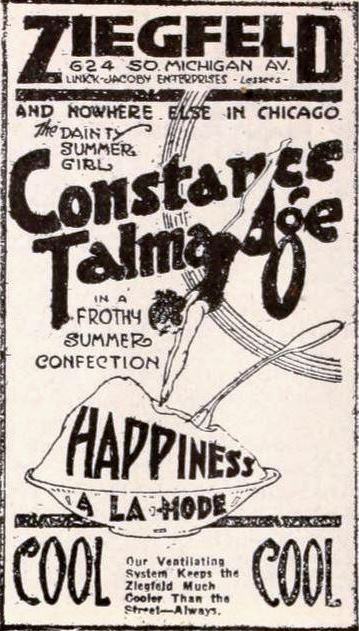
Stepping back into the nascent days of cinema, where flickering images and emotive pantomime conveyed narratives with an eloquence often unmatched by spoken word, we encounter Happiness a la Mode (1920), a silent film that, despite its age, resonates with a startlingly modern psychological acuity. This isn't merely a quaint relic from a bygone era; it’s a sophisticated exploration of marital dynamics, trust, and the often-perilous tightrope walk of personal freedom within a relationship. Directed with a keen eye for human frailty and resilience, the film, penned by the insightful duo Edwina LeVin and Alice Eyton, presents a narrative that, while seemingly straightforward, unravels into a complex web of emotional manipulation and strategic counter-maneuvers. It’s a testament to the enduring power of a well-crafted story, proving that the human heart’s convolutions are timeless, irrespective of the medium through which they are expressed.
At the heart of Happiness a la Mode lies Barbara Townsend, portrayed with exquisite nuance by the inimitable Constance Talmadge. Barbara is, by all accounts, a woman ahead of her time, committed to a philosophy of marital freedom that, ironically, becomes the very catalyst for her marital woes. Her fervent desire to ensure her young husband, Dicky (a suitably impressionable Harrison Ford in an early role, before he became synonymous with swashbuckling heroes and space rogues), feels utterly unconstrained by their vows leads her to an almost pathological degree of non-interference. This isn't a passive neglect, but an active, conscious decision to grant him boundless liberty, a gesture she believes embodies the zenith of modern partnership. Yet, this well-intentioned liberality is tragically misinterpreted by Dicky, who perceives her detachment not as empowerment, but as a chilling indicator of her waning affection. He begins to believe, quite erroneously, that Barbara no longer cherishes him, that their bond has become a mere formality devoid of genuine warmth.
This emotional void, a chasm unintentionally carved by Barbara’s progressive ideals, creates a fertile ground for external influence. Enter Dorothy, a "designing young widow" whose very appellation in the plot synopsis hints at her manipulative nature. Dorothy, played with an intriguing blend of charm and guile by Myrtle Rishell, is no mere temptress; she is a strategic operator, discerning the fragility of the Townsend marriage and moving swiftly to exploit it. Her influence over Dicky is insidious, a gradual erosion of his loyalty built upon his burgeoning insecurities. She doesn't overtly demand his affections but rather subtly cultivates an environment where he feels seen, desired, and validated – all the things he mistakenly believes Barbara has ceased to offer. This psychological warfare is brilliantly rendered through the silent film's visual language, with subtle glances and gestures conveying the power dynamics at play. The film implicitly critiques the societal anxieties surrounding changing gender roles and marital expectations in the post-Victorian era, where the boundaries of freedom and commitment were still being vigorously debated.
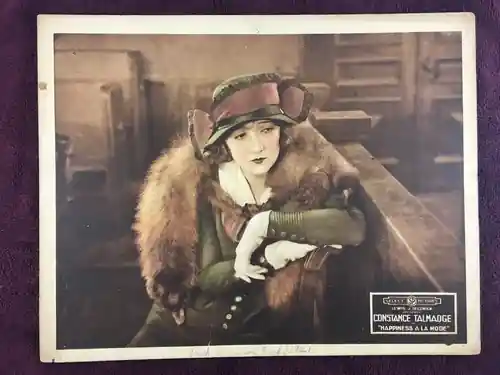
Under Dorothy’s increasingly potent sway, Dicky eventually articulates the unthinkable: a suggestion that their marriage is a failure and that he should arrange for a divorce. For Barbara, this pronouncement, despite her earlier emotional stoicism, is a profound shock, a devastating blow to her carefully constructed worldview. The film masterfully portrays this moment of internal turmoil, with Talmadge’s expressions conveying a whirlwind of hurt, disbelief, and burgeoning indignation. Yet, Barbara is no damsel in distress. She is, as the plot succinctly puts it, "a clever little woman," and her intellect, once directed towards an almost philosophical detachment, now pivots towards a pragmatic, almost Machiavellian, strategy for salvage. She understands that direct confrontation would be futile, merely pushing Dicky further into Dorothy’s clutches. Instead, she chooses a path of disarming agreement, feigning acceptance of his suggestion, thereby retaining a measure of control and buying herself precious time.
The subsequent sequence, where the "cause for divorce is carefully arranged, and the first preliminaries are carried out," is a fascinating peek into the legal and social machinations of divorce in the early 20th century. It highlights the performative aspect of such proceedings, where appearances and carefully constructed narratives often trumped raw emotional truth. The film doesn't delve into the specific legal intricacies but rather focuses on the emotional toll and the strategic implications for Barbara. This period of feigned separation serves as a crucial incubation period for Barbara’s ultimate plan. It allows Dicky to experience a taste of life without her, ostensibly free but, as Barbara hopes, subtly incomplete. It also lulls Dorothy into a false sense of security, believing her victory is all but assured. This intricate setup, where the protagonist deliberately walks into the lion's den to outwit the beast, showcases the sophisticated storytelling of LeVin and Eyton, creators who understood that true drama often lies in the psychological game rather than overt action.
With the divorce proceedings underway, Barbara unleashes her masterstroke: a "violent flirtation" with her own husband. This isn't a desperate plea for attention but a calculated, confident reassertion of her desirability and a potent reminder of the passion that once defined their union. Constance Talmadge embodies this transformation with magnetic energy, shedding the cloak of detached liberality to reveal a woman of vibrant charm and undeniable allure. Her flirtation is not merely physical; it is an intellectual and emotional re-engagement, designed to reawaken Dicky’s dormant affections and challenge his perception of her as indifferent. Harrison Ford, as Dicky, reacts with a believable mixture of confusion, intrigue, and rekindled desire, his internal conflict palpable even without dialogue. This strategic pivot by Barbara is reminiscent of the resourceful heroines found in other silent films, such as the titular character in The Saleslady, who similarly uses her wits and charm to navigate complex social and romantic landscapes. Both films celebrate a proactive female agency that defies the more passive stereotypes often associated with the era.
The effect of Barbara’s renewed offensive on Dorothy is immediate and devastating. The manipulative widow, who had so confidently orchestrated the Townsends' separation, finds herself utterly unprepared for this resurgence of genuine affection. Barbara's calculated flirtation inflames Dorothy "to such a pitch of ungovernable jealousy" that her carefully constructed facade begins to crack. This isn't just about losing Dicky; it's about losing control, about having her machinations exposed by the very woman she sought to displace. Dorothy's jealousy becomes her undoing, transforming her from a cool, calculating antagonist into a frantic, irrational rival. The film subtly highlights the destructive nature of unchecked envy, contrasting it with Barbara's more strategic and ultimately redemptive use of emotional leverage. This dramatic shift in power dynamics is a thrilling watch, as the audience roots for Barbara to reclaim her happiness through her own ingenuity.
The climax of Happiness a la Mode arrives with a perfectly timed twist, a narrative device often employed in silent cinema to heighten dramatic tension. Just as the divorce seems inevitable, with the finality of the decree hanging heavy in the air, Dicky experiences a profound realization. Witnessing Dorothy’s raw, unattractive jealousy, contrasted with Barbara’s newfound vivacity and genuine affection, he is "relieved to find, at the very last moment, that the decree has not been made absolute." This eleventh-hour reprieve is not merely a convenient plot device; it signifies Dicky's awakening to the true nature of both women. He recognizes the artifice of Dorothy’s affection and the enduring depth of Barbara’s love, however misguided her initial expression of it may have been. His relief is palpable, a testament to the film’s ability to convey complex emotional shifts through the actors' performances and the director's subtle cues.
The film concludes with a reaffirmation of the Townsend marriage, not as a return to the status quo, but as a union forged anew through adversity and self-discovery. Barbara’s journey from detached progressive to cunning strategist and back to a loving wife is a compelling arc, showcasing her adaptability and profound understanding of human nature. Dicky, too, emerges from the experience with a clearer understanding of what constitutes genuine love and commitment. The resolution, while seemingly conventional, is earned through Barbara’s active agency, distinguishing it from simpler romantic comedies where fate or external forces might dictate the happy ending. It’s a powerful statement about the importance of communication and mutual understanding in a relationship, themes that remain profoundly relevant even a century later. Comparisons can be drawn to films like The Prince and Betty, where romantic entanglements are similarly resolved through a series of clever maneuvers and revelations, though perhaps with less psychological depth than found here.
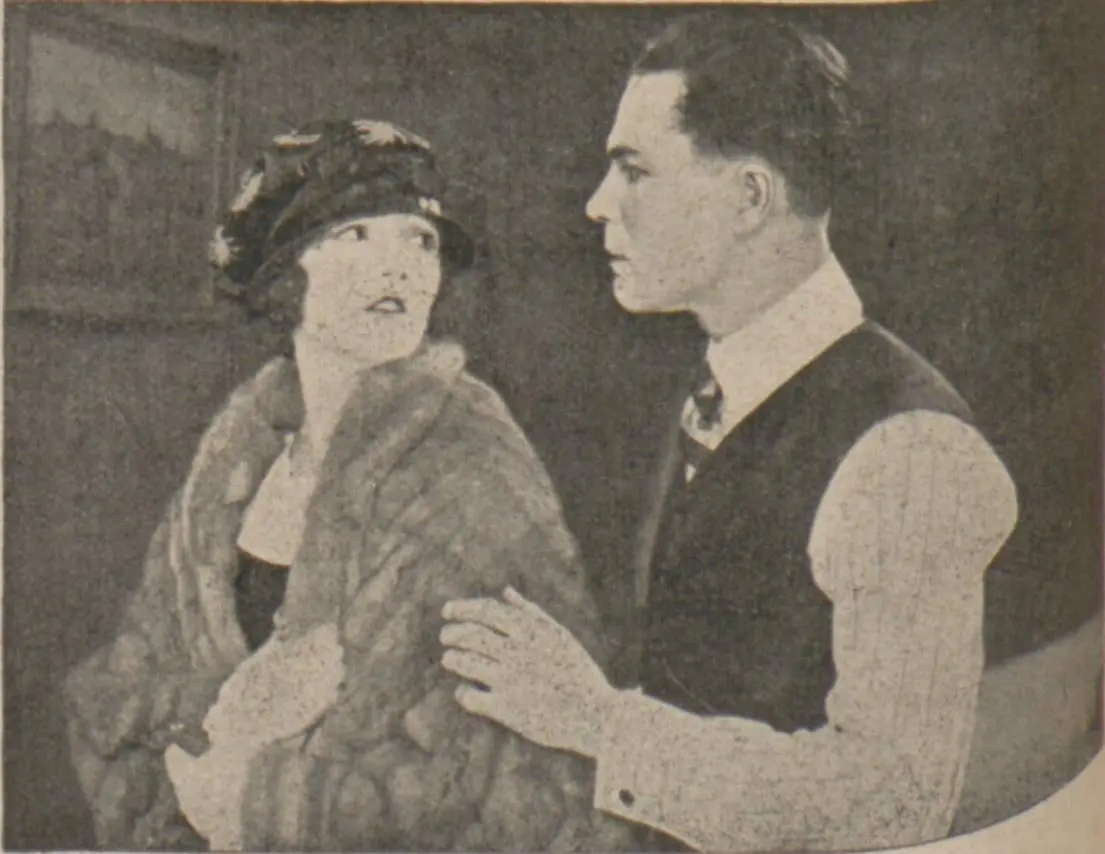
Constance Talmadge is, without a doubt, the radiant core of Happiness a la Mode. Her performance as Barbara is a masterclass in silent film acting, conveying a vast spectrum of emotions—from intellectual detachment to wounded pride, strategic cunning, and ultimately, rekindled passion—all through expressive gestures, nuanced facial changes, and a captivating screen presence. She imbues Barbara with a strength and intelligence that transcends the period's typical female archetypes, making her a truly memorable and modern heroine. Her ability to pivot from almost glacial composure to fiery flirtation is what truly sells the film’s central conceit. It’s a testament to her skill that the audience not only believes in Barbara’s plan but actively cheers for its success.
Harrison Ford, in one of his earlier cinematic outings, delivers a commendable performance as Dicky. He successfully portrays the character's susceptibility to flattery and his genuine confusion regarding Barbara's initial behavior. His eventual awakening feels earned, not forced, thanks to his portrayal of a man genuinely caught between two very different women. While his role is reactive compared to Talmadge’s proactive Barbara, he provides the necessary emotional anchor for her manipulations to have impact. The supporting cast, including Thomas Persse and Paul Weigel, contributes effectively to the film’s atmosphere and narrative propulsion, creating a believable world for this domestic drama to unfold. Myrtle Rishell’s Dorothy is particularly noteworthy for her ability to project both alluring charm and simmering malice, making her a formidable, if ultimately outmaneuvered, antagonist.
The directorial vision behind Happiness a la Mode effectively utilizes the unique strengths of the silent film medium. The pacing is deliberate, allowing moments of emotional intensity to fully register, yet never dragging. Visual storytelling is paramount, with careful attention paid to mise-en-scène, character blocking, and expressive intertitles that enhance, rather than merely explain, the narrative. The film's aesthetic, while constrained by the technology of the era, still manages to convey a sense of the opulent yet rapidly changing societal landscape of the 1920s. The use of close-ups to capture the subtle shifts in emotion, particularly in Talmadge’s performance, is particularly effective in drawing the audience into the characters' inner worlds.
Edwina LeVin and Alice Eyton deserve significant credit for crafting such a robust and psychologically astute screenplay. Their understanding of character motivation and narrative structure is evident in the film's escalating tension and satisfying resolution. They avoid simplistic villainy or saccharine romance, opting instead for a story where characters make believable, if sometimes flawed, choices, and where intelligence and wit are celebrated as powerful tools for navigating life's complexities. The plot's originality lies not just in its premise but in the intricate dance of deception and revelation, making it stand out among its contemporaries. While some silent films, like And the Children Pay, explored the more tragic consequences of marital discord, Happiness a la Mode offers a more optimistic, albeit hard-won, resolution, emphasizing the resilience and cleverness of its protagonist.
Ultimately, Happiness a la Mode transcends its historical context to offer a timeless commentary on the complexities of human relationships. It explores the delicate balance between individual freedom and mutual commitment, the dangers of miscommunication, and the insidious nature of external manipulation. Barbara Townsend emerges as a compelling figure, a woman who, through a series of calculated risks and profound emotional intelligence, not only saves her marriage but also redefines it on her own terms. Her journey is one of self-discovery as much as it is of marital redemption, showcasing her growth from an idealistic but naive progressive to a savvy, resourceful woman who understands the intricate dance of love and power.
For modern audiences, the film serves as a fascinating window into the social mores and anxieties of the early 20th century, while simultaneously offering a narrative that feels remarkably fresh and engaging. It reminds us that the human heart’s desires and deceptions, its vulnerabilities and its strengths, have remained remarkably consistent through the ages. Happiness a la Mode is more than just a silent film; it is a vibrant, intelligent drama that champions the clever woman and the enduring power of a love fought for and won. It’s a delightful discovery for any cinephile interested in the foundational narratives that shaped the cinematic landscape and a testament to the fact that compelling storytelling needs no dialogue to resonate deeply.
IMDb —
1920
Community
Log in to comment.