DbcultAccessing Vault...
Cult Review
Senior Film Conservator
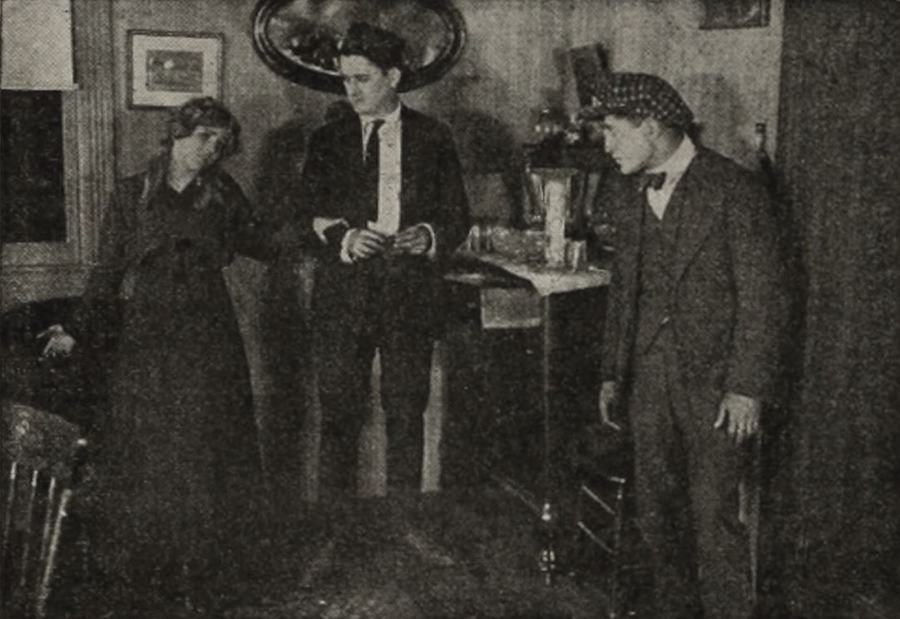
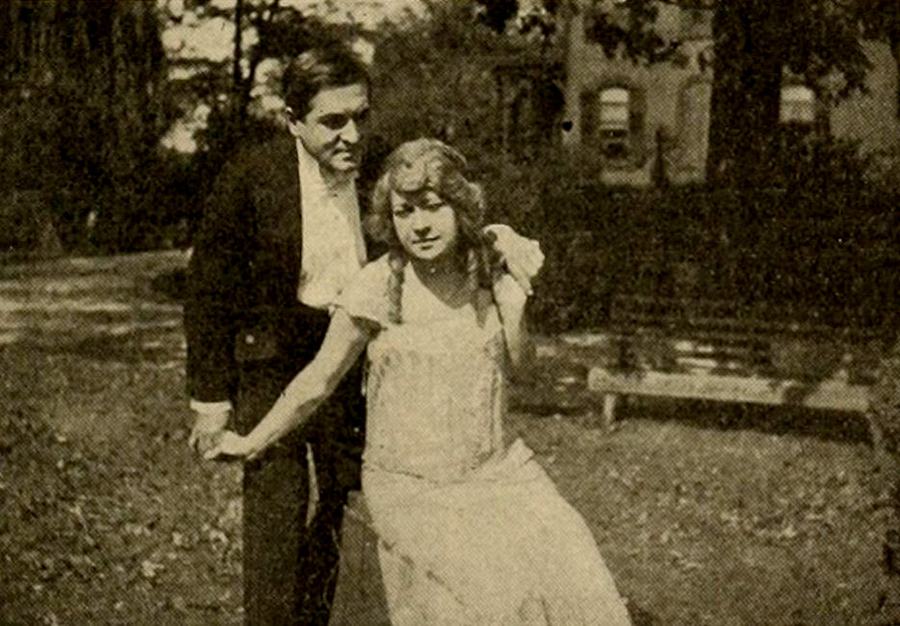
Stepping back into the flickering shadows of 1918, one encounters Rose of the Alley, a cinematic artifact that, despite its vintage, pulsates with a raw, visceral emotionality. This isn't merely a silent film; it's a profound exploration of the human condition, an intricate dance between unwavering familial loyalty and the relentless, corrosive forces of urban vice and societal judgment. Directed with a keen eye for melodrama and character depth by Jackie Saunders and Harry O. Hoyt, this narrative plunges viewers into a world where reputation is fragile, justice is often warped, and the bonds of kinship are tested to their absolute breaking point. It's a testament to the enduring power of silent storytelling, where every exaggerated gesture, every stark close-up, and every precisely worded intertitle carries the weight of a thousand spoken words. The film, starring the luminous Mary Miles Minter, doesn't shy away from the darker corners of human experience, instead choosing to illuminate them with a stark, often heartbreaking, clarity.
At the narrative's emotional core lies Nell, portrayed with a captivating blend of vulnerability and steely resolve by Mary Miles Minter. Her existence is irrevocably shaped by the tragic demise of her mother, a direct consequence of her brother Tom Drogan's dissolute, alcohol-fueled escapades. This pivotal event doesn't break Nell; rather, it forges within her a formidable, almost sacred, vow: to protect and reform Tom, to pull him back from the precipice of self-destruction. This commitment, however noble, becomes an immense burden, a tether that binds her to his increasingly reckless trajectory. Minter's performance, even through the lens of a century-old silent film, conveys the quiet agony and fierce determination of a young woman shouldering the weight of another's redemption. One can almost feel the unspoken prayers and desperate hopes that flicker behind her eyes, a silent plea against the inevitable. Her character embodies the archetypal "good sister," a figure often seen in melodramas of the era, yet Minter imbues Nell with a nuanced strength that transcends simple archetype, making her plight genuinely poignant.
Thomas Carrigan's portrayal of Tom Drogan is a masterclass in depicting a character teetering on the brink, a man whose charm is overshadowed by his fatal flaws. Tom's character is a complex study in self-sabotage, a man whose gambling debts and wild ways are not merely vices but symptoms of a deeper instability. The initial confrontation, where Tom brings "Kid" Hogan (Danny Hogan) to their home under the guise of settling a debt, is a meticulously crafted scene of simmering tension. The casual air of a financial transaction quickly dissolves into something far more sinister, culminating in Tom shooting Kid in the forearm. This act is not just a crime; it's the irrevocable severing of any remaining semblance of peace for Nell. The film deftly portrays the immediate aftermath, where the chaos of violence gives way to a desperate scramble for self-preservation. Carrigan's expressions convey the panicked calculation as Tom concocts a desperate lie, a fabrication that will ultimately unravel into a wider web of deceit and retribution.
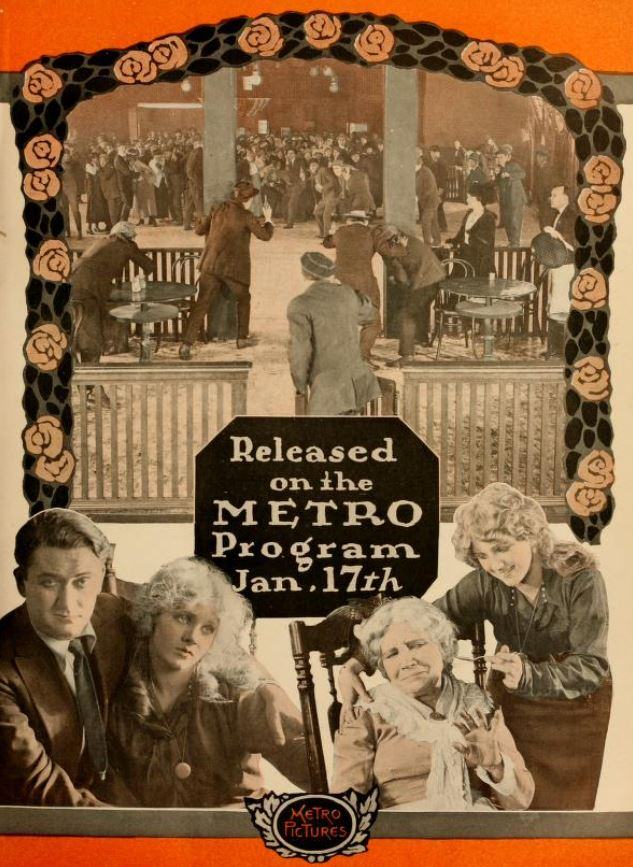
The narrative takes a darker turn with the introduction of Dan Hogan (Frederick Heck), Kid's brother and, significantly, a policeman. His arrival at the scene, catching Tom fleeing, sets the stage for a tense negotiation that hinges entirely on the fragile construct of public reputation. Tom's audacious lie—that he fired at Kid for molesting Nell—is a stroke of manipulative genius, exploiting the societal anxieties surrounding female virtue and male honor. The Hogan brothers, faced with the specter of scandal and the potential besmirching of their family name, reluctantly back down. This moment is crucial, highlighting the era's preoccupation with appearances and the pervasive fear of social ostracism. However, this forced retreat only fuels Kid's wounded pride, transforming it into a burning desire for revenge. His subsequent plot, involving his girlfriend Mamie (Geraldine Berg) to entrap Nell in a fabricated solicitation charge, is a particularly cruel and insidious act. It's a calculated attempt not just to harm Nell, but to utterly destroy her reputation, mirroring the very scandal that Tom had initially leveraged. The film here touches upon themes reminiscent of other silent dramas exploring societal judgment and the precariousness of female honor, such as The Traitress, where a woman's standing can be irrevocably shattered by rumor and false accusation.
Just as Nell's fate seems sealed by Kid's vengeful machinations, a beacon of hope arrives in the form of Frank Roberts, her boyfriend, played by Alan Edwards. His timely appearance to extricate Nell from the clutches of the law, after Dan Hogan's convenient arrest, provides a momentary reprieve from the escalating tragedy. Frank represents an external force of justice and protection, a stark contrast to Tom's self-serving actions. His character serves not only as Nell's romantic interest but also as a moral compass, grounding the narrative in a semblance of decency and rectitude amidst the pervasive corruption and deceit. This intervention is a crucial narrative beat, offering the audience a brief glimpse of what Nell's life could be, unburdened by her brother's destructive path. It underscores the profound personal cost of Tom's actions, continually dragging Nell back into the mire from which she desperately tries to escape. The scene is a powerful reminder of how easily an innocent life can be entangled in the machinations of others, and how vital external support can be in such precarious circumstances.
The tension, meticulously built throughout the film, culminates in a devastating crescendo when Tom learns of Kid's cruel plot against Nell. This revelation acts as the final catalyst, pushing Tom past the point of no return. His confrontation with Kid in a dance hall is a masterfully staged sequence of chaotic violence, a frenetic ballet of fury and desperation. The ensuing gun battle is depicted with a raw intensity, a visceral explosion of pent-up aggression and the grim realities of a life lived on the fringes. Kid Hogan is killed, a consequence of his own vengeful machinations, but Tom too is gravely wounded. This scene, a hallmark of silent era action, relies heavily on rapid cuts, dynamic camera angles (where possible for the era), and the actors' expressive physicality to convey the sheer brutality of the exchange. It's a moment that echoes the tragic, often self-destructive, pursuit of honor and vengeance seen in films like Chûshingura, albeit in a vastly different cultural context. The dance hall, usually a place of revelry, transforms into a grim arena where destinies are violently sealed.

Badly wounded and with the law closing in, Tom seeks his last refuge with the one person who has consistently stood by him: Nell. This final act of desperation underscores the profound, albeit flawed, bond between them. Nell, ever the protector, prepares to defend him with his own gun, a poignant symbol of her unwavering, perhaps misguided, loyalty. The scene is imbued with a palpable sense of impending doom, the quiet intimacy of their final moments together juxtaposed against the pounding of the police breaking down her door. As the door splinters and the inevitable intrusion looms, Tom succumbs to his injuries, dying in Nell's arms. It's a moment of profound heartbreak, a culmination of all the sacrifices Nell has made, all the dangers she has faced, rendered tragically futile. His death, while a release from his earthly struggles, leaves Nell not liberated, but utterly devastated, a lone figure amidst the wreckage of a life consumed by another's recklessness. The film concludes not with triumph, but with the quiet, lingering echo of loss, a powerful statement on the often-unrewarded nature of unconditional love in a harsh world.
Rose of the Alley is far more than a simple melodrama; it's a rich tapestry woven with enduring themes that resonate even today. The paramount theme is, undoubtedly, familial loyalty, specifically Nell's unyielding devotion to Tom. This isn't a saccharine portrayal; it's a raw, often painful depiction of a love that demands immense sacrifice, bordering on self-immolation. This unwavering commitment is contrasted sharply with Tom's self-destructive tendencies, highlighting the tragic irony of Nell's efforts. The film also delves deeply into the corrosive nature of urban vice—gambling, alcohol, and the criminal underworld—portraying it not as glamorous, but as a relentless force that devours lives and shatters families. The city itself becomes almost a character, a labyrinth of shadows and moral ambiguity where reputations are easily stained and justice is a luxury.
Furthermore, the cycle of violence and revenge is starkly illustrated. Kid Hogan's initial injury leads to Tom's lie, which in turn fuels Kid's vindictive plot, culminating in a fatal confrontation. Each act of aggression begets another, trapping the characters in an inescapable loop of retribution. The film also acutely observes the societal anxieties surrounding reputation and public shame, particularly for women. Nell's near-ruin by the solicitation charge underscores the precariousness of female honor in the early 20th century. In this regard, it shares thematic DNA with films like His Brother's Wife, which similarly grappled with the devastating impact of scandal on personal lives and social standing. The tragic ending, where Nell is left to mourn, suggests a cynical view of redemption, or at least a high price for it, leaving the audience to ponder the true cost of such intense, unwavering devotion.
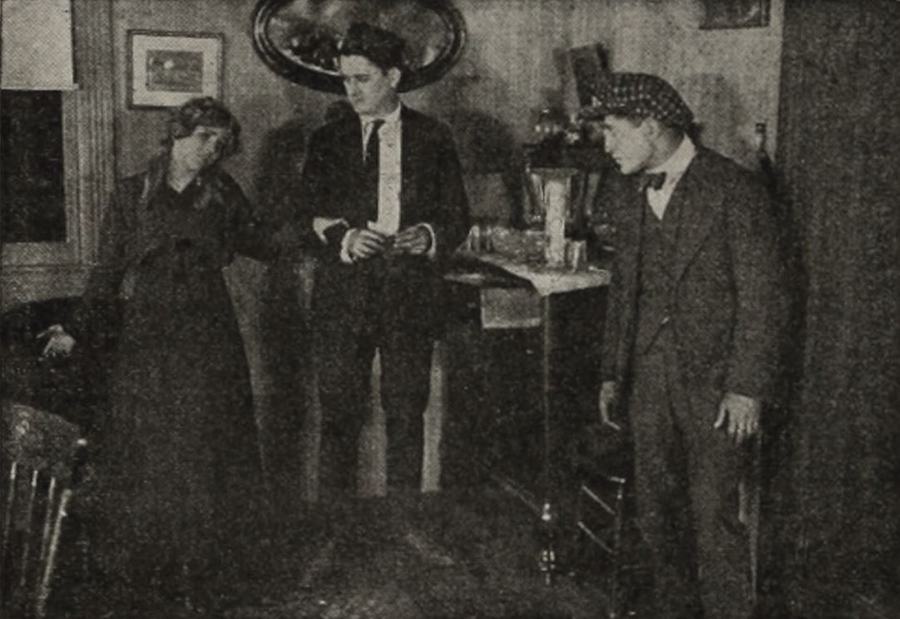
While silent films rely heavily on exaggerated facial expressions and gestural acting, the performances in Rose of the Alley manage to convey a surprising depth and authenticity. Mary Miles Minter, a prominent star of the era, delivers a performance as Nell that is both delicate and fiercely compelling. Her ability to communicate complex emotions—fear, love, despair, and resolute strength—without uttering a single word is a testament to her skill. One can discern the internal turmoil and the burden of her choices through her eyes and posture alone. Thomas Carrigan as Tom embodies the archetype of the flawed, yet charismatic, anti-hero, his swagger and desperation equally convincing. The supporting cast, particularly Danny Hogan as the vengeful Kid and Frederick Heck as the conflicted policeman Dan, contribute significantly to the narrative's tension, their silent interactions speaking volumes about power dynamics and simmering resentments.
The direction, presumably a collaborative effort between Saunders and Hoyt, demonstrates a solid understanding of silent film conventions. The pacing is deliberate, allowing the emotional beats to register, yet capable of accelerating into thrilling bursts of action during the confrontations. The use of intertitles is effective, providing necessary exposition without disrupting the visual flow. While specific camera techniques might be harder to ascertain without direct viewing, one can infer a reliance on close-ups to emphasize emotional states and wider shots to establish the grimy urban settings. The film's overall aesthetic likely leaned into the prevalent melodramatic style, but with a grounded realism that prevents it from becoming purely theatrical. It's this balance that likely allowed the film to connect with audiences of its time, drawing them into a world that, despite its silent nature, felt intensely real and emotionally resonant.
Released in 1918, Rose of the Alley emerged during a fascinating period in cinematic history, just as the industry was solidifying its narrative structures and moving towards more sophisticated storytelling. The film reflects many of the social anxieties and moral concerns of early 20th-century America: the perils of urban life, the struggles of the working class, the sanctity of family, and the ever-present shadow of crime. Its depiction of a woman's struggle to maintain her virtue and protect her family, even at great personal cost, would have resonated deeply with contemporary audiences. While it might not possess the grand scale of an epic like The Coward or the avant-garde artistry of something like The Vampires: The Thunder Master, its strength lies in its grounded, emotional realism.
The film contributes to the rich tapestry of silent cinema by offering a compelling character study wrapped in a gripping crime drama. Its legacy, though perhaps less celebrated than some of its more famous contemporaries, is found in its effective use of melodrama to explore universal themes. It reminds us that even without synchronized sound, cinema possessed an incredible capacity to tell powerful stories, to evoke profound empathy, and to hold a mirror up to society's triumphs and tribulations. For enthusiasts of silent film, or anyone interested in the evolution of cinematic storytelling, Rose of the Alley stands as a poignant reminder of a bygone era, yet one whose narrative heart beats with an enduring relevance. It's a challenging watch, not for its technical complexity, but for the sheer emotional weight it carries, leaving a lasting impression of the sacrifices made in the name of love and loyalty amidst the grimy realities of life.
In conclusion, Rose of the Alley is a remarkably affecting piece of silent cinema. It transcends its historical context to deliver a timeless narrative about the complexities of familial bonds, the seductive allure of destructive paths, and the often-brutal consequences of seeking justice or revenge outside the bounds of law. Mary Miles Minter's portrayal of Nell is particularly memorable, anchoring the film with a performance that is both heartbreaking and inspiring in its depiction of unwavering devotion. The film's meticulous plot construction, which continuously ratchets up the tension and stakes, keeps the audience thoroughly engaged, even as the tragic trajectory becomes increasingly clear. While some might find the melodramatic flourishes typical of the era, they are employed here with a purpose, serving to amplify the emotional stakes rather than simply embellish the narrative. This is a film that deserves to be rediscovered, not just as a historical curiosity, but as a potent piece of storytelling that speaks to the enduring power of love, sacrifice, and the often-futile struggle against an unforgiving world. It's a stark, compelling drama that leaves an indelible mark, a silent scream of devotion echoing through the decades.
IMDb —
1920
Community
Log in to comment.