DbcultAccessing Vault...
5.6/10
Senior Film Conservator
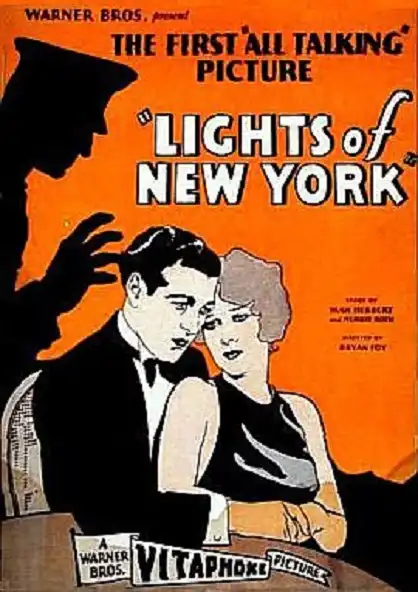
A definitive 5.6/10 rating for a film that redefined the boundaries of cult cinema. Lights of New York remains a cornerstone of transgressive art.
Is Lights of New York worth watching today? Only if you are a dedicated film historian or someone who enjoys the unintentional comedy of technical growing pains. If you are looking for a gripping gangster drama that holds up to modern standards, or even the standards of late-period silent films like Way Down East, you will be disappointed. This is a film for people who want to see the exact moment cinema lost its visual fluidity in exchange for the gift of speech. Most modern viewers will find the pacing agonizing and the acting bizarrely robotic.
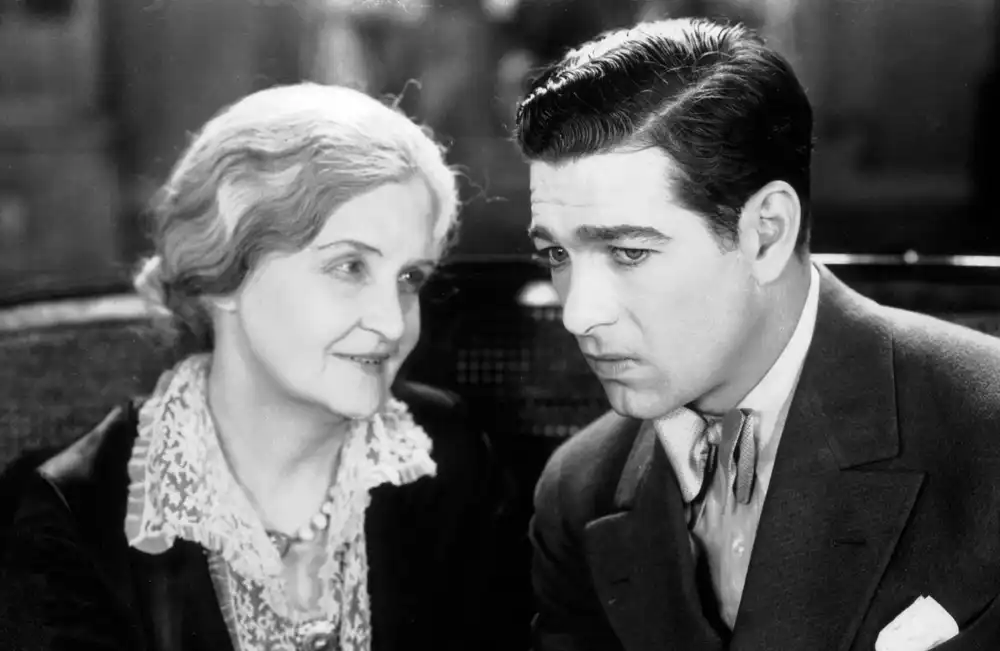
Watching this film in the 21st century is a surreal experience. Because it was the first feature-length film to rely entirely on synchronized dialogue, the production is visibly terrified of its own equipment. You can see the actors physically leaning toward hidden microphones—tucked inside telephone receivers, floral arrangements, or behind large pieces of furniture. This creates a staging that feels more like a wax museum than a movie. Characters don't move naturally; they migrate from one "sound zone" to another and then freeze in place to deliver their lines.
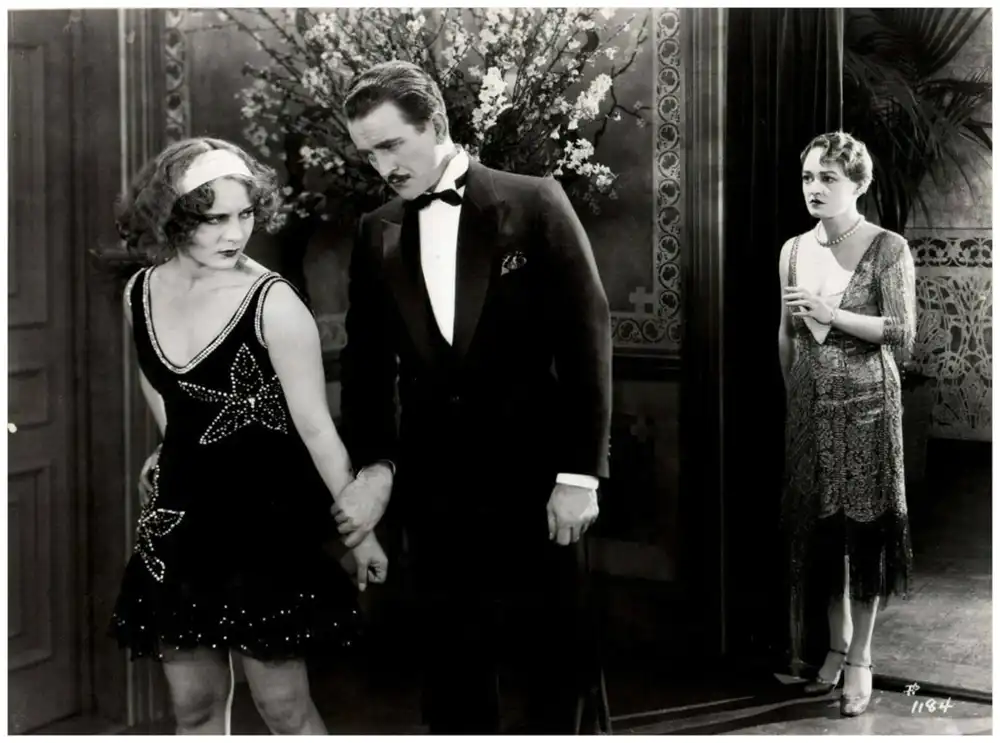
The pacing is the first casualty of this new technology. In modern films, we are used to snappy dialogue and overlapping speech. Here, there is a distinct, two-second lag between every single line. It’s as if the actors are waiting for a green light to flash before they dare open their mouths. When Hawk Miller (Wheeler Oakman) tells his henchmen to "take 'em for a ride"—reputedly the first time this phrase was used in a movie—the moment loses its menace because it’s delivered with the rhythmic urgency of a man reading a grocery list.
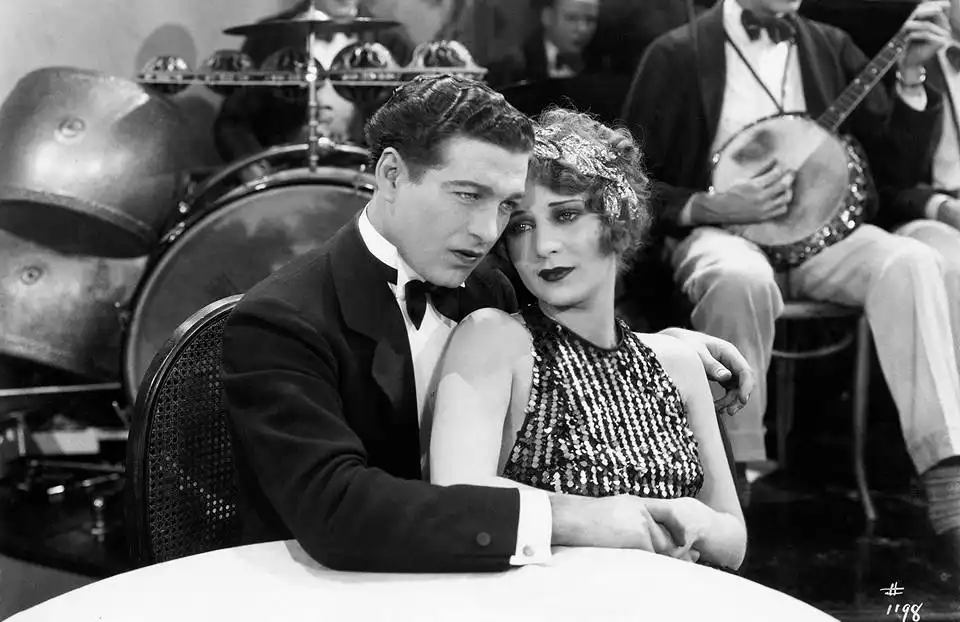
The acting is a fascinating mess. You have a cast caught between two worlds. Cullen Landis, playing the young barber Eddie, still uses the exaggerated facial expressions of the silent era, but he’s forced to pair them with a flat, monotone vocal delivery. It’s a jarring disconnect. Helene Costello, as the love interest Molly, fares slightly better, but she often looks like she’s concentrating more on hitting her marks for the microphone than on her scene partner.
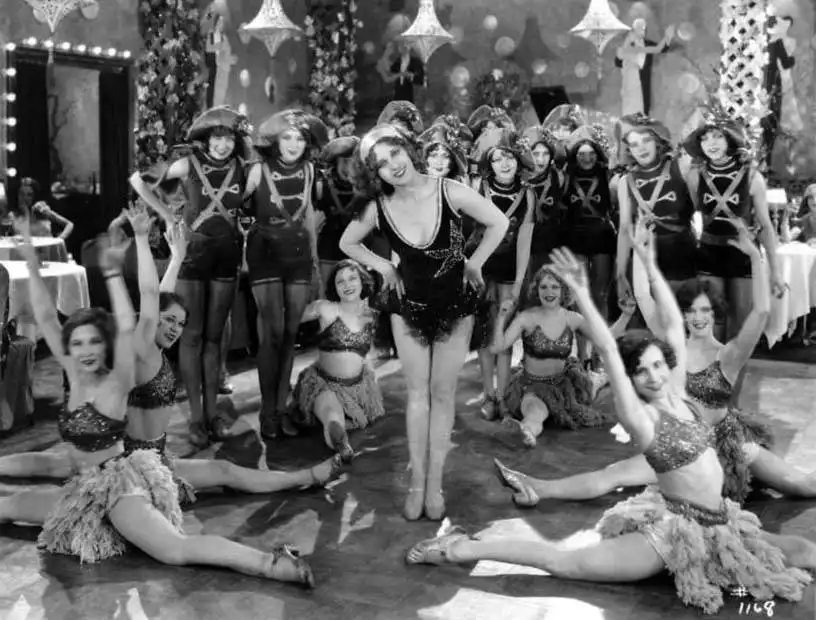
Wheeler Oakman’s performance as the villainous Hawk is the most memorable, mostly because he seems to be the only one enjoying himself. He leans into the theatricality of the role, even if he has to stand perfectly still while doing it. There is a specific scene in Hawk’s office where the tension should be high, but the camera stays glued to a medium shot for what feels like an eternity because moving the camera would have created too much noise for the primitive recording equipment. The result is a film that feels claustrophobic, not because of the script, but because of the technical limitations of 1928.
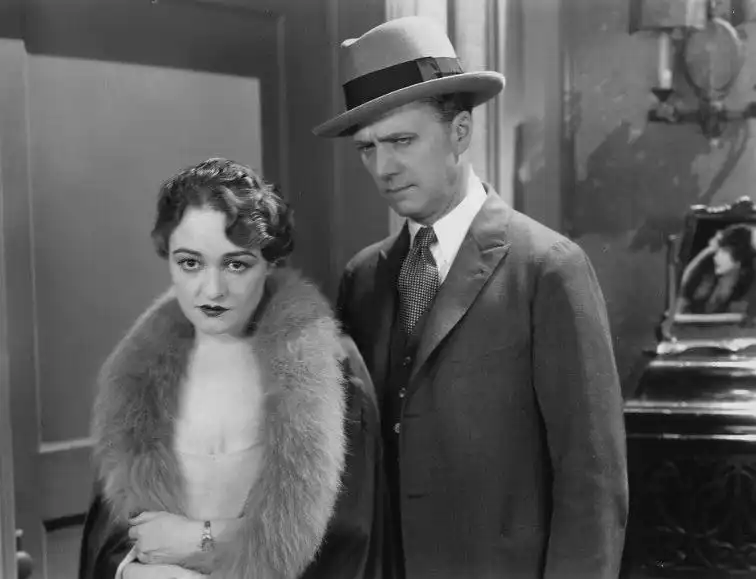
Visually, Lights of New York is a massive step backward from the artistry of the late 1920s. If you look at films produced just a year or two prior, the camera was flying through the air and editing was becoming sophisticated. Here, the camera is a prisoner. It sits inside a soundproof booth (often called a "sweatbox"), peering out through a glass pane. This leads to a series of flat, uninspired compositions.
There are also some genuinely strange editing choices. At one point, there is an overlong shot of a door closing that serves no narrative purpose other than, perhaps, to give the sound engineers a chance to catch up. The nightclub scenes, which should be bustling and vibrant, feel eerily quiet because the technology couldn't yet balance background noise with foreground dialogue. You see a room full of people dancing and "cheering," but the audio is focused solely on the lead actors, creating a ghostly, sterile atmosphere.
"The film is a fascinating document of a medium learning to walk, even if it trips over its own feet in every scene."
The plot itself is a standard-issue melodrama. The idea of small-town boys being corrupted by the big city was already a cliché by 1928. However, the script by Murray Roth and Hugh Herbert is secondary to the novelty of the sound. The dialogue is repetitive, often stating exactly what is happening on screen. "I'm going to open this drawer now," a character might as well say, given how much they over-explain their actions to ensure the audience is following the audio.
One detail that only someone watching closely would notice is the way the actors' eyes constantly dart off-camera. They aren't looking at the other characters; they are looking for cues or checking their proximity to the mic. It breaks the fourth wall in a way that makes the whole production feel like a filmed rehearsal rather than a finished piece of art.
Lights of New York is a historical landmark, but it isn't a good movie. It is the cinematic equivalent of a prototype car that can only go five miles per hour and has no seats—it’s amazing that it works at all, but you wouldn't want to commute in it. For those interested in the evolution of the gangster genre, it’s worth a look to see the origin of tropes like the "ride" and the crooked nightclub owner. For everyone else, it’s a curiosity that is best consumed in clips rather than as a full feature.
It’s short—running less than an hour—which is its saving grace. Any longer and the stilted delivery would become unbearable. Watch it to appreciate how far we’ve come, but don't expect to be moved by the plight of Eddie and his barbershop. The real drama here is the struggle between the actors and the microphones, and in 1928, the microphones clearly won.
IMDb 7
1917
Community
Log in to comment.