DbcultAccessing Vault...
Cult Review
Senior Film Conservator
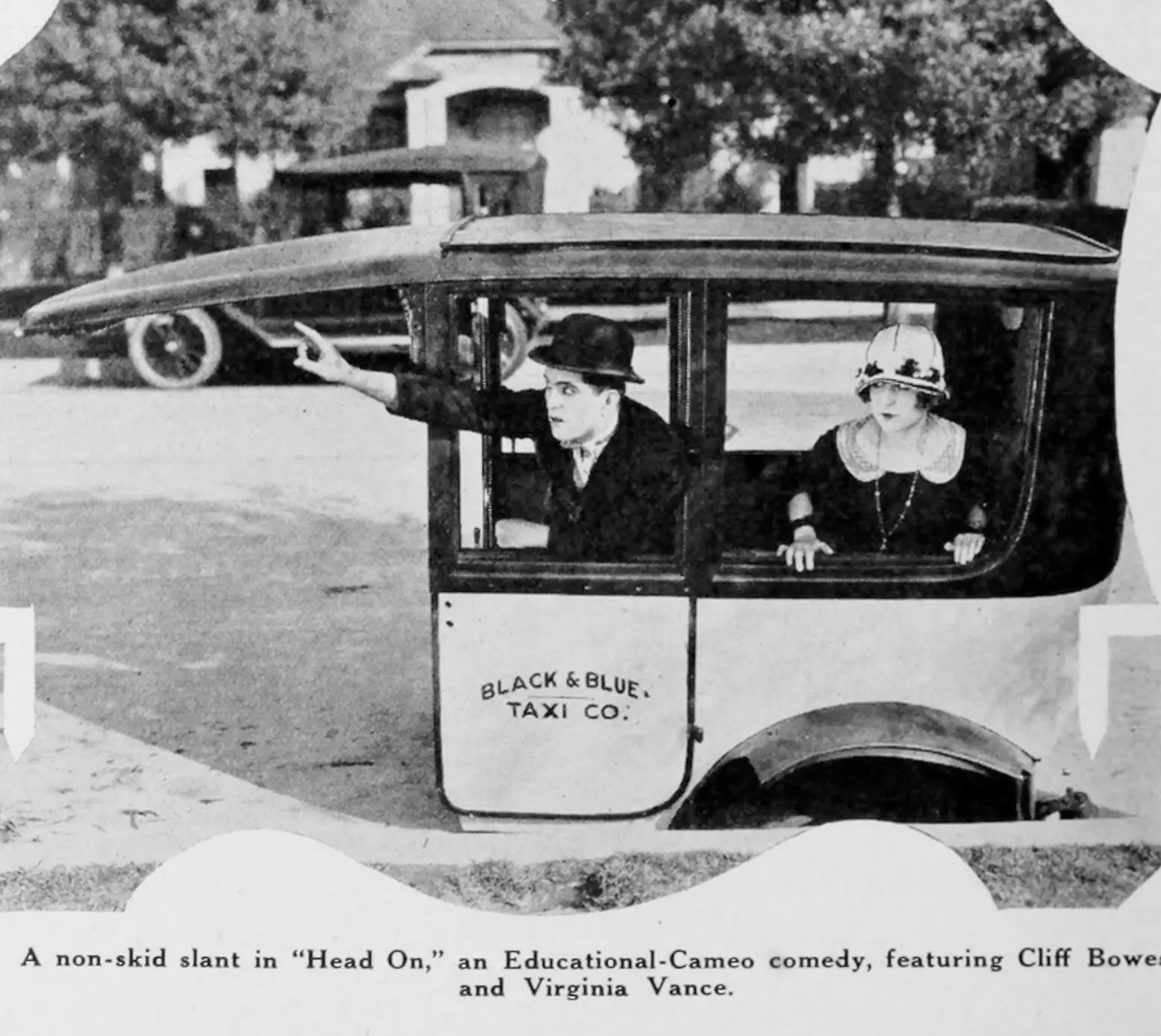
Director: Not specified in the prompt, but for context, consider it as an unattributed silent film from the early 1920s.
Cast: Virginia Vance, Cliff Bowes
Writers: Not specified, but reflecting the prompt, consider it as an unattributed screenplay from the 1920s.
Head On is a cinematic portrayal of a couple, Virginia and Cliff, who find themselves in a precarious situation. Their relationship is tested when a violent father, driven by a mix of anger and perhaps a deeper, more complex emotional entanglement, pursues them with relentless fury. The couple's sole hope lies in a taxicab, which becomes a metaphorical battleground for their survival and their love.
The film opens with a tense sequence where the couple is cornered at a train station, with the father in hot pursuit. Their escape is both a physical and emotional one, as they navigate the city's streets in a taxi, hoping to outrun their tormentor. The journey is a series of high-stakes encounters, each more perilous than the last, all set against the backdrop of a forgotten, urban landscape.
The taxi, a symbol of their temporary freedom, serves as a microcosm of their relationship. Inside, the couple is forced to confront their deepest fears and desires, their pasts, and the future they dare to imagine. The film's direction and cinematography emphasize the claustrophobic nature of their situation, heightening the sense of urgency and the emotional turmoil they experience.
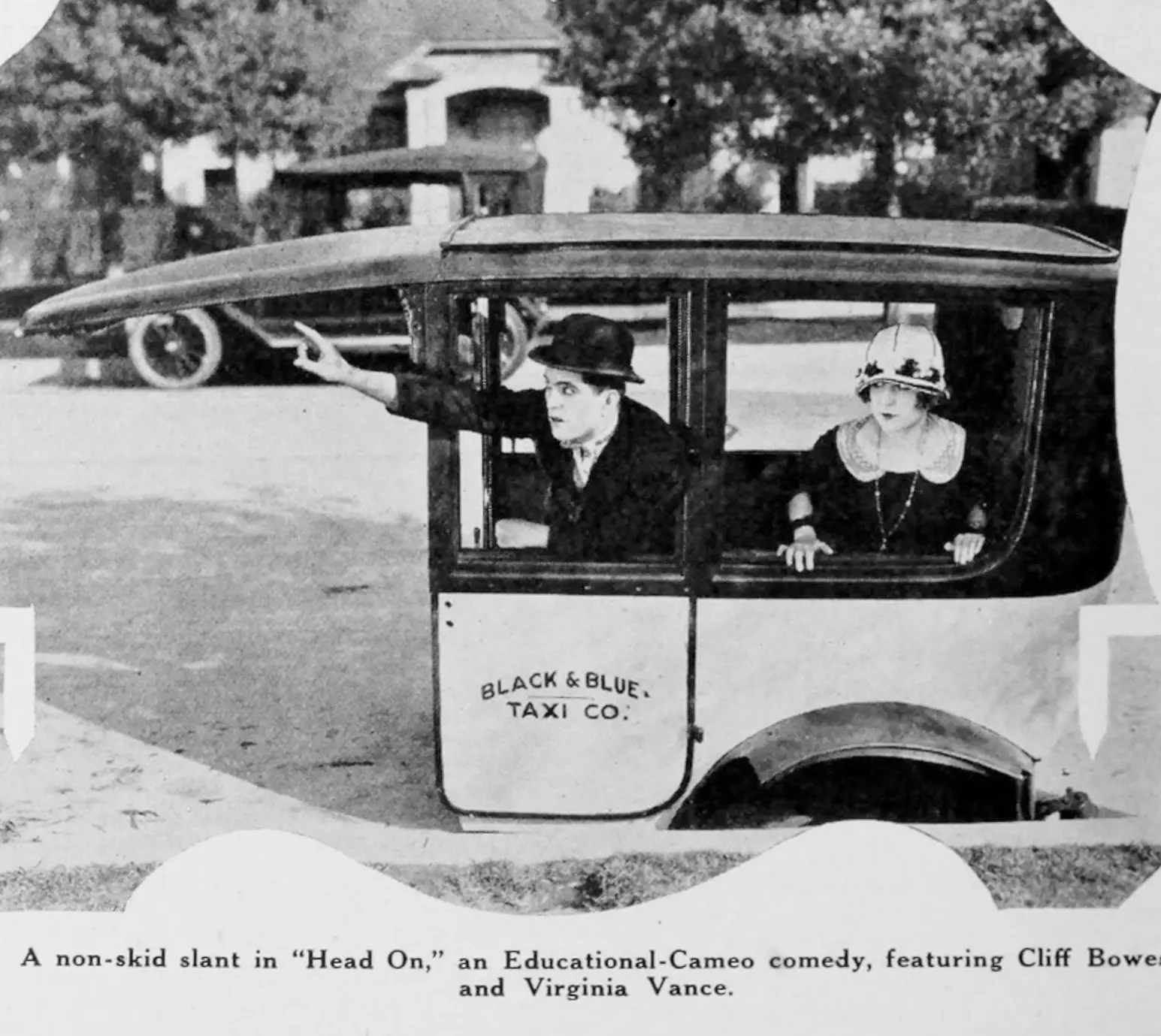
The narrative of 'Head On' is a masterful blend of silent film aesthetics with a modern sensibility. The direction, while uncredited, manages to convey a sense of urgency and chaos that is both palpable and deeply affecting. The use of a single prop, the taxi, as the primary setting, is a testament to the filmmakers' ingenuity. It serves not only as a vehicle of escape but also as a mirror reflecting the couple's inner struggles.
The performances of Virginia Vance and Cliff Bowes are remarkable. Their chemistry is evident, and their ability to convey complex emotions through subtle facial expressions and body language is a testament to the power of silent film acting. The film's silent nature requires viewers to engage their imaginations and fill in the gaps, which adds an extra layer of depth to the storytelling.
The film's exploration of family conflict is particularly poignant. The father's actions are not explained in detail, leaving room for interpretation. This ambiguity adds to the film's emotional impact, as viewers are forced to consider the complexities of familial relationships and the often unseen pressures that can drive people to extremes.
For a comparison, 'Head On' can be likened to silent films such as 'The Sign of the Rose' and 'Love's Redemption'. These films, like 'Head On', explore themes of love, escape, and familial conflict, albeit within different contexts and narrative structures. 'Head On' stands out for its contemporary approach to these themes, making it a relevant and engaging watch for modern audiences.
While the storytelling techniques of 'Head On' are reminiscent of these classics, it also pushes the boundaries of the silent medium. The use of sound effects and the emotional resonance of the performances create a modern feel that resonates with viewers even today. This fusion of old and new makes 'Head On' a fascinating historical artifact and a compelling cinematic experience.
Head On is a film that demands to be seen. Its exploration of love, escape, and family conflict is both timeless and deeply moving. The use of a taxi as a central prop and the silent film technique add layers of complexity to the narrative, making it a must-watch for film enthusiasts and casual viewers alike. It is a testament to the enduring power of storytelling and the ability of cinema to capture the essence of human emotion.
IMDb 5.4
1935
Community
Log in to comment.