DbcultAccessing Vault...
7.3/10
Senior Film Conservator
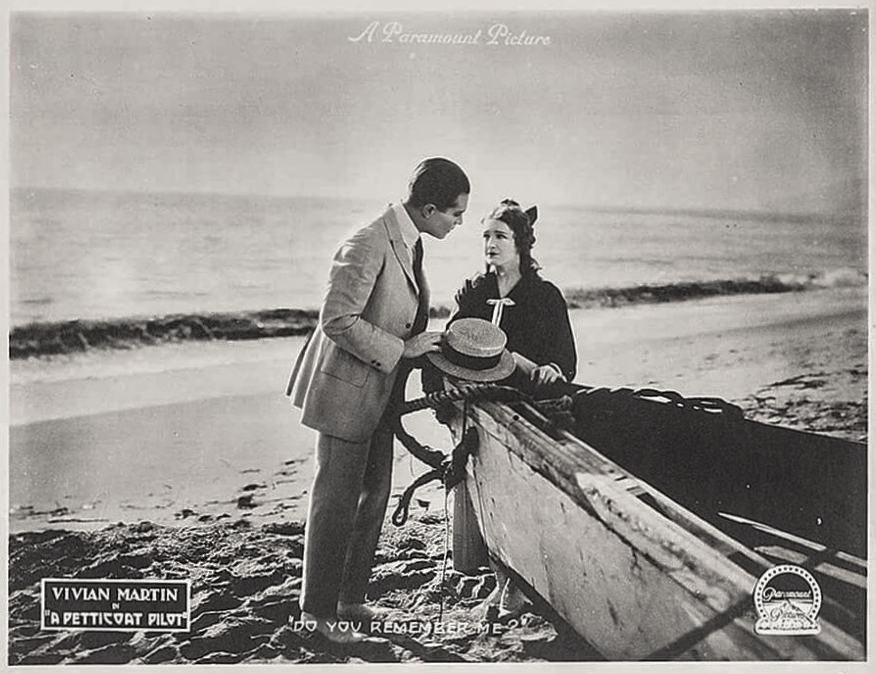
A definitive 7.3/10 rating for a film that redefined the boundaries of cult cinema. A Petticoat Pilot remains a cornerstone of transgressive art.
The flickering grandeur of silent cinema often holds within its monochrome embrace narratives that resonate with surprising contemporary relevance, and A Petticoat Pilot, a 1917 production, is a compelling testament to this enduring power. Far from being a mere historical curiosity, this film unfurls a deeply human drama, replete with themes of sacrifice, identity, and the burgeoning strength of female agency, all set against the picturesque backdrop of Cape Cod and the bustling sophistication of Boston. It's a journey back to an era when stories were told through gesture, expression, and the evocative power of visual metaphor, yet its emotional core feels as immediate and impactful today as it must have over a century ago.
At the heart of A Petticoat Pilot lies a beautifully intricate plot, spun from the threads of well-intentioned deceit and the unwavering loyalty of two old salts. When their third partner in a modest Cape Cod trading venture unexpectedly passes, Shad Gould and Zoeth Hamilton, portrayed with a delightful blend of gruffness and paternal tenderness by R.O. Pennell and James Neill respectively, find themselves the unlikely custodians of his orphaned daughter, Mary-'Gusta. Their commitment to the child transcends mere obligation; it blossoms into a profound, almost paternal love that shapes the trajectory of her young life.
As Mary matures, the two venerable mariners, driven by a desire to secure her a future far grander than their humble means could provide, concoct a benevolent fabrication. They send her to an exclusive Boston finishing school, nurturing the belief that she is the heiress to a substantial fortune left by her late father. This selfless act, a colossal financial strain on their struggling business, is the catalyst for Mary's entry into a world of refinement and opportunity. It is in this new milieu that she encounters Crawford Smith, a young man whose charm and earnestness immediately captivate her. Their burgeoning romance forms a central pillar of the narrative, promising a future of happiness and societal acceptance.
However, the delicate equilibrium of their newfound bliss is catastrophically disrupted by a revelation that plunges Mary into a maelstrom of emotional turmoil. She discovers that Crawford is the son of Edgar Fuller, a notorious scoundrel who, years prior, had not only absconded with Zoeth Hamilton's wife but also plundered his life savings. This ancestral stain, a dark shadow stretching from the past, threatens to extinguish the nascent flame of Mary and Crawford's love, forcing Mary to confront the agonizing dilemma of loyalty versus personal happiness. The film masterfully explores the moral quandaries of inherited guilt, asking whether the sins of a father should irrevocably condemn the son. This thematic complexity elevates A Petticoat Pilot beyond a simple romance, delving into the deeper currents of justice, forgiveness, and the enduring impact of betrayal.
The narrative takes a compelling turn as Mary, now acutely aware of the crippling financial burden her education has placed upon her beloved guardians, learns of their impending bankruptcy. The "fortune" was a loving myth, and her privileged existence in Boston has unwittingly driven Shad and Zoeth to the brink. This moment of truth is Mary's crucible. Rather than succumbing to despair, she demonstrates an extraordinary resolve. Abandoning the genteel pretense of Boston society, she returns to the windswept shores of Cape Cod, determined to salvage the business that has sacrificed so much for her. Her subsequent actions, characterized by astute management and an innate business acumen, are nothing short of heroic, transforming her from a sheltered schoolgirl into a capable, self-reliant woman. This arc, where the protagonist takes charge of her destiny and actively rescues her benefactors, is remarkably progressive for its time, positioning Mary as a beacon of emerging female empowerment.
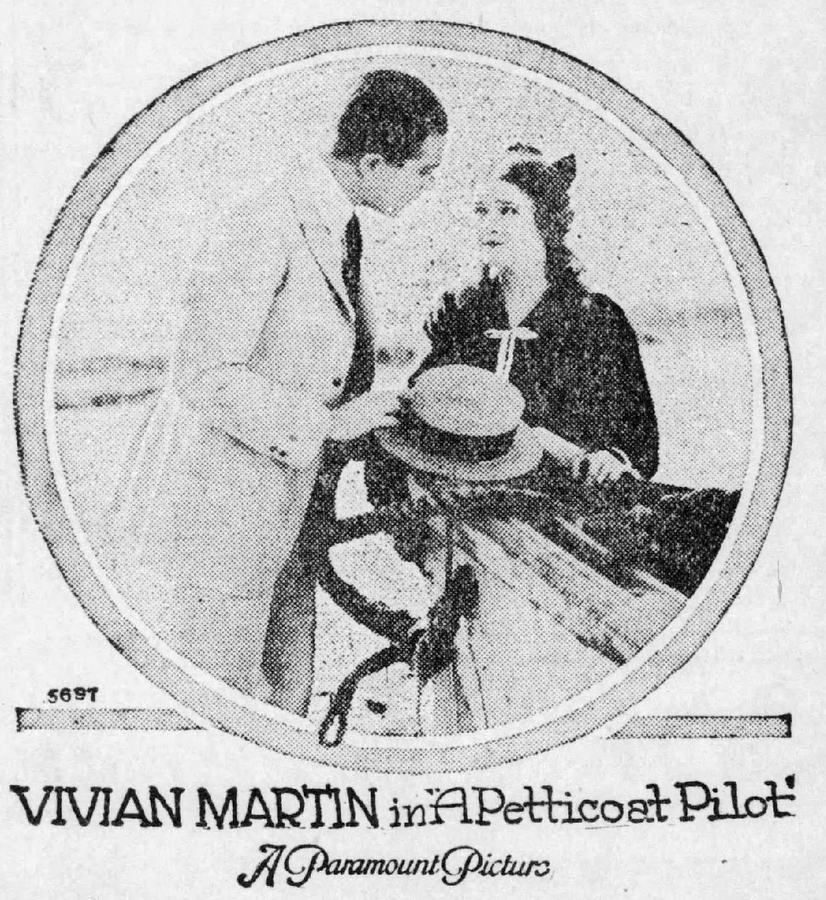
The climactic resolution, while perhaps a touch convenient for modern sensibilities, provides a satisfying closure. Edgar Fuller's posthumous letter of apology to Shad and Zoeth serves as a final act of atonement, a clearing of the moral ledger that absolves Crawford of his father's transgressions in the eyes of the community and, crucially, in Mary's heart. With this cloud lifted, the path is clear for Mary and Crawford to become engaged, their union a testament not only to their personal affection but also to the triumph of integrity and forgiveness over the lingering bitterness of past wrongs. This narrative trajectory, though rooted in the melodrama popular in the early 20th century, skillfully navigates complex emotional landscapes, making A Petticoat Pilot a surprisingly nuanced and emotionally rich cinematic experience.
In the realm of silent film, where dialogue is conveyed through intertitles and emotions must be writ large on the actors' faces and through their physical presence, the performances are paramount. A Petticoat Pilot benefits immensely from a cast capable of articulating profound feelings without uttering a single word.
Vivian Martin as Mary-'Gusta is, without doubt, the beating heart of the film. Martin, a popular star of the era, delivers a performance of remarkable depth and conviction. She seamlessly transitions from the innocent, somewhat naive schoolgirl, basking in the glow of a fabricated inheritance, to the heartbroken but ultimately resolute woman who confronts the harsh realities of her guardians' sacrifice. Her expressive eyes convey joy, confusion, sorrow, and ultimately, a fierce determination. The audience witnesses her internal struggle, the weight of the deception, and her unwavering resolve to rectify the situation. Her transformation into a capable businesswoman is portrayed with a quiet strength that is both inspiring and believable, making Mary-'Gusta a character far ahead of her time in terms of female agency. Martin's ability to command the screen, conveying intricate emotional states through subtle gestures and facial nuances, is a masterclass in silent film acting.
Harrison Ford (the original, not the modern icon) as Crawford Smith provides a compelling romantic counterpart. Ford brings an earnest sincerity to the role, portraying a young man caught between his genuine affection for Mary and the ignominious legacy of his father. His struggle to reconcile his love with the societal shame attached to his family name is palpable. Ford's chemistry with Martin is tender and believable, creating a romantic dynamic that feels authentic despite the melodramatic circumstances. He embodies the dilemma of a good man burdened by another's misdeeds, allowing the audience to empathize with his plight and root for his eventual redemption.
The performances of R.O. Pennell as Shad Gould and James Neill as Zoeth Hamilton are equally crucial to the film's emotional resonance. These "old salts" are the moral anchors of the story, their weathered faces and gentle gestures communicating a profound, unspoken love for Mary. They embody the spirit of selfless sacrifice, their every action driven by a desire for Mary's happiness and prosperity, even at their own expense. Their portrayal avoids caricature, instead offering genuinely endearing characters whose struggles elicit deep sympathy. The warmth and humanity they bring to their roles ground the fantastical elements of the plot in a relatable emotional reality. The supporting cast, including Jane Wolfe, Theodore Roberts, and Helen Gilmore, contribute effectively to the overall texture of the narrative, creating a believable world for the central drama to unfold.
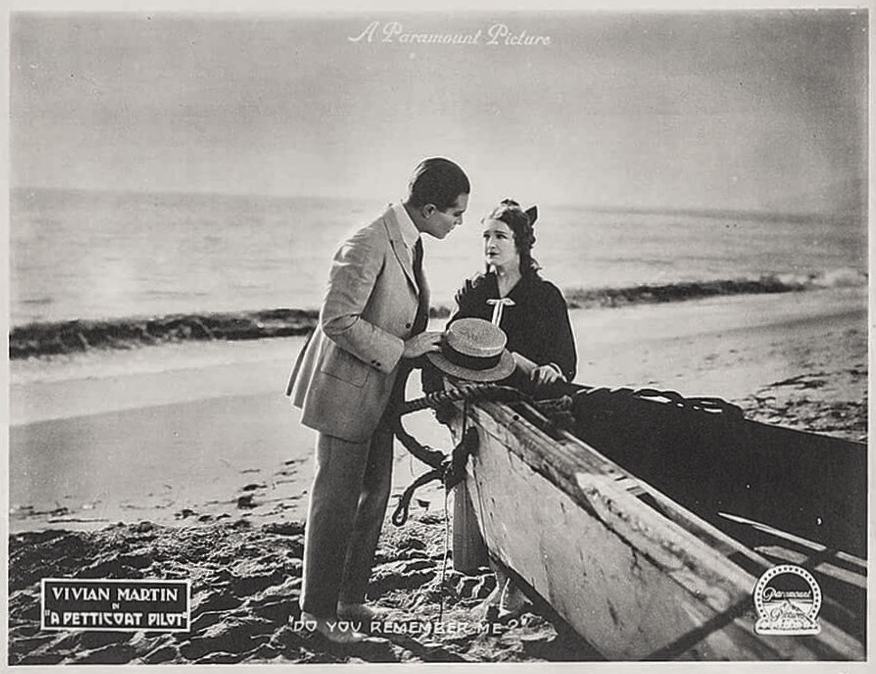
While specific directorial credits for such early films can sometimes be nebulous, the visual storytelling in A Petticoat Pilot is undeniably effective. The film leverages its contrasting settings to great effect, using them not merely as backdrops but as integral components of Mary's journey and the narrative's thematic explorations.
The depiction of Cape Cod is imbued with a rustic charm and a sense of enduring tradition. The rugged coastline, the modest trading post, and the simple lives of its inhabitants evoke a sense of authenticity and grounded reality. This setting represents Mary's origins, the honest toil, and the deep, uncomplicated affection of Shad and Zoeth. The visual contrast between this humble, yet loving, environment and the perceived grandeur of Boston is stark, highlighting the cultural and economic chasm Mary attempts to bridge.
Boston, on the other hand, is presented as a world of sophistication and opportunity, but also one of superficiality and hidden truths. The exclusive school, the elegant drawing rooms, and the fashionable attire symbolize the life Mary is meant to lead, yet it is a life built on a foundation of well-meaning falsehood. The film's use of these distinct locales underscores Mary's internal conflict: the pull of her humble, honest roots versus the allure of an educated, refined future. The shift back to Cape Cod for the film's resolution is not just a geographical return but a symbolic embrace of integrity and self-reliance over pretense.
The cinematography, typical of the era, relies on clear, functional framing, but it effectively captures the essence of each setting. Intertitles are judiciously used to advance the plot and convey dialogue, allowing the actors' expressions to carry the primary emotional weight. The visual language, though lacking the elaborate camera movements of later eras, is precise in its storytelling, ensuring that the audience remains fully immersed in the unfolding drama.
Beyond its captivating plot and compelling performances, A Petticoat Pilot delves into several profound thematic territories that lend it a surprising depth and resonance.
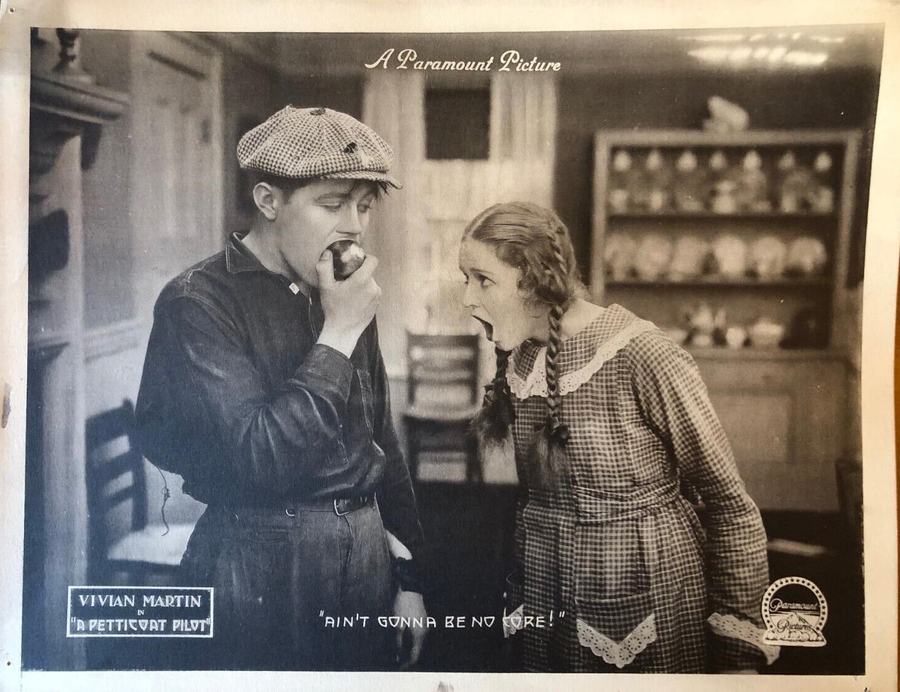
When considering A Petticoat Pilot within the broader context of early cinema, one can find fascinating thematic parallels with other works of the era. The theme of betrayal and its far-reaching consequences, for instance, finds resonance in films like Betrayed (1917), where trust is broken and lives are irrevocably altered. While the specifics differ, the emotional weight of a past transgression impacting present relationships is a shared dramatic engine.
Mary's triumphant return to Cape Cod to salvage the family business, effectively "cleaning up" the financial mess, echoes the spirit of narratives like The Clean-Up. Both films feature protagonists who, through their innate capability and determination, restore order and prosperity to a chaotic situation. This trope, of an individual rising to meet a challenge and proving their mettle, was a popular and uplifting narrative during a period of significant social change.
Furthermore, the intricate dance between family legacy, financial struggle, and the personal growth of a young protagonist in a business context can draw comparisons to literary adaptations such as Dombey and Son. While Dickens's world is grander and more sprawling, the core elements of a business facing ruin and a young person stepping up to preserve its honor and future are strikingly similar. A Petticoat Pilot distills these complex familial and financial dramas into a tighter, more focused narrative, but the emotional stakes are just as high.
These comparisons highlight that while A Petticoat Pilot possesses its own unique charm and specific narrative contours, it also participates in a rich tapestry of storytelling prevalent in early 20th-century cinema, exploring universal themes of morality, family, and resilience that continue to captivate audiences.
In conclusion, A Petticoat Pilot is much more than a historical artifact; it is a vibrant, emotionally resonant film that offers a compelling blend of romance, drama, and social commentary. Its strengths lie in its well-crafted narrative by Gardner Hunting and Joseph C. Lincoln, its memorable characters, and the powerful, expressive performances of its cast, particularly Vivian Martin, who shines as the tenacious Mary-'Gusta. The film’s progressive depiction of a woman taking charge of her destiny, coupled with its exploration of themes like inherited guilt, selfless love, and the triumph of integrity, ensures its continued relevance.
For silent film enthusiasts, it is a delightful rediscovery, showcasing the sophisticated storytelling techniques of the era. For newcomers, it serves as an excellent entry point into the world of early cinema, proving that stories told without spoken dialogue can be just as, if not more, impactful and moving. A Petticoat Pilot is a testament to the enduring power of human spirit and a charming, insightful glimpse into the social dynamics of its time. It is a cinematic voyage well worth taking, leaving the viewer with a sense of satisfaction and an appreciation for the subtle art of silent storytelling. Its message of resilience, love, and the ability to forge one's own path remains as potent and inspiring today as it was over a century ago.
IMDb —
1927
Community
Log in to comment.