DbcultAccessing Vault...
5.9/10
Senior Film Conservator
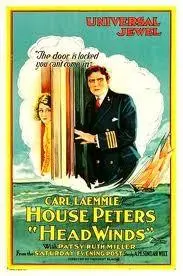
A definitive 5.9/10 rating for a film that redefined the boundaries of cult cinema. Head Winds remains a cornerstone of transgressive art.
In the silent era of cinema, 'Head Winds' emerges as a thought-provoking narrative that masterfully weaves together themes of love, control, and the societal expectations placed on individuals. The film, directed by an unnamed director and released in the 1920s, stars House Peters as Peter, a man whose fixation on Patricia, played by Patsy Ruth Miller, leads him to commit a drastic act.
The story unfolds with Peter's decision to kidnap Patricia, a move motivated by his conviction that she is on the cusp of making a grave mistake by marrying another man. This act of abduction sets off a chain of events that forces both characters to confront the depths of their emotions and the societal norms that govern their choices. The portrayal of Peter's actions, while seemingly extreme, serves as a catalyst for a nuanced discussion on the fine line between love and possessiveness.
The cinematography of 'Head Winds' is noteworthy, with each frame meticulously crafted to convey the emotional turmoil of the characters. The use of shadows and light plays a pivotal role in setting the tone of the film, often foreshadowing the tumultuous events that are about to unfold. This visual storytelling technique not only adds depth to the narrative but also engages the audience on a more intimate level, drawing them into the world of the film.
The performances of the cast, particularly House Peters and Patsy Ruth Miller, are commendable. They bring a level of authenticity to their roles, making the characters' plight relatable and their emotions palpable. The supporting cast, including Richard Travers and William Austin, add to the richness of the story, each bringing their own unique dynamic to the narrative.
In comparing 'Head Winds' to other films of its era, it becomes clear that the movie occupies a unique space in the cinematic landscape of the 1920s. While films like Aura o las violetas and The Kiss also explore themes of love and desire, 'Head Winds' stands out for its bold approach to storytelling and its willingness to tackle complex moral issues. The film's exploration of possessiveness and control in relationships can be likened to You Find It Everywhere, although 'Head Winds' approaches the subject with a distinctly different tone.
The direction of 'Head Winds' demonstrates a keen understanding of the silent film medium, utilizing title cards effectively to convey dialogue and emotion. This technique, while seemingly simplistic by today's standards, was a crucial element of storytelling in the silent era, and the filmmakers execute it with skill.
One of the most striking aspects of 'Head Winds' is its ability to evoke a sense of empathy for its characters, despite their flawed actions. Peter's motivations, however irrational they may seem, are rooted in a deep-seated fear of loss and rejection. This complexity makes him a more nuanced character, and his journey throughout the film is both captivating and thought-provoking.
In examining the societal context in which 'Head Winds' was made, it becomes apparent that the film was a product of its time, reflecting the changing attitudes towards relationships and personal freedom. The narrative can be seen as a commentary on the restrictions placed on individuals, particularly women, during this period. This theme is also explored in films like Der König ihres Herzens and A Man's Making, highlighting the universal relevance of these issues.
The film's score, although not explicitly mentioned, is a silent film's unsung hero, often enhancing the emotional impact of key scenes. The music, presumably period-specific, complements the on-screen action, elevating the overall viewing experience.
In conclusion, 'Head Winds' is a significant work in the silent film canon, offering a compelling narrative that explores the complexities of love, control, and societal expectations. Its thought-provoking themes, coupled with strong performances and effective direction, make it a must-see for fans of early cinema. While it may not be as widely recognized as some of its contemporaries, such as On with the Show or Alsace, 'Head Winds' stands as a testament to the enduring power of silent films to engage and provoke their audience.
For those interested in exploring more films from this era, The Song of Songs, The Counterfeit Trail, and Riders of the Law offer additional insights into the themes and storytelling techniques of the time. Each of these films, like 'Head Winds', contributes to a richer understanding of the silent film era and its lasting impact on the world of cinema.
Ultimately, 'Head Winds' challenges its viewers to reflect on the nature of love and possessiveness, and the consequences of allowing these emotions to guide our actions. It is a film that lingers in the mind long after the credits roll, a testament to its enduring relevance and its place as a significant work in the history of cinema.
IMDb 5.2
1930
Community
Log in to comment.