DbcultAccessing Vault...
Cult Review
Senior Film Conservator
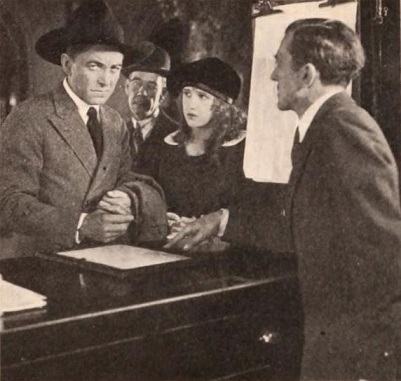
The cinematic landscape of the early 20th century was marked by a plethora of silent films that not only reflected the societal norms of the time but also pushed the boundaries of storytelling. One such film that stands out from the rest is Hearts Up, a 1917 silent drama that weaves a complex tale of love, deception, and redemption. Directed by Val Paul and starring Charles Le Moyne, Mignonne Golden, and Arthur Millett, this film is a testament to the power of cinematic storytelling.
At the heart of the film is the story of David Brent, a man who, while out on a journey, comes across a burning cabin and discovers the body of Jim Drew. As he searches the body, he finds a letter that announces the impending arrival of Drew's daughter, Lorelei. Filled with a sense of obligation to the deceased, who had once saved his life, Brent decides to embark on a journey to San Francisco to meet the young woman. However, in a twist of fate, Lorelei mistakes Brent for her father, and he, unable to muster the courage to break the news, allows the charade to continue.
As the story unfolds, Brent finds himself entangled in a complex web of relationships, suspicion, and deceit. His decision to take Lorelei back to his ranch sparks the suspicion of his neighbor, Bob Harding, who covets Brent's land. Furthermore, the arrival of Gordon Swayne, a young engineer who is attracted to Lorelei, adds another layer of complexity to the narrative. The tension builds as Harding discovers Brent's deception and reveals the suspicious-looking situation to Swayne, leading to a series of events that ultimately changes the course of the story.
One of the most striking aspects of Hearts Up is its exploration of the human condition. The film delves into the complexities of human relationships, highlighting the fragility and vulnerability that often accompany love and deception. The character of David Brent, in particular, is a fascinating study of the human psyche, as he grapples with his own feelings for Lorelei while navigating the complexities of his situation. The film's use of dark orange hues and sea blue tones adds a sense of depth and nuance to the narrative, underscoring the emotional turmoil that the characters experience.
In comparison to other films of the era, such as The Wall Street Mystery and The She Wolf, Hearts Up stands out for its thoughtful and nuanced exploration of the human condition. The film's use of yellow hues to symbolize hope and redemption adds a sense of optimism to the narrative, highlighting the possibility of personal growth and transformation. This is particularly evident in the character of Lorelei, who, despite being faced with the harsh realities of her situation, remains a beacon of hope and innocence.
The film's cinematography is also noteworthy, with the use of sea blue tones to create a sense of melancholy and longing. The composition of the frames is equally impressive, with the use of dark orange hues to add a sense of warmth and intimacy to the narrative. The overall effect is a visually stunning film that not only tells a compelling story but also explores the complexities of the human experience.
In conclusion, Hearts Up is a film that deserves to be recognized for its thoughtful and nuanced exploration of the human condition. With its complex characters, engaging narrative, and stunning cinematography, this film is a must-see for anyone interested in the art of silent cinema. Whether you're a fan of The Parish Priest or Movie Fans, Hearts Up is a film that will leave you spellbound and eager for more.
The film's themes of love, deception, and redemption are timeless and continue to resonate with audiences today. The character of David Brent, in particular, is a fascinating study of the human psyche, as he grapples with his own feelings for Lorelei while navigating the complexities of his situation. The film's use of dark orange hues and sea blue tones adds a sense of depth and nuance to the narrative, underscoring the emotional turmoil that the characters experience.
As we reflect on the cinematic landscape of the early 20th century, it becomes clear that Hearts Up is a film that stands out from the rest. Its thoughtful and nuanced exploration of the human condition, combined with its stunning cinematography and engaging narrative, make it a must-see for anyone interested in the art of silent cinema. Whether you're a fan of The Mysterious Lady or He Did and He Didn't, Hearts Up is a film that will leave you spellbound and eager for more. With its complex characters, engaging narrative, and stunning cinematography, this film is a testament to the power of cinematic storytelling and a reminder of the importance of preserving our cinematic heritage.
IMDb 7.1
1915
Community
Log in to comment.