DbcultAccessing Vault...
Cult Review
Senior Film Conservator
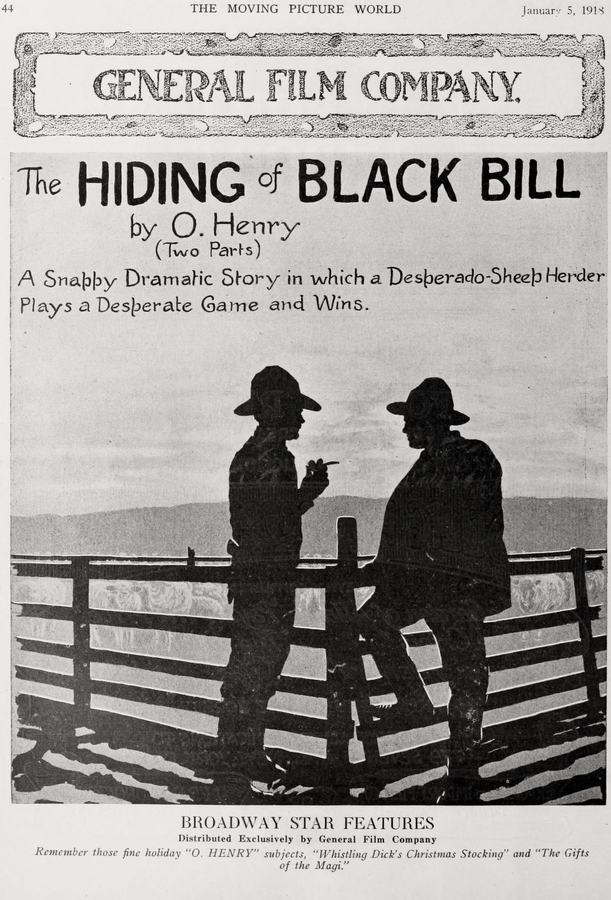
Cinema’s capacity to transmute arid landscapes into psychological battlegrounds finds exquisite expression in The Hiding of Black Bill, where the parched earth becomes both sanctuary and prison. Walter Rodgers’ nameless hobo arrives not with dramatic fanfare but through exhausted desperation—a man whose frayed collar and sun-cracked lips tell entire chapters before he utters a word. His hiring as sheepman feels less like employment than a Faustian bargain with the wilderness itself. Director F.R. Buckley, adapting O. Henry’s taut narrative, wields silence like a scalpel, carving tension from the space between bleating lambs and unspoken accusations.
Chet Ryan’s ranch owner emerges as a masterpiece of restrained ambiguity. Watch how his fingers tremble when smoothing a wanted poster—not with guilt, but with the visceral recognition of a doppelgänger’s curse. Ryan composes a man dissected by duality: the competent rancher who stacks hay bales with mathematical precision versus the flinching creature who scans horizons like a hunted animal. This isn’t the flamboyant villainy of The Price of Crime but a subtler, more devastating portrait of a soul condemned by perception.
"In the desert, a man’s shadow stretches longer than his past—until the past comes collecting."
Buckley transforms sheep from livestock into potent symbols. Their mindless milling becomes a woolen curtain obscuring truth; their docility contrasts the volatile human drama. Cinematography paints the ranch as an island adrift in ochre seas—wide shots emphasize its vulnerability, while tight close-ups on eyes and hands create claustrophobia amidst vastness. The director’s visual grammar echoes the moral chiaroscuro of The Lyons Mail, where identity proves as fluid as mirages on salt flats.
Rodgers crafts an unforgettable lexicon of physical storytelling. Observe the minute calibration when he cleans his rifle—lingering just a heartbeat longer than necessary, the metallic slide of the bolt echoing like a verdict. His performance transcends dialogue, articulated through shoulder tension and the deliberate placement of boots near exit routes. This isn’t acting; it’s anthropological study. When compared to the theatrical flamboyance dominating contemporaries like A Broadway Scandal, Rodgers’ restraint feels revolutionary.
The film’s narrative architecture honors O. Henry’s signature irony while expanding its cinematic potential. Screenwriters distill his twist-laden prose into visual suspense—the recurring motif of wanted posters (nailed to warped wood, tucked in saddlebags, blowing like tumbleweeds) functions as both Greek chorus and psychological torture device. The genius lies not in asking "Is he Black Bill?" but "What occurs when presumption becomes its own truth?" This philosophical heft distinguishes it from lighter identity farces like The Mail Order Wife.
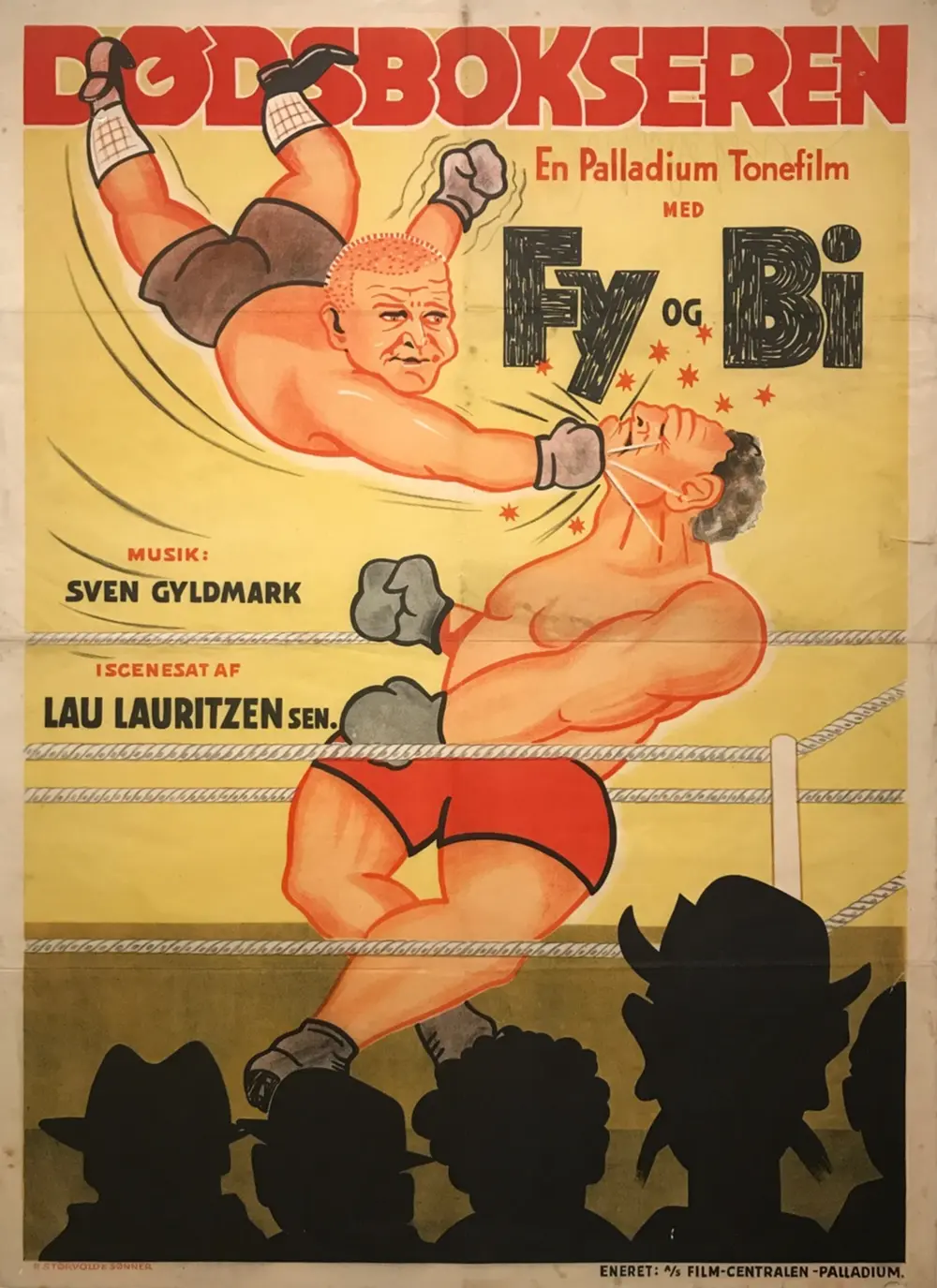
Despite being a silent film, The Hiding of Black Bill composes a brutal auditory hallucination through imagery. The absence of diegetic sound amplifies metaphorical noise: the scratch of pen on reward notices, the imagined jingle of spurs in darkness, the deafening silence when two men chew salt pork without looking up. This sensory deprivation makes the climactic sheep-shearing sequence—scissors glinting like Bowie knives—almost unbearably loud in the mind’s ear. Such techniques predate the atmospheric dread of Den sorte Kugle by decades.
"In the West, a man is defined less by his actions than by the stories that hitchhike on his coattails."
Tinting techniques (amber for daylight, steely blue for moonlight) externalize the narrative’s psychological corrosion. Daylight scenes bake characters in judgmental glare, while nocturnal sequences drown them in indigo doubt. Costuming serves as visual thesis: Rodgers’ progressively cleaner attire mirrors his deepening suspicion, while Ryan’s ostensibly respectable waistcoat grows visibly constricting. These subtleties eclipse the sartorial opulence of Silks and Satins, proving restraint can scream louder than velvet.
This film dismantles Western archetypes with surgical precision. There’s no heroic sheriff—justice exists as an abstract force haunting the living. The "frontier" isn’t conquered but endured, a purgatory where men are sandblasted into new shapes. Unlike the imperialist bravado of The Prince of Graustark, here the land dominates humanity. The sheep ranch becomes a microcosm of societal breakdown—a place where law evaporates like desert water, leaving only primal assessments of threat and survival.
The shearing sequence stands among cinema’s most unnerving set pieces. As Rodgers methodically strips wool from trembling animals, the act becomes metaphor—layers of assumed identity peeled away beneath an indifferent sky. Buckley crosscuts between fleece piling like cumulus clouds and Ryan’s sweat-beaded forehead, transforming agricultural labor into psychological vivisection. The scissors’ metallic snip-snip vibrates with lethal potential, recalling the tension in La Tigresa but replacing exoticism with earthy dread.
Unlike definitive moral conclusions in Saints and Sinners, this film marinates in delicious uncertainty. Its final frames reject tidy resolution, instead posing ontological questions: What constitutes guilt? Can a man become his reputation? The brilliance lies in the drifter’s choice—not a verdict delivered, but a burden shouldered. Rodgers’ exit across the alkali flats isn’t retreat but ascension; he leaves carrying the heavier weight of complicit knowledge. Such moral complexity would influence noir for generations, particularly the haunted protagonists of The Key to Yesterday.
"The most dangerous fugitives aren’t those fleeing posses—they’re those imprisoned by others’ imaginations."
Modern viewers will detect genetic strands in Robbery Under Arms’ bush-bound paranoia and even the celebrity-as-prison metaphor of The Price of Fame. Yet The Hiding of Black Bill remains singular in its refusal to comfort. Its power derives from absence—the missing gunfights, the withheld backstory, the existential vacancy where genre tropes should reside. This austerity makes its emotional impact volcanic. When Ryan finally meets Rodgers’ gaze without blinking, it’s more devastating than any shootout.
Revisiting this masterpiece today induces awe at its disciplined savagery. Its landscapes don’t just host drama—they metabolize it, digesting human frailty into geological time. The film understands what later Westerns often forgot: that true terror isn’t bullet-riddled bodies but the moment a man realizes he might become the monster they accuse him of being. In an era saturated with remakes, its survival feels miraculous—a whispered secret passed between cinephiles like a worn wanted poster. Find it. Study it. Let its dust settle in your bones.
IMDb 8
1924
Community
Log in to comment.