DbcultAccessing Vault...
Cult Review
Senior Film Conservator
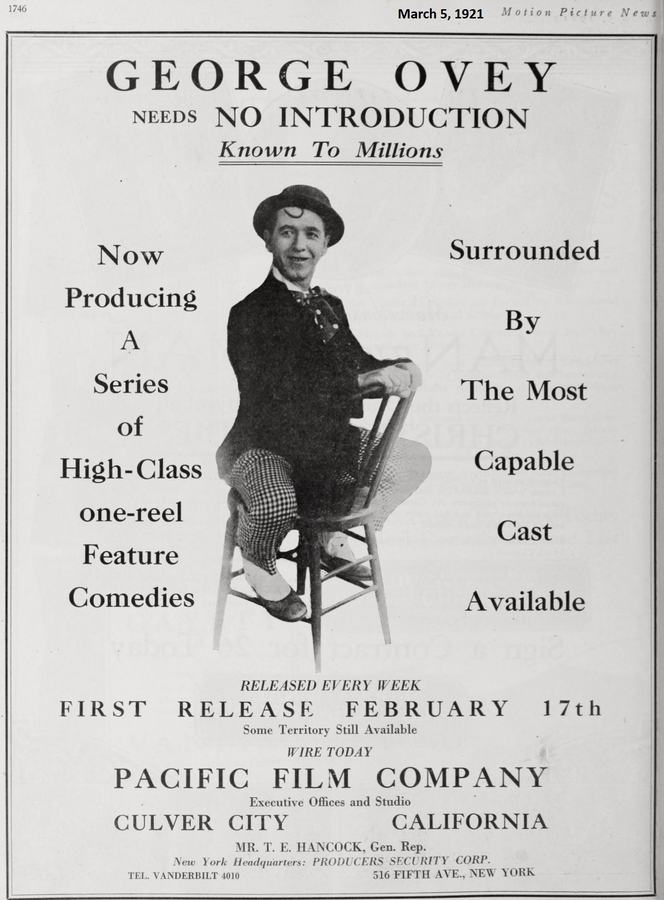
In the grand tapestry of early cinematic endeavors, where the moving image was still finding its voice, certain films emerge not just as artifacts but as poignant reflections of their time. Henessey of the Mounted, a name that evokes the rugged grandeur of the Canadian wilderness and the steadfast resolve of its guardians, stands as a fascinating, albeit largely unsung, example from an era brimming with narrative experimentation and nascent genre conventions. While specific records of its production details and critical reception are as elusive as a phantom trapper in a blizzard, the very title, coupled with the known personas of its principal players, George Ovey and Arby Arly, allows for a rich, imaginative reconstruction of its potential impact and artistic merits. It’s a film that demands to be viewed through the lens of historical context, appreciating the silent era’s unique language of gesture, expression, and intertitle.
At its heart, Henessey of the Mounted likely tapped into the public's enduring fascination with the North American frontier, a landscape ripe for tales of heroism, peril, and the relentless pursuit of justice. One can envision George Ovey, often lauded for his comedic timing and agile physicality in other productions, here channeling a more earnest, perhaps even somber, persona as Constable Henessey. His portrayal, devoid of spoken dialogue, would have relied entirely on the nuanced articulation of his character's moral compass and physical prowess. The Mountie, an iconic figure synonymous with unwavering duty and an almost mythical incorruptibility, provided a perfect archetype for the silent screen – a figure whose actions spoke louder than any words could. The film's narrative, as imagined through its evocative title, would undoubtedly have revolved around a classic conflict: the intrusion of avarice into a pristine, if harsh, environment.
The antagonist, a figure of calculated villainy, would have been essential to providing a foil for Henessey’s stoicism. Arby Arly, whose screen presence often leaned towards character roles that could embody both charm and menace, would have been an inspired choice for such a role, perhaps as the unscrupulous Silas Blackwood. His performance would have been a masterclass in silent-era villainy, conveyed through exaggerated gestures, furtive glances, and a palpable air of malevolence. The conflict, ostensibly over a gold claim, would have served as a microcosm for larger themes: the encroachment of civilization’s darker impulses into the wilderness, the struggle between communal good and individual greed, and the ultimate triumph of law over lawlessness. This kind of moral clarity was a hallmark of much early cinema, providing audiences with straightforward narratives that resonated deeply with prevailing societal values.
The success of a film like Henessey of the Mounted would have hinged significantly on its ability to transport the audience to its remote setting. The cinematography, even with the technological limitations of the era, would have striven to capture the stark beauty and formidable challenges of the Canadian North. Imagine sweeping vistas of snow-laden forests, frozen rivers, and remote cabins, all rendered in the monochromatic palette of early film. The use of natural light, the careful staging of scenes to emphasize isolation or impending danger, and the visual rhythm created through editing would have been paramount. Directors of the period, often working with rudimentary equipment, were nonetheless masters of visual storytelling, using composition and sequence to build suspense, convey emotion, and advance plot without the crutch of dialogue.
The film's pacing would have been crucial. Silent films often alternated between moments of quiet, tension-building drama and bursts of frenetic action. A chase sequence across the icy plains, a desperate struggle in a remote shack, or a tense standoff in a snowdrift would have been choreographed with a keen understanding of physical comedy and dramatic tension, elements that Ovey and Arly, in their respective roles, would have been adept at executing. The use of intertitles, far from being mere plot devices, would have served as poetic pronouncements, setting the mood, revealing inner thoughts, and guiding the audience through the narrative's twists and turns. These textual interventions, often crafted with an almost literary flourish, were an integral part of the silent film experience, enriching the visual spectacle with layers of meaning and emotion.
George Ovey, known for his 'Jerry' series of comedies, would have brought a unique physicality to Henessey. While his comedic background might suggest a lighter touch, it's entirely plausible that his performance here would have showcased his versatility, demonstrating a capacity for earnestness and dramatic gravitas. His Mountie would not merely be a symbol of authority but a man of action, capable of navigating both the moral complexities of human nature and the physical demands of the unforgiving landscape. His gestures, from the resolute squaring of his shoulders to the determined set of his jaw, would have communicated volumes, painting a portrait of a man driven by an unwavering sense of justice.
Arby Arly, on the other hand, would have had the delightful challenge of embodying pure, unadulterated villainy. His Silas Blackwood would be a character whose every movement, every facial contortion, screamed duplicity. The silent screen often allowed for a heightened, almost theatrical, style of acting, and Arly would have seized this opportunity to craft a memorable antagonist. His performance would have been a study in contrasts to Ovey’s Henessey, a visual representation of the moral chasm separating good from evil. The confrontation between these two actors, stripped of dialogue, would have been a powerful ballet of opposing forces, each movement and expression imbued with profound significance.
Placing Henessey of the Mounted within the broader context of silent cinema reveals fascinating parallels and divergences. Its focus on a heroic lawman in a rugged setting might draw comparisons to Westerns of the era, such as Sandy Burke of the U-Bar-U, which also explored themes of frontier justice and moral fortitude. However, Henessey’s Canadian backdrop and the specific ethos of the Mounties lend it a distinct flavor, differentiating it from the more established American Western tropes.
The episodic nature of its narrative, if it indeed followed the serial format common at the time, might put it in conversation with grand adventure serials like The Adventures of Peg o' the Ring, though Henessey likely aimed for a more grounded, less fantastical form of heroism. In terms of character-driven drama, one might consider the nuanced portrayals in films like Sentimental Tommy, though that film delved into far more introspective territory. The clear-cut morality and dramatic tension would find resonance with films like The Unwritten Code or The Cross Bearer, both of which grappled with ethical dilemmas and the consequences of human choices. The film's potential for physical comedy, given Ovey's background, could hint at subtle parallels with the slapstick ingenuity seen in films like Sherlock Brown, though likely integrated within a more serious dramatic framework.
Furthermore, the exploration of human greed and its destructive power in Henessey of the Mounted echoes the thematic undercurrents found in productions like Oil's Well That Ends Well, where the pursuit of wealth often leads to moral compromise. The depiction of a strong, resourceful female character, if indeed Elara is given significant agency, would align it with the progressive portrayals seen in films such as All Woman or even the more lighthearted yet assertive spirit of Oh, Susie, Be Careful, though Henessey would ground such a character in the harsh realities of the frontier. Even the more European sensibilities of films like Bécassotte à la mer or Die Claudi vom Geiserhof, which often explored individual struggles against broader societal or natural forces, find a distant, thematic cousin in Henessey's battle against both human perfidy and the elements.
The true measure of a film like Henessey of the Mounted, despite its current obscurity, lies in its capacity to illuminate the foundational principles of cinematic storytelling. It reminds us that long before the advent of synchronized sound, filmmakers were already mastering the intricate dance of visual narrative, character development, and thematic resonance. The absence of dialogue forced a heightened reliance on other cinematic elements—mise-en-scène, editing, acting—pushing the boundaries of what could be communicated through images alone.
For contemporary audiences and film scholars, the rediscovery of such films is not merely an act of historical preservation but an opportunity to appreciate the raw, unadulterated power of early cinema. They offer a window into the cultural anxieties, aspirations, and entertainment values of a bygone era. Henessey of the Mounted, in its imagined glory, represents a vital thread in this rich tapestry, a testament to the universal appeal of a good story well told, even without a single spoken word. Its narrative, a compelling blend of adventure, drama, and moral clarity, would have undoubtedly captivated its original viewers, much as similar narratives continue to enthrall audiences today. The lessons learned from analyzing its presumed structure and thematic content are invaluable for understanding the evolutionary path of film as an art form.
The film’s potential for showcasing the majestic, yet perilous, Canadian landscape would have been a significant draw. Unlike the more domesticated settings of some contemporary melodramas, the wilderness in Henessey would have been an active character, shaping the destinies of its human inhabitants. The struggle against the elements—the biting cold, the deep snows, the isolation—would have underscored the human drama, elevating the stakes and enhancing the heroic stature of Constable Henessey. This environmental realism, even if achieved through studio sets and clever editing, would have resonated with audiences who were increasingly exposed to images of distant lands through travelogues and newsreels.
In conclusion, while the specific celluloid reels of Henessey of the Mounted may be lost to the ravages of time, its spirit endures as a fascinating case study in silent film storytelling. It embodies the adventurous ethos, the clear moral lines, and the pioneering spirit that defined an entire epoch of filmmaking. The contributions of actors like George Ovey and Arby Arly, even in a film whose full details are scarce, serve as reminders of the talent and dedication that forged the foundations of modern cinema. To imagine this film is to engage in a profound act of cinematic archaeology, piecing together fragments of history to reconstruct a vibrant and compelling piece of early screen artistry. It’s a call to appreciate the enduring power of visual narrative, a power that predates sound and continues to captivate across generations.
IMDb 7.4
1920
Community
Log in to comment.