DbcultAccessing Vault...
Cult Review
Senior Film Conservator
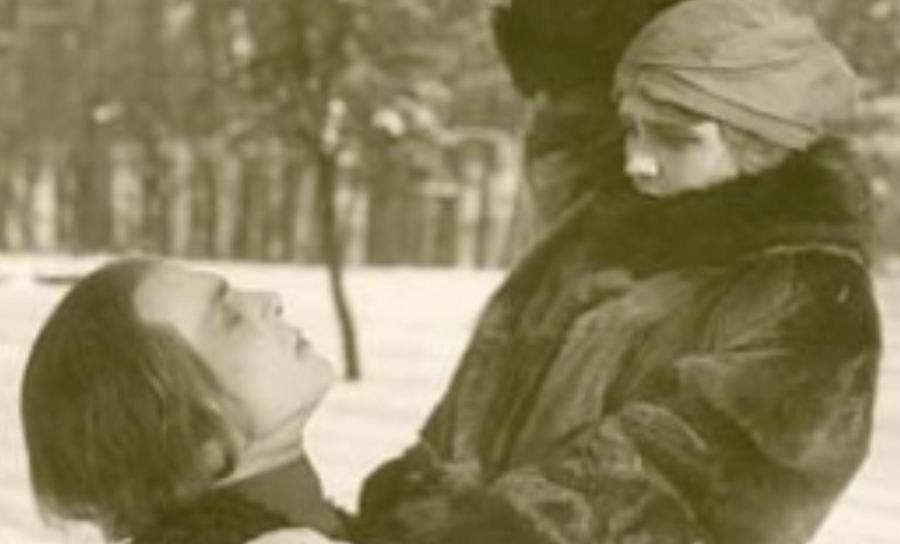
Rosa Porten’s Die Hexe is a film that lingers in the mind like a shadow cast by a flickering lantern. Set in a medieval German village shrouded in perpetual mist, the film’s narrative is less about literal witchcraft and more about the insidious ways society weaponizes fear to justify cruelty. The protagonist, portrayed with aching nuance by Hermine Sterler, is a woman whose quiet defiance of gendered expectations becomes a convenient scapegoat for a community in crisis. Porten, a pioneering female director in early cinema, crafts a story that resonates with an eerie immediacy, even a century after its release.
The film opens with a disorienting sequence: the camera lingers on a close-up of a woman’s trembling hands as they stitch a tattered shawl. The sound of rain punctuates the silence, a motif that recurs throughout to underscore the protagonist’s isolation. This is not the familiar narrative of a woman accused of witchcraft and found guilty; it is a study of how truth is dismantled in the name of conformity. The village’s elders, played with chilling detachment by Fritz Richard and Margarete Schlegel, are not overt villains but figures who embody the collective rot of societal complicity. Their authority is not questioned, even when it becomes clear that the protagonist’s only crime is her refusal to kneel.
Porten’s use of chiaroscuro is nothing short of revolutionary. In one pivotal scene, the protagonist stands in a starkly lit doorway as the villagers, silhouetted against the dark, chant her demise. The light here is not a symbol of purity but a prison, a forced visibility that strips the character of her agency. The film’s cinematography, by uncredited but masterful hands, often frames the protagonist in tight close-ups, her eyes reflecting a storm of suppressed rage and sorrow. These choices echo the techniques later popularized in German Expressionism, though Die Hexe predates that movement by nearly two decades.
Hermine Sterler’s portrayal is a masterclass in physical acting. Her body language—slumped shoulders, hesitant gestures—conveys a lifetime of subjugation, while her eyes become windows to a soul in rebellion. Frida Richard, as the protagonist’s daughter, delivers a performance that is both tender and tragic, her innocence a cruel contrast to the community’s cruelty. The supporting cast, particularly Werner Funck as the conflicted priest, adds layers of moral complexity to the narrative. Funck’s character is not a hero but a man trapped by his own fear, a nuance that elevates the film beyond a simple moral fable.
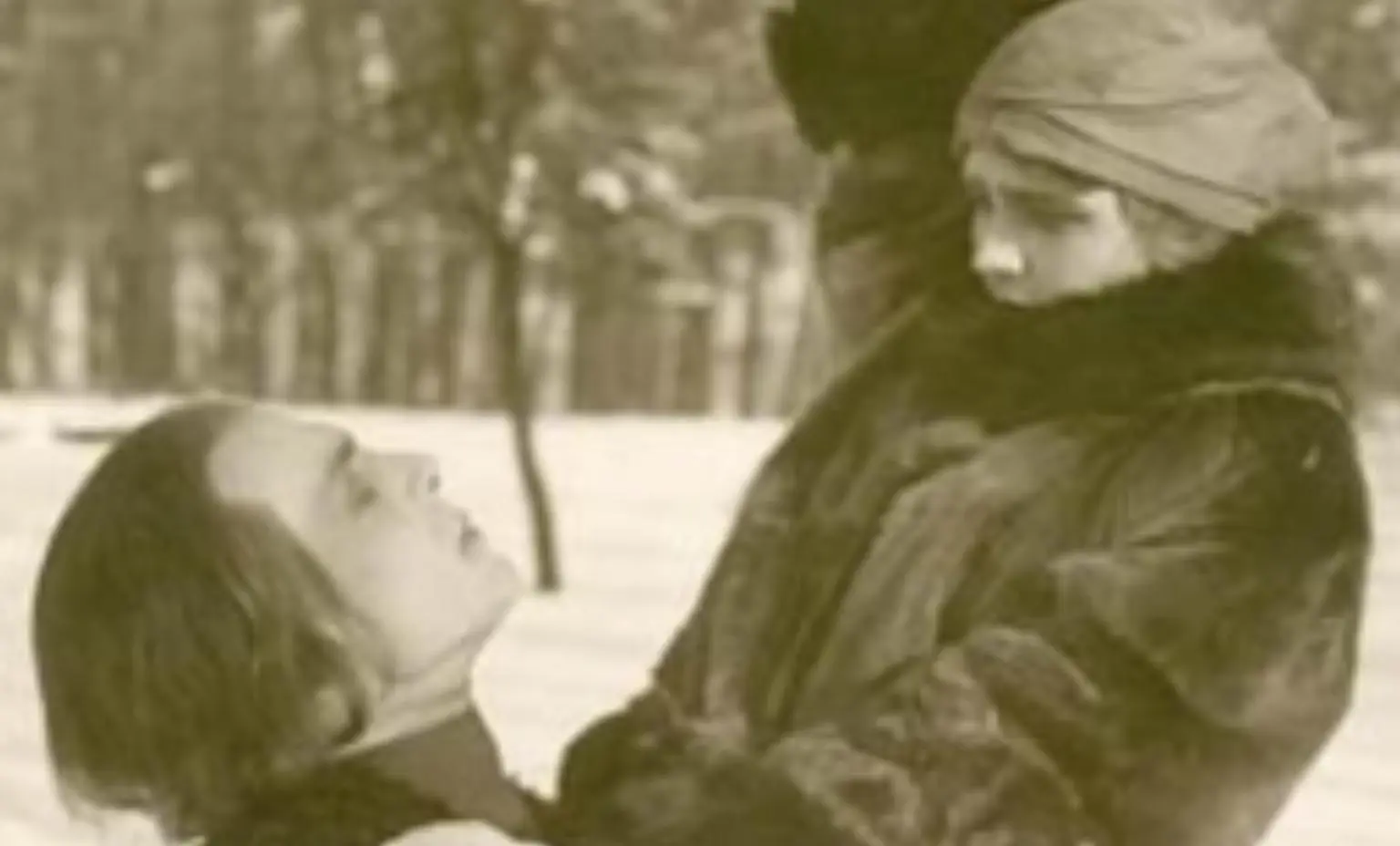
Though Die Hexe is rooted in a medieval setting, its themes are strikingly contemporary. The film’s depiction of a woman accused by neighbors who once called her friend finds a modern parallel in the #MeToo movement’s reckoning with institutional silence. Similarly, the trial sequence—a cacophony of shouting voices and raised hands—resembles the performative outrage of social media witch hunts. Porten’s work becomes a cautionary tale about the dangers of dehumanizing the other, a message that remains urgent in an age of polarization.
Comparisons to other silent-era films underscore Die Hexe’s uniqueness. Like As God Made Her (1919), it explores the intersection of gender and morality, but Porten’s film is far more subversive in its critique of societal structures. The Cheat (1915) shares a similar focus on racial and gendered injustice, yet Die Hexe’s setting is a European village rather than an American brothel, allowing Porten to sidestep direct colonial critiques while still commenting on systemic oppression. The film’s visual style anticipates the stark contrasts of Tidens Barn (1915), though Porten’s approach is more grounded in realism than the surrealism of the Swedish film.
Rosa Porten’s legacy is often overshadowed by her husband, Paul Wegener, but Die Hexe stands as one of her most significant achievements. Her direction is marked by a feminist sensibility that was radical for its time, evident in the way the protagonist’s interiority is prioritized over plot exposition. Porten’s decision to center a woman’s perspective in a male-dominated industry speaks to her defiance of artistic norms. Scholars have noted parallels between her work and that of later female directors like The Rise of Jenny Cushing (1915), though Die Hexe’s historical context gives it a sharper political edge.
The film’s recurring motifs—rain, mirrors, and fire—serve as metaphors for purification and destruction. In one haunting sequence, the protagonist gazes into a mirror that reflects not her face but a distorted, fiery landscape. This image captures the film’s central tension: the self as both a reflection of society and a threat to its order. The use of fire in the climax, where villagers torch a symbolic effigy, is a visceral reminder of the destructive power of collective fear. Porten’s restraint in these scenes—choosing to show the aftermath rather than the act—is a testament to her mastery of visual storytelling.
Die Hexe is more than a relic of early cinema; it is a film that demands to be watched with fresh eyes. Its exploration of truth, power, and societal violence remains startlingly relevant, offering a blueprint for understanding the mechanisms of modern injustice. For those familiar with The Conspiracy (1914) or Slægternes Kamp (1914), the film’s political undertones will resonate deeply. Yet it is the emotional core—the protagonist’s quiet dignity in the face of annihilation—that leaves the most indelible mark. In an era where narratives are weaponized with increasing frequency, Die Hexe serves as a reminder of the cost of silencing dissent and the enduring power of art as resistance.
IMDb 6.6
1923
Community
Log in to comment.