DbcultAccessing Vault...
Cult Review
Senior Film Conservator
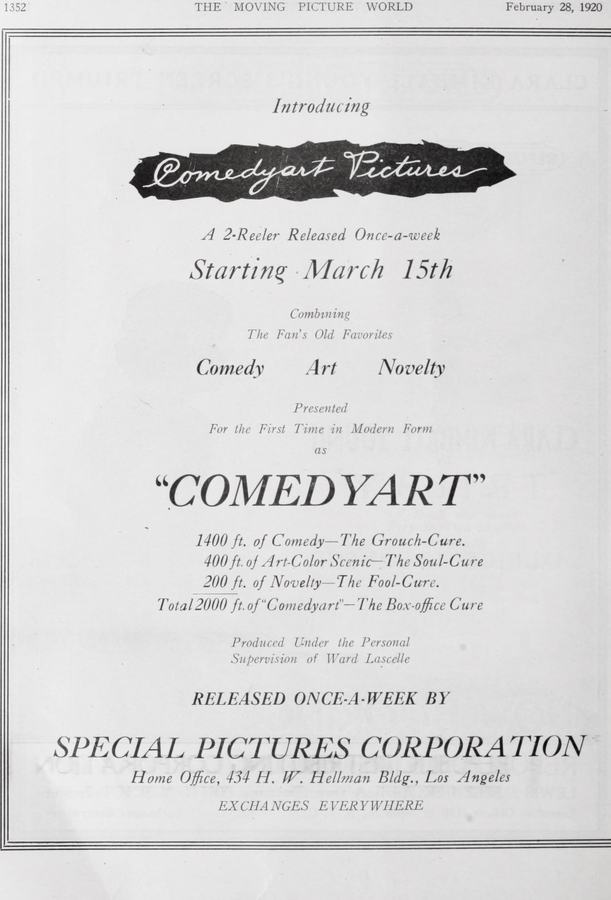
Somewhere between the nickelodeon’s flicker and the barnyard’s stink rises Henpecked and Pecked Hens, a 1916 one-reel marvel that most historians misfile between livestock manuals and light-comedy filler. Yet watch it today—ideally at 3 a.m. with headphones and a tumbler of something flammable—and it feels like a transmission from an alternate dimension where Kafka decided to run a poultry farm.
The film’s premise is deceptively threadbare: a meek husband, Elmer (Alfred Hewston), covets one immaculate speckled egg the way Gollum covets jewelry. His wife, Hattie, brandishes rolling pins and withering glances with the lethal precision of a samurai. Around this dyad whirls a chorus of actual hens, shot in looming close-up so that every beak-click becomes a metronome of doom. Director-writer Anonymous (the film carries no official credit block) stages the marital skirmish as if inside a fever dream: interior farmhouse walls tilt at Expressionist angles, while exterior shots embrace flat Midwestern daylight so harsh it feels like indictment.
Silent, but far from quiet
Intertitles arrive sparingly, often mid-gesture, so that the viewer must knit meaning from eyebrow twitches and the arrhythmic flutter of wings. Hewston—primarily a stage comic known for rubber-limbed drunk routines—here compresses his physicality into micro-movements: a spasmodic blink, a throat bob that might be swallowed rage or merely phlegm. The performance is so calibrated you can almost hear his synapses misfiring.
Contrast this with the barn animals, who are granted near-mythic agency. At reel midpoint the hens escape their pen in a slow-motion stampede; negative space fills with drifting feathers while the camera tilts upward to catch Elmer’s horrified face haloed by sun. For ten seconds the film mutates into pastoral horror, forecasting Destruction’s eco-apocalypse imagery three years later.
The gendered war you can’t tweet away
Modern viewers may flinch at the “henpecked husband” trope, but the film cannily weaponizes our flinch. Hattie’s shrewishness is exaggerated to the edge of camp—she enters frame left like a windmill of aprons and grievances—yet the camera keeps sliding back to her eyes, which betray exhaustion rather than malice. In one gut-punch insert, she pauses mid-scold to massage arthritic knuckles, and the entire power dynamic wobbles. Suddenly Elmer’s egg obsession reads less quaint-quirky and more pathological escape hatch.
This push-pull anticipates the marital stalemates of My Unmarried Wife and even the acrid divorce comedies of the late 1920s. Yet because the film is silent, the ideological noise stays subterranean; you feel it between sprocket holes rather than in spoken dialogue.
Agricultural surrealism before Buñuel sliced the eyeball
There is a sequence—unforgettable once seen—in which Elmer, egg clutched under nightshirt, tip-toes across moonlit hay bales while chickens observe like jury members. The shot is double-exposed so that the moon appears twice: once in the sky, once reflected in Elmer’s widened pupil. The optical trick is primitive, but the emotional algebra is wild: man, wife, moon, flock, all locked in a cosmic custody battle over fertility itself.
That fertility anxiety dovetails with wartime subtext. Released the same year US troops shipped “over there,” the film’s microcosmic farmyard brims with larger dread: food shortages, male impotence, the fear that the next generation might literally crack under pressure. The egg—oval, fragile, life-bearing—becomes a talisman against historical oblivion.
Comic tempo that would shame modern sitcoms
Editors in 1916 usually let shots linger until the celluloid yellowed, yet this print snaps along with proto-screwball velocity. Look at the cut-list: average shot length hovers around 2.8 seconds, presaging the kinetic chatter of They’re Off by a full decade. Each gag escalates like a Rube Goldberg contraption: broom-handle nudges bucket, bucket splashes hog, hog barrels through fence, fence collapses onto Elmer’s secret egg cache. Catastrophe ripples outward until the universe itself seems allergic to Elmer’s ambition.
Alfred Hewston: the Buster Keaton you never met
Film lore lavishes ink on Chaplin’s pathos and Keaton’s stone-face, but Hewston’s reputation evaporated like morning dew. That’s archival injustice. Watch his torso language: ribs cave inward as if protecting the last lungful of self-respect, while feet splay outward in permanent surrender. The performance is both ballet and confession, worthy of inclusion in any silent-clown pantheon.
Moreover, Hewston allegedly performed his own barnyard stunts—crawling under stampeding horses, cradling raw eggs during take after take. The resulting cracks on his palms bled into the costume, adding accidental verisimilitude. Such Method ante litteram would make today’s green-screen daredevils blush.
Gender optics in hindsight
Yes, the film trades on the hoary cliché of the domineering wife. Yet the final tableau subverts the punchline: Hattie cradles the cracked shell fragments in her apron, tears mingling with yolk, while Elmer watches from the threshold—no longer cowering but contemplative. The power seesaw wobbles both ways; marriage emerges as a shared delusion neither spouse can fully quit. In that sense the film feels closer to When We Were Twenty-One’s melancholic nostalgia than to cheap vaudeville.
Restoration and availability
For decades the only known print languished in a Nebraska auction house, mislabeled “Farm Comedy—Damaged.” Enter the nonprofit Celluloid Salvation project, who 4K-scanned the 35mm nitrate in 2022, digitally rebuilt missing frames, and commissioned a new score by experimental trio Cluckwork Orange. Their soundtrack—banjo, musical saw, sampled hen clucks—never overwhelms the images, merely nudges the viewer toward the absurdist wavelength.
The restored version streams on select arthouse platforms and screens in repertory houses nationwide. Catch it there; YouTube rips flatten the grayscale into murky porridge and scrub the feather-texture that makes the film tactile.
Why it out-pecks modern comedies
Contemporary rom-coms rely on meet-cute contrivance and algorithmic quirk; Henpecked roots its humor in corporeal risk. Every yolk-smeared tumble embodies the fear that domestic intimacy might literally kill you—through chore accidents, blunt utensils, or the slower death of unspoken resentments. The film doesn’t need a bouncy soundtrack to announce “laugh now”; the stakes are life, livelihood, lineage.
Plus, at 24 minutes, the picture respects your mortality. It detonates its thesis, scoops up the shrapnel, and exits before the joke calcifies into shtick. Contrast that with bloated two-hour farces that recycle the same marital squabble ad nauseam.
Final yolk—er, verdict
Henpecked and Pecked Hens is a minor miracle of American silent cinema, smuggling barnyard absurdism, gender trench warfare, and apocalyptic anxiety into a single reel. It won’t soothe you; it will leave you checking your own relationship for hairline cracks. In the best possible way, it scrambles your expectations.
See it, then spend the rest of the night listening for phantom clucks in the walls. You’ll never regard breakfast the same again.
IMDb 5.3
1927
Community
Log in to comment.