DbcultAccessing Vault...
5.7/10
Senior Film Conservator
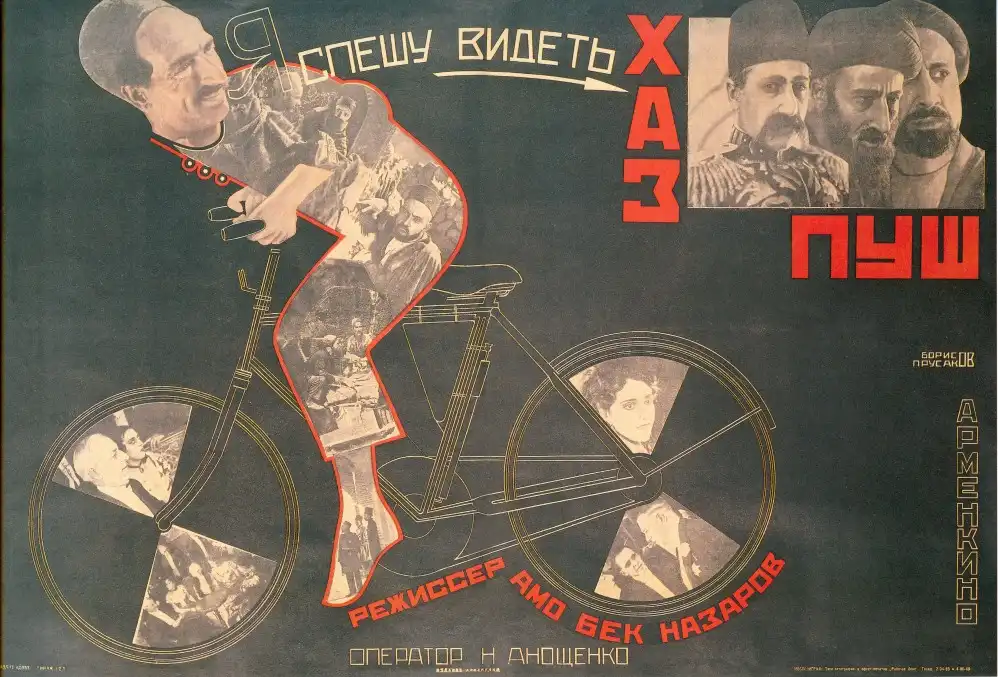
A definitive 5.7/10 rating for a film that redefined the boundaries of cult cinema. Khaspush remains a cornerstone of transgressive art.
"Khaspush" isn't going to be your casual Friday night watch, let's be clear. If you're into digging through the archives of early cinema, especially films that tackle big historical moments with a raw, almost documentary feel, then yes, absolutely give this one a look. But if you need snappy dialogue, fast cuts, or anything remotely resembling a superhero movie, you'll probably find yourself checking your watch quite a bit. It’s a glimpse into a very specific kind of filmmaking, and a very specific historical pain.
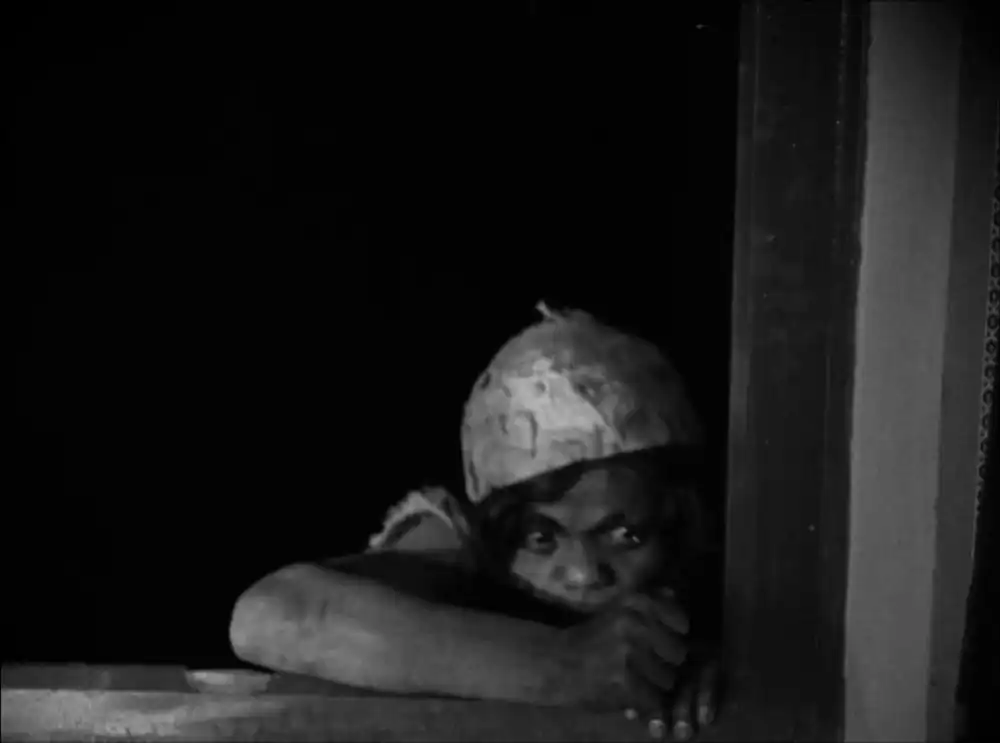
The film immediately throws you into the lives of these "khaspushes" – the peasants and craftsmen in 1891 Persia. Their daily existence is shown as hard, *really* hard, with scenes of people toiling away under visible duress. You can almost feel the dust and sweat through the grainy footage.
One early sequence shows a market bustling, but it's not a joyful kind of busy. It’s a tension-filled place, where every interaction seems laced with unspoken fear. You get a sense of the constant pressure these folks were under.
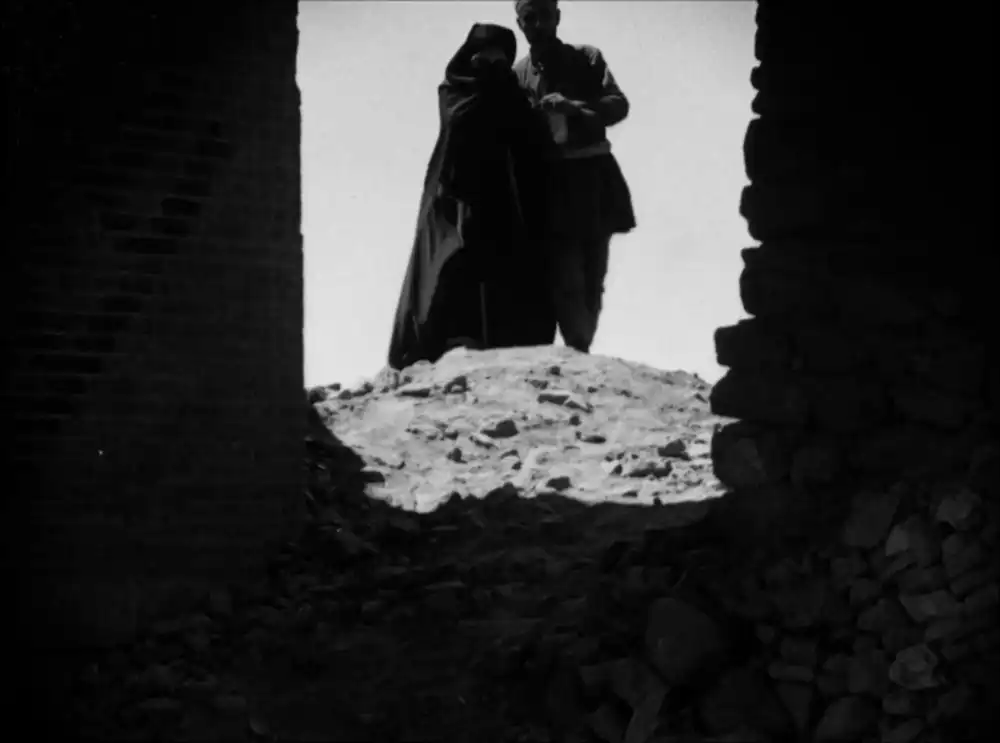
Then comes the spark. It's not one grand speech, but rather a cumulative build-up of small indignities that finally snaps something in the community. A particularly cruel tax collector, maybe, or just another empty promise. The film does a good job of letting these moments speak for themselves.
The way the revolt itself starts feels quite organic. Not a sudden explosion, but a slow burn that catches fire. People gather, first in whispers, then in more open defiance. There’s a powerful scene, actually, where a group of women just stop working in the fields, one by one. Their silence is **louder than any shouting**.
Amasi Martirosyan, playing one of the central figures, carries a heavy burden in his eyes. He doesn't need many words; his expressions convey a deep weariness mixed with a desperate resolve. You *believe* he's had enough.
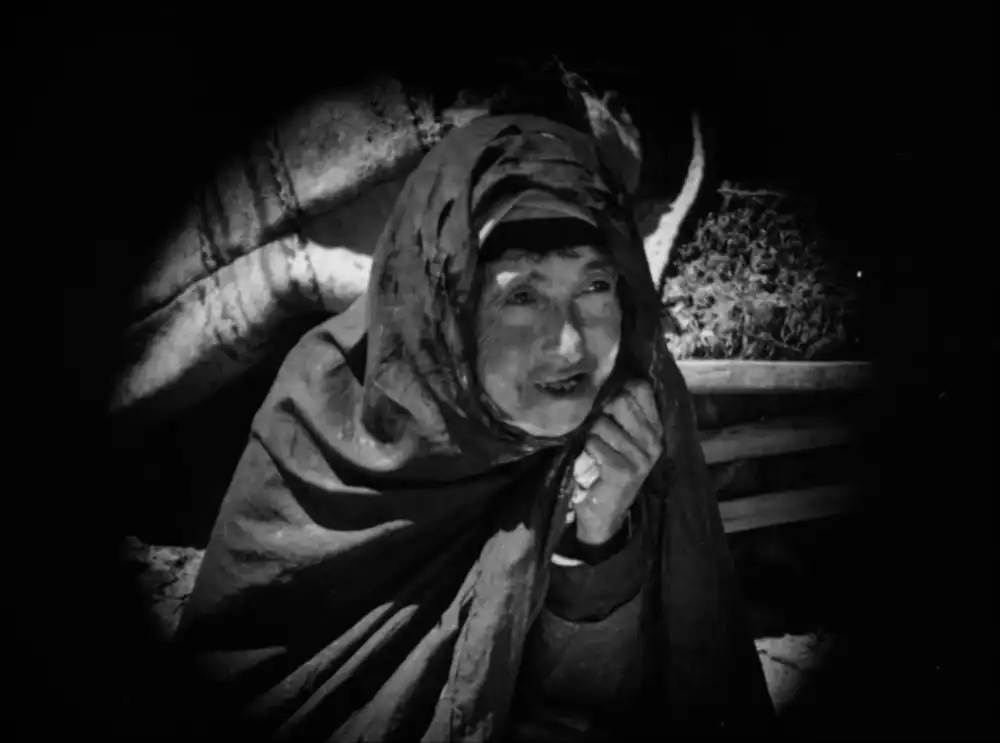
The pacing is… deliberate. This is not a complaint, just an observation. It allows you to soak in the atmosphere, the slow simmer of discontent, before things really kick off. Sometimes a scene goes on for what feels like 10 seconds too long, but it adds to that unpolished, real feeling.
When the actual fighting begins, it’s not glorified. It’s messy, chaotic, and often quite brutal in its depiction of close quarters struggle. You see makeshift weapons against what looks like better-equipped, if not overwhelming, forces.
There's a recurring visual of barren landscapes that really hits home. It feels like the land itself is struggling, mirroring the people’s plight. The director, Amo Bek-Nazaryan, uses these wide shots to great effect, emphasizing isolation and vulnerability.
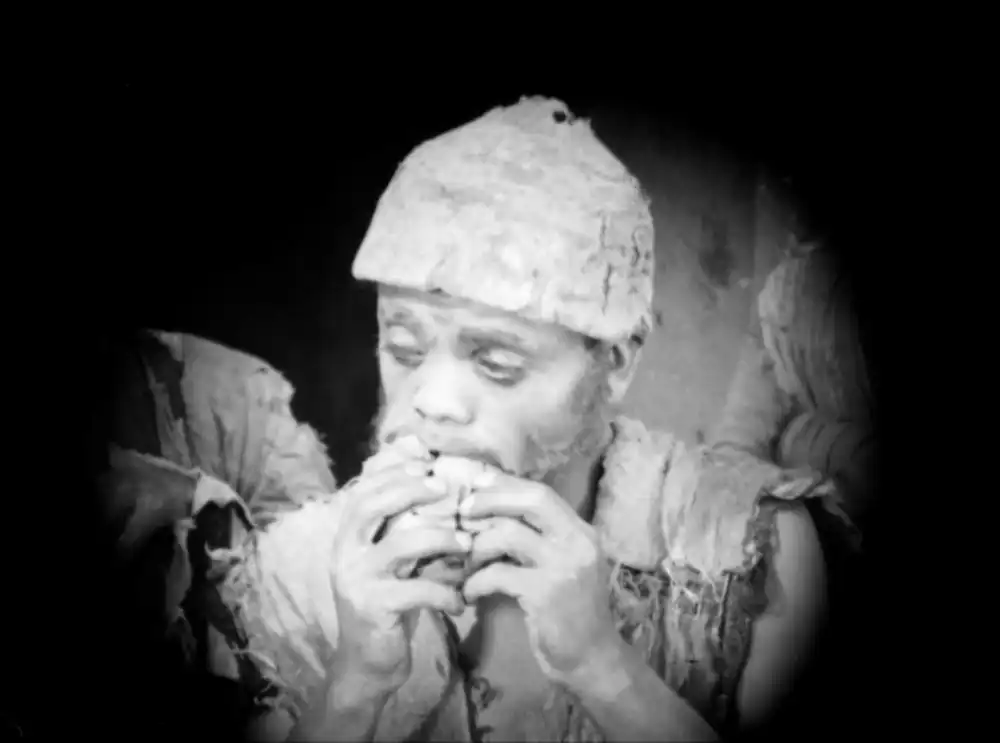
I found myself wondering about the logistics of filming such crowd scenes back in the day. The sheer number of extras feels genuine, not staged. It lends a sense of scale that modern films sometimes miss, even with all their CGI.
One shot that really stuck with me: a close-up of a hand, gnarled and trembling, clutching a crude knife. It's a small detail, but it speaks volumes about the desperation and the *lack* of choice these people felt. That hand could belong to anyone.
The film doesn't shy away from the harsh reality of a suppressed revolt. There’s no Hollywood ending here. The weight of defeat feels palpable, almost crushing. It’s a somber, sobering watch. 😥
You can see the influence of the writers, especially Raffi and Vrtanes Papazyan, in how the story unfolds. It feels rooted in a deep understanding of the historical context and the human cost of such uprisings. It’s not just a plot; it’s a lament.
Some of the acting, particularly from the supporting cast, can feel a little broad by today's standards. But again, it's early cinema. You adjust. It's part of the charm, in a way, like watching a stage play from a different era.
There's a subtle moment when a child drops a small piece of bread, and an adult quickly picks it up, brushing it off before giving it back. It’s a quick flash, easily missed, but it paints a clear picture of scarcity without any dialogue needed. Those little things, they really make the film.
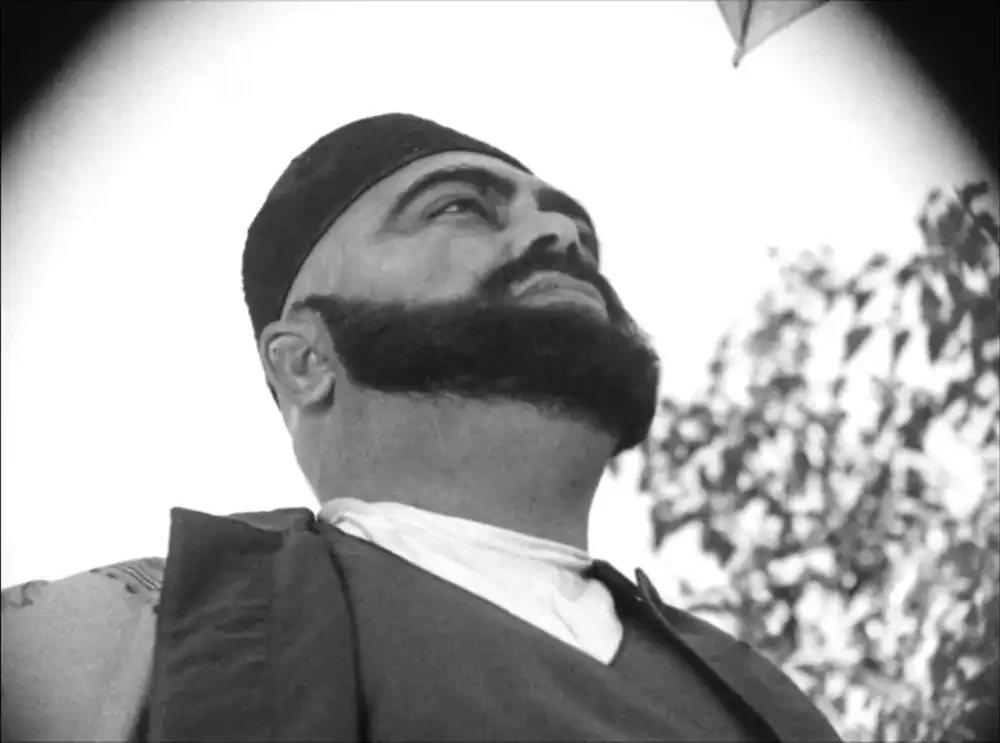
The movie is strongest when it focuses on the faces of the people, their quiet resolve, their moments of shared despair. It’s less about grand strategic maneuvers and more about the raw human experience of rebellion and its aftermath.
It's a fascinating look at how a story like this was told on screen almost a century ago. The techniques are simple, yet often **surprisingly effective** in conveying emotion and scale. It's a testament to the power of early filmmakers.
I wouldn't recommend "Khaspush" to just anyone. But if you’re a film student, a history buff, or someone who appreciates cinema as a historical document, it’s a rewarding, if challenging, experience. It really makes you think about the voices that often go unheard in history books. 🤔
IMDb 6.4
1929
Community
Log in to comment.