Summary
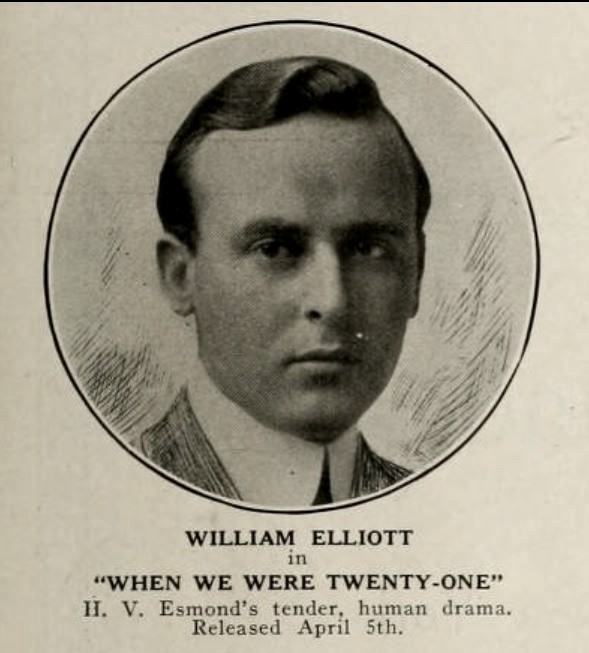
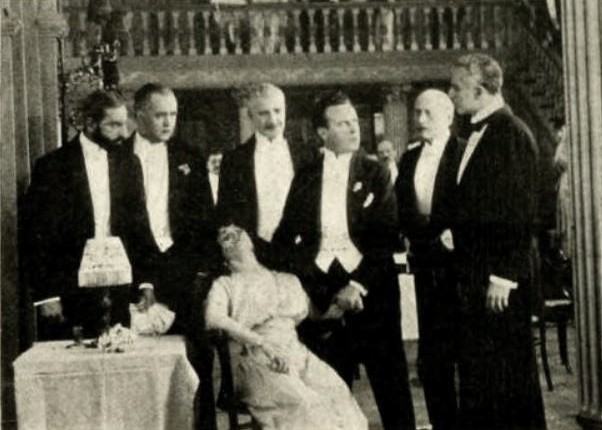
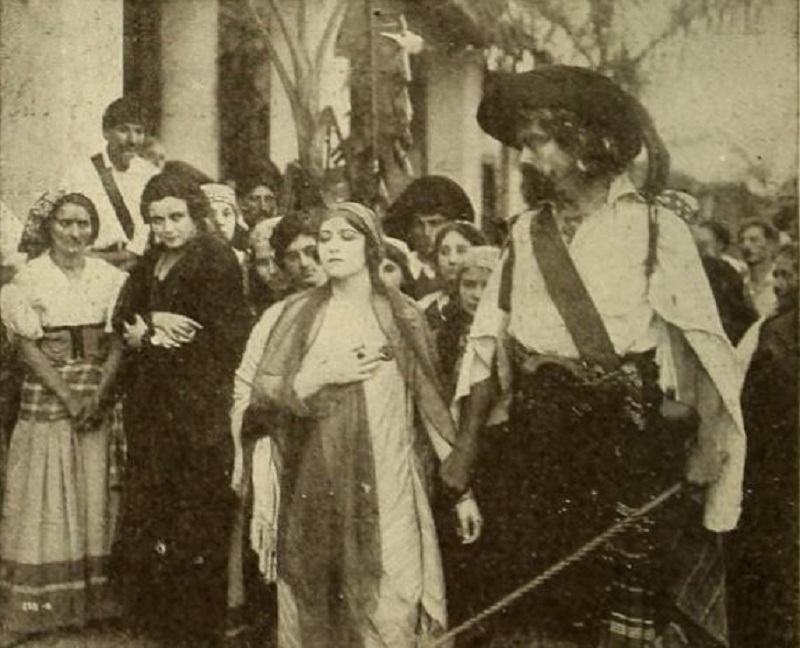
A moonlit Thames fog, gin-soaked laughter, and the crackle of a dying fireframe the mercurial existence of Richard Audaine—nicknamed "The Imp"—a porcelain-pretty orphan whose inheritance is squandered faster than a card-sharper’s shuffle. His guardian, the austere barrister Sir Giles Mallory, drags the youth from gaming dens to drafty country estates, hoping to cauterise the infection of self-loathing with cold morning rides and sermons on Roman virtue. Yet every mahogany door that closes behind Richard opens onto another chandeliered trap: a Soho cabaret where Marie Empress’s chanteuse drapes him in feather boas whispered full of absinthe; a riverside duel at dawn with William Elliott’s jilted lieutenant whose pistol trembles more from heartbreak than gunpowder; a candlelit chapel where Helen Lutrell’s Quaker schoolmistress offers salvation in a quavering hymn that bruises the boy’s armour of cynicism. The film loops through flashbacks like a fever dream—Richard at ten, already pick-pocketing the stalls of Covent Garden; Richard at seventeen, kissing the lamplight out of Winifred Allen’s stage-struck ingénue then vanishing before the gas hiss fades; Richard now, twenty-one, hair matted with Thames mist, signing IOUs with a flourish worthy of a Byron but heart hollow as a drum. Mrs. Gordon’s Cockney housekeeper tries to mother him, spooning oxtail soup while cursing his "posh devil grin"; Arthur Hoops’s prizefighter teaches him to plant feet like a boxer, yet the punches Richard throws are all at phantoms. Charles Coleman’s valet polishes boots that will outrun every debt collector in the Strand, while George Backus’s syphilitic caricaturist sketches the boy’s profile as Mephistopheles with a schoolboy cowlick. H.V. Esmond’s screenplay stitches Edwardian slang to fragments of Rimbaud, yielding lines that sting like nettles: "Youth’s a loaded die; cast it before the devil claims the toss." The climax arrives not with trumpets but with a single candle guttering in a ruined abbey: Richard, stripped to shirt-sleeves, confronts the mirror of himself in the form of a nameless street urchin—eyes bright as guttering stars—who asks for a penny for a night’s lodging. The coin, flipped, spins in chiaroscuro slow-motion; whether caught or dropped, the film refuses to tell. Instead the camera tilts skyward where dawn smears cobalt over London’s dome of soot, and we hear only the echo of The Imp’s laughter—half sob, half psalm—vanishing into the city’s arterial roar.
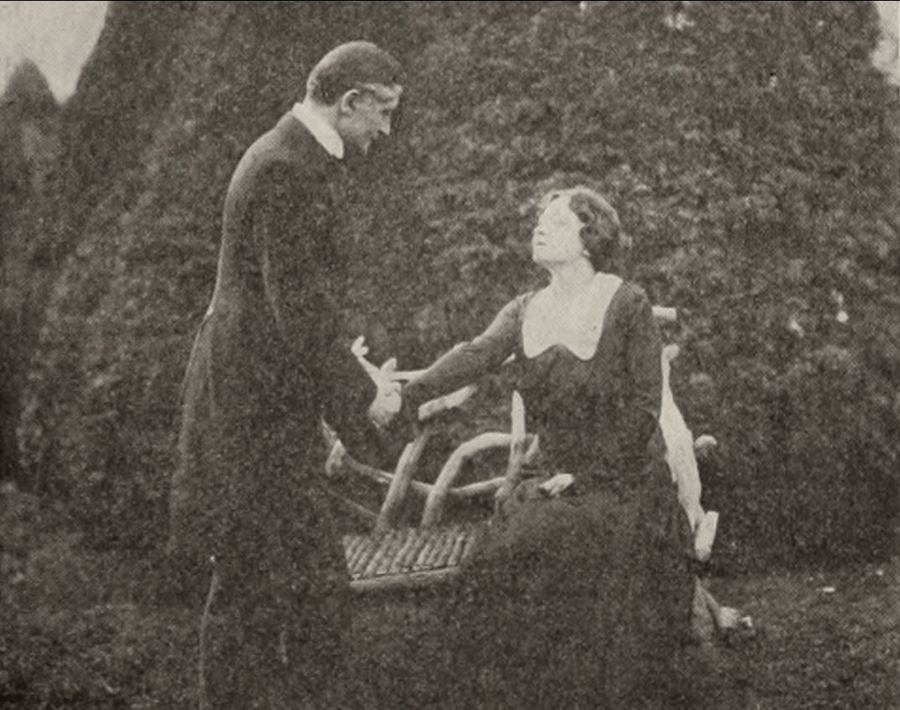
Richard "The Imp" Audaine is a clever but dissolute orphan whose guardian and friends are trying to lead him from the path of ruin and back to his senses.
Review Excerpt
"
The Imp laughs, and London fractures.
In the glut of post-war silent reels that crowd the archive shelves like mourners at an Irish wake, When We Were Twenty-One arrives as a sulphur match struck in a mausoleum: brief, corrosive, impossible to ignore. I first encountered it on a 2019 2K scan flickering through a Bologna projector—nitrate perfume laced with vinegar syndrome—and felt the room tilt as though someone had spiked the Campari with laudanum. Richard Audaine, that perfumed catastrophe..."