DbcultAccessing Vault...
6.8/10
Senior Film Conservator
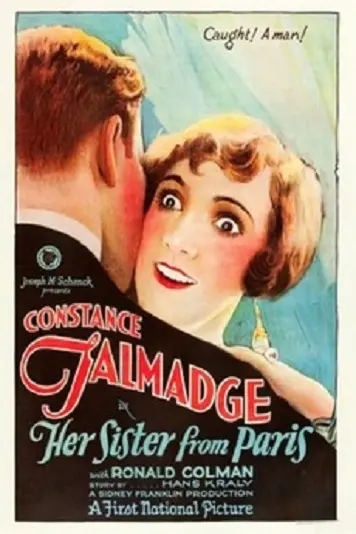
A definitive 6.8/10 rating for a film that redefined the boundaries of cult cinema. Her Sister from Paris remains a cornerstone of transgressive art.
Constance Talmadge's 'Her Sister from Paris', released in 1923, is a masterful piece of early cinema that expertly weaves the threads of deception, identity, and marital betrayal. The film centers around a housewife, portrayed by the talented Talmadge, who adopts the persona of her sister, a renowned dancer named Claire, to uncover and penalize her husband's infidelity. This narrative not only delves into the complexities of marital relationships but also explores the psychological and emotional toll of deception on both the perpetrator and the deceived.

The plot is intricately constructed, with layers of suspense and dramatic irony that keep the audience engaged. From the moment Talmadge's character enters the world of her sister, she must navigate the treacherous waters of duplicity without revealing her true identity. The film's setting in Paris adds a touch of glamour and allure, enhancing the overall atmosphere of the story. The cinematography, with its lavish use of scenery and elegant dance sequences, complements the narrative's elegance and sophistication.
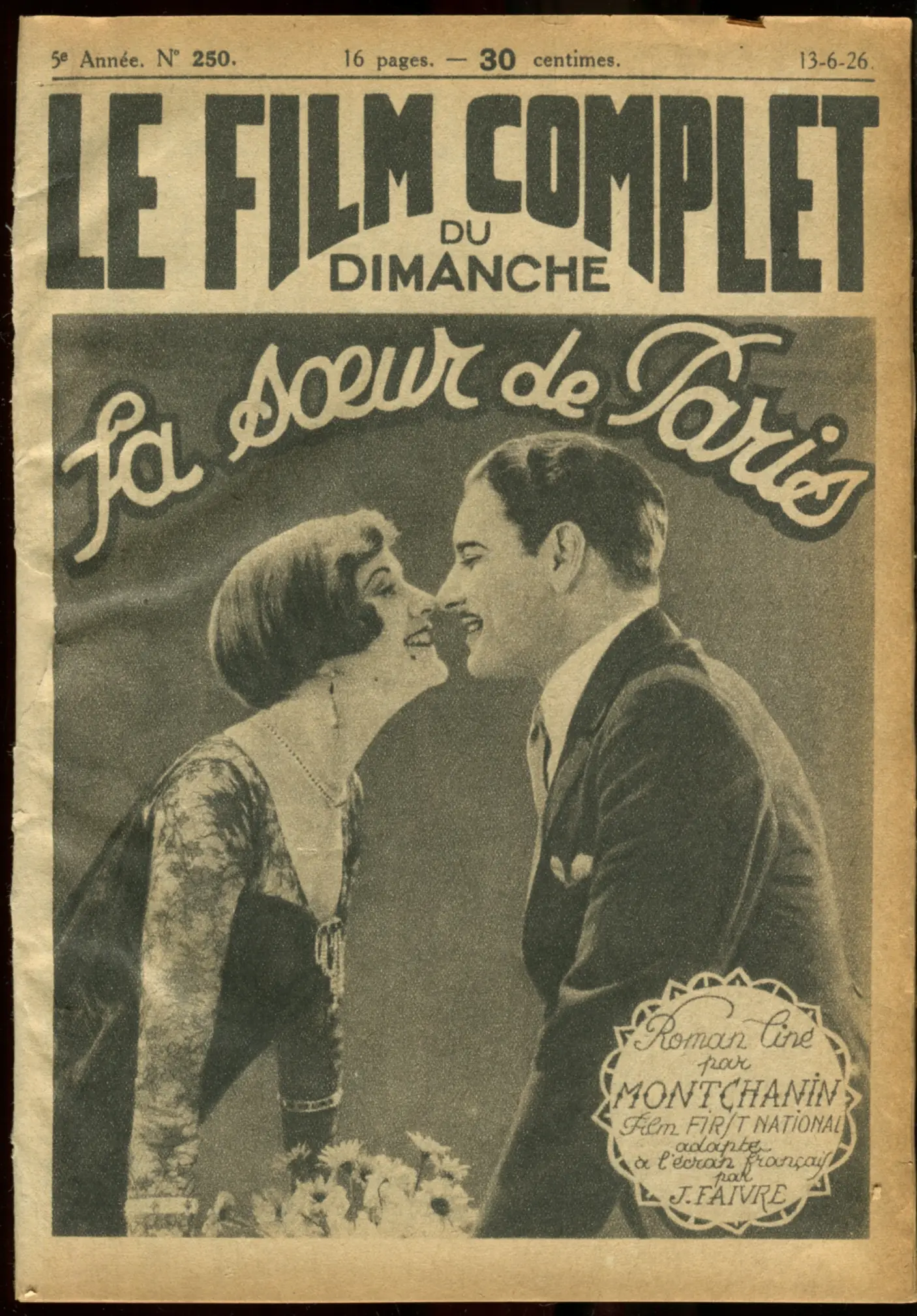
The supporting cast, including Gertrude Claire, George K. Arthur, and Margaret Mann, brings depth to the story. Ronald Colman, in a bit part, adds an element of intrigue as the husband's assumed lover. The film's dialogue, penned by Ludwig Fulda, Hanns Kräly, and George Marion Jr., is crisp and evocative, capturing the essence of the characters' motivations and the societal norms of the time.
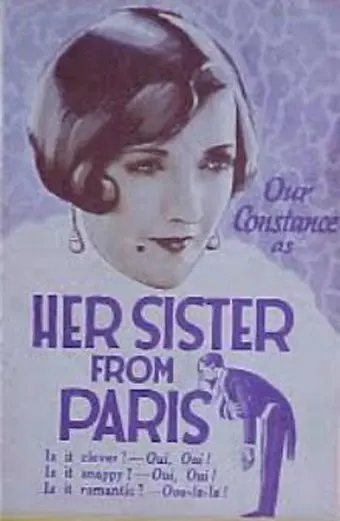
'Her Sister from Paris' is not merely a tale of revenge; it's a profound exploration of the human condition. The film raises questions about the nature of truth, the consequences of infidelity, and the lengths one might go to seek justice. The character of the housewife is both a victim and an agent of change, challenging traditional gender roles and societal expectations. The film's resolution, while satisfying, leaves a lasting impact, encouraging viewers to reflect on the moral implications of the actions taken.

Comparatively, 'Her Sister from Paris' shares thematic similarities with films like 'Just a Good Guy' (1924) and 'King Solomon's Mines' (1924), both of which delve into complex narratives involving deception and moral dilemmas. However, 'Her Sister from Paris' stands out with its nuanced portrayal of female agency and its ability to blend comedy with dramatic tension. The film's setting in Paris also sets it apart from other contemporary works, offering a unique cinematic experience.
The performances by the cast are commendable, particularly Talmadge's portrayal of both the housewife and her sister. Her dual role showcases her versatility as an actress and adds an extra layer of complexity to the narrative. The supporting cast, including Mario Carillo and Ellinor Vanderveer, also delivers solid performances, contributing to the film's overall coherence and impact.
'Her Sister from Paris' is a testament to the artistry of early cinema. The film's technical aspects, including its use of lighting, set design, and dance sequences, are impressive. The choreographed dance scenes, particularly those featuring Claire, are a highlight of the film, showcasing the era's fascination with dance and its role in storytelling.
While the film's pacing occasionally lags, especially during extended dance sequences, the overall narrative is compelling. The use of black-and-white cinematography enhances the film's atmosphere, adding a sense of timelessness and elegance. The soundtrack, though simple, complements the visual elements, creating a cohesive auditory experience.
In conclusion, 'Her Sister from Paris' is a remarkable film that offers insightful commentary on marriage, deception, and gender roles. Its exploration of complex themes and its engaging narrative make it a must-watch for film enthusiasts and those interested in early cinema. Whether you're a fan of historical dramas or simply appreciate the art of storytelling, this film provides a rich and rewarding viewing experience.

IMDb 5.4
1935
Community
Log in to comment.