DbcultAccessing Vault...
4.8/10
Senior Film Conservator
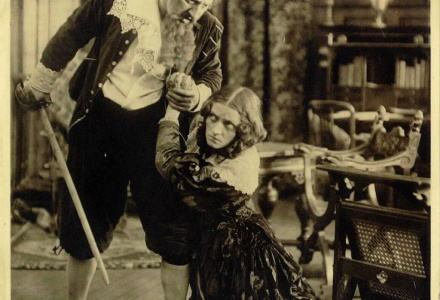
A definitive 4.8/10 rating for a film that redefined the boundaries of cult cinema. Het geheim van het slot arco remains a cornerstone of transgressive art.
In the annals of early Dutch cinema, few films resonate with the quiet, unsettling power of Het geheim van het slot arco (The Secret of Arco Castle). This cinematic artifact, a profound exploration of domestic discord and the lingering shadows of historical tragedy, transcends its silent era origins to deliver a narrative rich in psychological tension and gothic dread. It’s a film that eschews grand, sweeping gestures for an intimate, deeply personal horror, one rooted in human failing and the inescapable weight of the past. The story unfolds with an almost clinical precision, dissecting the unraveling of a marriage under the corrosive influence of neglect, then overlaying this contemporary malaise with a chilling legend that refuses to remain confined to the realm of folklore.
At its core, the film presents us with a woman, her name unspoken, yet her emotional landscape vividly rendered through the expressive performances characteristic of the period. She exists in a state of profound isolation, a ghost in her own home, overshadowed by her husband's relentless devotion to his business ventures. This isn't merely a tale of spousal indifference; it’s an examination of how such a void can become a breeding ground for vulnerability, a silent scream for connection in a world that has turned its back. The husband, portrayed with a certain detached earnestness by Jan van Dommelen, embodies the archetypal figure of masculine preoccupation, his gaze fixed firmly on the material, oblivious to the emotional desolation he cultivates within his own domestic sphere. His decision to invite a friend into their home, seemingly an innocent gesture, becomes the catalyst that shatters the fragile peace, an unwitting opening for the ancient darkness to seep into their modern lives.
It is the venerable housekeeper, a figure often relegated to the background in lesser narratives, who emerges as the true oracle of this tale. Portrayed with a solemn gravitas by Caroline van Dommelen, her warning is not born of mere superstition but of a deep, ancestral wisdom. She recounts the legend of Castle Arco, a narrative that mirrors the contemporary situation with an unnerving exactitude. Three centuries prior, the castle's lord, consumed by his scholarly pursuits, mirrored the present husband's neglect, leaving his wife emotionally marooned. Into this vacuum stepped a young artist, commissioned to paint her portrait, and through their shared artistic and emotional intimacy, an illicit affection blossomed. The husband's discovery, fueled by a primal sense of betrayed honor, led to a terrible, unspeakable revenge, the gruesome consequence of which was the demise of the artist, whose headless remains, so the legend whispers, lie interred in a forgotten dungeon beneath the castle's crumbling ruins.
This legendary interlude is not merely a digression; it’s the very soul of the film. It elevates the domestic drama to the realm of gothic tragedy, suggesting that certain patterns of human behavior, certain failures of empathy, are cyclical, destined to repeat across generations. The film masterfully uses this historical parallel to amplify the tension of the present, making the audience acutely aware of the precipice upon which the contemporary couple stands. The housekeeper's tale, delivered with a chilling conviction, transforms from a mere anecdote into a dire prophecy, a spectral warning echoing across the centuries. The visual language of silent film, particularly in this segment, would have relied heavily on subtle gestures, flickering lamplight, and the expressive faces of the actors to convey the weight of this ancient curse, allowing the audience to feel the cold dread of history repeating itself.
The true genius of Het geheim van het slot arco lies in its audacious confirmation of the legend. What begins as a cautionary fable transforms into a horrifying reality when the couple's innocent child, a symbol of their fragile future, falls through the rotting floorboards of their cellar. This moment, both accidental and profoundly symbolic, serves as the narrative's terrifying pivot. The child's innocent stumble unearths not just a forgotten space, but the very corporeal evidence of the three-century-old tragedy: the remains of the headless man. This discovery is a visceral shock, a tangible manifestation of the past's malevolent grip on the present. It suggests that the sins of the ancestors are not merely historical footnotes but active, festering wounds that can erupt into the contemporary world, demanding a reckoning.
The implications of this revelation are profound. It transforms the husband's neglect from a personal failing into a potentially fatal error, a continuation of a historical pattern that has already claimed a life. The film, in its silent eloquence, asks whether the present couple can escape the cyclical nature of human folly, or if they are destined to repeat the tragic mistakes of their forebears. The discovery of the headless man is not merely a cheap jump scare; it's a profound statement on the enduring power of history, the way forgotten atrocities can fester beneath the surface of everyday life, waiting for an opportune moment to resurface. The film's power here is in its ability to blend the domestic drama with supernatural horror, creating a unique hybrid that leaves a lasting impression.
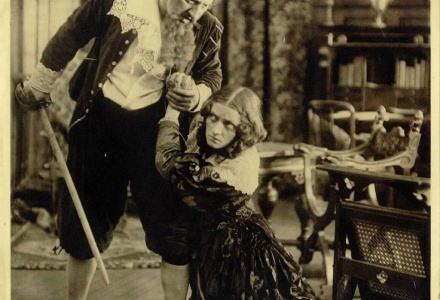
The performances in Het geheim van het slot arco, particularly from Co Balfoort as the neglected wife and Tilly Lus, likely in a pivotal supporting role, would have been critical in conveying the film's nuanced emotional landscape. In the era of silent film, actors were masters of physical expression, using their entire bodies to communicate feelings and motivations that today might be conveyed through dialogue. Balfoort's portrayal of the wife's growing despair and eventual terror would have been a delicate balance of subtle gestures and overt emotional displays. Her eyes, her posture, the way she holds herself in a room, all would have spoken volumes about her inner turmoil. Similarly, the somber warnings of the housekeeper, likely delivered with a knowing gaze and deliberate movements, would have imbued the legend with an eerie authenticity.
The directorial choices – often attributed to a collective effort or an uncredited vision in early Dutch cinema – would have emphasized atmospheric tension. The use of shadow and light, the framing of isolating shots, and the pacing of intertitles would have all contributed to the film's gothic ambiance. Imagine dimly lit corridors, the vast, empty spaces of the couple's home amplifying the wife's loneliness, or the stark contrast of the vibrant world outside with the suffocating interior. These visual cues, coupled with the dramatic performances, would have created a truly immersive experience for contemporary audiences, drawing them into the escalating dread. Unlike the more boisterous adventure of something like The Three Musketeers, which relied on swashbuckling action, this film finds its strength in quiet psychological terror.
The themes explored in Het geheim van het slot arco are remarkably potent and continue to resonate today. The perils of marital neglect, the insidious nature of emotional abandonment, and the idea that history's unaddressed traumas can return to haunt the present are universal concerns. The film anticipates later psychological thrillers and gothic horror narratives, proving that the silent era was capable of profound thematic depth alongside visual spectacle. One might draw parallels to the domestic dramas of the time, such as the relationship issues hinted at in films like Chained to the Past or the introspective isolation seen in Alone in New York, though Het geheim van het slot arco injects a unique supernatural element that elevates it beyond mere social commentary.
The supernatural element, specifically the headless man, is a classic gothic trope, but here it's grounded in a very human narrative of revenge and oversight. It’s not merely a ghost story for its own sake, but a chilling consequence of a specific human failing. This grounding gives the horror a weightier, more tragic dimension. The film’s exploration of the past's inescapable grasp shares a certain thematic kinship with intricate mystery plots like The Conspiracy, where hidden truths slowly unravel, but Het geheim van het slot arco adds a layer of spectral inevitability. The film doesn't offer easy answers or neat resolutions; instead, it leaves the audience pondering the cyclical nature of human error and the enduring power of neglected emotions.
As a significant piece of early Dutch cinema, Het geheim van het slot arco provides invaluable insight into the storytelling capabilities and thematic ambitions of its era. It demonstrates a sophisticated understanding of suspense and character development, utilizing the unique strengths of the silent medium to convey a complex narrative. The absence of spoken dialogue forces a greater reliance on visual cues, musical accompaniment (often live), and the expressive power of the human face and body, making for a truly immersive and often profoundly moving experience. The film's contribution to the nascent genre of psychological horror, particularly within a domestic setting, is undeniable. It stands as a testament to the fact that compelling, chilling narratives did not require sound to evoke terror and profound emotional resonance.
While it might not be as widely known as some of its international contemporaries, its intricate plot, compelling characters, and potent themes ensure its place as a fascinating and important work. It reminds us that the foundations of modern horror and psychological drama were laid not by special effects or explicit gore, but by a deep understanding of human nature, fear, and the enduring power of a good story. The film's ability to weave a tale of contemporary marital strife with an ancient, gruesome legend, culminating in a tangible, horrifying discovery, speaks volumes about its narrative ambition and execution. It's a film that demands attention, not just as a historical artifact, but as a powerfully unsettling piece of storytelling that continues to whisper its secrets across the centuries.
The discovery of the headless man, the ultimate proof of the legend, serves as a chilling denouement, forcing the characters – and the audience – to confront the very real consequences of unchecked neglect and the enduring power of ancient wrongs. It’s a stark reminder that some secrets refuse to stay buried, and some pasts are simply too potent to be ignored. Het geheim van het slot arco is more than just a film; it is a profound meditation on the intergenerational echoes of human failing, wrapped in the haunting embrace of gothic mystery.
IMDb 7.1
1934
Community
Log in to comment.