DbcultAccessing Vault...
Cult Review
Senior Film Conservator
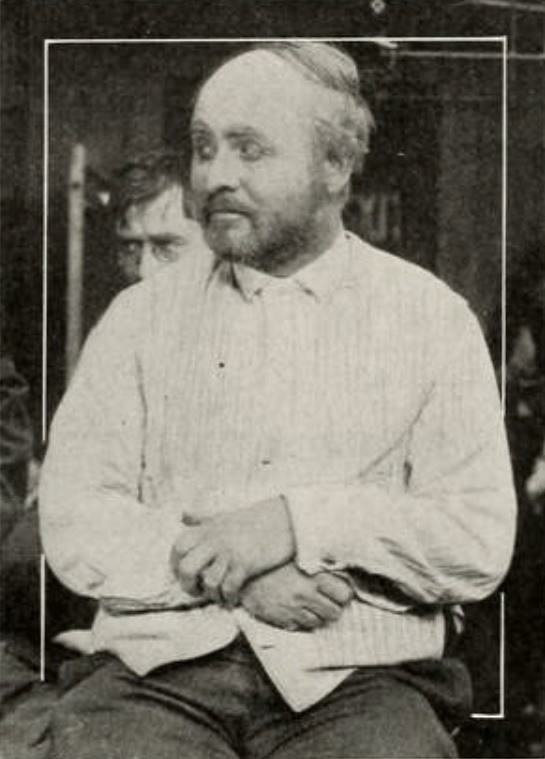
In the bustling, often unforgiving landscape of early 20th-century New York's East Side, where the clatter of industry met the clamor of burgeoning communities, silent cinema frequently found its most potent narratives. Among these, the 1918 drama Cohen's Luck, starring Johnnie Walker and Viola Dana, emerges as a fascinating, intricate portrayal of one man's tumultuous journey through the capricious whims of fate and the steadfast demands of integrity. Penned by Lee Arthur, this film transcends a simple narrative, offering a rich tableau of political maneuvering, familial strife, and the elusive nature of fortune, all set against a backdrop of immigrant aspiration and urban grit.
At its heart is Abe Cohen, portrayed with a compelling mix of stubbornness and moral rectitude. As the President of the Buttonhole Makers' Union, Cohen embodies the working-class hero, a figure often celebrated in the social dramas of the era. His initial conflict is rooted in a political endorsement: he backs Timothy Murphy for alderman, a decision that directly contravenes the wishes of his employer, Sam Blumenthal, who is financially indebted to Murphy's rival, Steve O'Roque. This act of defiance, a testament to Cohen's unwavering principles, swiftly costs him his livelihood. It's a stark reminder of the precariousness of labor in an era where personal conviction could easily be outweighed by economic leverage, a theme that resonates with other contemporary social commentaries like Sapho, which often explored the harsh realities faced by individuals navigating complex societal structures.
The narrative then pivots, introducing a glimmer of hope that quickly proves to be as fragile as it is fleeting. Alderman Murphy, appreciative of Cohen's loyalty, assists him in establishing a kosher restaurant – a new venture that symbolizes not just a fresh start, but also Cohen's deep roots within his community. This period of rebuilding is abruptly interrupted by the revelation of a lottery win: $10,000, shared with his former co-worker, Kitty McGee. The sudden influx of wealth sparks an immediate, almost impulsive act of generosity from Cohen, who offers free meals to his struggling customers. This moment of altruism, however, is short-lived. The theft of Kitty's purse, containing her half of the winning ticket, shatters the illusion of effortless prosperity, transforming Cohen's open-handedness into a furious suspicion directed at his clientele, whom he labels "loafers." This swift swing from magnanimity to mistrust is a poignant study in how sudden wealth, or its loss, can distort perception and erode trust, a psychological journey that few films of the time explored with such directness.
Parallel to Cohen's financial roller coaster, a more insidious drama unfolds within his own family. His daughter, Minnie, portrayed by the expressive Viola Dana, falls prey to the manipulative charms of Sam Blumenthal, the very man who dismissed her father. Their secret marriage is a testament to Minnie's naiveté and Blumenthal's profound duplicity. The revelation that Blumenthal is already married, albeit separated, and that he has withheld Minnie's ring and their marriage certificate, paints a chilling picture of exploitation. This act of bigamy and betrayal is a potent narrative device, echoing the themes of hidden sins and marital complications seen in films like The Secret Sin or The Midnight Wedding, where the sanctity of marriage is often challenged by deceit. Cohen's reaction, fueled by a sense of betrayal and a rigid adherence to moral codes, is to disown Minnie, a harsh but understandable response for a man whose life is defined by principle.
The resolution of Minnie's predicament is a crucial turning point, highlighting the film's underlying belief in justice and the enduring power of genuine affection. Blumenthal's legal wife eventually appears, invalidating the fraudulent marriage and exposing his villainy unequivocally. It is Minnie's earnest suitor, David Moss, a character representing steadfast loyalty and quiet strength, who ultimately locates and reconciles with her, restoring her to her father's good graces. This arc of redemption for Minnie, and reconciliation for Cohen, underscores the film's message that true happiness and stability stem not from fleeting fortune or deceptive alliances, but from honest relationships and moral rectitude. The journey of a character through social peril and eventual rescue is a common trope, yet in Cohen's Luck, it feels earned and deeply personal.
The film then returns to Cohen's financial woes, but with a twist that showcases his evolving character. No longer merely a victim of circumstance, Cohen actively engages with the underworld, demonstrating a surprising shrewdness to outwit the thief who stole Kitty's lottery ticket. This segment of the plot injects a thrilling, almost picaresque element, transforming Cohen from a reactive figure into a proactive agent of his own destiny. It suggests that "Cohen's Luck" isn't just about random chance, but also about his resilience, his street smarts, and his ability to adapt. This foray into the seedier side of urban life, and the protagonist's navigation of it, bears thematic resemblance to films like The Bludgeon, which often explored the darker undercurrents of society and the moral compromises individuals might face.
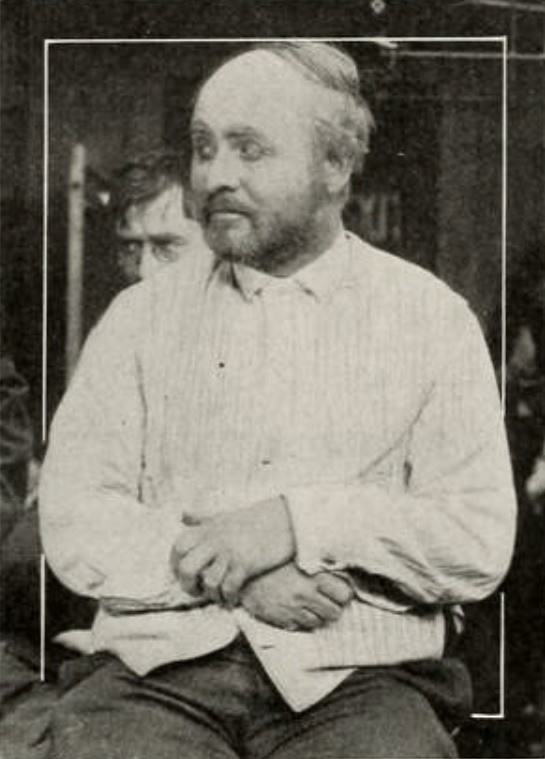
The climax of the film is a delightful melange of chaos and celebration. Amidst a literal flood descending from the apartment above, a metaphor perhaps for the deluge of troubles Cohen has faced, Minnie and David's engagement is announced and celebrated. This scene, rich with dramatic irony and comedic timing, perfectly encapsulates the film's tone: a world where misfortune and joy, despair and hope, are inextricably intertwined. The flood, rather than being a final tragedy, becomes a backdrop for a hard-won triumph, a testament to the characters' ability to find happiness even amidst disarray. It's a powerful statement about resilience and the human spirit's capacity for joy, even in the most unlikely circumstances.
While specific directorial flourishes are often difficult to ascertain without deeper historical context for such early films, the performances in Cohen's Luck undoubtedly carry the narrative weight. Johnnie Walker, as Abe Cohen, must convey a wide spectrum of emotions – from righteous indignation to paternal rage, from generous spirit to cunning resolve – all through physical acting and facial expressions, a hallmark of silent cinema. Viola Dana, a prominent star of the era, would have brought a nuanced vulnerability to Minnie, making her journey from naive lover to a woman wronged, then redeemed, deeply affecting. The supporting cast, including William Wadsworth as Blumenthal, would have been crucial in establishing the moral contrasts that drive the plot.
The pacing, typical of early feature films, would have relied on a series of distinct episodes, each building upon the last, often punctuated by intertitles to advance dialogue and plot. The narrative structure, with its multiple interwoven subplots – Cohen's political stand, the lottery, Minnie's marriage, the ticket theft – speaks to a sophisticated approach to storytelling for its time. It’s a more complex narrative than, say, the straightforward adventure of In the Land of the Head Hunters, or the epic scale of Marc'Antonio e Cleopatra, opting instead for a grounded, character-driven drama that resonates with everyday struggles.
Cohen's Luck is more than just a melodrama; it's a commentary on the societal forces at play in early 20th-century America. It touches upon the vulnerability of labor to political and financial pressures, the allure and danger of quick wealth, and the enduring importance of family bonds. Abe Cohen’s journey from a respected union leader to an unemployed man, then a restaurateur, and finally a shrewd solver of his own problems, is a testament to the adaptability and resilience often required of immigrants and working-class individuals striving for a better life. The film subtly critiques political corruption through Blumenthal's actions and celebrates the integrity of characters like Cohen and David Moss.
The concept of "luck" itself is explored with nuanced complexity. Is Cohen truly lucky? Or does his unwavering moral compass, combined with a healthy dose of tenacity, ultimately shape his destiny? The lottery win is pure chance, yet its loss and subsequent recovery are products of his actions. Minnie's "bad luck" with Blumenthal is countered by the enduring "luck" of finding genuine love with David. The film suggests that while external forces may introduce chaos, it is an individual's character and choices that ultimately determine their true fortune. This exploration of agency versus fate is a timeless theme, handled with surprising depth for a film of its vintage.
Comparing it to other films of the period, Cohen's Luck stands out for its blend of social realism and melodramatic twists. While The County Chairman might focus more squarely on small-town politics, Cohen's Luck broadens its scope to encompass family, finance, and the criminal element within a bustling urban setting. It doesn't shy away from depicting the harsh consequences of deceit, yet ultimately champions hope and the triumph of good intentions, even if those intentions are sometimes clumsily executed, as with Cohen's initial disowning of Minnie.
In conclusion, Cohen's Luck is a remarkably engaging silent film that, despite its age, offers a compelling narrative rich with human drama and social commentary. Its intricate plot, well-defined characters, and exploration of themes such as integrity, deception, and the true meaning of fortune make it more than just a historical curiosity. It is a testament to the power of early cinema to tell complex stories that resonate with universal experiences. From the bustling streets of the East Side to the intimate struggles within a family, the film paints a vivid picture of a bygone era, yet its core messages about standing firm in one's convictions, navigating life's unpredictable turns, and finding happiness in genuine connections remain profoundly relevant. For enthusiasts of silent cinema and those interested in the social fabric of early 20th-century America, Cohen's Luck offers a poignant and ultimately uplifting viewing experience, reminding us that true luck often lies not in what we gain, but in how we persevere.
IMDb —
1920
Community
Log in to comment.