DbcultAccessing Vault...
Cult Review
Senior Film Conservator
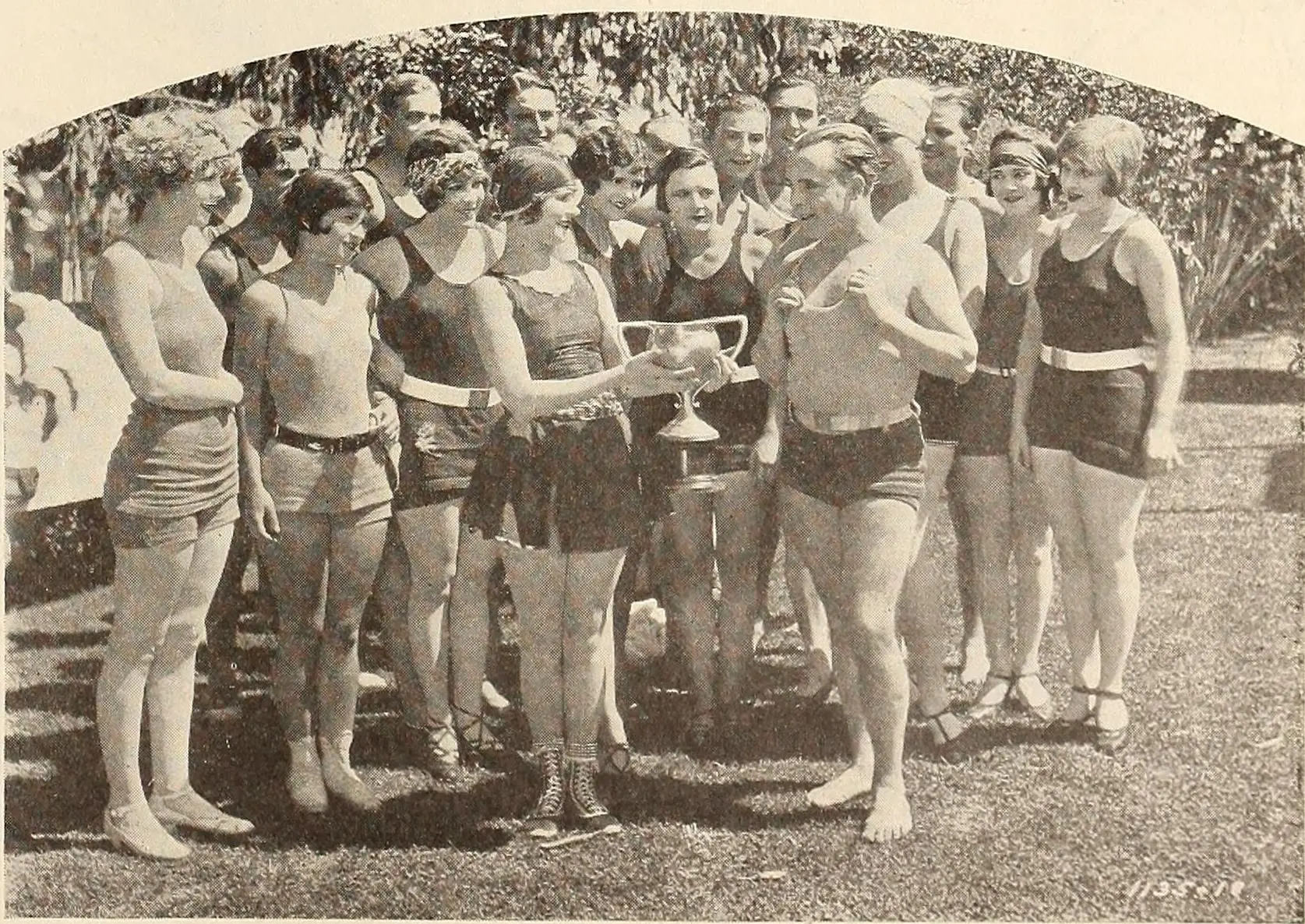
In the annals of silent-era comedy, few performers possessed the specific, wiry energy of Bobby Vernon. While the giants of the era—Keaton, Chaplin, and Lloyd—often monopolized the critical discourse, films like 1923's High Gear demonstrate a sophisticated understanding of rhythmic pacing and mechanical spectacle that rivals the more canonized works of the period. Directed with a keen eye for the absurd, this film is a quintessential example of the 'velocity comedy,' a subgenre that found its soul in the burgeoning automotive culture of the early twentieth century.
The narrative architecture of High Gear, penned by the astute Keene Thompson, begins with a subversion of expectations. In an era where the cinema was obsessed with the thrill of the new, fast-moving world, Thompson chooses to introduce our hero in a state of profound, almost meditative stagnation. The opening sequence, wherein Bobby is overtaken by a tortoise, is not merely a cheap visual gag; it is a thematic anchor. It establishes a character who is fundamentally out of sync with the modern world. This lack of momentum is treated as a civic transgression, leading to a summons for blocking traffic—a delicious irony considering the high-octane mayhem that follows.
This initial sluggishness serves as the perfect foil for the film’s eventual acceleration. It creates a rubber-band effect; the further the narrative pulls back into the realm of the slow and the mundane, the more violent and exhilarating the eventual release. We see echoes of this structural tension in other contemporary works, such as This Way Out, though Vernon’s transition from the stationary to the supersonic feels uniquely visceral here.
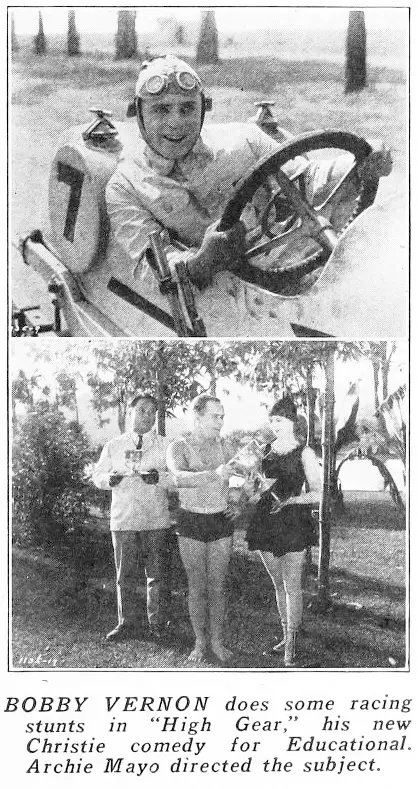
Bobby Vernon’s performance is a masterclass in reactionary physical comedy. Unlike the stoic resilience of Buster Keaton, Vernon’s persona is one of frantic adaptation. He does not conquer his environment; he survives it. When he accidentally finds himself in a racing car that has shed the shackles of human control, his face becomes a canvas of pure, unadulterated panic. Yet, within that panic, there is a rhythmic precision to his movements. Every lurch of the steering wheel and every desperate clutch at the gears is choreographed with the meticulousness of a ballet.
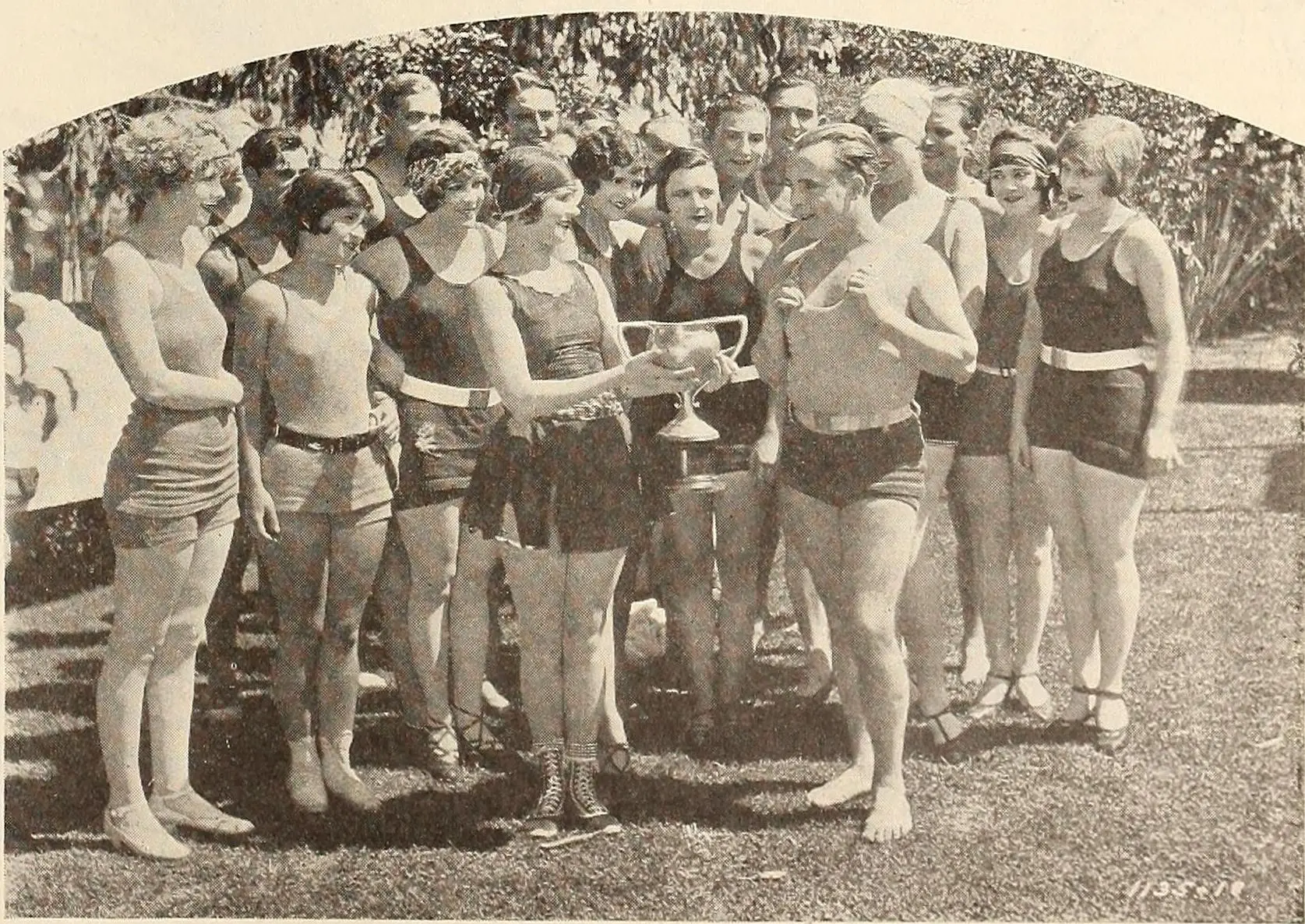
Supporting Vernon is a cast that provides the necessary gravity to his frantic orbit. Marion Harlan, as the object of his affection, offers more than just a decorative presence; she is the prize that justifies the peril. The interplay between Vernon and the veteran Lincoln Plumer adds a layer of seasoned professionality to the proceedings, ensuring that the slapstick never devolves into mere noise. The chemistry here is subtle, yet it provides the emotional stakes necessary for the audience to invest in the increasingly ludicrous stunts.
As the film shifts into its second act, the 'shanghaied' road race becomes a crucible for the protagonist’s transformation. The cinematography during these sequences is surprisingly forward-thinking for 1923. The use of mounting cameras on moving vehicles provides a sense of immersion that was relatively rare at the time. We aren't just watching a race; we are trapped in the cockpit with Vernon. The dust, the vibration of the chassis, and the looming threat of the ditch are all palpable.
This segment of the film invites comparison to the high-stakes drama found in The Sea Wolf, albeit through a comedic lens. Where London’s adaptation deals with the brutality of the ocean, High Gear explores the terrifying unpredictability of early internal combustion. The car is not a tool; it is a beast that must be tamed. The road race serves as a metaphor for the 1920s itself—a headlong rush into a future that no one was quite prepared to navigate.
The final act of High Gear is where the film ascends—quite literally—into the realm of the legendary. The transition from the road to the air is handled with a reckless disregard for logic that only the best silent comedies can get away with. Finding himself in a 'wild' aeroplane, Vernon’s character is forced to engage with a third dimension of danger. The visual storytelling here is peak Thompson; the script strips away the need for intertitles, allowing the sheer scale of the stunt to communicate the stakes.
The use of the parachute to drop the car over the finish line is a stroke of surrealist genius. It is the ultimate 'deus ex machina,' but one that is physically earned through the protagonist's preceding trials. This moment transcends mere gag-work; it is a poetic resolution to the problem of the 'slow car.' The vehicle that could not outrun a tortoise eventually learns to fly. It is a triumphant, if absurd, reclamation of agency.
To understand High Gear, one must look at the broader cinematic output of the era. While films like The Old Nest were plumbing the depths of domestic sentimentality, and Barnaby Rudge was attempting to translate literary density to the screen, Vernon and Thompson were focused on the raw, unadulterated power of the image in motion. They understood that the medium's greatest strength lay in its ability to manipulate time and space.
The film’s production values reflect a transition period in Hollywood. The sets are functional yet evocative, and the outdoor locations provide a gritty realism that grounds the fantastical elements of the plot. The editing, particularly during the climax, is sharp, utilizing cross-cutting to build a sense of mounting tension that rivals the work seen in Dodging a Million. There is a palpable sense of craft here that belies the film's reputation as a simple 'programmer.'
Reflecting on High Gear a century later, one is struck by its enduring vitality. Many silent comedies feel like museum pieces, locked in a specific temporal context, but Vernon’s frantic energy remains infectious. The film captures a specific American anxiety about speed—the fear of being left behind and the simultaneous terror of moving too fast. It is a theme that resonates even in our current digital age, where the pace of change often feels as 'out of control' as Vernon’s racing car.
While it may not have the philosophical weight of a Murnau or the epic scale of a Griffith, High Gear is a vital piece of the silent comedy puzzle. It reminds us that at its heart, cinema is a medium of movement. Whether it’s a tortoise crawling across a dusty road or a car plummeting from the sky under a silk canopy, the joy of the film lies in the watching. It is a testament to the ingenuity of Keene Thompson and the physical prowess of Bobby Vernon that this modest production still manages to shift our gears and leave us breathless.
In the grand tapestry of 1920s film, High Gear is a bright, neon thread. It is a film that refuses to stay in its lane, constantly swerving between domestic farce and high-stakes adventure. For any serious student of the silent era, or for anyone who simply appreciates the art of the well-executed stunt, it is an essential viewing experience. It proves that sometimes, to get ahead in life, you don't just need a faster car—you need a parachute.

IMDb 7
1919
Community
Log in to comment.