DbcultAccessing Vault...
Cult Review
Senior Film Conservator
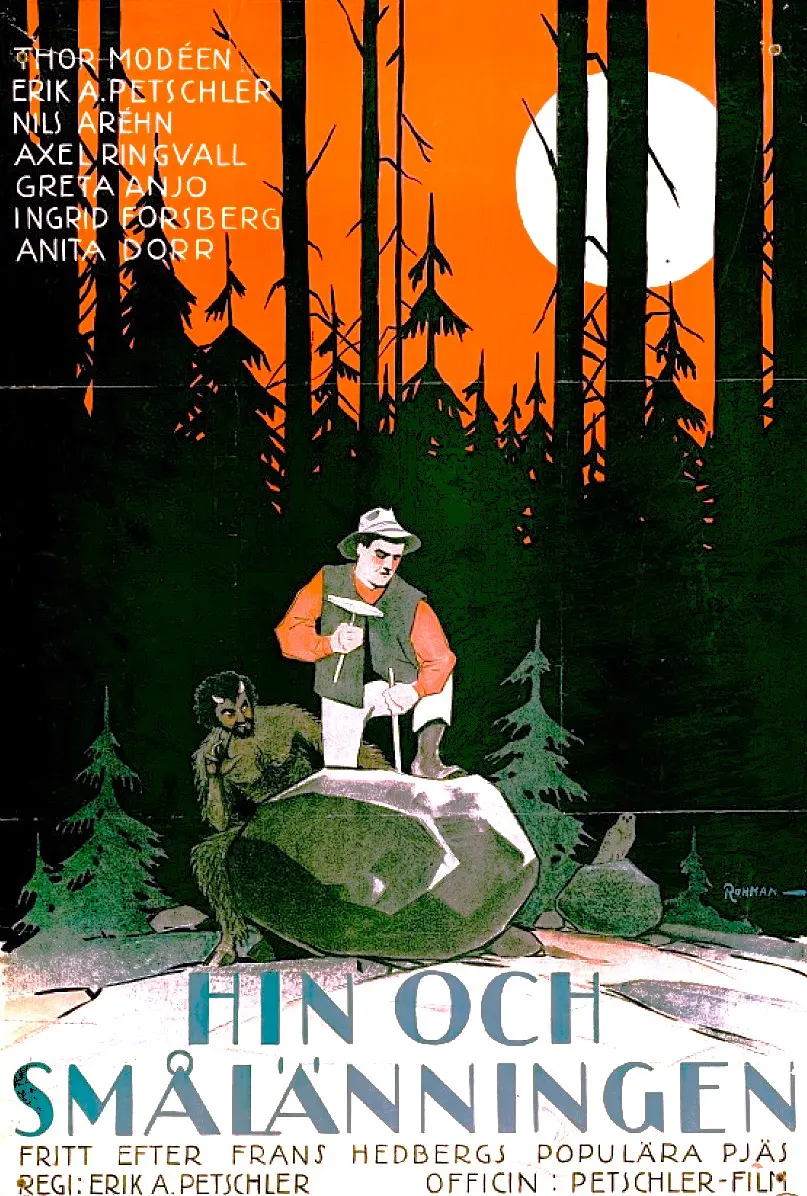
Is Hin och smålänningen worth watching today? Short answer: yes, but with significant caveats. This peculiar Swedish film is a fascinating, if sometimes frustrating, experience best suited for enthusiasts of early cinema, cultural anthropologists, and those with a taste for the truly bizarre, but it will likely alienate viewers seeking modern pacing or conventional narrative coherence.
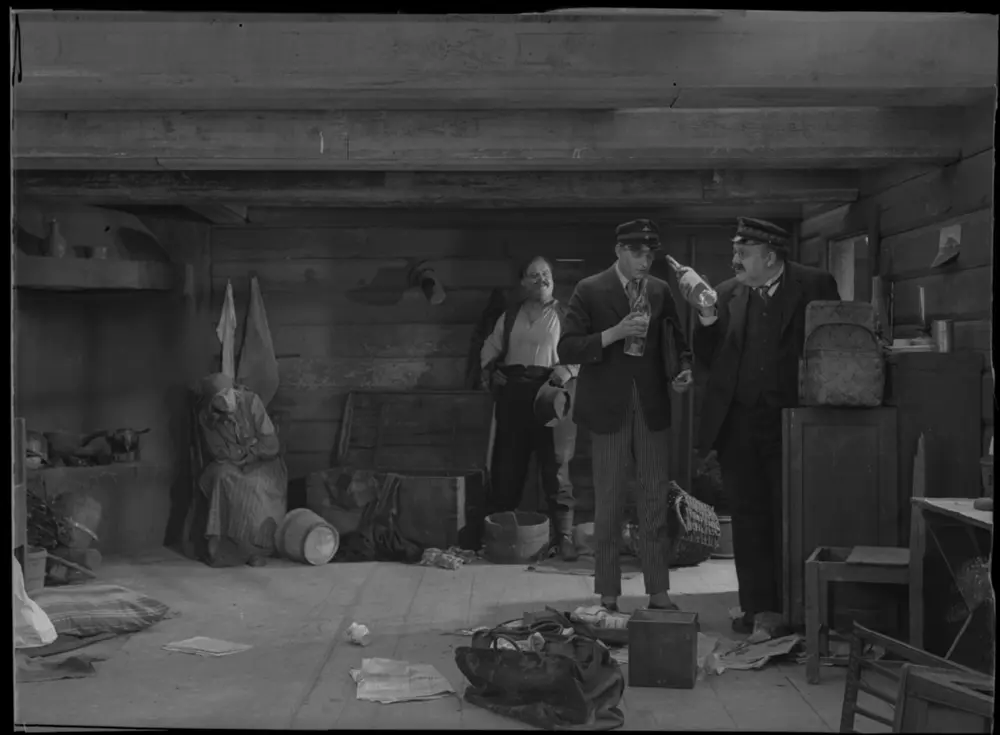
The film, a curious relic from an era when cinematic storytelling was still finding its footing, presents a premise so audacious it demands attention. It's a journey into a specific cultural sensibility, a blend of folk tale, light comedy, and unexpected supernatural intrusion. While its technical execution and narrative rhythm often betray its age, its sheer audacity and unique cultural lens offer a compelling reason to revisit it.
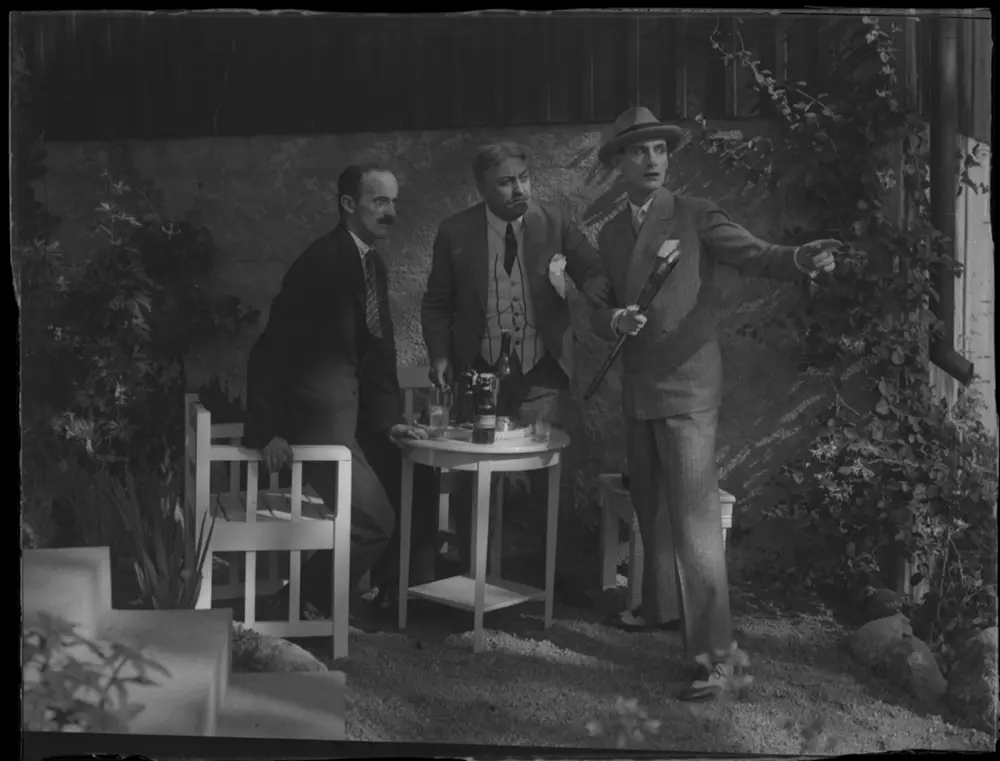
This film works because of its unvarnished commitment to a fantastical premise, grounded in a distinct Swedish folk tradition that allows for a surprising blend of the mundane and the infernal. It also benefits from the magnetic, if broad, performance of Thor Modéen, whose comedic timing manages to inject much-needed energy into an otherwise meandering narrative.
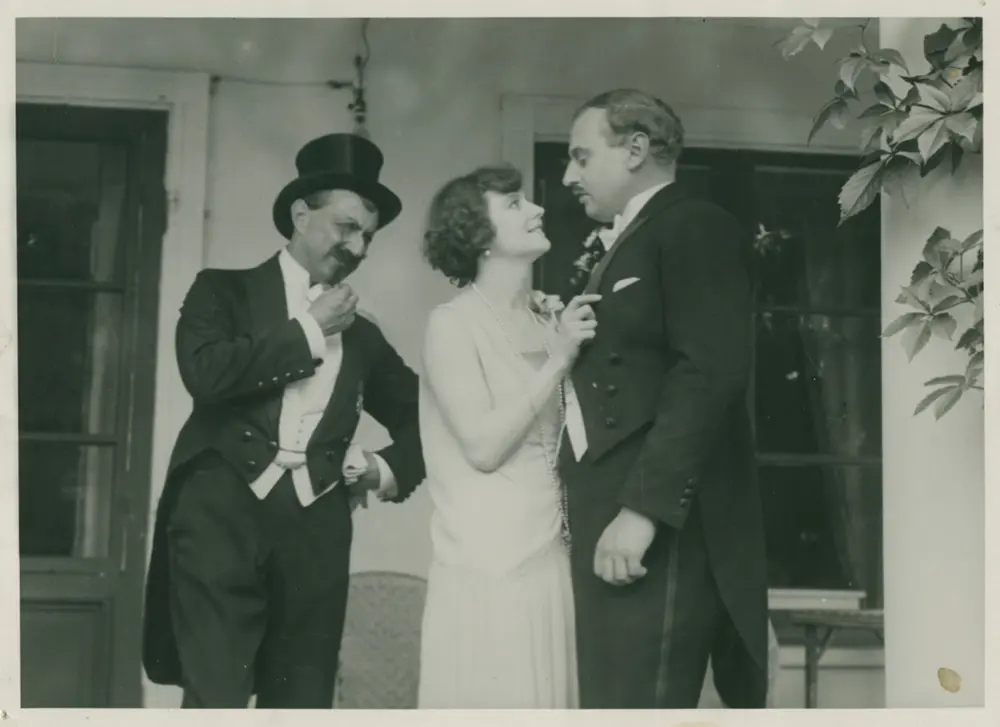
This film fails because its pacing is glacial, even by the standards of its time, often sacrificing narrative momentum for extended, less impactful scenes. The humor, while occasionally charming, frequently falls flat for a contemporary audience, relying on cultural references and comedic tropes that have not aged gracefully.
You should watch it if you are a scholar of early European cinema, fascinated by the intersection of folklore and film, or simply someone who appreciates the unique charm of a genuinely oddball movie that dared to be different. However, if you require a tightly plotted, fast-paced, or conventionally engaging viewing experience, you might find your patience tested beyond its limits.
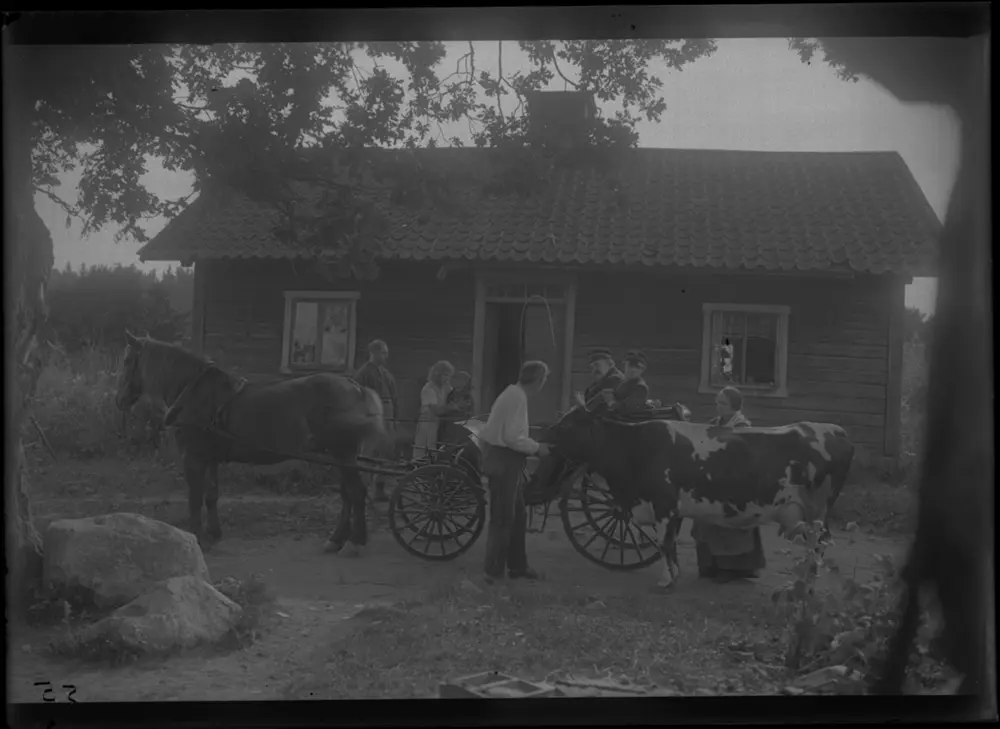
At its heart, Hin och smålänningen unfurls a narrative tapestry woven from the threads of rural toil and supernatural intervention. We are introduced to Gunnar, a railroad worker whose existence is defined by the rhythmic clang of steel and the raw, untamed landscape of the Swedish woods. His task, seemingly simple yet fraught with peril, involves the strategic blasting of a formidable boulder obstructing the path of progress. It is in this explosive act, a primal confrontation with nature’s stubbornness, that the film’s true conceit detonates.
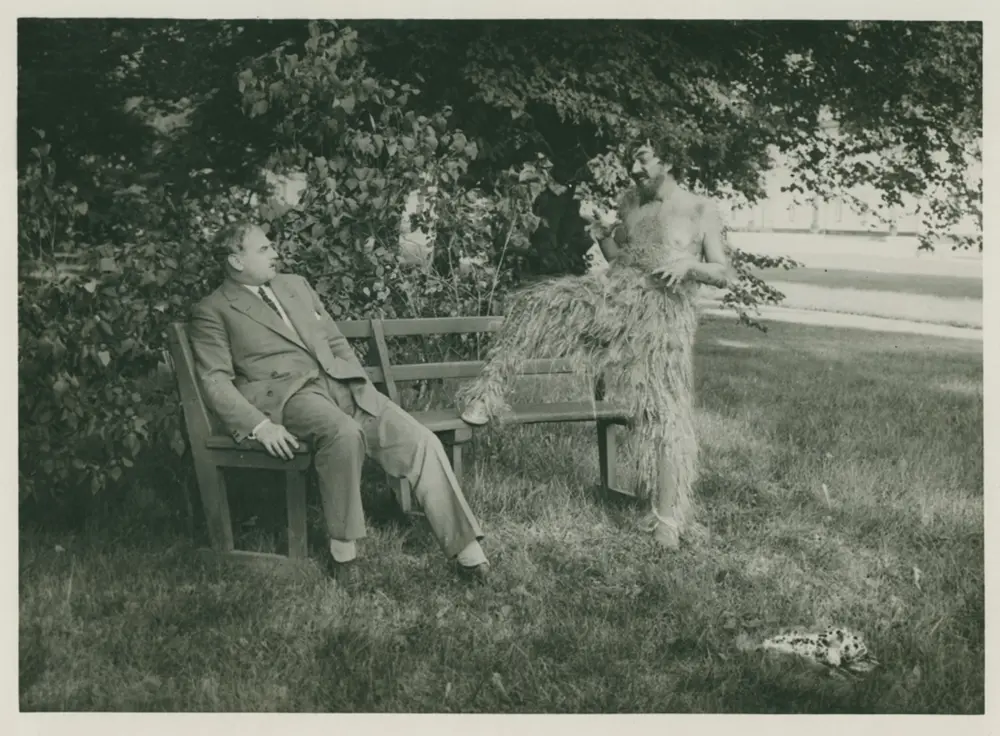
From the dust and debris of Gunnar’s detonation, an impossible figure emerges: Satan himself. Not a shadowy, allegorical presence, but a corporeal entity, complete with cloven hooves and a grin that promises mischief rather than damnation. This sudden, almost nonchalant appearance of the infernal lord transforms a prosaic tale of labor into a whimsical, often perplexing, exploration of good, evil, and the unexpected ways they might intersect in the isolated pockets of the world. The film then grapples with the fallout of this unholy manifestation, charting Gunnar’s bewildered attempts to comprehend, and perhaps even contend with, the devil in his midst.
The ensemble cast of Hin och smålänningen largely operates within the theatrical conventions of its era, favoring broad strokes and expressive physicality over nuanced psychological depth. Yet, within these confines, certain performances manage to carve out memorable spaces. Thor Modéen, in particular, anchors the film with a presence that is both boisterous and surprisingly endearing. As Gunnar, the unwitting catalyst for infernal visitation, Modéen leans heavily into his comedic strengths, portraying a man utterly bewildered by the supernatural turn of events. His reactions to Satan's arrival, a mixture of disbelief, fear, and a certain rural pragmatism, provide much of the film's accessible humor. He doesn't just play a character; he embodies a certain archetype of the common Swede faced with the incomprehensible, a spirit that resonates even today. His ability to convey genuine exasperation through exaggerated facial expressions, such as his wide-eyed double-take when first encountering the cloven-hoofed figure, is a standout.
The portrayal of Satan, a character that could easily devolve into pantomime villainy, is handled with a surprising degree of restraint, given the premise. While the actor’s identity for this specific role isn't explicitly detailed in the provided cast list, the character’s "big mean grin" suggests a playful malevolence rather than outright terror. This interpretation is crucial, as it allows the film to maintain its light, comedic tone rather than veering into genuine horror. The devil here feels less like a harbinger of doom and more like a mischievous trickster, a figure from a cautionary folk tale come to life to stir up trouble in the quiet countryside. The dynamic between Gunnar and this impish Satan is where

IMDb —
1935
Community
Log in to comment.