DbcultAccessing Vault...
Cult Review
Senior Film Conservator
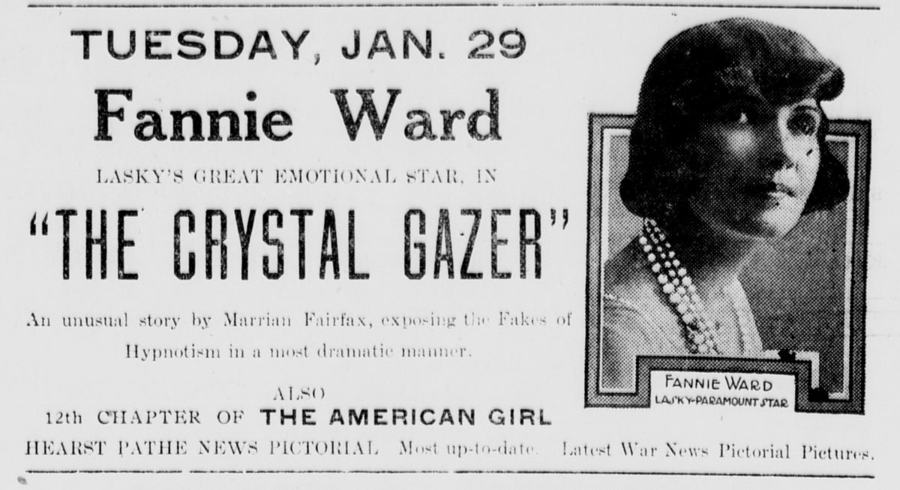
Picture a nickelodeon in 1917, its air thick with peppermint, coal smoke, and the faint ozone of unwound film. Onto the sheeted wall flares The Crystal Gazer, a title that promises gypsy tat and penny-arcade hokum. What unfurls instead is a surgical demonstration of how class can slice identical twins into asymmetrical casualties. Director Edward LeSaint, armed with a script by the sharp-tongued triumvirate of Eve Unsell, Edna G. Riley, Marion Fairfax, refuses the sentimental anesthesia typical of the era. He keeps the sutures visible; every dissolve feels like a wound being reopened.
The prologue alone could fuel a graduate seminar. LeSaint shoots the tenement staircase at a 45-degree Dutch tilt, turning each flight into a guillotine blade. When Rose Sr. (Edythe Chapman) pockets the execution notice and climbs toward the roof, the camera follows her shoes—those cracked leather witnesses—rather than her face. We never see the water; we only see her shadow swallowed by a chlorophyll-green iris that contracts to a pinpoint. The effect, achieved by double-exposing a microscope slide of leaf cells, predates the Surrealist’s rayograms by a decade and whispers: nature itself will vote against the poor.
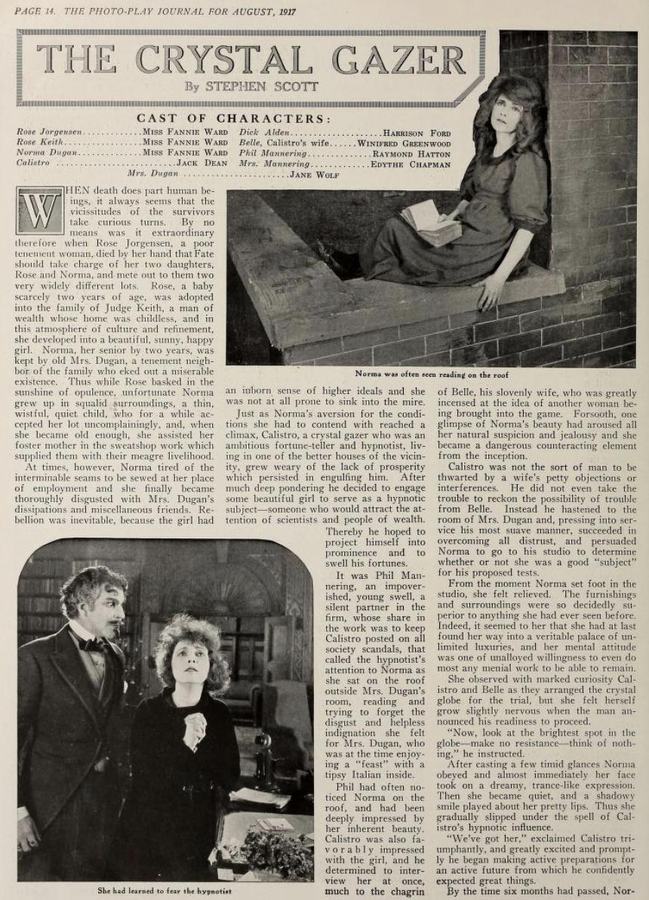
Next comes a bravura split-screen sequence that makes later films like In Defense of a Nation look timid. On the left, little Rose (Winifred Greenwood’s adolescent stand-in) learns to waltz on parquet that reflects chandeliers; on the right, Norma (Jane Wolfe’s younger self) peels potatoes while a baby coughs blood into a tin basin. The camera dollies back to reveal that the divide is not cinematic but architectural: a single brick wall separates the two worlds. The wall’s mortar is the film’s true protagonist; every subsequent plot tangle is merely an attempt to tunnel through it.
Cut to adulthood. Greenwood now glides through tea parties where women discuss philanthropy the way card-sharps discuss aces. She wears ivory ensembles that appear pristine until the camera catches a hairline brown stain on the cuff—coffee, or perhaps the residue of her adoptive father’s cigar. Judge Keith (Harrison Ford, pre-matinee-idol days) treats her like a verdict he can still appeal; he measures her suitors by bond yields, not heartbeats. Greenwood’s performance is a masterclass in micro-stifling: her gloved fingers tremble when piano chords mirror the lullaby her birth-mother hummed. She never overplays; the repression is so total that when she finally utters “I have no sister,” the line lands like a guillotine.
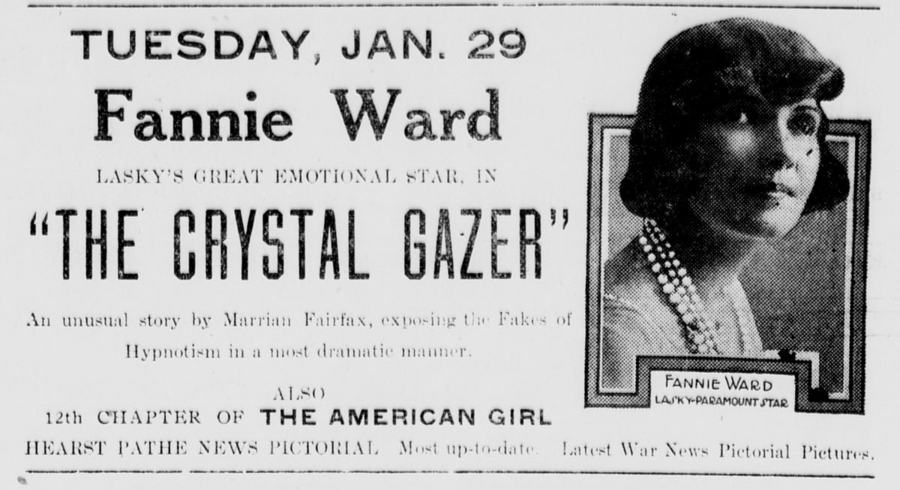
Meanwhile, Norma (Jane Wolfe) has grown into a woman whose cheekbones seem carved by the elbows of the city. She speaks in a contralto that sounds perpetually extinguished; when she laughs at Caistro’s nightclub act, the sound is more exhale than mirth. Wolfe gives us a flâneur of the gutter, eyes always half-shut against the cinders of publicity. Her wardrobe—threadbare velvet, a feather boa molting like a dying bird—becomes a living résumé of hardship. In a scene destined for GIF immortality, she applies lipstick using the reflection in a cracked crystal ball, the red smear bisected by fracture line: prophecy as self-wounding.
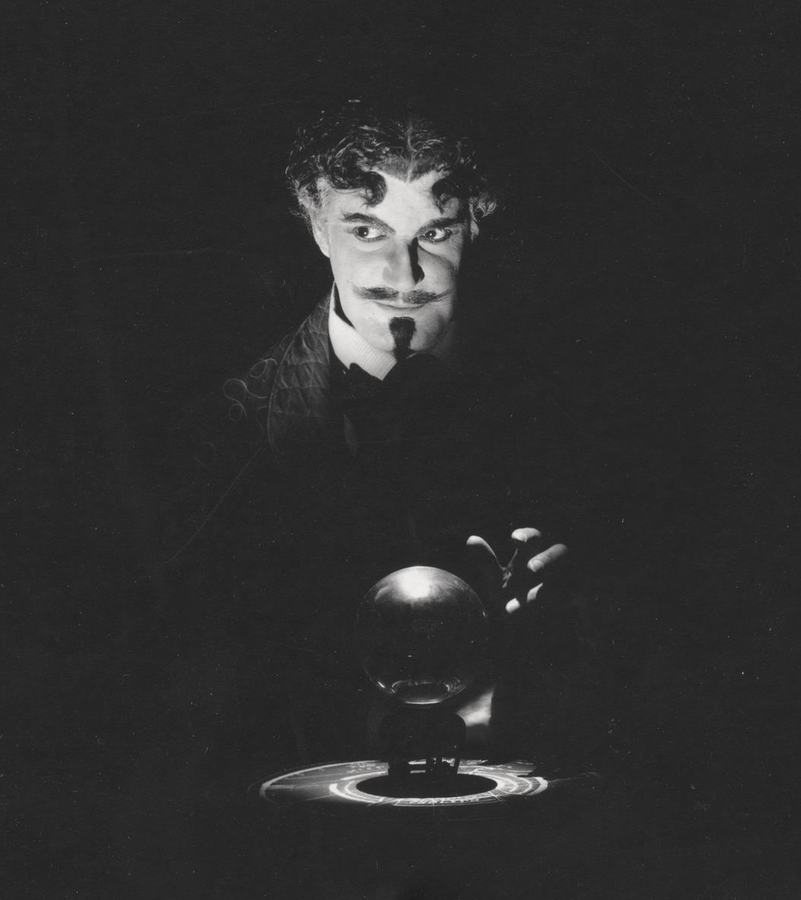
Enter Raymond Hatton’s Caistro, a mesmerist who dresses like Oscar Wilde’s evil twin and speaks in polysyllabic lullabies. His stage routine—making society matrons cluck like hens—plays as farce until you notice the exit door guarded by a bouncer the size of a bank vault. Hatton walks the tightrope between carny barker and Mephistopheles; his eyes carry the same damp gleam you see on loan sharks who moonlight as deacons. When he spots Norma’s resemblance to Rose, the smile that crawls across his lips is less Eureka than IPO. He devises a blackmail scheme so elegantly simple it could fit on a stock ticker: swap the sisters, auction the secret, collect compounded interest on trauma.
The middle act is a danse macabre of mistaken identities staged in negative space: characters enter rooms precisely as the other exits, leaving only a swirl of cigar smoke or a glove dropped like a gauntlet. LeSaint withholds close-ups until the 47-minute mark, when Rose—thinking she’s confronting a gutter impostor—sees her own face reflected in Norma’s cracked compact. The camera lunges into an iris shot so tight that Greenwood’s pupil becomes a silent scream. At that instant, the film indicts not just the characters but the audience: we too have been complicit in sorting humanity into deserving and disposable.
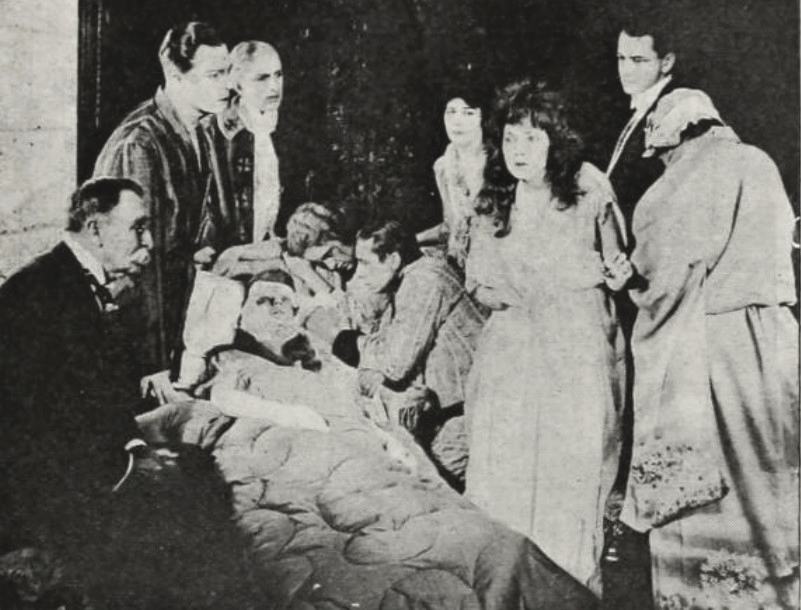
The climax transpires in a courtroom paneled with mahogany so dark it drinks light. Here the film pivots from melodrama to a surreal tribunal where birth certificates flutter like wounded pigeons. Judge Keith, presiding, must rule whether the woman claiming to be his daughter is genetic or performative—a debate that anticipates by a century the queering of identity politics. When Caistro takes the stand and swings his pocket watch, the film erupts into proto-psychedelia: double exposures of rose petals dissolving into stock certificates, a montage that feels like Vor colliding with Hamlet’s Yorick skull. The judge’s gavel falls; the sound is intercut with the thunk of an electric switch, invoking the father’s unseen execution. Justice, like cinema, is only a splice away from murder.
One expects a reconciliation, perhaps a sisterly embrace dissolving into a pastoral sunset. Instead, LeSaint returns us to that brick wall from the childhood split-screen. Norma, now solvent via hush-money, hires laborers to chip at it; Rose, bankrupt of identity, pays bricklayers to reinforce it. The final shot frames both teams working at cross-purposes under sodium lamplight, their trowels clicking like typewriters racing to opposite deadlines. Fade-out. No moral, no title card, only the audience’s dawning nausea that capitalism’s greatest trick is convincing the oppressed to fund their own partitions.
Greenwood essays the slow-motion implosion of privilege with such restraint that when her mask finally slips, the shock rivals The Ploughshare’s final field-burning. Wolfe, saddled with the showier role, resists noble-poor clichés; her Norma is feral yet pragmatic, a woman who could sell her own reflection and haggle for change. Hatton’s Caistro deserves a wing in the Villain Pantheon—his seduction scenes are shot from the waist down, emphasizing the erotic twitch of his cane against trouser silk, a visual syllable that whispers power is phallic but never erect.
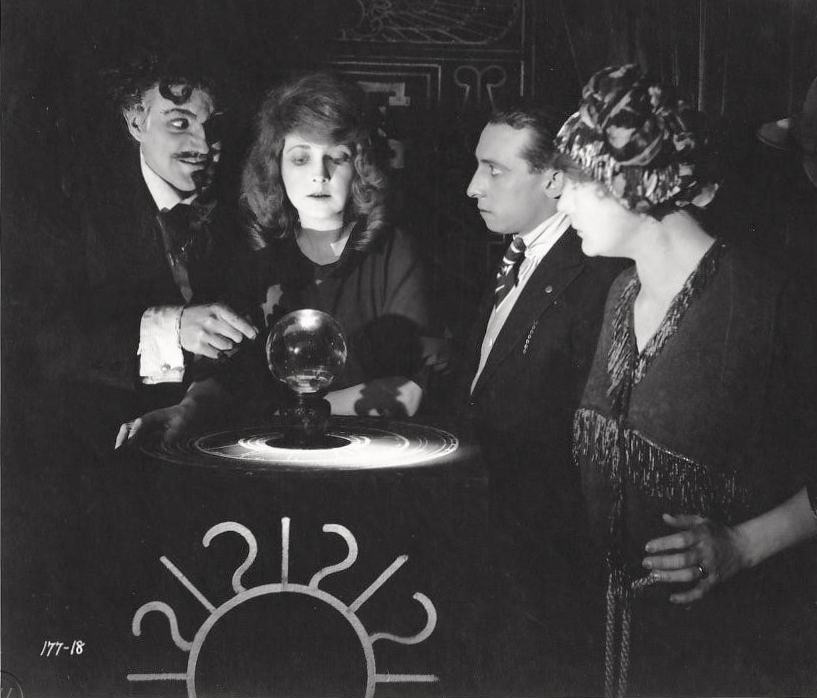
Cinematographer James Van Trees lights interiors like a man auditing shadows for taxable income. Deep-focus shots allow wallpaper patterns to prowl like fiscal graphs; in one dinner scene, the silverware casts tines of shadow that spear the bread, literalizing the cost of sustenance. The tenement sequences borrow German-expressionist angles yet never succumb to the usual Caligari caricature; instead, the skewed doorframes feel like bureaucracy itself warped by humidity.
Though silent, the film manipulates sound-by-absence. Intertitles appear sparingly; when they do, they’re shaped like eviction notices. The lack of musical cue sheets in surviving prints forces modern audiences to confront the raw ambient noise of the screening room—your own breath becomes the underscore, a meta-device that implicates your respiratory privilege.
Place The Crystal Gazer beside Her Wayward Sister and you see how the former weaponizes resemblance where the latter merely exploits it. Contrast it with The Girl and the Game’s railroad heroines, who conquer geography; here, the map is epidermal, and the tracks are veins. Even Samhällets dom’s social indictment feels Scandinavian and abstract beside this film’s bruised American pragmatism.
Today, when DNA tests are mailed like greeting cards and identity is curated on glowing slabs, The Crystal Gazer plays less like antique melodrama than prequel to our curated selves. The film survives only in a 63-minute re-assembly at MoMA, yet its shards continue to slice. Watch it and you may find yourself checking your own reflection for hairline cracks, wondering which side of the wall you’re patching, which side you’re paid to demolish.
Verdict: Seek it out. Let its hypnotic bleakness coil around your complacency. And when the lights rise, notice how the exit sign glows the same arsenic green as the film’s river of no-return—proof that the gaze it traps is, for once, your own.
IMDb —
1936
Community
Log in to comment.