DbcultAccessing Vault...
Cult Review
Senior Film Conservator
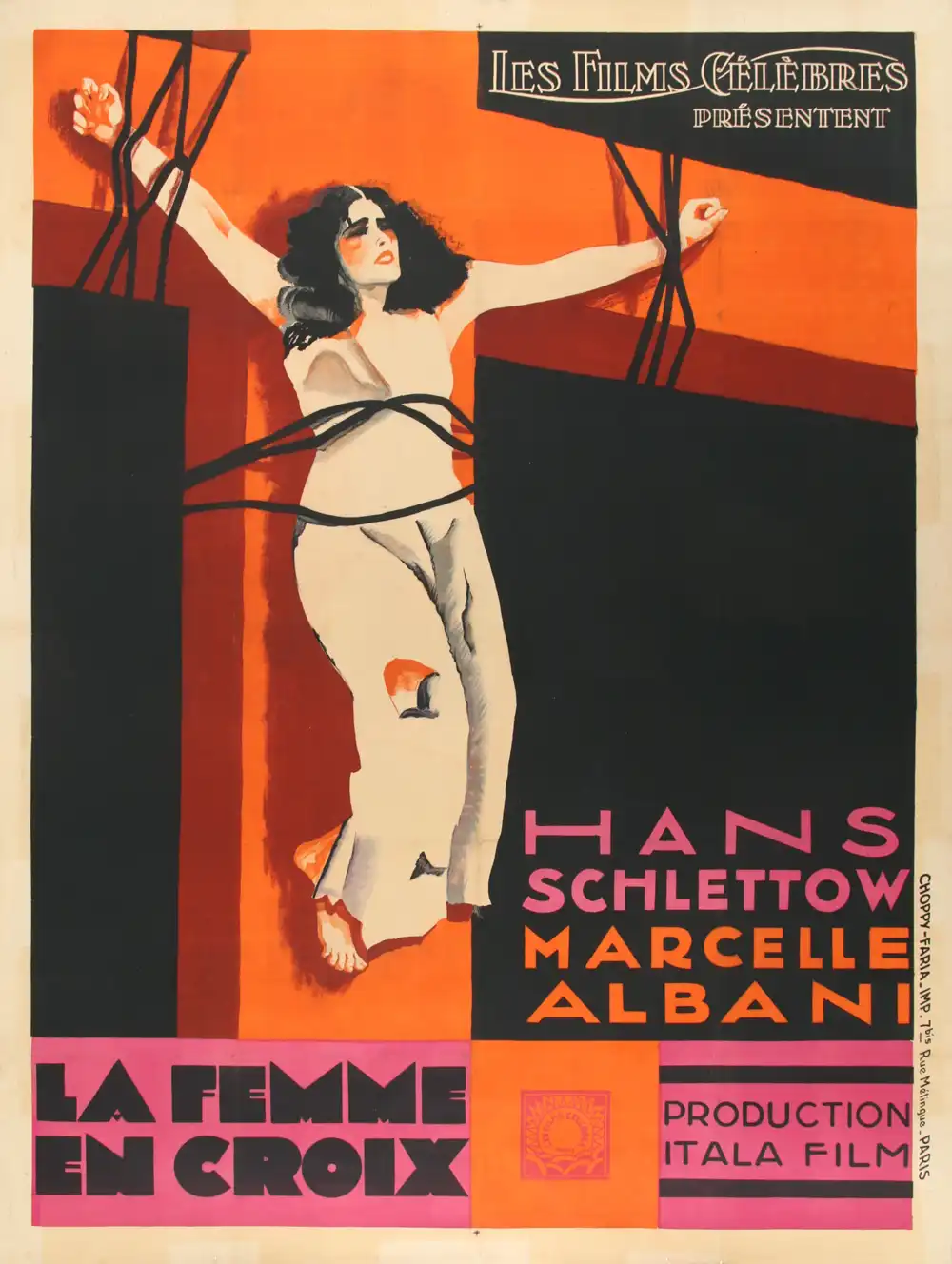
Okay, so Hingabe (which means devotion or surrender in German, pretty on-the-nose for this one) from 1921. Look, if you’re into early silent dramas, the kind that feels like a play unfolding on screen with big gestures and even bigger feelings, then yeah, this might be worth a look. If you usually find yourself checking your phone during anything pre-1950s, definitely skip it. This is for the silent film enthusiasts, the patient ones. 🕰️
The film follows a woman, Martha (played by Marcella Albani), who falls for a charming but kinda useless artist, Georg. He’s always getting into trouble, needing money, and she just keeps giving, giving, giving. Her devotion, you see. It's a classic tale of sacrifice, but one that feels pretty old-fashioned now.
Right from the start, you see Martha’s intensity. Her eyes, even in grainy black and white, really burn. She’s got this unwavering gaze at Georg (Stewart Rome) that just screams "I will ruin my life for you." And he, well, Georg has this *way* of looking off into the middle distance, like he's always dreaming of something grander than his current situation. Or maybe he's just really bad at eye contact. 🤔
There's a scene early on where Martha sells a small, precious heirloom to get Georg out of some financial jam. The camera really lingers on her hands as she wraps it. Not on her face, not on Georg's relieved smile, but just her hands, moving carefully. It's a tiny moment, but it tells you everything about her quiet sacrifice. You almost feel the weight of that object. 🤲
Then there's Georg's friend, Heinrich (Carlo Fontana). He's the solid, sensible one, obviously in love with Martha himself. You can practically see the internal sighs every time Georg messes up.
One shot shows Heinrich just standing in the doorway, watching Martha fuss over Georg, and his face... it’s not angry, just profoundly sad. It’s a very human sort of sadness. 💔
The intertitles are interesting too. Sometimes they're short and punchy, other times they explain a *lot* of plot. There's one where Georg promises to change, and the title card is just "A New Beginning?" with a question mark. That question mark, I thought, was a nice touch. It hints at the audience's own skepticism. 😉
Pacing wise, it's pretty deliberate. Things unfold slowly. You get a lot of scenes of people just... reacting. Martha staring, Georg looking troubled, Heinrich looking heartbroken.
It's not a lot of action, more about these internal struggles played out through expressions and body language. It's very much a *mood* piece, I guess.
There's a scene near the end, Martha is really struggling, and she’s just worn out. She sits down, head in her hands, and the lighting is suddenly much darker. It's a quick shift, maybe just 10 seconds of screen time, but it really hits you. No words needed. Just darkness. 🌑
What struck me, though, was how much Georg really doesn't get it. He's not exactly a villain, just deeply self-absorbed. There’s a party scene where he’s laughing loudly, completely oblivious to Martha’s worried glances. That contrast feels pretty stark.
Overall, Hingabe isn't exactly a lost masterpiece that will redefine your view of cinema. But it's a solid example of early dramatic filmmaking. It really focuses on feelings, even if those feelings are sometimes a bit much for a modern audience. It’s a quiet film, but one that sticks with you a bit, especially those close-ups of Martha’s face. She really tries. 🙏
IMDb —
1922
Community
Log in to comment.