DbcultAccessing Vault...
Cult Review
Senior Film Conservator
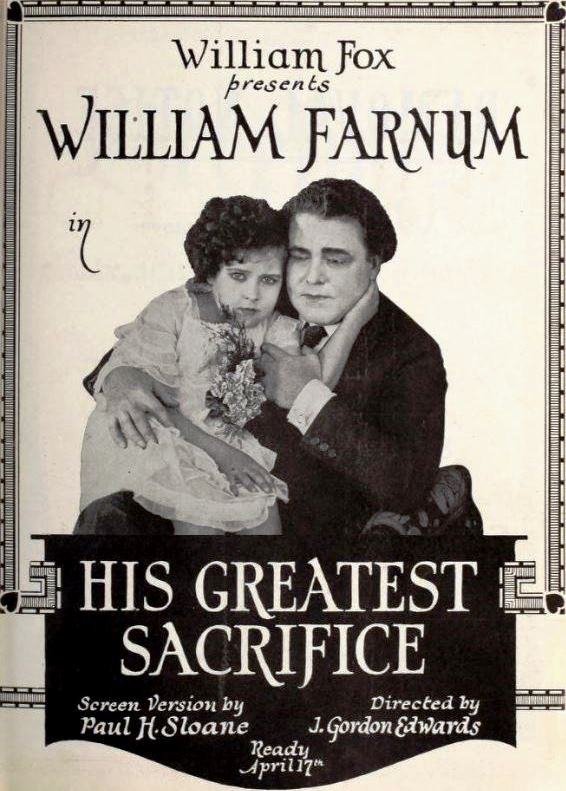
In the annals of early cinema, where narratives unfolded through the silent poetry of gesture and expression, certain films emerge as enduring monuments to human drama. Paul Sloane’s 'His Greatest Sacrifice' (1921) stands as one such profound artifact, a searing melodrama that, despite its century-old vintage, retains an uncanny ability to resonate with timeless themes of love, ambition, jealousy, and the ultimate, crushing weight of atonement. This cinematic endeavor, a testament to the era's storytelling prowess, delves into the intricate tapestry of a family torn asunder by ambition and passion, only to be woven back together by a father's selfless, heart-wrenching act.
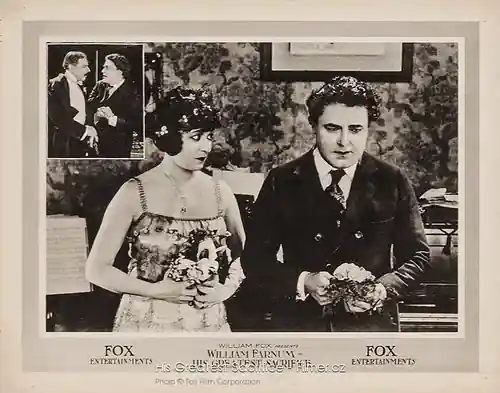
The film introduces us to Richard Hall, portrayed with a compelling intensity by William Farnum, a man whose literary success seemingly anchors a life of domestic tranquility. Yet, beneath this veneer of contentment, a nascent tension simmers. His wife, Alice, brought to vivid, if often conflicted, life by Alice Fleming, harbors a burgeoning desire for a career as a singer. This aspiration, far from being a shared dream, becomes the initial fissure in their marital harmony. The era, still grappling with evolving roles for women, often depicted such artistic ambitions as potential threats to the traditional domestic sphere, a theme explored with varying degrees of sympathy in contemporary works. Alice's encounter with James Hamilton, a musical agent embodied with persuasive charm by Henry Leone, is the fateful catalyst. Hamilton, a figure of opportunity and perhaps subtle temptation, arranges an opera engagement with Rimini, an impresario whose name alone conjures images of grand stages and glittering lights. This professional liaison, however, quickly transcends its boundaries, planting seeds of suspicion and resentment in Richard's heart.
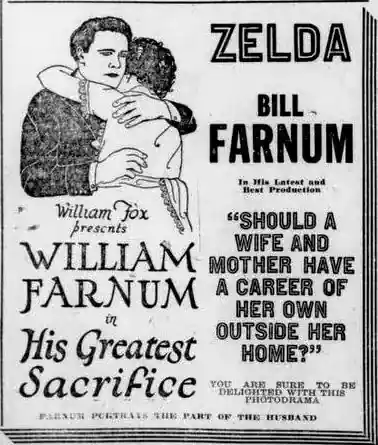
The ensuing quarrel between Richard and Alice is not merely a marital spat; it is a clash of burgeoning individualism against entrenched possessiveness, a dramatic confrontation that leads to their painful separation. Richard, in a move that underscores his patriarchal authority and deep paternal bond, takes their daughter, Grace, with him. This act, while seemingly punitive towards Alice, simultaneously highlights his profound love for his child, a love that will ultimately define his character arc. The emotional landscape of this separation, with its echoes of broken vows and fractured hopes, might remind audiences of the stark domestic upheavals depicted in films like The Dead Secret, where hidden truths and societal pressures often tear families apart with devastating consequences. Here, the 'secret' is not hidden, but openly displayed through Alice's pursuit of a public career, challenging the conventional expectations of her time.
The narrative takes a dark, irreversible turn when Richard, in a desperate bid to reconcile with Alice, finds Hamilton with her. The scene is a masterclass in silent film melodrama, where the unspoken assumes monumental weight. William Farnum’s portrayal of Richard’s escalating fury, a tempest of betrayal and wounded pride, is palpable. The red mist of jealousy descends, culminating in a violent, impulsive act: Hall kills Hamilton. This moment, raw and visceral, seals Richard’s fate, consigning him to a life sentence in prison. It’s a stark, uncompromising depiction of how human passions, unchecked, can lead to catastrophic consequences, transforming a successful man into a convicted murderer. The swift, brutal justice dispensed by the legal system, while perhaps lacking the nuanced psychological exploration of later cinematic eras, serves to underscore the profound societal rupture caused by such an act. This sudden, life-altering event, where one moment of rage forever alters destinies, finds parallels in the abrupt reversals of fortune seen in films like Hard Luck, though here the 'luck' is undeniably tragic and self-inflicted.
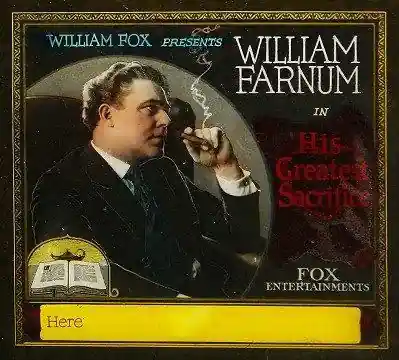
Twenty long years elapse within the confines of Richard’s incarceration, a period that reshapes the world outside in profound ways. Upon his parole, the film skillfully illustrates the chasm between the past and the present. Alice, once a budding talent, has achieved considerable success as a singer, her name now synonymous with operatic triumph. Yet, the passage of time is an unforgiving mistress; her best years are behind her, a poignant reminder of the bittersweet nature of ambition realized too late, or perhaps at too great a cost. Her attempts to reconcile with Grace, now a grown woman, are met with a resolute refusal. Grace, portrayed with a quiet strength by Edith McAlpin, has not merely survived; she has thrived, albeit touched by her own share of sorrow. She is a widow with a child, a testament to her resilience and capacity for love, and now works as a secretary for the benevolent philanthropist John Reed, a character brought to life by Charles Wellesley, who desires to marry her.
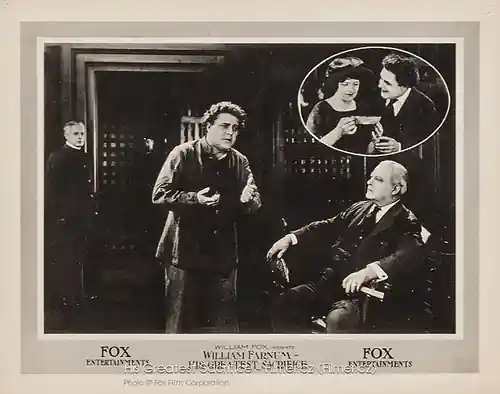
This segment of the film masterfully depicts the inexorable march of time and its transformative power. The world has moved on, leaving Richard a relic of a bygone era, struggling to find his place. His inability to secure work, a stark contrast to his former success, forces him to seek assistance from John Reed. It is here, in Reed’s office, that fate orchestrates a painful reunion: Richard recognizes Grace. The moment is charged with unspoken emotion, a collision of past and present, guilt and yearning. Farnum’s subtle expressions convey the profound shock, the dawning realization of his daughter’s life, so different from the one he left behind. The irony is palpable: the man who shattered his family now finds himself dependent on the kindness of a stranger who is poised to become his daughter’s husband. This narrative device, where fate brings characters into unexpected, often painful, proximity, is a classic melodramatic trope, serving to heighten the emotional stakes, much like the intricate web of relationships in My Little Boy, where familial bonds are tested by unforeseen circumstances.
The climax of 'His Greatest Sacrifice' is not one of explosive action, but of profound, quiet resignation. When Richard is arrested again – the specific charge isn't detailed, but the implication is a consequence of his past or perhaps a misunderstanding – the opportunity for redemption, for a fresh start with his daughter, seems within grasp. Yet, in a truly selfless act, Hall refuses any help. His reasoning is heartbreakingly simple, yet deeply profound: he feels he has come between Grace and Reed. His presence, his past, his very being, he believes, will cast a shadow over his daughter’s future happiness. This final, poignant refusal of assistance, a silent, self-imposed penance, underscores a profound, albeit tragic, understanding of sacrifice, ensuring the untainted future he envisions for his beloved daughter, even if it means his own ultimate isolation and suffering. It is an act of supreme paternal love, transcending personal freedom and comfort for the sake of another’s well-being.
The cast of 'His Greatest Sacrifice' delivers performances emblematic of the silent era, relying heavily on exaggerated facial expressions, grand gestures, and the emotive power of the eyes to convey complex inner turmoil. William Farnum, as Richard Hall, is particularly compelling. His journey from proud writer to enraged murderer, from broken convict to self-sacrificing father, is rendered with a gravitas that anchors the entire film. His ability to communicate profound grief, regret, and ultimately, a quiet nobility, without uttering a single word, is a testament to his skill. Alice Fleming imbues Alice with a tragic grace, a woman whose ambitions lead her down a path of both success and profound personal loss. Edith McAlpin, as the adult Grace, projects a resilient independence, a woman shaped by absence but determined to build her own future, making her eventual understanding and forgiveness all the more impactful.
The film's thematic core revolves around the nature of sacrifice. Is it an act of redemption, a penance for past sins, or merely the tragic culmination of a life irrevocably altered by a single, violent mistake? The title itself, 'His Greatest Sacrifice', foreshadows the profound self-abnegation that concludes the narrative. This theme finds echoes in other cinematic works of the period, such as The Immortal Flame, where enduring love or conviction often demands extraordinary personal cost. However, 'His Greatest Sacrifice' distinguishes itself by rooting this ultimate act in the purest form of paternal love, a love so potent it transcends personal vengeance and the desire for freedom.
Beyond the central theme of sacrifice, the film also implicitly critiques societal norms and the unforgiving nature of a legal system that, while delivering justice, often leaves little room for rehabilitation or reintegration. Richard's struggle to find work after his release highlights the enduring stigma of incarceration, a social commentary that remains relevant even today. The juxtaposition of Alice's public success with Richard's quiet despair underscores the divergent paths taken by those affected by the same tragedy. It's a nuanced exploration of consequence, fate, and the long shadow cast by past actions. One might even draw parallels to the stark moral choices presented in films such as Das Gesetz der Mine (The Law of the Mine), which similarly explored the harsh realities of justice and societal expectations in specific social contexts.
'His Greatest Sacrifice' is more than just a silent film melodrama; it is a powerful examination of the human condition, a testament to the enduring power of love, and a sobering reflection on the cost of unchecked passion. Paul Sloane's screenplay, while adhering to the conventions of its time, crafts a narrative arc that is both emotionally devastating and ultimately redemptive. The film's ability to elicit such profound emotional responses without the aid of spoken dialogue speaks volumes about the artistry of its creators and performers. It reminds us that some stories, particularly those woven from the universal threads of family, ambition, and sacrifice, possess a timeless resonance that transcends technological advancements and cultural shifts. It's a cinematic experience that invites contemplation on what truly constitutes a 'greatest sacrifice' and the enduring impact of choices made in the crucible of human emotion. In an era often characterized by simpler narratives, this film offered a complex, emotionally charged exploration of morality and redemption, standing proudly alongside other thoughtful dramas of its time, such as Herod, in its ambition to explore profound human dilemmas.
IMDb —
1916
Community
Log in to comment.