DbcultAccessing Vault...
Cult Review
Senior Film Conservator
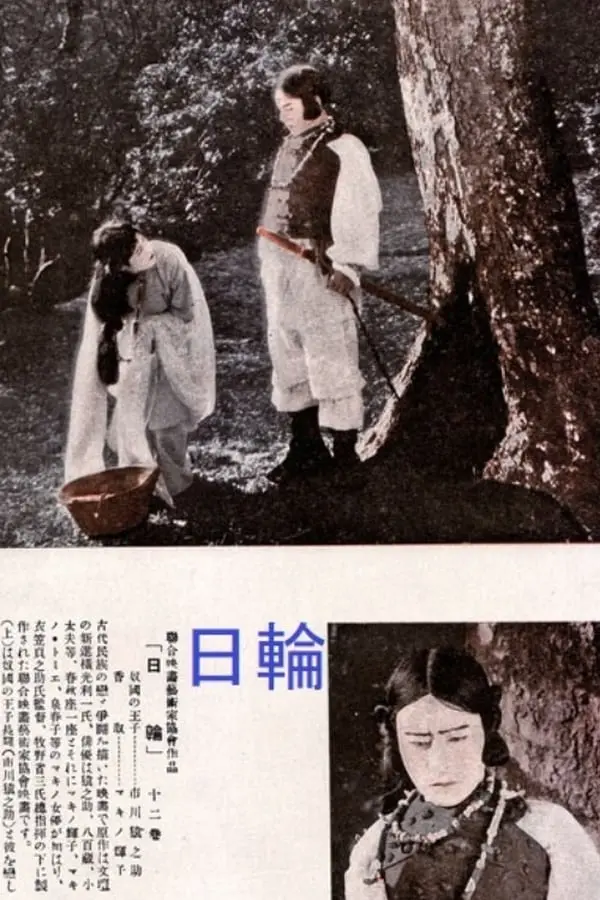
The film Nichirin, a cinematic masterpiece directed by the renowned Teruko Makino and Genjûrô Sawamura, offers a poignant and nuanced portrayal of the early 20th-century Japanese society, particularly focusing on the intricate dynamics between family members and their struggle against societal norms. Set against the picturesque landscapes of Japan, the narrative is a rich tapestry of love, betrayal, and the relentless pursuit of individual happiness amidst the constraints of tradition.
Nichirin centers around the Makino family, whose lives are intricately interwoven with the traditional values and expectations that define their community. The story begins with a sense of tranquility, as the family navigates the familiar routines and rituals of daily life. However, this facade of harmony is soon challenged by the arrival of a new character, Yaozô Ichikawa, who brings a wave of change and uncertainty into the family's otherwise predictable existence.
The performances of the cast, including Teruko Makino, Genjûrô Sawamura, and Yaozô Ichikawa, are nothing short of exceptional. Makino's portrayal of a woman torn between her duties and desires is particularly poignant, capturing the internal struggle of a character who yearns for a deeper connection but is bound by the expectations of her time. Sawamura, as the patriarch, delivers a nuanced performance that effortlessly conveys the complexities of his character, balancing authority with vulnerability. Ichikawa's introduction of a new dynamic, both through his performances and through the external influences he represents, serves as a catalyst for the unfolding drama.
The visual aesthetic of Nichirin is a significant aspect of its appeal. The film employs a palette of dark orange (#C2410C) and sea blue (#0E7490) to create a mood that is both evocative and melancholic. These colors not only enhance the visual appeal but also serve as a subtle metaphor for the emotional landscape of the characters. The cinematography is particularly noteworthy, capturing the serene yet oppressive beauty of rural Japan, which adds a layer of depth to the narrative. The use of natural light and shadow, combined with the intricate details of traditional Japanese architecture and clothing, creates a visual narrative that is as compelling as the story itself.
The script, penned by Riichi Yokomitsu and Kyosuke Ichimonji, is a masterclass in storytelling. The dialogue is both subtle and powerful, allowing the characters to express their emotions and desires without resorting to overt melodrama. The narrative structure is carefully crafted, balancing moments of tension with periods of quiet introspection, which keeps the audience engaged throughout the film. The thematic exploration of the conflict between tradition and individuality is both timely and timeless, resonating with audiences across different cultures and generations.
Compared to other films of its era, such as “Fesseln” or “In the Knicker Time,” Nichirin stands out for its emotional depth and technical proficiency. While these films often relied on more overt storytelling and spectacle, Nichirin delves into the psychological and emotional realms of its characters, creating a more intimate and relatable experience for the viewer. The performances in Nichirin are not just convincing but also deeply moving, drawing the audience into the world of the characters and their struggles.
The film's exploration of love and relationships is particularly noteworthy. The characters’ interactions are filled with moments of tenderness and tension, as they navigate the complexities of their emotions and the societal expectations that shape their lives. The relationship between the main characters is a central focus, and the film masterfully captures the nuances of their connection, from the initial spark of attraction to the challenges they face as they strive to forge a path that aligns with their desires.
One of the most striking aspects of Nichirin is its ability to convey the weight of societal expectations without resorting to didacticism. The film presents a realistic and often harsh view of the constraints placed on individuals, particularly women, within traditional Japanese society. Through the characters' experiences, the film explores themes of gender inequality, the limited choices available to women, and the pressure to conform to societal norms. This thematic depth adds a layer of complexity to the narrative, making Nichirin a thought-provoking and emotionally resonant film.
The film's conclusion is both satisfying and bittersweet, leaving the audience with a sense of closure while also prompting reflection on the broader themes explored in the narrative. The final scenes are particularly poignant, as the characters come to terms with their individual paths and the compromises they have made. The use of music and visual cues in the closing moments enhances the emotional impact of the film, creating a sense of resolution that is both peaceful and reflective of the characters' inner journeys.
In conclusion, Nichirin is a remarkable film that offers a profound and nuanced exploration of love, relationships, and the impact of societal expectations on individual lives. The stellar performances, coupled with a striking visual style and a thought-provoking narrative, make it a standout work in the genre of early 20th-century Japanese cinema. It is a film that invites viewers to reflect on the enduring themes of love, freedom, and the human quest for fulfillment, making it a must-watch for anyone interested in the intersection of art, society, and human emotion.

IMDb —
1930
Community
Log in to comment.