DbcultAccessing Vault...
4.3/10
Senior Film Conservator
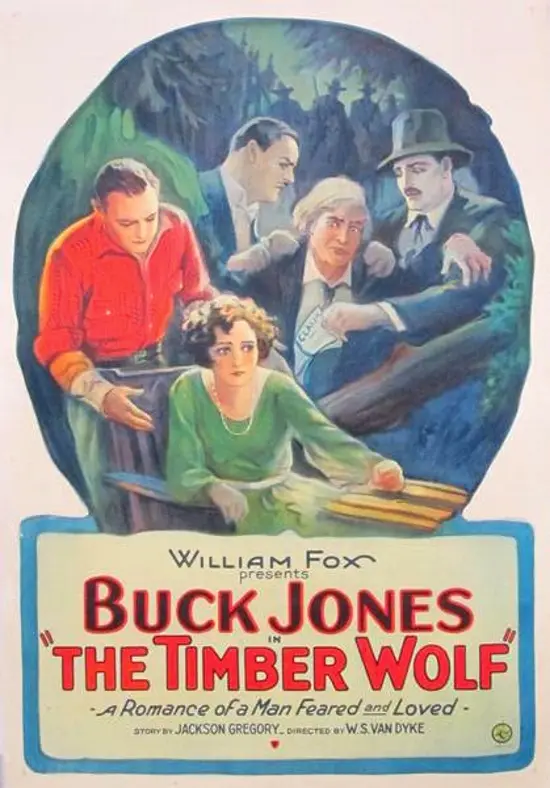
A definitive 4.3/10 rating for a film that redefined the boundaries of cult cinema. The Timber Wolf remains a cornerstone of transgressive art.
Stepping back into the cinematic landscape of 1925, we encounter a film that, despite its silent nature, roars with the untamed spirit of the American West: The Timber Wolf. This motion picture, a compelling narrative spun from the pens of Jackson Gregory and John Stone, and brought to life by the iconic Buck Jones, is more than just a relic of a bygone era; it’s a vibrant testament to the enduring power of classic storytelling, a stark portrayal of greed, justice, and the rugged individualism that defined the frontier. It’s a film that resonates with a primal energy, pulling viewers into a world where moral lines are etched not in law books, but in the unforgiving dust of the wilderness.
The heart of The Timber Wolf beats with the rhythmic promise of gold, a siren song that drew countless souls to hardship and often, to ruin. Our protagonist, Bruce Standing, known reverently as 'The Timber Wolf,' embodies the quintessential stoic hero of the Western genre. He's a man of quiet strength, his presence a formidable force in a land where law often bends to the will of the ruthless. His initial act of generosity – providing a grubstake to the venerable prospector Joe Terry – sets the entire intricate plot in motion. This isn't merely a financial transaction; it's a pact forged in the shared understanding of the frontier's harsh realities, a bond of trust that will be tested by the insidious machinations of men.
Joe Terry, a figure etched with the lines of countless sunrises and sunsets spent in arduous pursuit, eventually stumbles upon the elusive mother lode. This discovery, however, becomes less a triumph and more a perilous burden. The scent of easy riches, like blood in the water, attracts the film's antagonist, Babe Deveril, a character whose very name conjures an image of deceptive charm cloaking a venomous core. Deveril’s ambition is singular and ruthless: to seize Terry's claim by any means necessary. His methods are swift and brutal, leveraging the corruptibility of the local sheriff to have Terry unjustly jailed and subjected to physical torment. The aim is simple: to break the old man’s spirit and extract the location of his newfound wealth. This sequence, despite the absence of spoken dialogue, conveys a visceral sense of dread and injustice, highlighting the precariousness of life and property in an era where justice was often a commodity.
Yet, Terry's resolve proves as unyielding as the mountains he has scoured. His silence frustrates Deveril, forcing a shift in strategy. The villain, undeterred, orchestrates Terry's release, only to employ a more insidious weapon: the manipulation of Reenee Brooks. Reenee, a woman caught in the tangled web of Deveril's influence, is coerced into using her 'feminine wiles' – a phrase loaded with the gendered expectations and vulnerabilities of the era – to charm the mine’s location from Terry. This turn in the narrative introduces a fascinating layer of moral complexity, positioning Reenee not as a villain, but as a victim of circumstance, compelled to participate in a scheme against her better judgment. It’s a stark reminder that in such unforgiving environments, individuals often become pawns in larger, more dangerous games.
It is at this critical juncture that Bruce Standing, 'The Timber Wolf,' re-enters the fray, his presence a disruptive force against Deveril’s carefully laid plans. His discovery of the plot ignites a righteous fury. The ensuing confrontation with Deveril is a classic Western showdown, albeit one that relies on raw physicality rather than gunplay, culminating in Deveril receiving a well-deserved thrashing. What follows is perhaps the most audacious and morally ambiguous act of the film: Standing abducts Reenee, taking her to his remote cabin. This act, viewed through a modern lens, is deeply problematic. However, within the narrative framework of the 1920s Western, it serves a dual purpose: to remove Reenee from Deveril’s harmful influence and to create a forced intimacy that allows for a profound character transformation. This narrative device, while challenging, sets the stage for Reenee’s gradual understanding and eventual affection for Standing, transforming her initial fear into respect and, ultimately, love. The film culminates with Standing’s decisive dismantling of Deveril’s entire gang, restoring a fragile order to the chaotic frontier and cementing his status as a true, albeit unconventional, hero.
The cast of The Timber Wolf delivers performances that, even without spoken words, convey a rich tapestry of human emotion and motivation. Buck Jones, in the titular role of Bruce Standing, is a revelation. Jones was a star whose appeal lay in his authenticity; he wasn't just playing a cowboy, he embodied the spirit of one. His portrayal of Standing is a masterclass in silent film acting – his expressions, his movements, the very way he carries himself, communicate a profound sense of justice, a quiet determination, and an underlying moral compass that guides his actions, even when those actions appear to stray from conventional morality. He's the archetypal lone wolf, a protector of the vulnerable, and a force of nature against corruption. His physical prowess is evident, but it's the depth of his character, conveyed through subtle nuances, that truly captivates.
Elinor Fair, as Reenee Brooks, navigates a particularly challenging role with admirable grace. Her character's arc, from a coerced accomplice to a woman finding her own agency and affection, is central to the film's emotional core. Fair conveys Reenee's initial vulnerability and fear, her internal conflict, and her eventual blossoming under Standing's protective, if stern, gaze. It's a performance that speaks to the complex position of women in the frontier narrative, often caught between powerful men, but capable of forging their own paths. Her transformation is believable, earning the audience's empathy.
Will Walling, as the grizzled prospector Joe Terry, provides the film's initial moral anchor. His stoicism in the face of torture is a testament to the human spirit's resilience, and his quiet dignity makes his plight all the more poignant. On the other side of the spectrum, the villainous Babe Deveril, portrayed with suitable menace, is a compelling antagonist. He represents the corrosive power of greed, a stark contrast to Standing’s principled stand. The supporting cast, including Sam Allen and Bobbie Mack, contribute to the film's rich texture, each playing their part in painting a vivid picture of frontier life.
At its core, The Timber Wolf is a profound exploration of several enduring themes. Justice, particularly frontier justice, is paramount. In a land where formal law is often distant or corrupted, figures like Bruce Standing emerge as necessary arbiters, enforcing a moral code that transcends legal statutes. His actions, while sometimes extralegal, are consistently driven by a desire to right wrongs and protect the innocent. This theme resonates with other frontier narratives where the lines between outlaw and hero often blur, such as in The Wildcat, which also delves into personal codes of conduct in lawless territories.
Greed is another potent force in the narrative. Babe Deveril embodies the destructive nature of unchecked avarice, demonstrating how the promise of wealth can corrupt individuals and institutions alike. The film starkly contrasts Deveril's rapaciousness with Standing's more principled motivations, highlighting the moral chasm between them. This struggle between self-interest and communal well-being is a timeless motif, as relevant today as it was in the gold rush era.
Redemption and transformation are also key. Reenee Brooks's journey from a coerced pawn to a woman capable of love and respect is a testament to the human capacity for change. Her arc is perhaps the most emotionally resonant, showing that even in the bleakest circumstances, genuine connection can foster growth. This theme of personal evolution under duress can be seen in other silent dramas like The Italian, which explores the challenges faced by immigrants and their journey of adaptation and self-discovery in a new world.
As a silent film, The Timber Wolf relies heavily on visual storytelling, and in this regard, it excels. The cinematography of the era, while lacking the dynamic camera movements of later periods, often compensated with striking compositions and effective use of light and shadow. The vast, sweeping landscapes of the West are not merely backdrops; they are active participants in the drama, emphasizing the isolation and the sheer scale of the challenges faced by the characters. The natural environment often mirrors the internal struggles of the characters – wild, untamed, and unforgiving.
Director W. S. Van Dyke, known for his prolific output in both the silent and sound eras, demonstrates a keen understanding of pacing and visual rhythm. The action sequences, particularly the confrontation between Standing and Deveril, are choreographed with a raw energy that transcends the lack of sound. The use of intertitles is judicious, providing essential dialogue and exposition without bogging down the visual flow. Each title card is carefully crafted to advance the narrative and deepen character understanding. The film’s ability to evoke strong emotions and convey complex plot points purely through imagery and performance is a testament to the artistry of silent cinema. While it might not possess the psychological depth of a film like Gefangene Seele, which explores internal turmoil, The Timber Wolf masterfully externalizes conflict and character through action and setting.
Today, The Timber Wolf stands as a significant entry in the Western genre, particularly within the silent film canon. It’s a prime example of why silent movies continue to captivate audiences and scholars alike. They demand a different kind of engagement, inviting viewers to fill in the auditory gaps with their own imagination, to focus more intently on the visual storytelling and the nuanced performances. Buck Jones's star power is undeniable here, solidifying his reputation as one of the great cowboy heroes of the silver screen. His authenticity and rugged charm made him a beloved figure, and this film showcases him at the peak of his silent-era prowess.
The film’s themes of justice, greed, and personal transformation are timeless, ensuring its continued relevance. While the specific context of the gold rush may be historical, the underlying human desires and conflicts remain universal. It’s a narrative that speaks to the eternal struggle between good and evil, between individual liberty and systemic corruption. Comparisons can be drawn to other films of the era that explored social issues and morality, such as The Black Stork, which tackled controversial topics, or The Unholy Three, which delved into the darker side of human nature and criminal enterprise. The Timber Wolf, however, grounds its moral questions firmly in the adventurous, expansive setting of the American West.
For enthusiasts of classic cinema, and particularly for those with an appreciation for the Western genre, The Timber Wolf offers a rich and rewarding viewing experience. It's a reminder of the foundational storytelling techniques that laid the groundwork for modern cinema, and a powerful demonstration of how compelling a narrative can be, even without the benefit of spoken dialogue. Its human drama, set against the breathtaking backdrop of the frontier, makes it a cinematic gem that continues to resonate with its raw energy and moral clarity. This isn't just a film to be observed; it's an experience to be absorbed, allowing the silent roars of the wilderness and the profound emotions of its characters to wash over you, leaving an indelible mark long after the final frame.
IMDb 4.3
1914
Community
Log in to comment.