DbcultAccessing Vault...
Cult Review
Senior Film Conservator
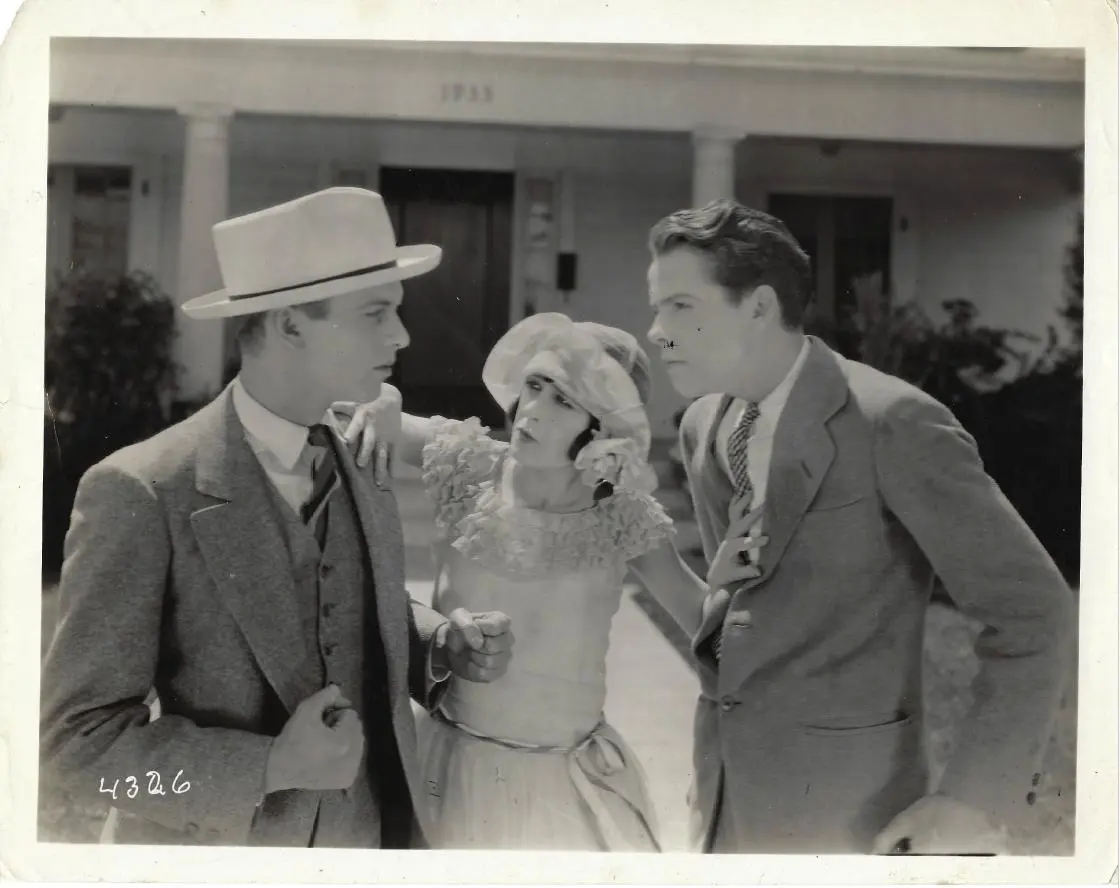
Is 'His New Suit' worth your time today? Short answer: Yes, but only if you appreciate the frantic, slightly cruel social hierarchies of 1920s slapstick.
This film is specifically for those who enjoy character-driven physical comedy where the protagonist is his own worst enemy. It is absolutely not for viewers who demand tight plot logic or a protagonist who wins in the end.
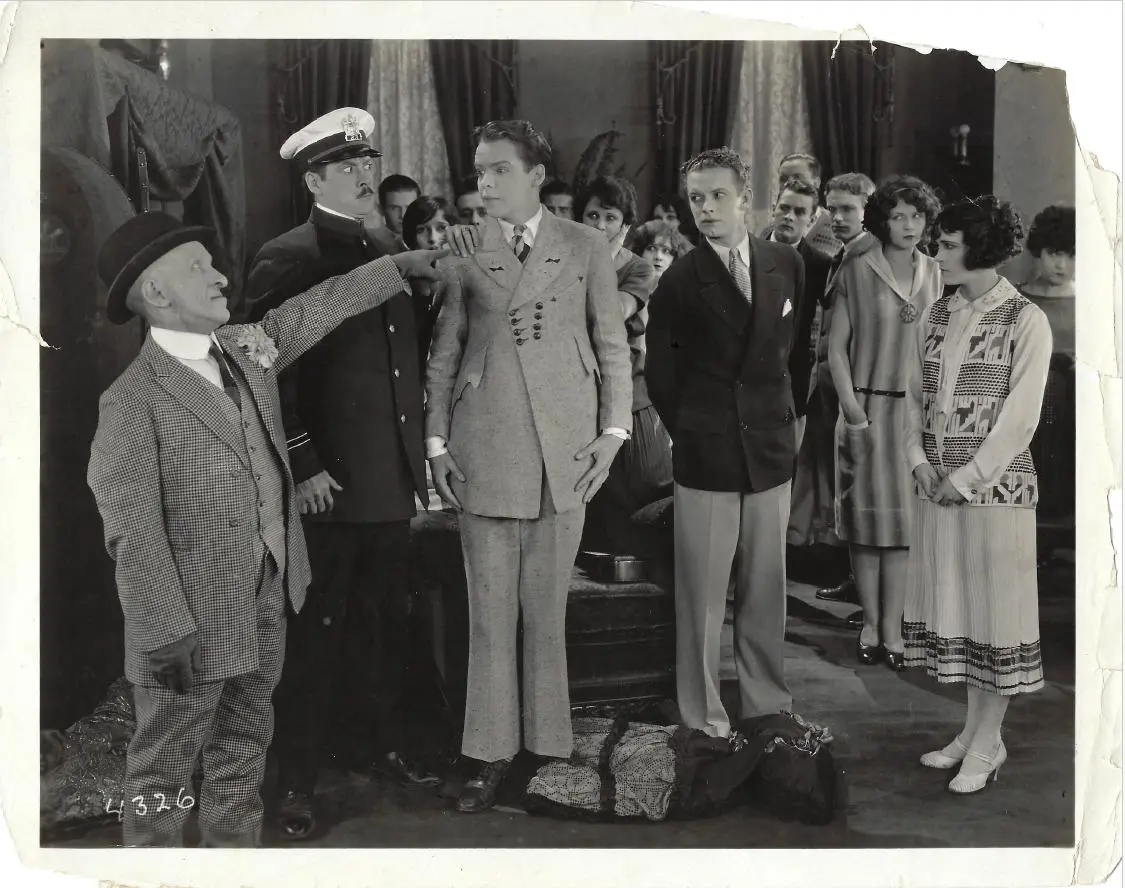
1) This film works because Arthur Lake’s physical vulnerability makes the absurd balloon-flight sequence feel like a genuine, anxiety-inducing nightmare.
2) This film fails because the third-act shift into a robbery investigation is jarringly disconnected from the whimsical tone of the opening.
3) You should watch it if you want to see a cynical take on the 'American Dream' where the hero is mocked for his aspirations.
At its core, 'His New Suit' is a critique of the burgeoning consumer culture of the early 20th century. The installment plan was a relatively new phenomenon for the working class, and the film treats it as a trap. Arthur isn't just buying clothes; he's buying a version of himself that he can't afford. This theme of social climbing through aesthetics is handled with much more nuance here than in The Gilded Youth, where the stakes felt more theatrical and less personal.
The scene where Arthur counts his meager coins only to hand them over for a balloon is painful to watch. It’s a brutally simple sentence: He chooses beauty over stability. The balloon represents a fleeting moment of joy that costs him his social standing. When he ties that balloon to the suit, the film moves into the realm of the surreal. It is a visual metaphor for how easily one's 'image' can be carried away by the wind.
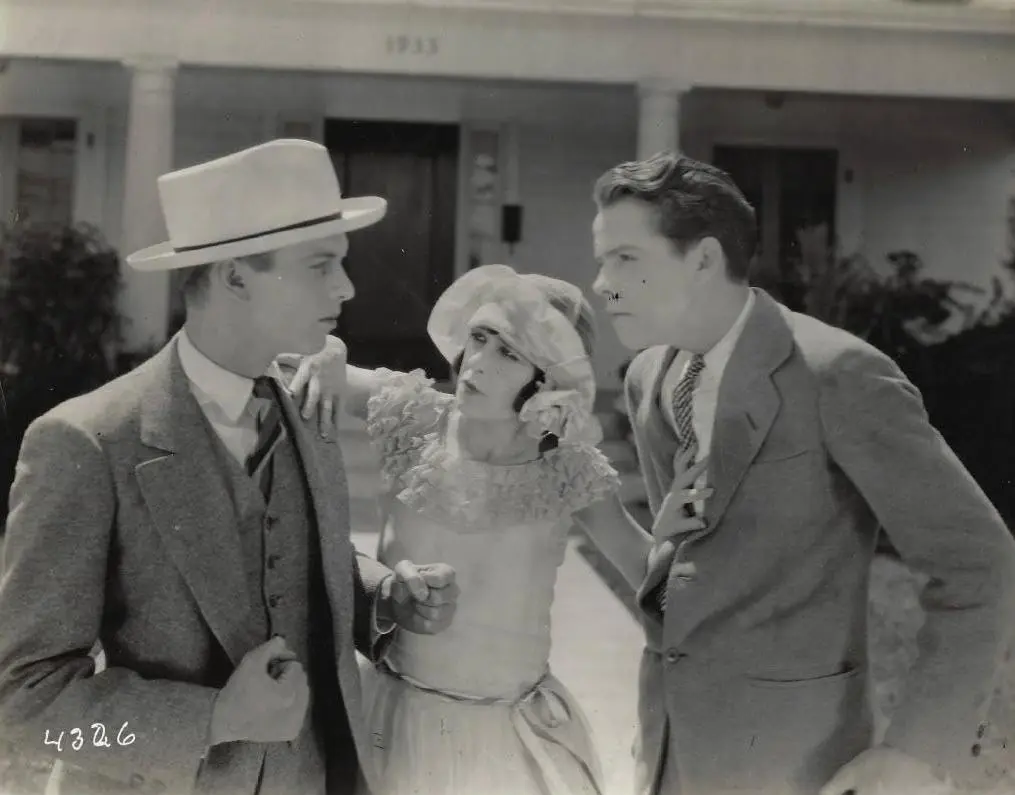
Arthur Lake, long before he became famous as Dagwood Bumstead, had a specific energy that was distinct from Buster Keaton or Charlie Chaplin. He didn't have Keaton’s stoicism or Chaplin’s pathos. Instead, Lake played a man who was perpetually overwhelmed by the world's expectations. In 'His New Suit', his performance is defined by a nervous kineticism. He is constantly adjusting his cuffs, checking his reflection, and looking over his shoulder. He is a man who knows he is a fraud.
Compare his performance to the lead in A Small Town Idol. While both characters deal with the pressures of public perception, Lake’s Arthur feels more grounded in real-world anxiety. When the suit flies away, Lake’s reaction isn't just a comedic double-take; it’s a look of genuine financial ruin. He isn't just losing a garment; he's losing his credit rating and his dignity. It works. But it’s flawed because the film doesn't give him enough quiet moments to let that desperation breathe.
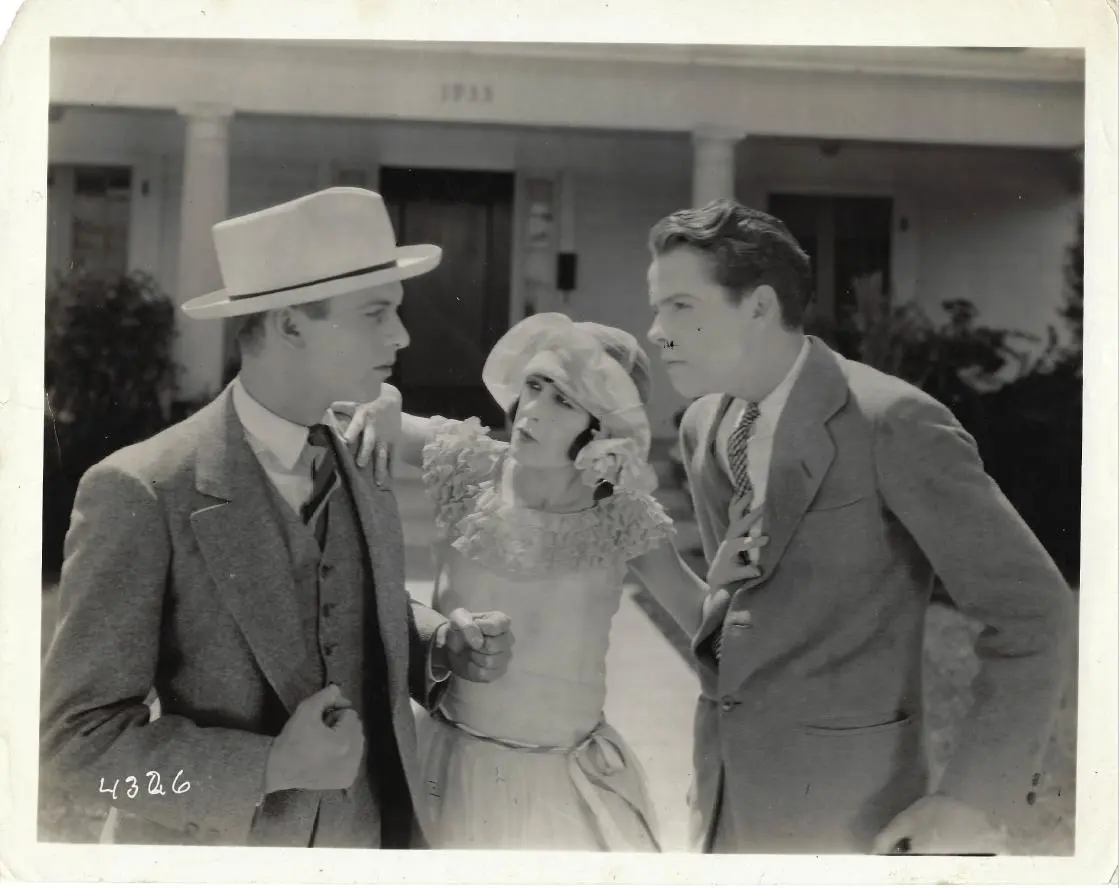
The middle section of the film takes a hard turn into a crime procedural. The suit lands in a store that has just been robbed, and Arthur is immediately branded a criminal. This is a common trope in silent shorts, seen in films like A Crooked Romance, but here it feels forced. The transition from a whimsical balloon flight to a police interrogation is too fast. The film loses its internal logic for the sake of a quick resolution.
However, the presence of Marceline Day as the girl who rescues him adds a layer of much-needed charm. Her character isn't just a 'pretty girl' trope; she is the only person who sees through the absurdity of the situation. Her rescue of Arthur is the only moment of genuine warmth in an otherwise cynical story. The chemistry between Lake and Day is palpable, though limited by the short runtime. It’s a shame the script didn't allow for more interaction between the two before the chaos erupted.

If you are looking for a deep, emotional experience, this is not it. However, if you want to understand the anxieties of 1920s masculinity, 'His New Suit' is a fascinating artifact. It captures a moment in time when the pressure to look successful was just as high as it is in the age of Instagram. The 'suit' is the 1924 equivalent of a leased luxury car. It’s all for show, and the film takes great pleasure in tearing that show apart.
The final scene is what separates this film from more optimistic comedies of the era. Arthur is freed, but he isn't celebrated. The 'gang'—his peers and social circle—mock him relentlessly. The suit, which was supposed to be his ticket to respectability, becomes the very thing that makes him a laughingstock. This is a surprisingly dark observation. It suggests that once you’ve been marked by failure, no amount of 'new clothes' can fix your reputation.
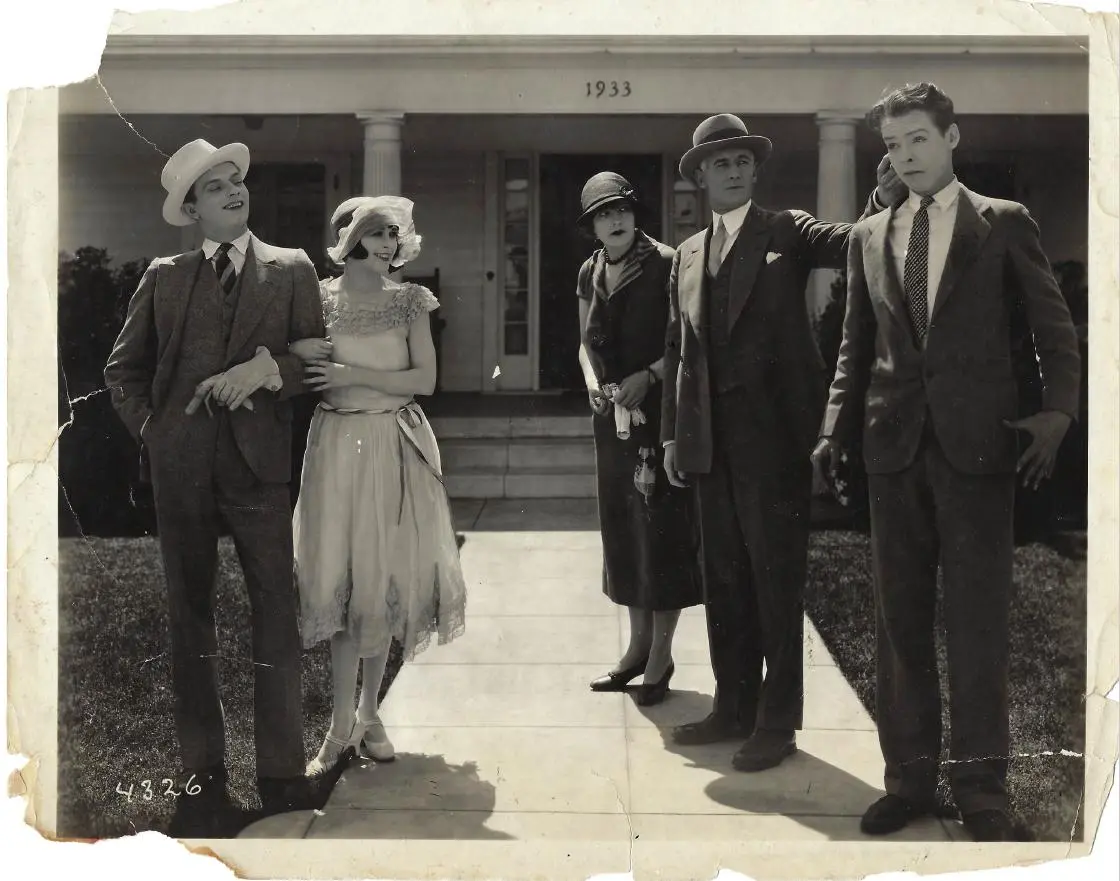
This ending is much more honest than the resolutions in many contemporary shorts like The Dream Cheater. It doesn't offer a fake 'happily ever after.' Arthur is back where he started, minus his money and his pride. It’s a punchy, short, and somewhat mean-spirited conclusion that sticks with you longer than the slapstick gags do.
Pros:
- Arthur Lake’s expressive, high-energy performance.
- Sharp social commentary on consumerism and debt.
- Marceline Day provides a grounding, sympathetic presence.
- Short, punchy runtime that doesn't overstay its welcome.
Cons:
- The plot relies too heavily on a massive coincidence.
- The ending might be too cynical for some viewers.
- Secondary characters are largely one-dimensional caricatures.
'His New Suit' is a fascinating, if uneven, slice of silent cinema. It lacks the polish of the major studio releases of the time, but it makes up for it with a raw, anxious energy that feels surprisingly modern. It’s a dumb movie that manages to say something smart about how we value ourselves through the things we own. While it’s flawed, the central image of a man’s dignity floating away on a balloon is one of the more memorable visuals of 1920s comedy. It’s worth a look, if only to see Arthur Lake before he became a household name.
IMDb 7.2
1933
Community
Log in to comment.