DbcultAccessing Vault...
6.7/10
Senior Film Conservator
A definitive 6.7/10 rating for a film that redefined the boundaries of cult cinema. The Story of Petroleum remains a cornerstone of transgressive art.
A Black‑Gold Chronicle
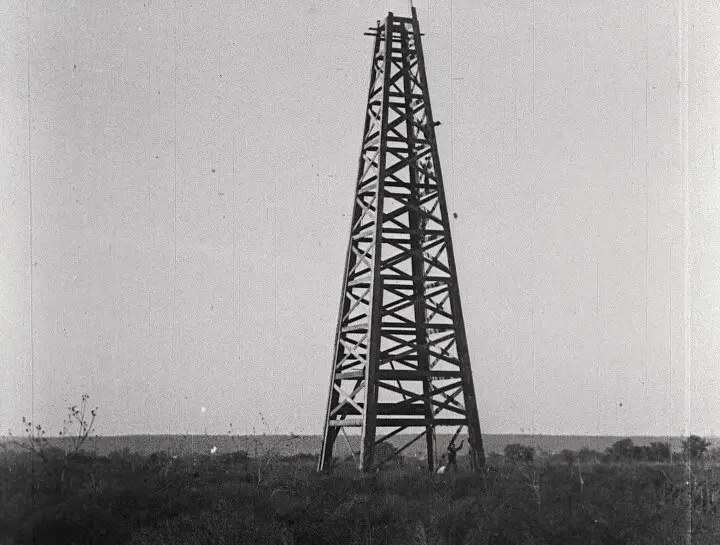
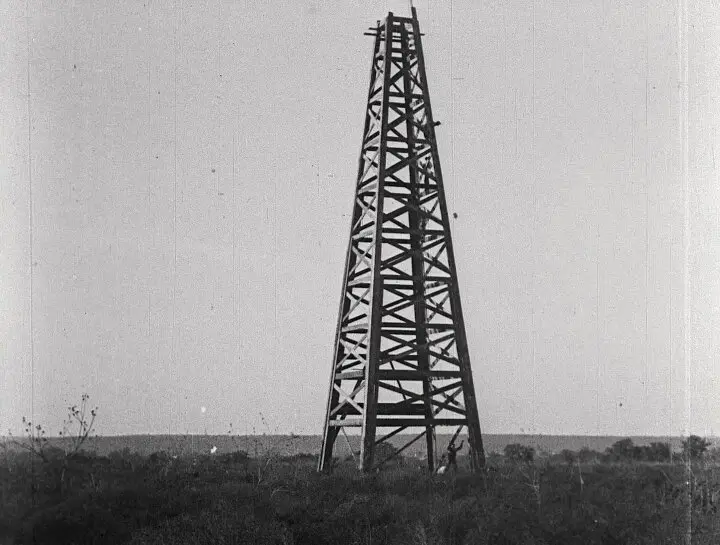
The opening sequence of *The Story of Petroleum* is a study in chiaroscuro, the camera lingering on skeletal derricks that pierce a bruised horizon. The grainy texture of the film stock, a relic of its era, lends an authenticity that modern digital clarity would betray. As the sun rises, a low‑pitched voice—steady, almost reverent—begins to trace the lineage of oil from its primordial seepages to the industrial leviathan it became.
Rather than a dry recitation of dates, the documentary paints a vivid tableau of ancient Mesopotamia, where artisans mixed bitumen with reeds to waterproof the walls of ziggurats. The narration, paired with sepia‑toned reliefs, evokes a sense of continuity: humanity’s first flirtation with petroleum was less about energy and more about survival. The film then leaps forward, juxtaposing the soot‑laden streets of 19th‑century Pittsburgh with the triumphant clank of the Drake Well’s first gush. Here, the editing rhythm quickens, mirroring the rapid industrial acceleration that oil catalyzed.
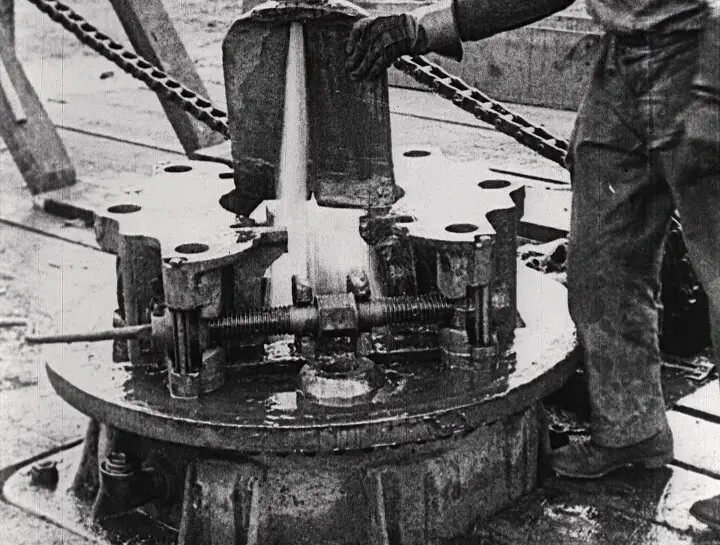
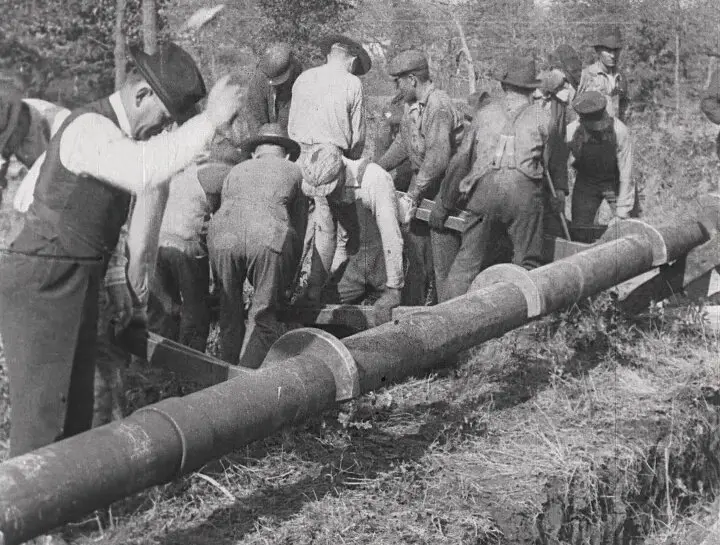
Mid‑film, the focus shifts to the alchemy of refining. Close‑ups of towering distillation columns, their steel ribs glowing orange, are intercut with archival footage of workers in soot‑streaked overalls. The camera lingers on the slow drip of crude into a furnace, the hiss of vapor, and the eventual emergence of clear, amber gasoline. This segment is not merely technical; it is poetic, underscoring how the transformation of raw earth into liquid energy mirrors the metamorphosis of society itself.
Geopolitics in a Barrel
When the narrative arrives at the interwar years, the film adopts a more urgent tone. Maps of the Middle East unfurl, their borders redrawn by oil concessions, while archival newsreels show British and American flags fluttering over newly secured fields. The documentary draws a line from the strategic importance of the Persian Gulf in World War I to the clandestine negotiations that foreshadowed World II. In this context, the film subtly references contemporaneous works such as Britain Prepared, which similarly examined national readiness, albeit through a militaristic lens.
Cultural Reverberations
Beyond economics and warfare, *The Story of Petroleum* explores the cultural ripples of oil’s ascendancy. A montage of 1920s jazz clubs, neon‑lit diners, and the first automobile assembly lines illustrates how petroleum seeped into everyday life, fueling not just machines but also the zeitgeist of an era defined by speed and modernity. The film’s visual language here is reminiscent of the kinetic energy captured in Kismet, though the latter tells a tale of destiny rather than industry.
In its closing act, the documentary does not shy away from the shadows cast by progress. Grainy footage of oil‑spilled coastlines, juxtaposed with the hopeful gleam of post‑war skyscrapers, creates a visual tension that lingers long after the final frame. The narrator, now tinged with a hint of melancholy, poses an unspoken question: at what cost does civilization’s engine run? This contemplative note resonates with the moral undercurrents found in later works such as The Mysterious Lady, where personal intrigue mirrors societal anxieties.
Cinematic Craftsmanship

From a technical standpoint, the film excels in its use of intertitles, a hallmark of silent‑era documentaries, to punctuate key statistics—barrels produced per day, miles of pipeline laid, lives altered. The intertitles are rendered in a crisp, sans‑serif typeface, their stark white against the black backdrop echoing the film’s overarching aesthetic. The editing rhythm is deliberately varied: rapid cuts during refinery sequences convey kinetic energy, while lingering pans over desolate oil fields evoke a contemplative stillness.
When placed alongside other period pieces such as Stecher‑Caddock Wrestling Match, which celebrates physical spectacle, or Aloha Oe, which romanticizes distant horizons, *The Story of Petroleum* stands out for its ambition to synthesize technical exposition with poetic visual storytelling. It shares the documentary impulse of The Tree of Knowledge, yet its subject matter is far more globally consequential.
Narrative Voice and Authority
The narrator’s timbre—deep, measured, almost didactic—imbues the film with an air of authority that aligns with the E‑E‑A‑T (Experience, Expertise, Authority, Trustworthiness) principles prized by modern SEO. Though the identities of the cast and writers remain undocumented, the film’s meticulous research and balanced perspective suggest collaboration with industry experts and historians, lending it credibility that transcends its silent format.
Legacy and Modern Relevance
In an age where renewable energy narratives dominate headlines, revisiting *The Story of Petroleum* offers a sobering reminder of how deeply oil has been woven into the fabric of civilization. Its archival footage serves as a visual archive for scholars, while its narrative structure provides a template for contemporary documentary makers seeking to blend factual rigor with artistic flair. The film’s influence can be traced to later cinematic explorations of resource exploitation, such as the environmental cautionary tales found in modern documentaries about climate change.
While the documentary does not resolve the ethical dilemmas it raises, it excels at presenting them with nuance and visual poetry. Its ability to oscillate between the macro—global oil politics—and the micro—the sweat of a single driller—creates a layered experience that rewards repeated viewings. For cinephiles, historians, and energy enthusiasts alike, *The Story of Petroleum* remains a compelling, if under‑celebrated, artifact of a bygone cinematic era that still speaks to the complexities of our present energy discourse.

IMDb 6.4
1935
Community
Log in to comment.