DbcultAccessing Vault...
Cult Review
Senior Film Conservator
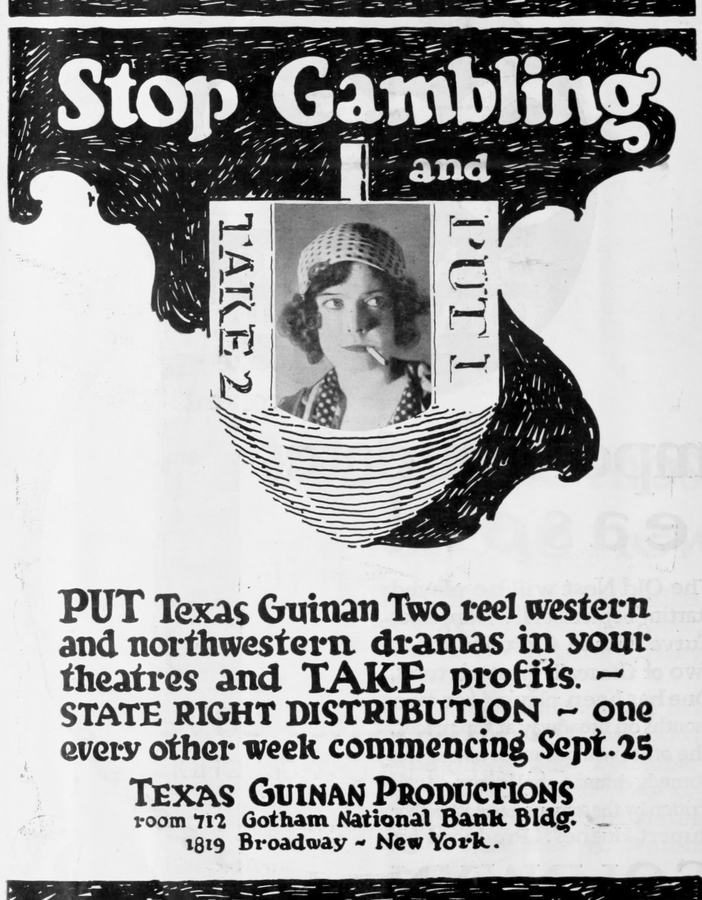
Stepping back into the nascent days of cinematic storytelling, one occasionally stumbles upon a forgotten artifact, a flicker from a bygone era that still manages to captivate with its raw emotional force. Such is the case with Texas of the Mounted, a 1921 silent drama that, despite the inevitable wear of time and the challenges of preservation, offers a fascinating glimpse into the nascent tropes of revenge, identity, and the formidable presence of early female stars. It’s a film that, even in its summarized form, promises a compelling narrative, propelled by a primal urge for retribution that transcends the limitations of its medium.
At its heart, Texas of the Mounted is a testament to the enduring power of a singular, driving motivation: vengeance. The narrative unfolds with a brutal efficiency, dispensing with pleasantries to plunge directly into tragedy. The senseless murder of a Canadian Mounted Police corporal serves as the catalyst, a stark, violent act that irrevocably alters the course of his twin sister, Texas. Played with an undoubtedly fierce intensity by the formidable Texas Guinan, her transformation from grieving sibling to relentless avenger is the film’s central pillar. Guinan, a figure known more for her flamboyant personality and saloon queen persona, here channels that potent energy into a focused, almost obsessive pursuit of justice. Her performance, even through the lens of nearly a century, would have been a masterclass in silent film acting – relying on exaggerated gestures, piercing gazes, and a physical embodiment of unwavering resolve to convey the depth of her character’s torment and determination.
The film’s setting, the rugged Canadian wilderness, is more than just a backdrop; it’s an active participant in the drama. The vast, untamed landscapes, often depicted in early cinema as both majestic and menacing, amplify the isolation of Texas’s quest. This isn't a story confined to urban alleys or drawing-room intrigues; it’s a saga played out against nature’s grand, indifferent canvas, where the stakes feel inherently higher and the pursuit more visceral. One can imagine the sweeping vistas, the treacherous terrains, all contributing to the escalating tension as Texas closes in on her prey. This environmental element echoes the adventurous spirit found in films like Jacques of the Silver North, where the harshness of the northern frontier often dictated the character's mettle and the plot's trajectory.
The genius of Texas of the Mounted lies not just in its straightforward revenge plot, but in its sophisticated psychological climax. The murderer, cornered and facing his pursuer, is not simply overcome by force, but by a chilling, self-inflicted delusion. He perceives Texas not as a living, breathing woman, but as the spectral embodiment of her slain brother. This moment of psychological unraveling, where guilt and terror converge to warp perception, elevates the film beyond a mere action-adventure. It delves into the fragile state of the human mind under extreme duress, suggesting that true justice, or perhaps the most potent form of retribution, can be found not just in physical confrontation, but in the torment of a guilty conscience. The killer’s plummet into the canyon below, triggered by this ghostly hallucination, is a profoundly poetic and visually striking resolution, a testament to the creative ingenuity of writers Mildred Sledge and Charles A. Short.
This particular narrative device, where the past quite literally haunts the present, is a fascinating precursor to later psychological thrillers. It speaks to the era’s fascination with the supernatural and the unseen, often employed to heighten drama and underscore moral lessons. The film avoids the easy path of a simple shootout, opting instead for a more nuanced, albeit melodramatic, exploration of mental breakdown. It’s a bold choice that would have undoubtedly left audiences of the time both thrilled and unsettled, a stark reminder of the consequences of heinous acts. The thematic resonance here is surprisingly deep, touching upon guilt, the weight of memory, and the idea that some sins are so profound they can conjure their own avenging spirits.
Texas Guinan, the titular star, was a force of nature in her own right. Known for her vivacious personality and her later career as a speakeasy hostess who famously greeted patrons with 'Hello, Sucker!', her cinematic presence was equally commanding. In Texas of the Mounted, she likely brought a unique blend of grit and theatricality to the role of the avenging sister. Her portrayal would have been less about subtle introspection and more about raw, unvarnished emotion, perfectly suited to the demands of silent cinema. The physicality required for such a role, from tracking through rugged terrain to facing down a murderer, would have been considerable, and Guinan, with her reputation for fearlessness, was undoubtedly up to the task. Her performance would have solidified her status as a compelling screen presence, capable of carrying a film with sheer charisma and dramatic weight.
Considering the period, the direction by David E. Townsend would have been crucial in conveying the story's intensity. Silent films relied heavily on visual storytelling, expressive acting, and well-placed intertitles to drive the narrative. The pacing, the framing of shots, and the careful orchestration of action sequences would have been paramount. One can envision dynamic camera movements (for the time), perhaps tracking shots to emphasize the pursuit, and close-ups to capture Guinan’s formidable expressions of grief, anger, and unwavering resolve. The stark contrasts of light and shadow, characteristic of early cinematography, would have been employed to heighten the dramatic effect, particularly in the climactic canyon scene, where the interplay of light and dark could symbolize the murderer’s descent into madness.
The film’s exploration of justice, particularly personal justice, is a recurring theme in cinema. While society often champions legal due process, the allure of individual retribution remains potent. Texas of the Mounted taps into this primal human desire, presenting a protagonist who sidesteps conventional law enforcement to pursue her own brand of justice. This theme resonates with other films of the era and beyond, where characters take matters into their own hands when the system fails or is deemed insufficient. It suggests a certain societal fascination with vigilante justice, particularly when driven by such a profound personal loss. The ambiguity of whether Texas’s actions are 'right' or simply 'understandable' adds a layer of moral complexity, even if the film ultimately frames her success as a triumph.
The twin motif itself is a potent narrative device. The profound bond between twins, often depicted as almost telepathic or spiritually linked, makes the murder of one an even more grievous wound for the other. It justifies Texas’s extreme measures, lending an almost mythic quality to her quest. She isn't just avenging a brother; she's avenging a part of herself, an extension of her very being. This deep, almost existential connection elevates the personal stakes dramatically. The killer's final delusion, mistaking her for her brother's ghost, is made all the more believable and terrifying by this inherent, shared identity. It's a clever use of character relationship to drive both plot and psychological horror.
Comparing Texas of the Mounted to other silent films reveals its unique strengths. While films like The Avalanche or The Demon might have explored similar themes of danger and retribution, Texas of the Mounted stands out for its specific blend of wilderness adventure, intense personal vendetta, and psychological climax. The strong female lead, driven by an unwavering purpose, also places it alongside other compelling female-centric narratives of the era. Texas Guinan's portrayal would have been a stark contrast to the more demure heroines often seen, aligning her more with the 'flapper' generation's burgeoning independence, even if her character's motivations were rooted in a timeless sense of family loyalty and grief.
The film's reliance on visual storytelling, common to the silent era, would have demanded a high degree of expressive acting. Actors like Guinan had to convey entire emotional arcs without dialogue, using only their bodies, faces, and perhaps a few well-placed intertitles. This often led to a more theatrical, almost pantomimic style of performance that, while seeming melodramatic to modern eyes, was incredibly effective for audiences of the time. The raw emotion, the physical struggle, and the psychological torment would have been writ large on the screen, ensuring that even without spoken words, the audience understood the depth of Texas’s suffering and her resolve. This is where the true artistry of silent film lies – in its ability to communicate complex human experiences through purely visual means.
The sheer logistical challenges of filmmaking in the early 1920s, particularly for location shoots in rugged terrain, cannot be overstated. The crew and cast would have faced considerable difficulties in bringing the Canadian wilderness to life on screen. This commitment to authenticity, even if through studio recreations or carefully chosen locations, speaks to the ambition of the filmmakers. It wasn't enough to tell a story; they wanted to immerse the audience in its environment, making the struggle feel more real, the stakes more tangible. The grandeur of the setting would have been a character in itself, influencing the mood and atmosphere of the entire production.
The enduring appeal of revenge narratives, whether in Texas of the Mounted or later cinematic efforts, lies in their exploration of moral boundaries. When does justice become vengeance? Is there a difference? Texas's journey blurs these lines, suggesting that for some, the quest for personal retribution is the only path to solace, regardless of societal norms. This universal theme ensures that even a century later, the core emotional drive of the film remains relatable, speaking to the darker, more primal instincts within us all. It reminds us that cinema, even in its earliest forms, was capable of tackling complex human emotions and ethical dilemmas.
In conclusion, Texas of the Mounted, though perhaps not as widely celebrated as some of its contemporaries, appears to have been a potent piece of early cinema. Its compelling plot, driven by a powerful female lead in Texas Guinan, and culminating in a psychologically sophisticated climax, marks it as more than just a simple action picture. It’s a film that speaks to the enduring human desire for justice, the destructive power of grief, and the unsettling fragility of the human mind. For those with an appreciation for the silent era's unique storytelling techniques and its often-underestimated thematic depth, Texas of the Mounted represents a fascinating, if elusive, piece of cinematic history, deserving of renewed attention and critical appreciation. Its legacy, however faint, reminds us of the rich tapestry of films produced during this formative period, each contributing a thread to the art form we cherish today.
IMDb 7.4
1923
Community
Log in to comment.